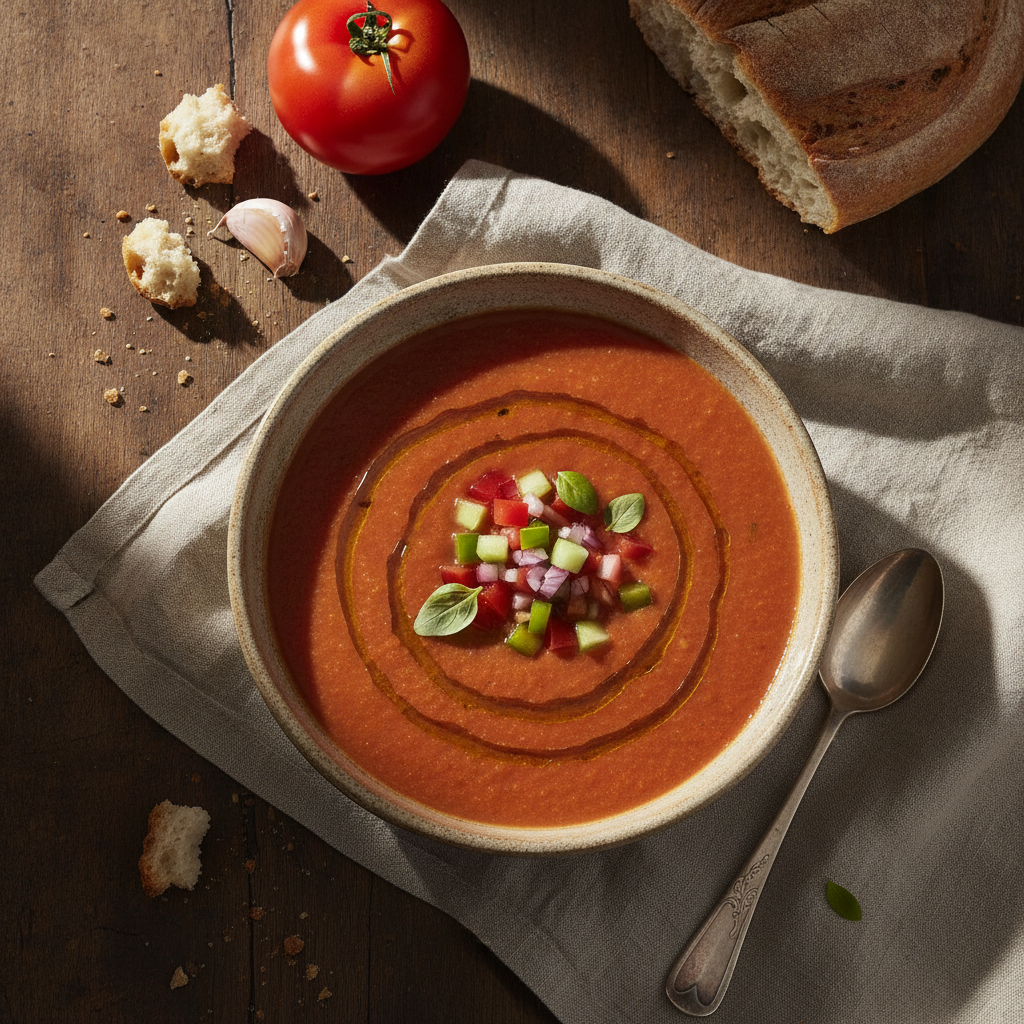
Gazpacho Andaluz
Gazpacho is not a salad blended into a drink — it is a precise emulsion of bread, olive oil, and raw tomato that Andalusia has been perfecting for centuries. Serve it very cold or do not bother.
01 / Cuisines · Mediterranean
Tapas, paella, jamón, char.
02 / Intro · The shape of it
Spanish cooking is regional almost to the point of incoherence — Galicia eats octopus and turnip greens, Andalucía deep-fries everything in olive oil, Catalonia bridges France with bold sauces (romesco, picada), and the Basque country runs an entire culinary subculture on pintxos and Atlantic fish. The unifying themes are olive oil, jamón, the plancha, and the late dinner.
Tapas culture is Spain's most exportable invention: small plates eaten standing up between work and bedtime, sometimes shared, sometimes not. Paella is the most famous dish but also the most contested — every region argues about what belongs in it. The real lesson is the rice technique: short-grain, broth, no stirring, socarrat (the crust at the bottom).
Souschef's Spanish recipes focus on the pantry that punches: smoked paprika, sherry vinegar, saffron, jamón ibérico (when you can), Manchego, and good olive oil. Most Spanish home cooking is genuinely simple — three ingredients on a plancha, two ingredients in a clay cazuela. We'll teach the structure so you can riff.
03 / Techniques · The four that matter
Onion, garlic, tomato, sometimes pepper, slow-cooked in olive oil for 30–45 minutes until jammy. Distinct from Italian soffritto — the tomato matters and the cook is longer.
Flat-top searing of fish, shrimp, or vegetables on a smoking-hot griddle with little oil and a finish of salt. The default Spanish coastal technique.
The caramelized rice crust at the bottom of the paella pan. You hear it crackle, you smell it, you pull it off the heat. The reason paella is cooked in a wide flat pan, not deep.
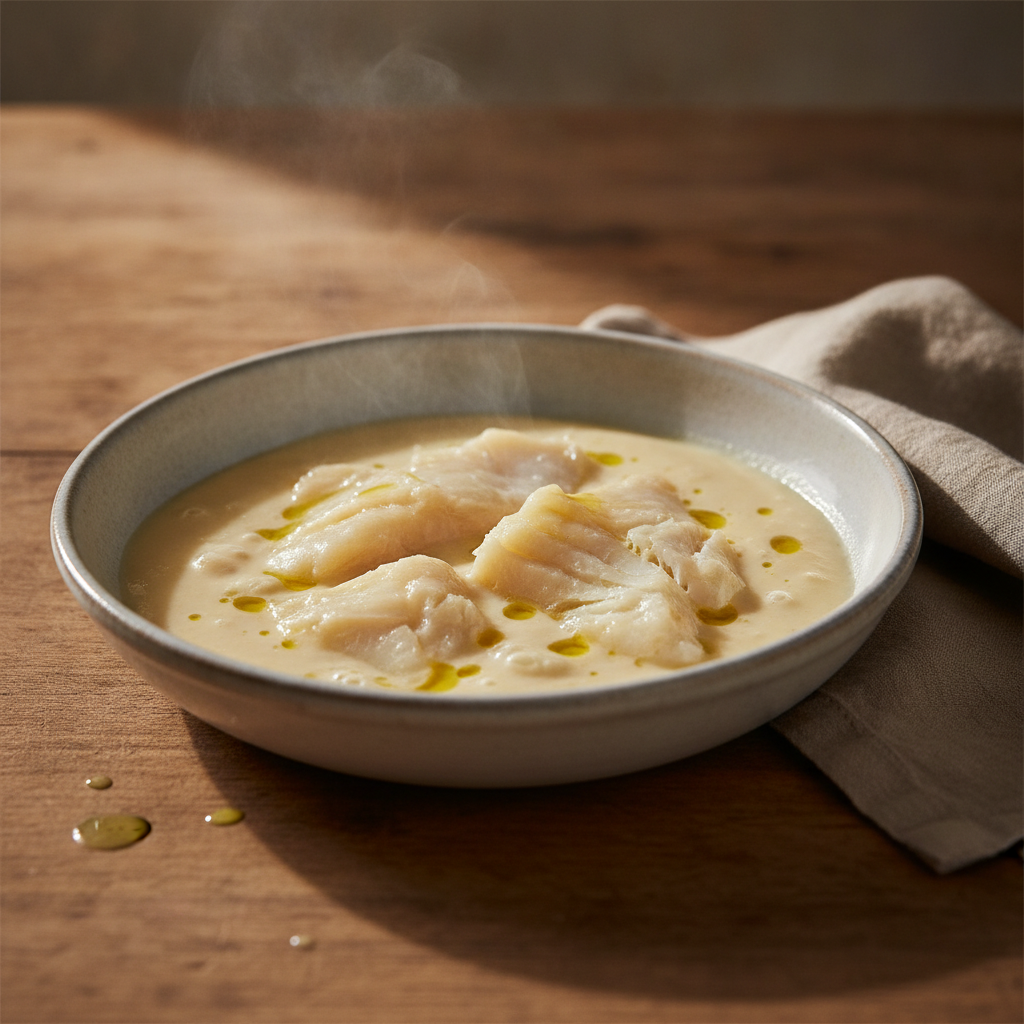
Cod and garlic slow-cooked in olive oil until the cod's natural gelatin emulsifies the oil into a sauce. Basque technique, no thickeners, all wrist motion.
04 / Soundtrack · Guitarra Española
05 / The library · 48 spanish recipes

Gazpacho is not a salad blended into a drink — it is a precise emulsion of bread, olive oil, and raw tomato that Andalusia has been perfecting for centuries. Serve it very cold or do not bother.

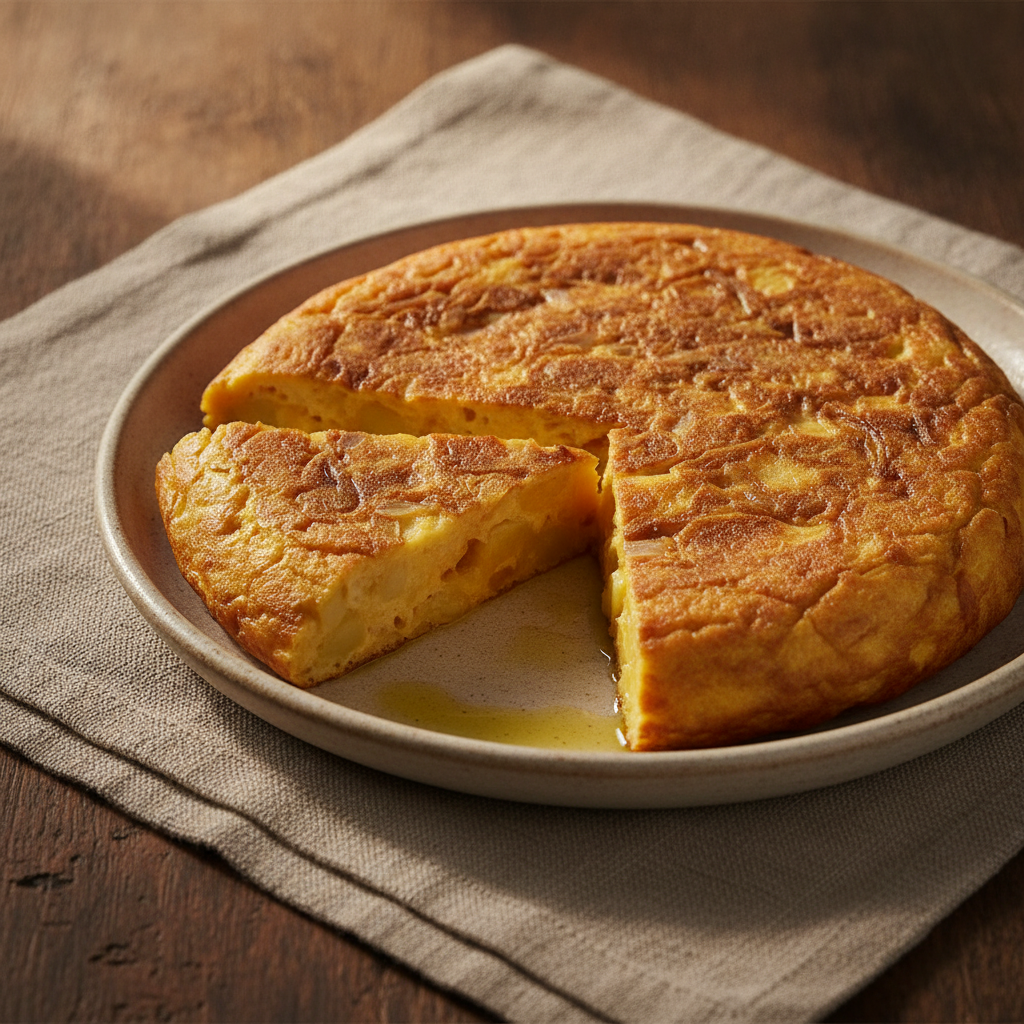
The tortilla española is Spain is most democratic dish — available at every bar, eaten at every hour, and endlessly debated over whether the centre should be runny or set. Here it is runny.

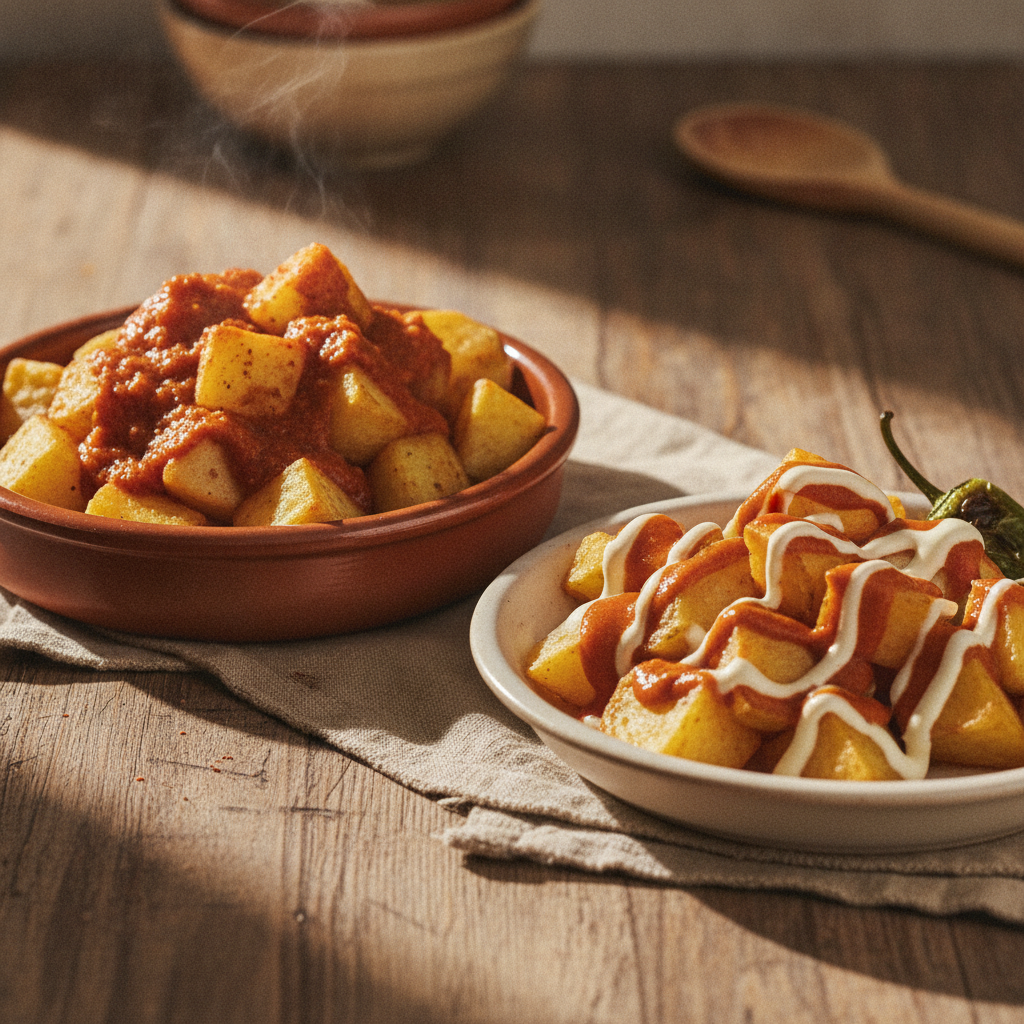
Patatas bravas are about contrast: the potato interior must be fluffy, the exterior audibly crisp, and the brava sauce genuinely hot — not sweet-and-mild-with-a-paprika-tint.

Gambas al ajillo is a five-ingredient tapa that lives or dies by heat — the oil must be hot enough to cook the garlic golden and the prawns through in under two minutes, while the table-side sizzle is still going.

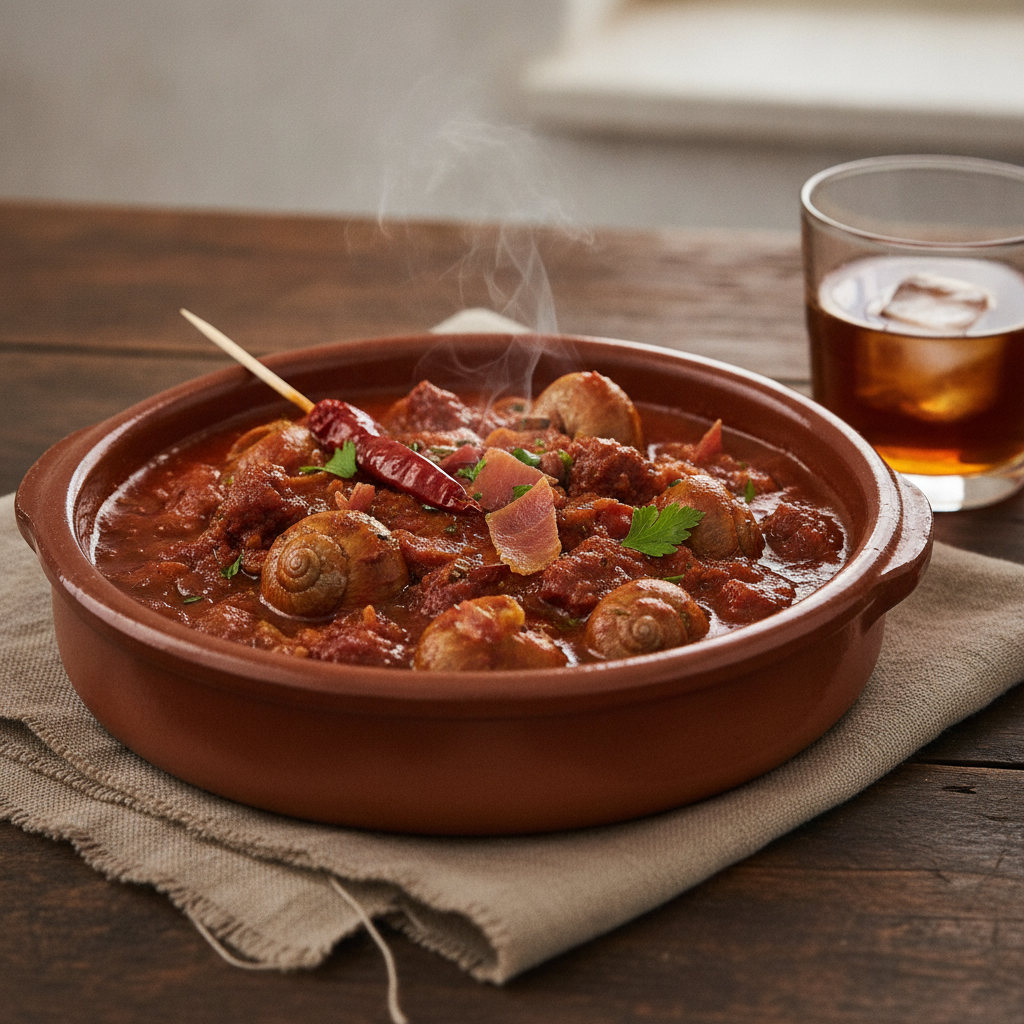
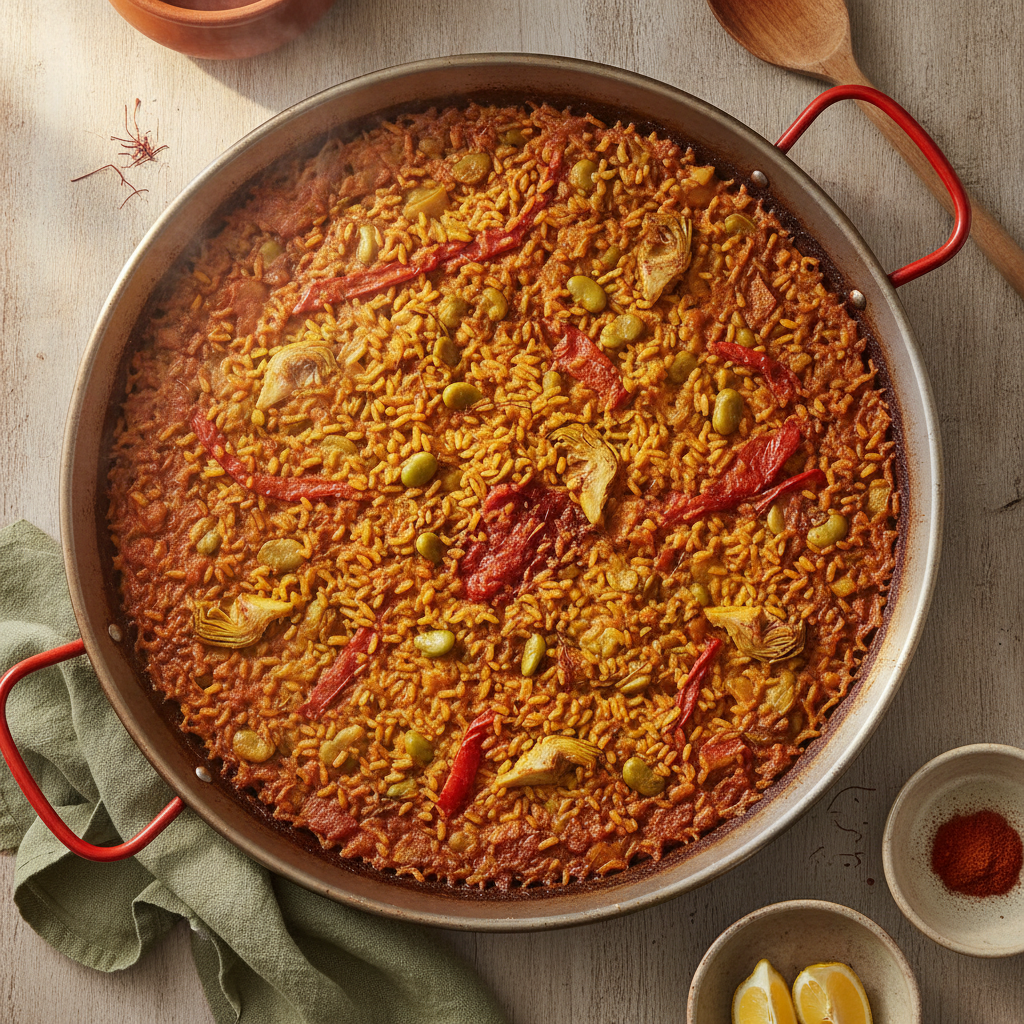
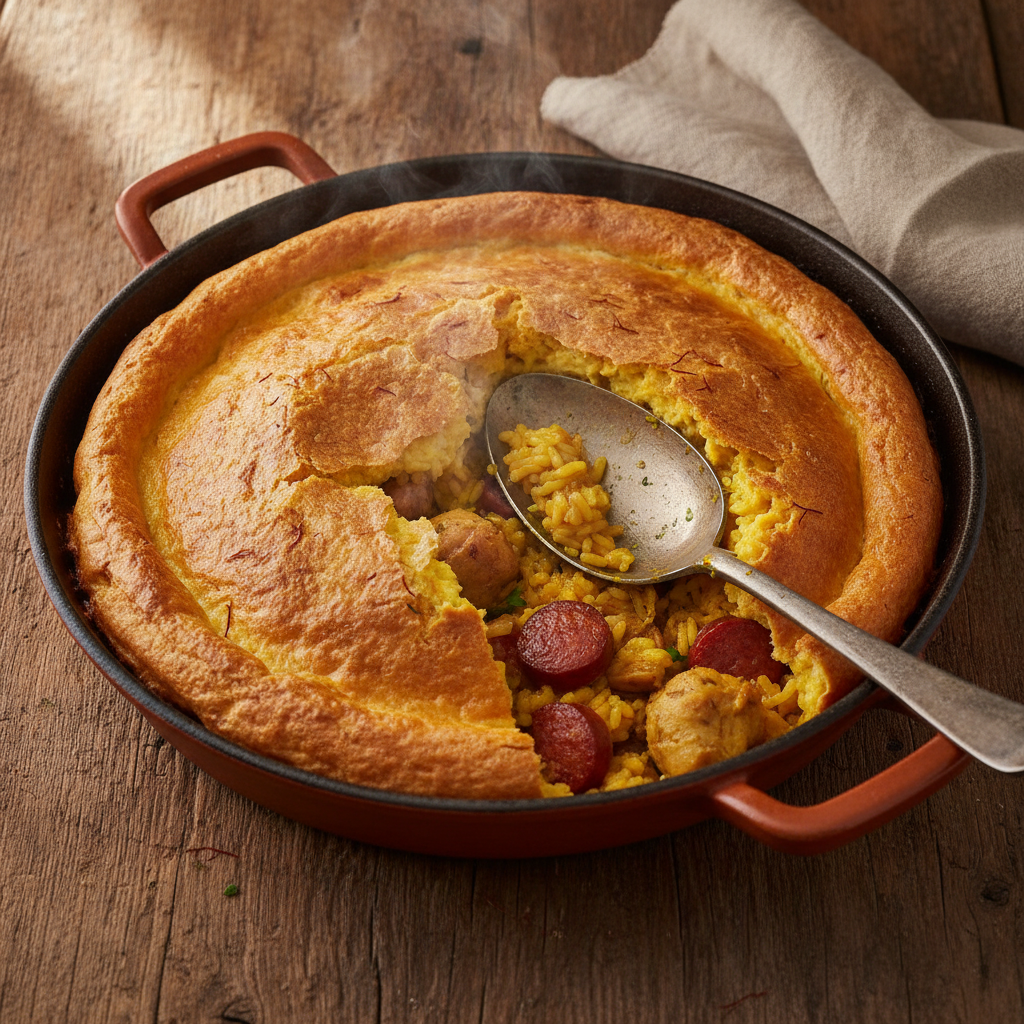
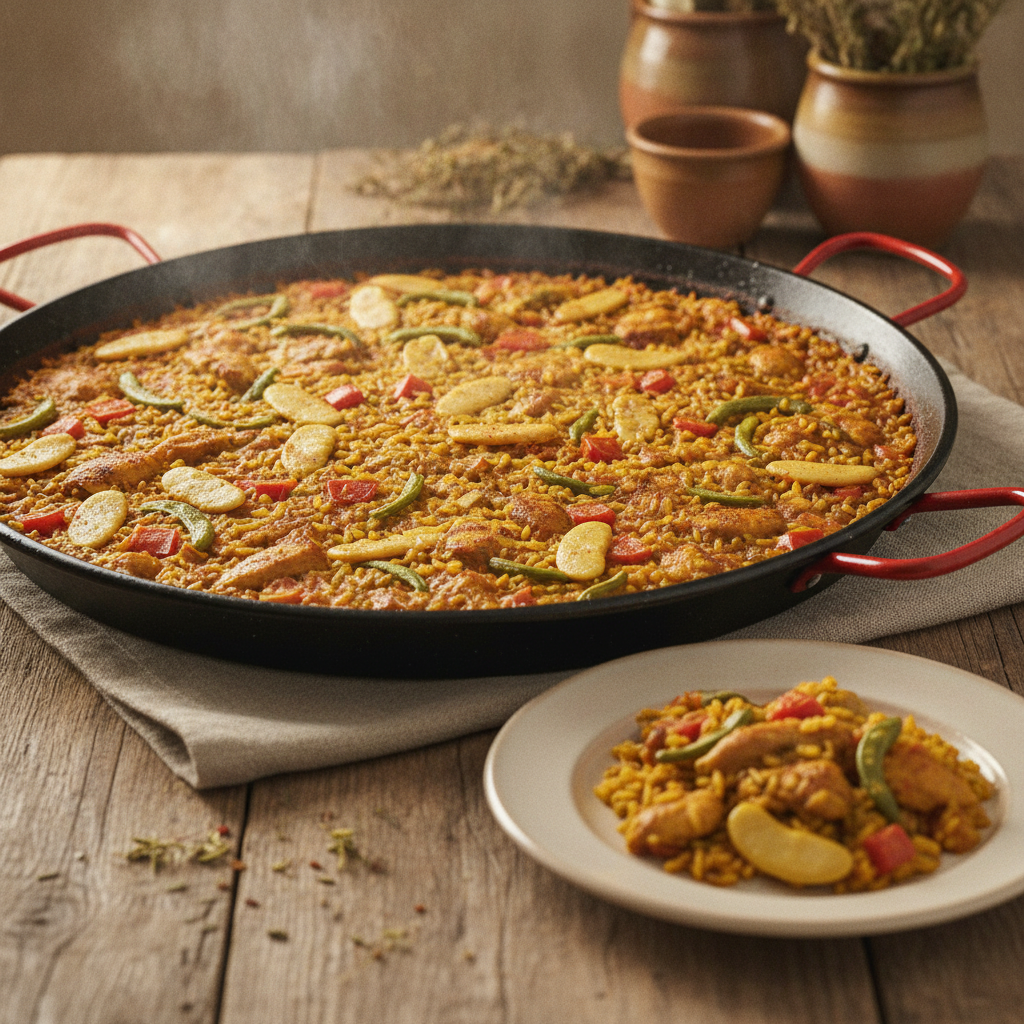
The real paella valenciana contains rabbit, chicken, snails, flat green beans, and butter beans — not chorizo, not seafood, and absolutely not both at once. This is the dish as Valencia cooks it.

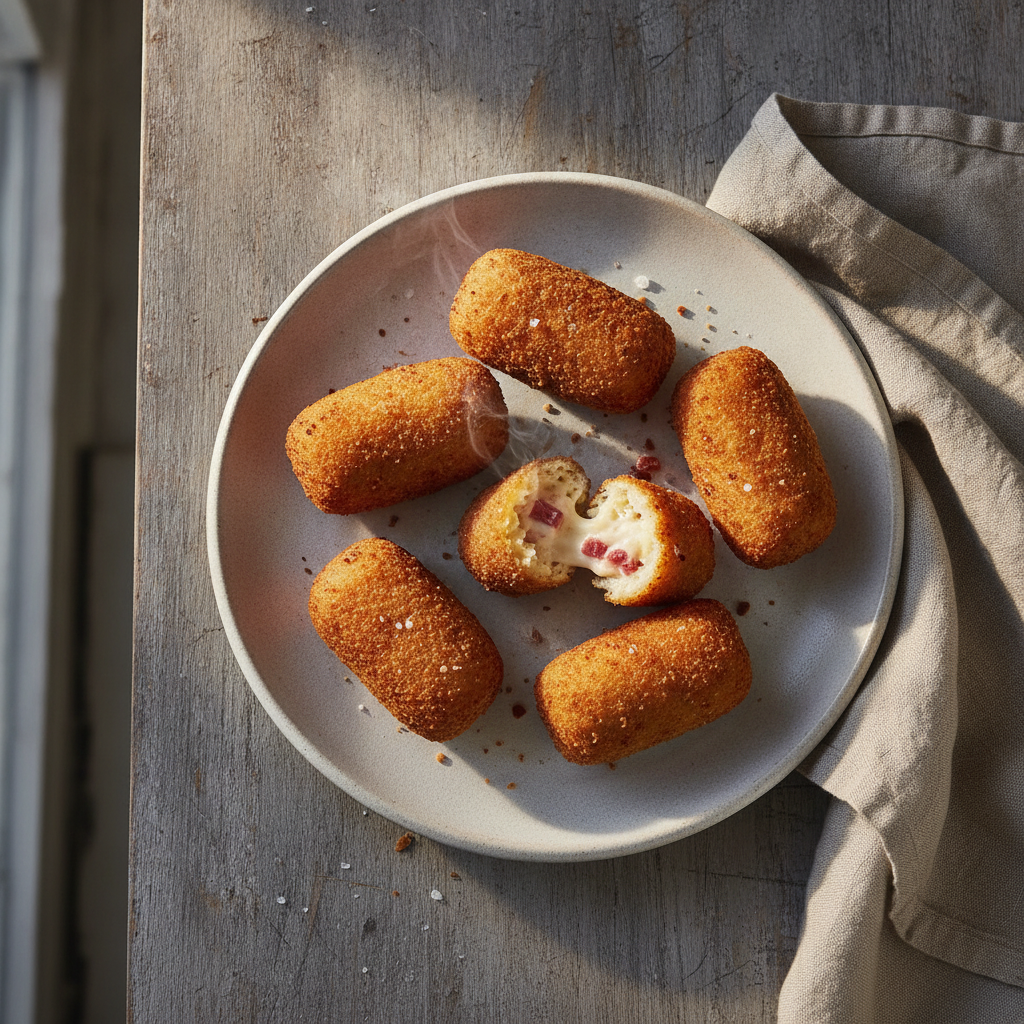
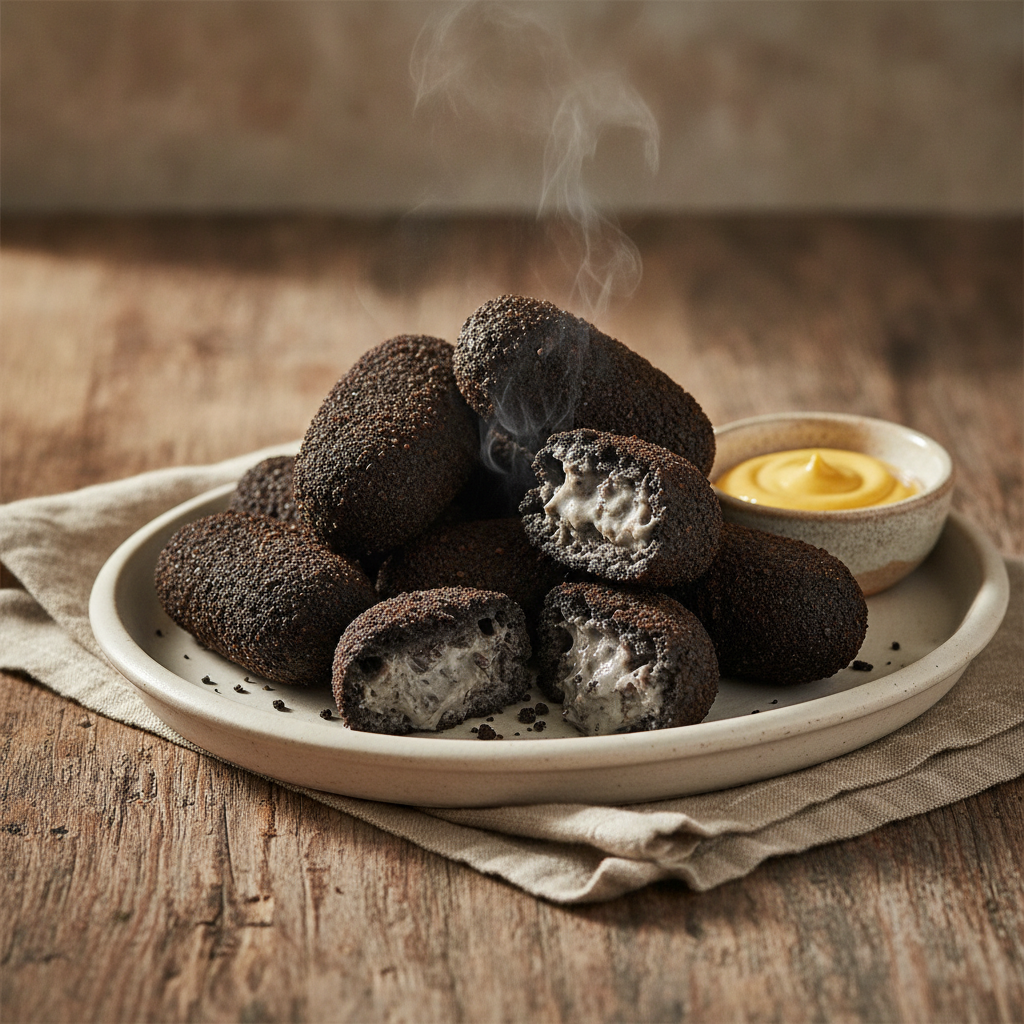
A croqueta is a test of patience and butter: the béchamel must be cooked until very thick and glossy, then chilled overnight, or it will collapse into the frying oil.

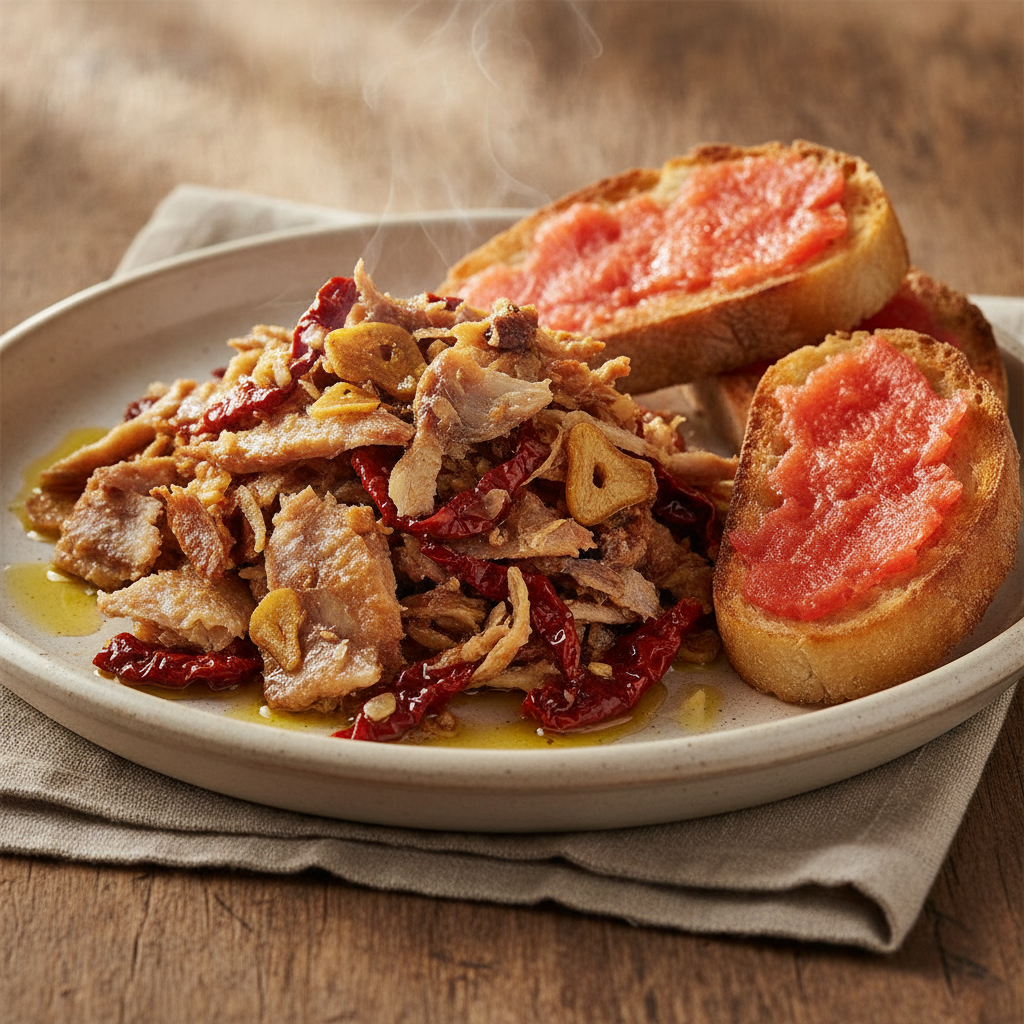
Pan con tomate is the Catalan pa amb tomàquet done simply: good bread grilled until the cut side has charred edges, rubbed hard with garlic and then tomato until the flesh dissolves into the toast.

Salmorejo is thicker than gazpacho, richer, and unmistakably Cordoban — it is more bread than soup, which is the point.

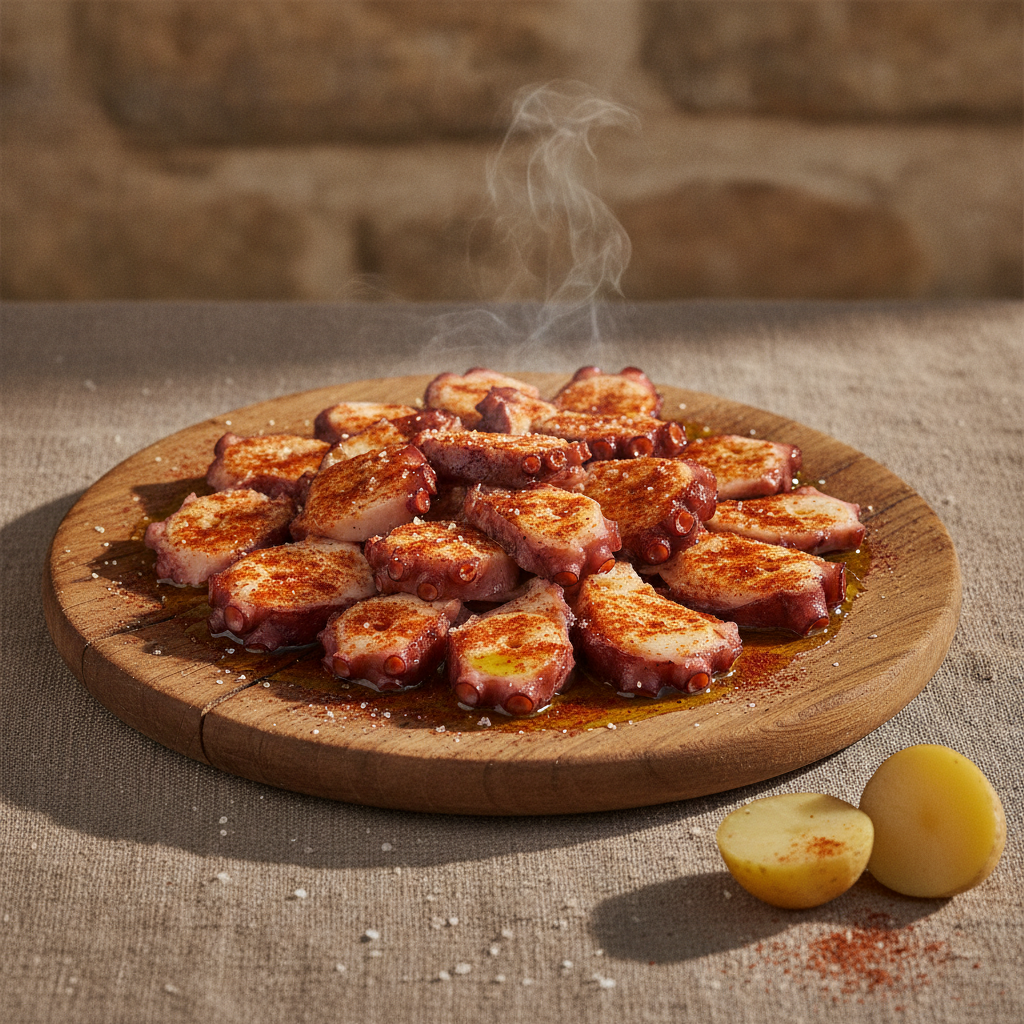
Pulpo a la gallega — also called pulpo a feira — is Galicia on a wooden board: sliced octopus on potato, drowning in olive oil and pimenton.

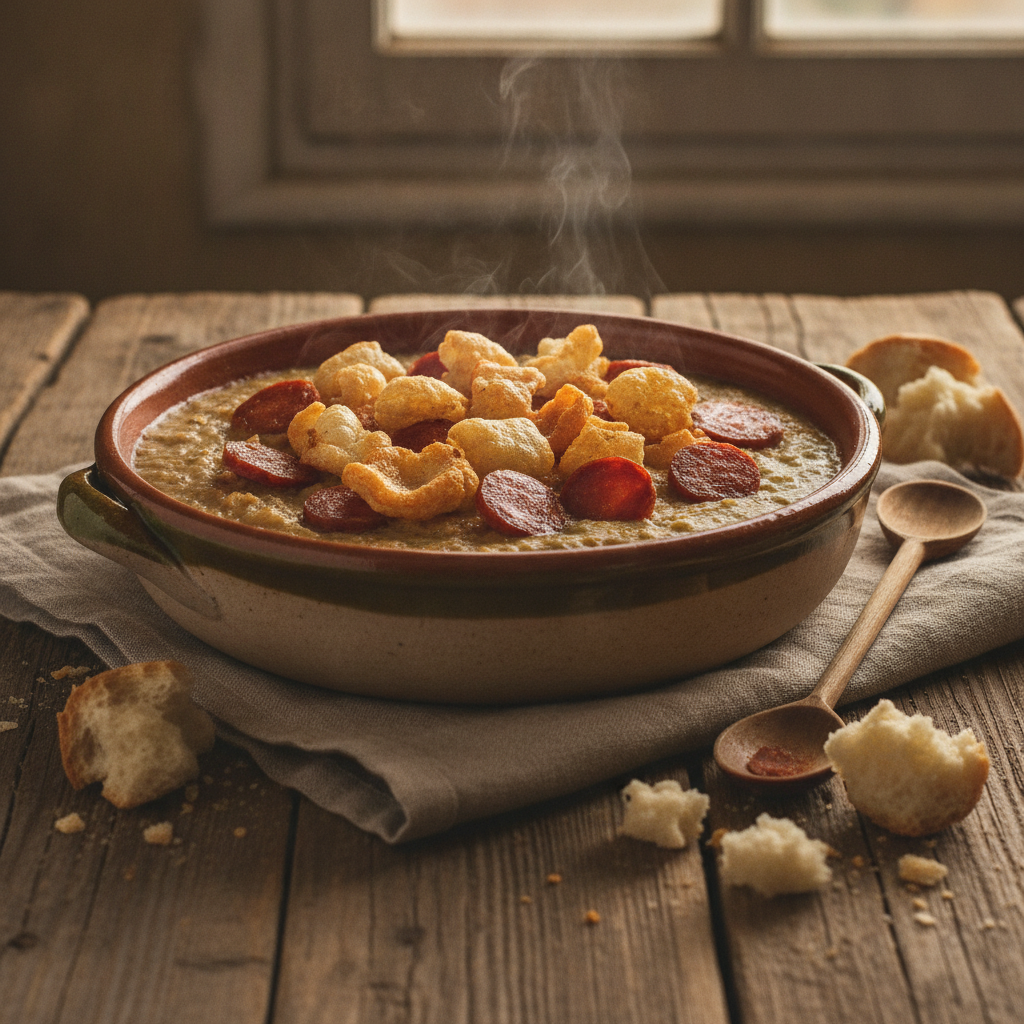
Lentejas con chorizo is the Monday dish of a generation of Spaniards — made with whatever was on hand, cooked long, and eaten with bread.

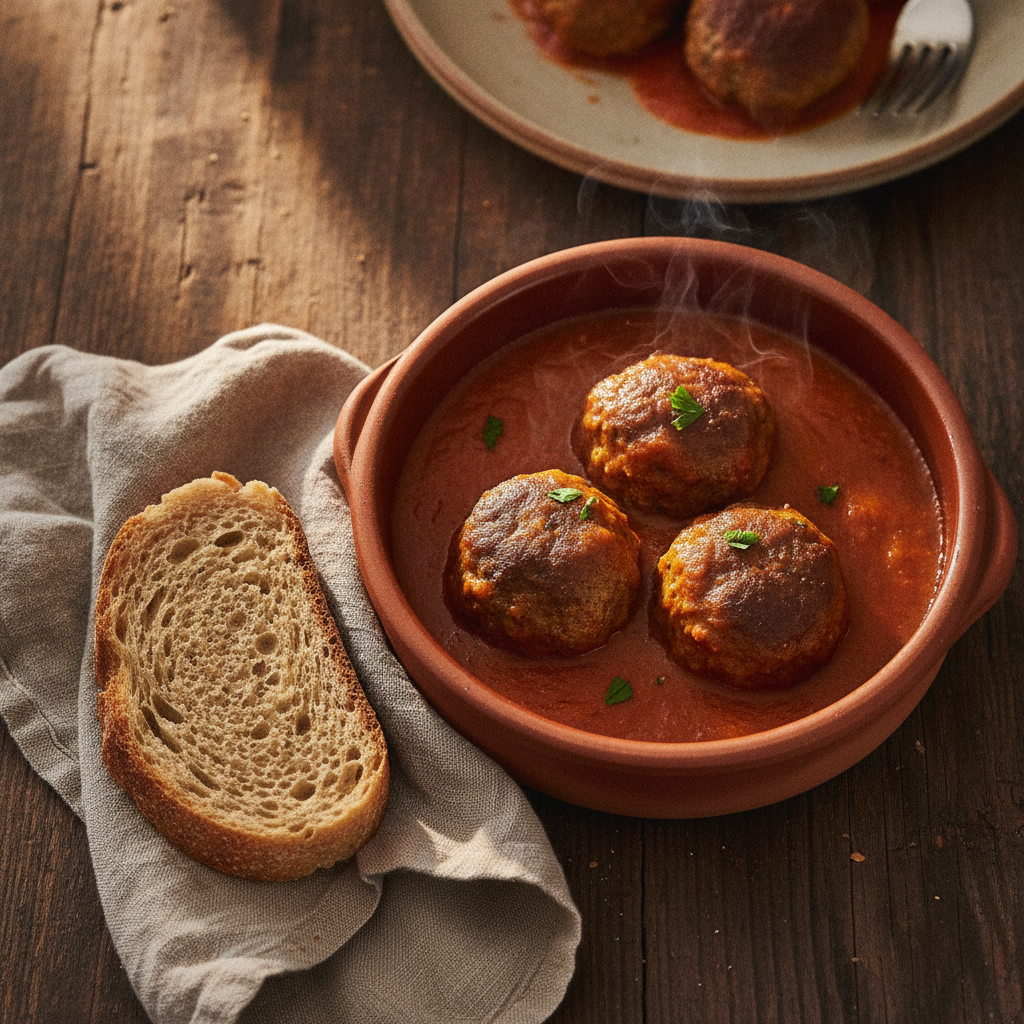
Spanish albóndigas are smaller and more delicately seasoned than Italian-American meatballs — they are braised in sofrito rather than simmered in marinara, which keeps the sauce closer to the ingredients.

Pil-pil is the most technically demanding Basque preparation: a sauce made entirely from the gelatin of salt cod and olive oil, emulsified by the patient circular motion of the cazuela.

Padrón peppers are cooked in one way and one way only: blistered in very hot olive oil, piled on a plate, and salted heavily. The one-in-ten that is hot is the game.

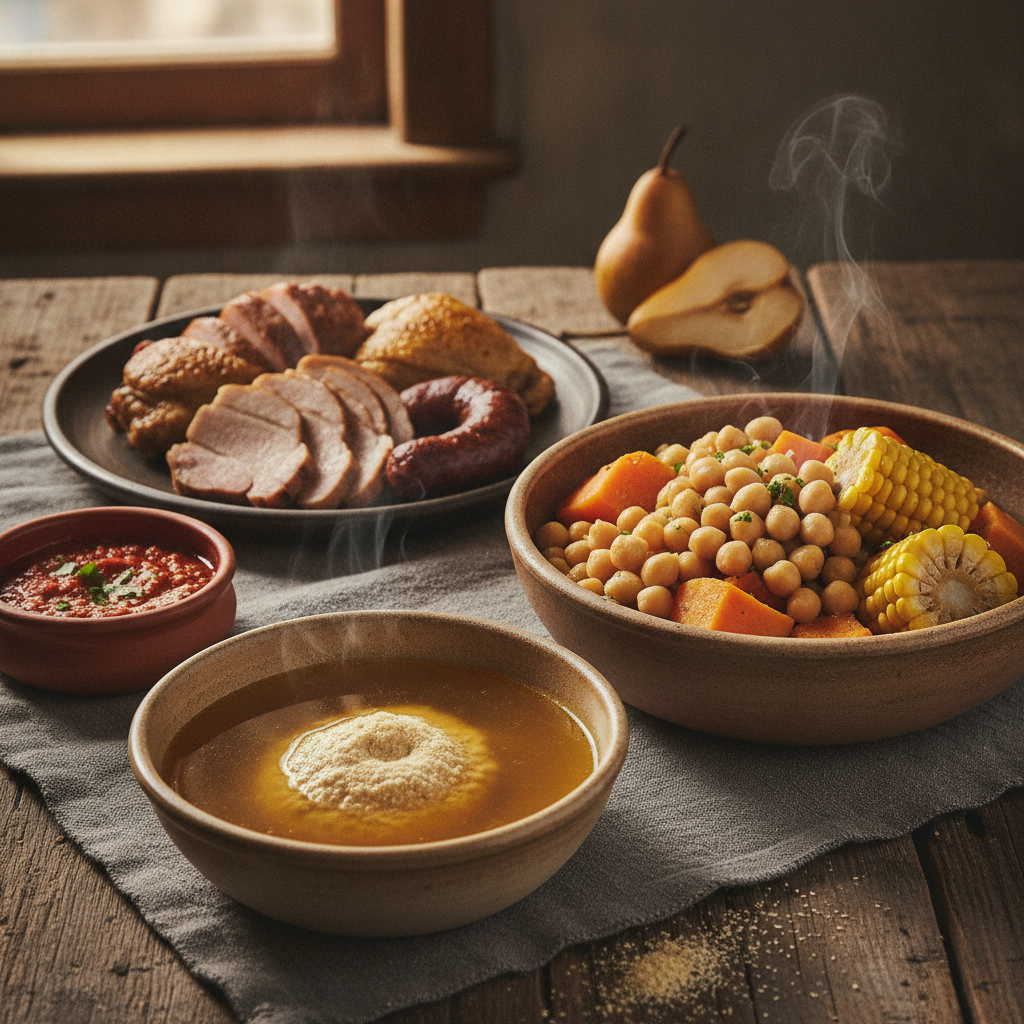
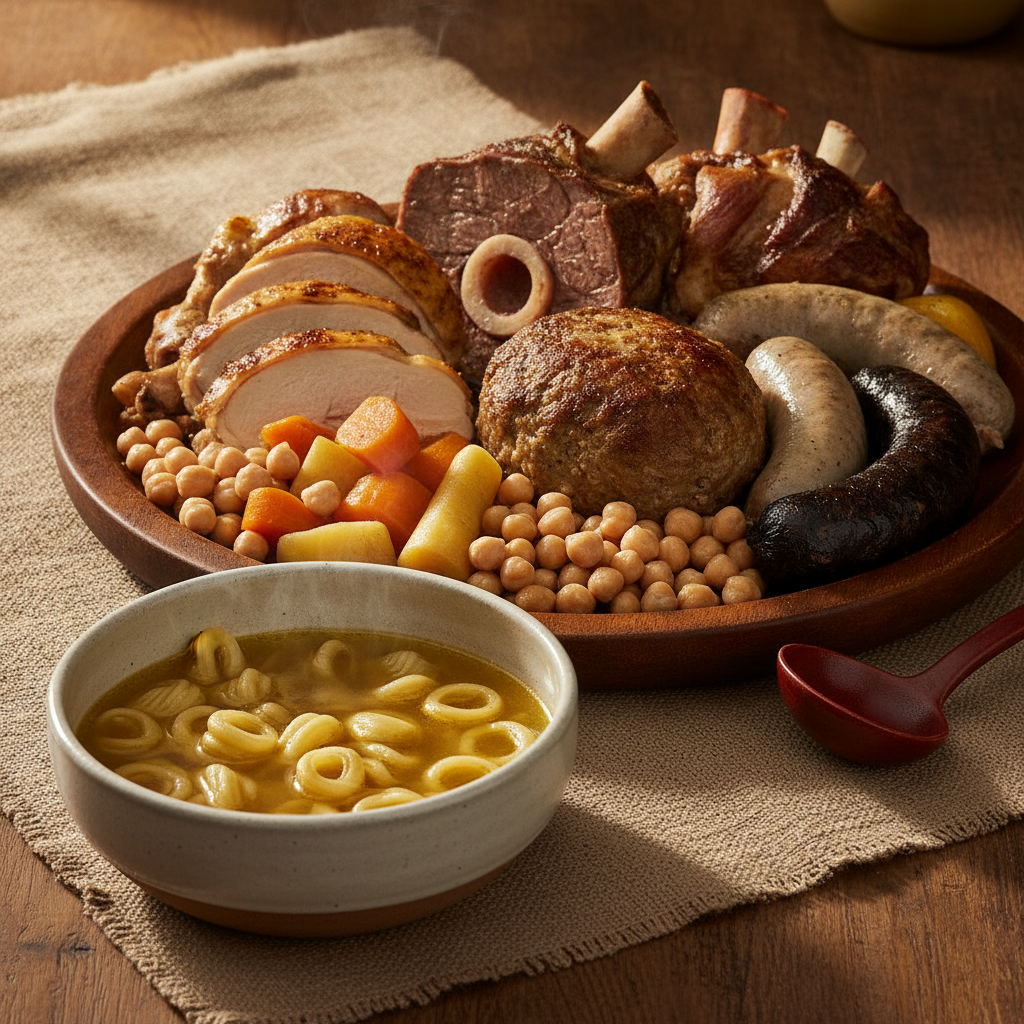
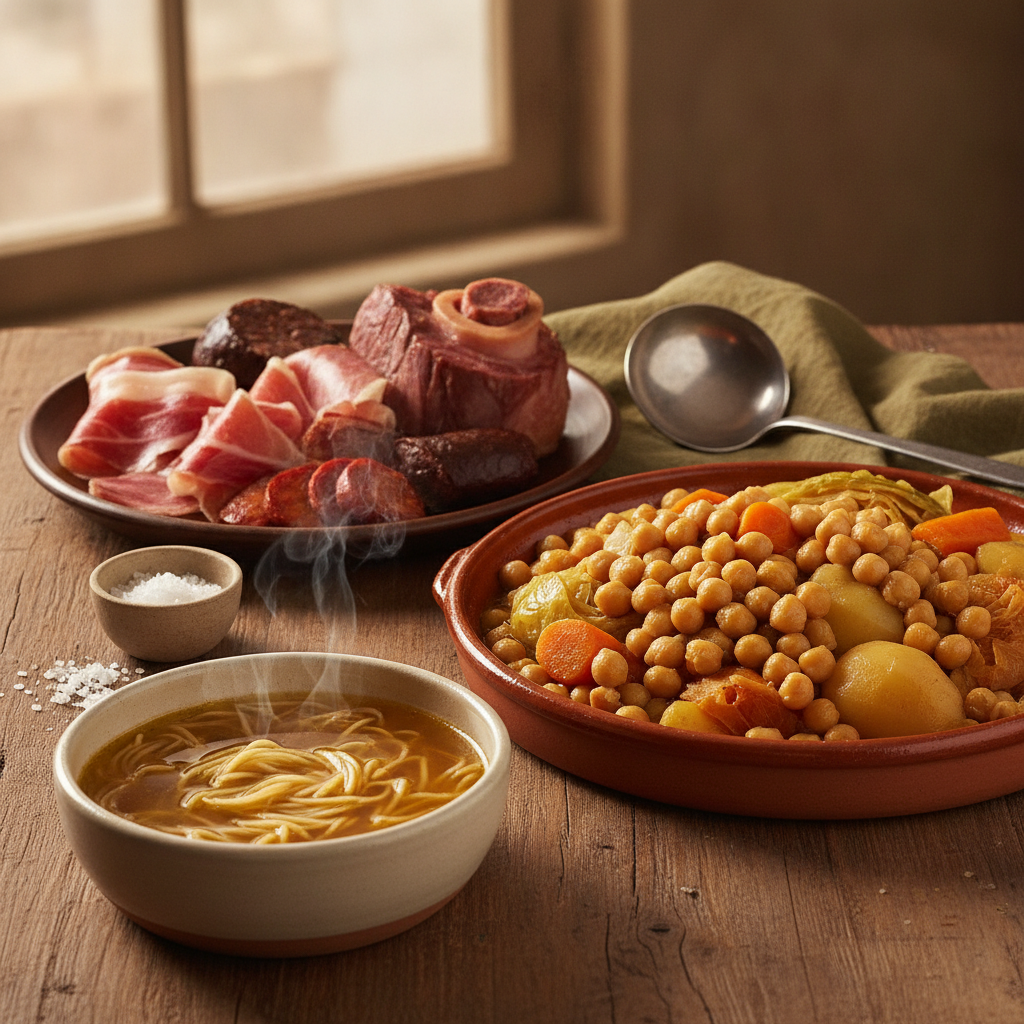
Cocido madrileño is a three-course meal in a single pot: the broth comes first as soup, then the chickpeas and vegetables, then the meats — this sequence is called los tres vuelcos (the three pours) and is non-negotiable.

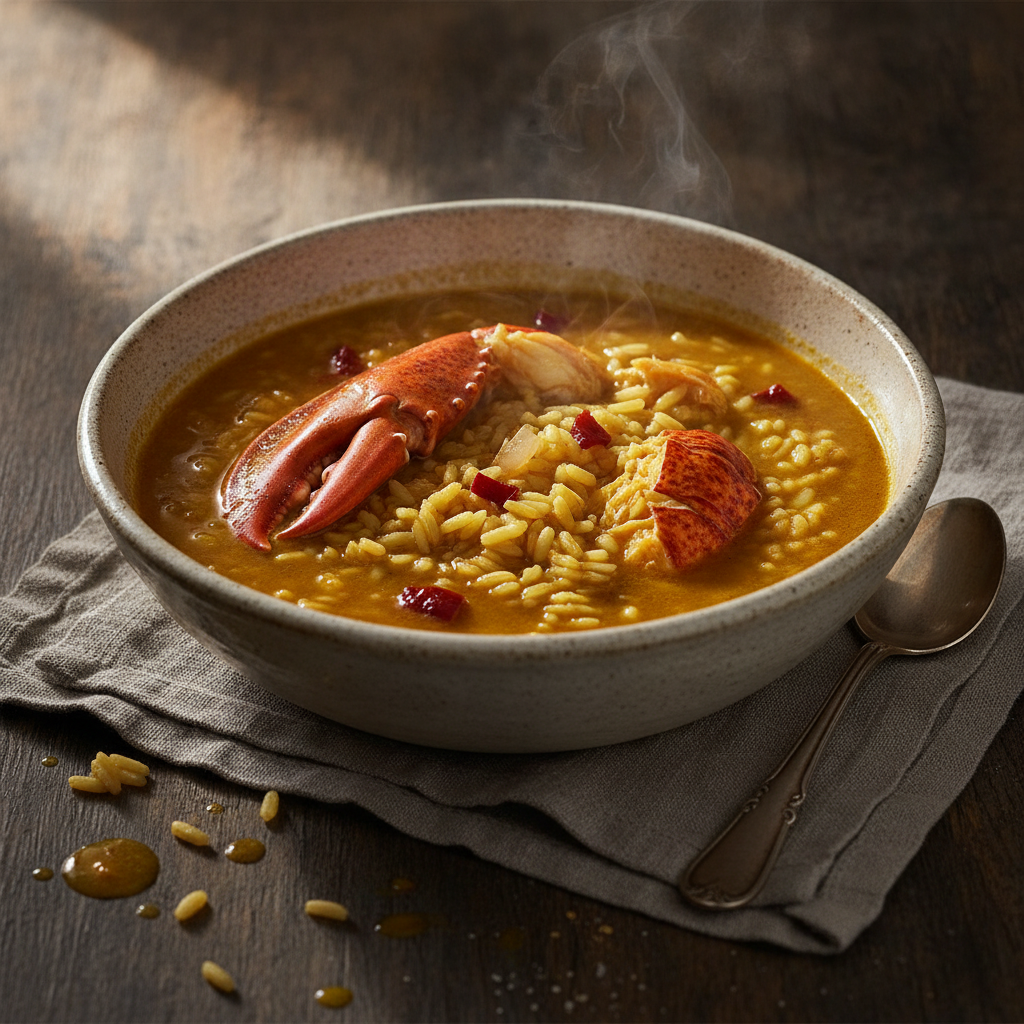
Arroz negro is the dramatic sibling of paella: rice dyed black by squid ink, its flavour deeply oceanic and slightly briny, finished with aioli that melts into the hot grains.

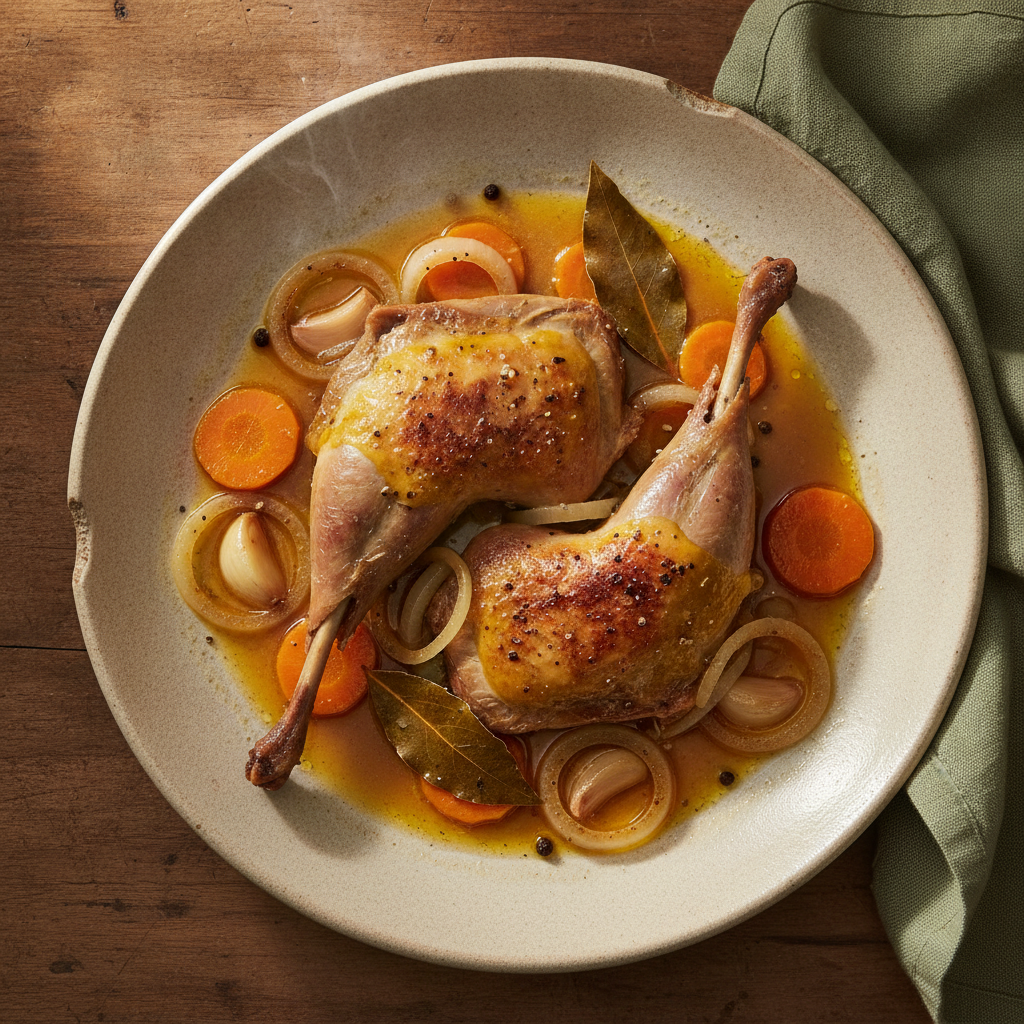
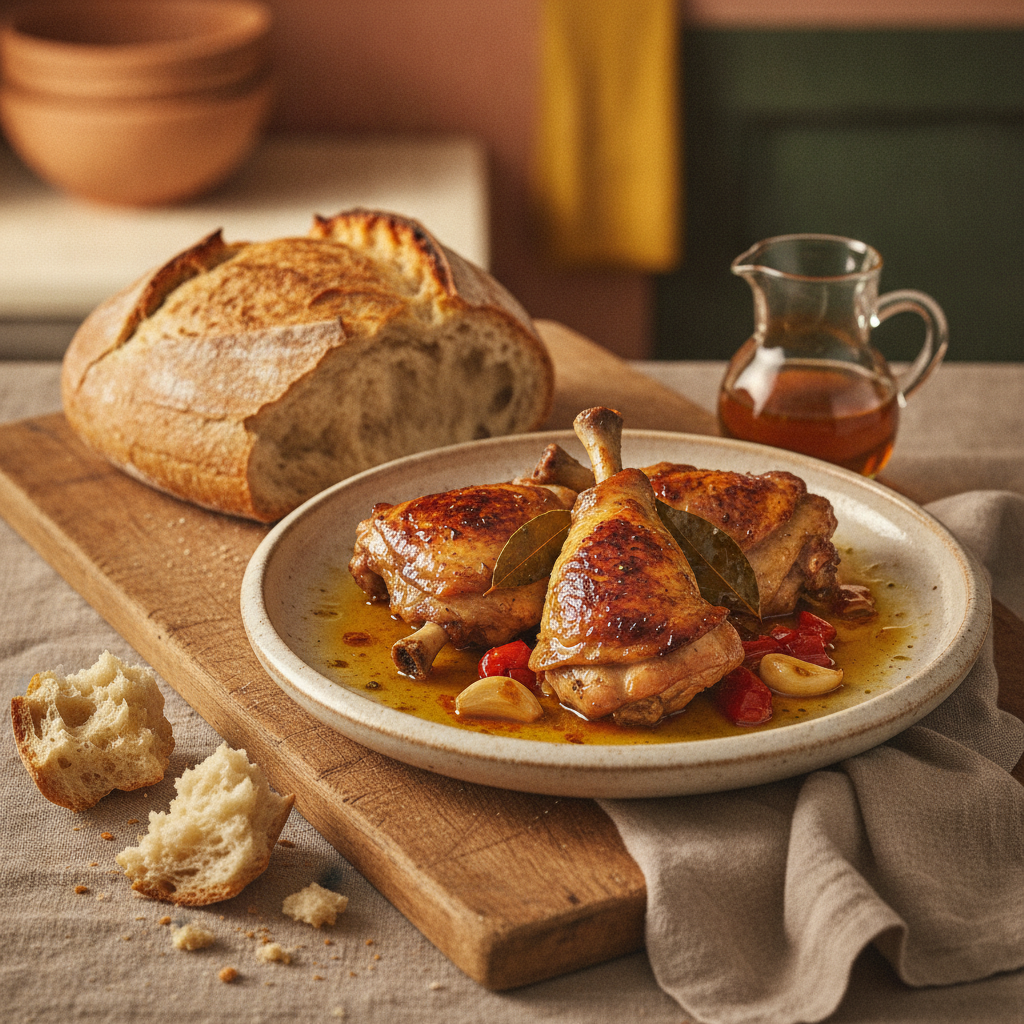
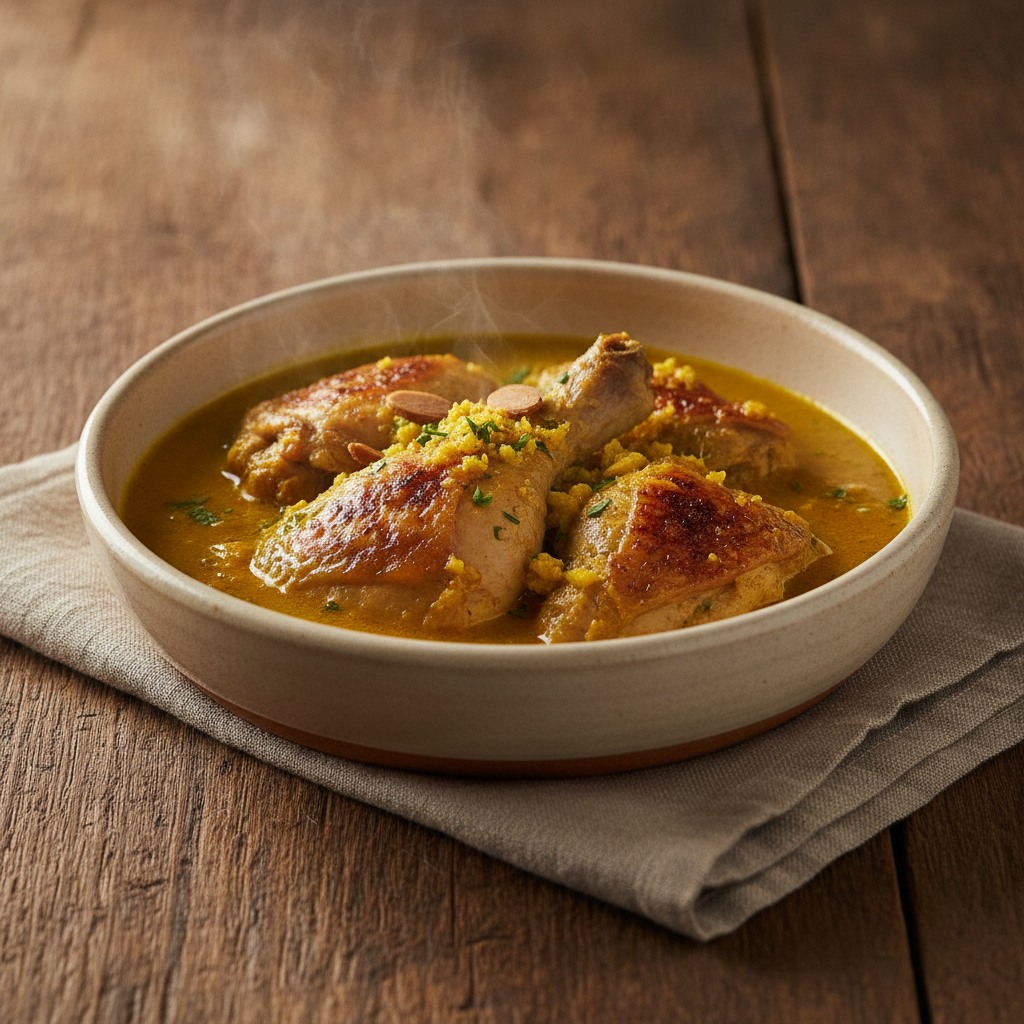
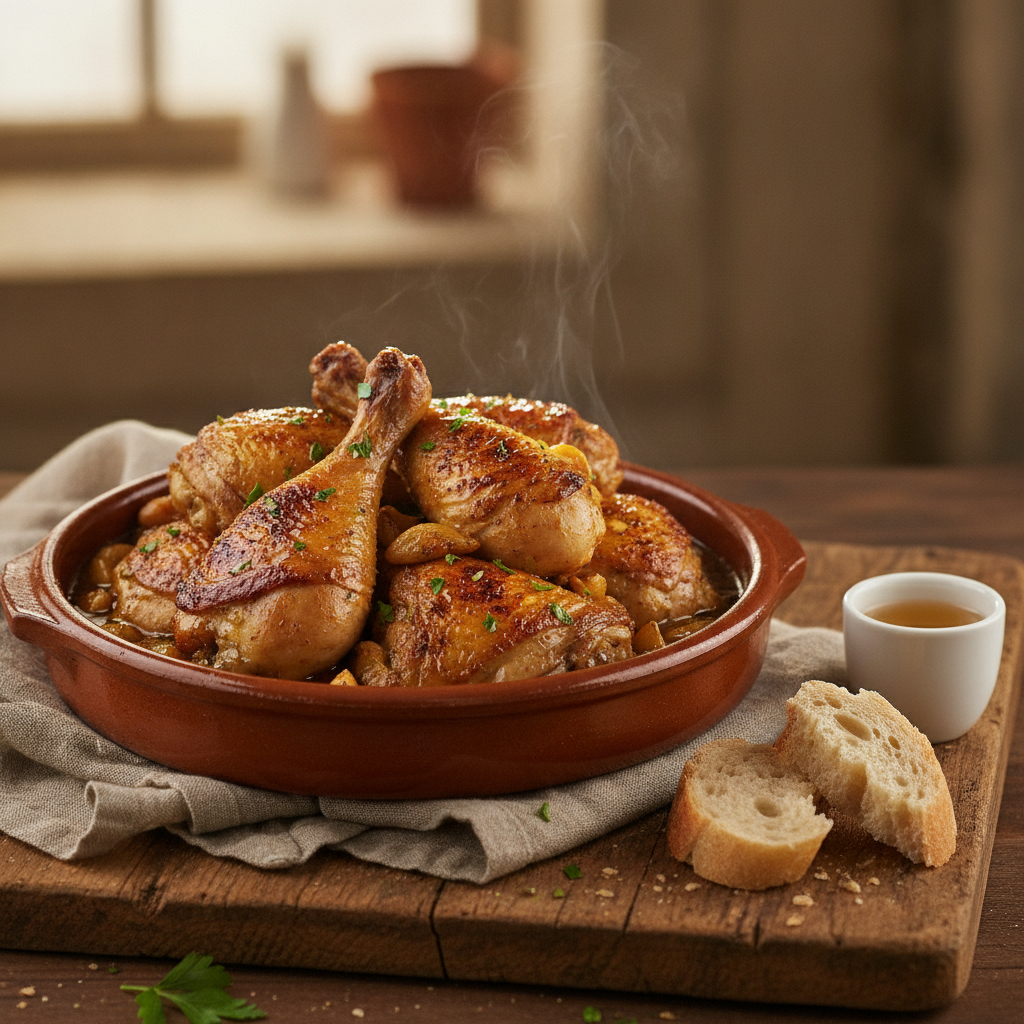
Pollo al ajillo — garlic chicken — is a one-pan Spanish classic where the garlic is the co-star, not background seasoning: whole cloves, in the skin, cooked until golden and then softened into the sauce.

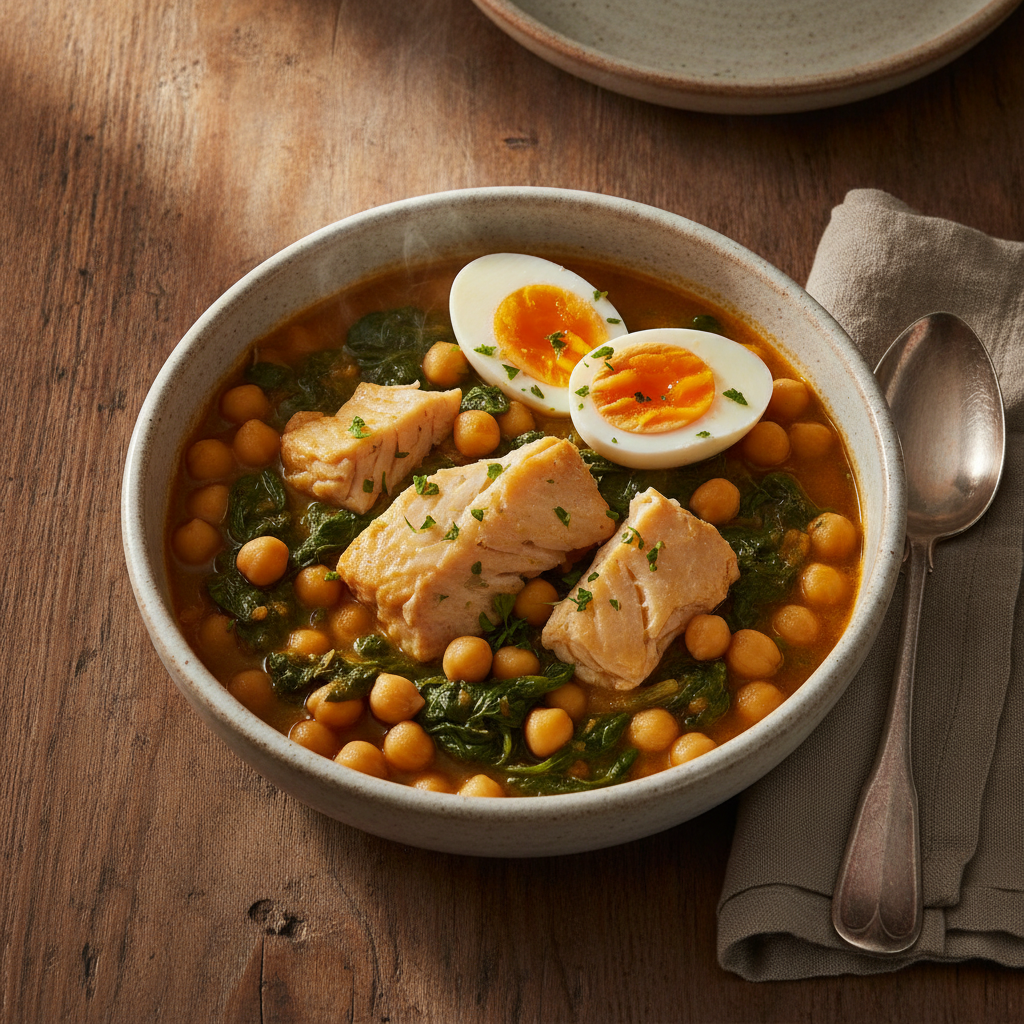
Espinacas con garbanzos is a Sevillan tapa that belongs to the city's Moorish heritage — spinach, chickpeas, cumin, and pimenton, eaten warm with bread.

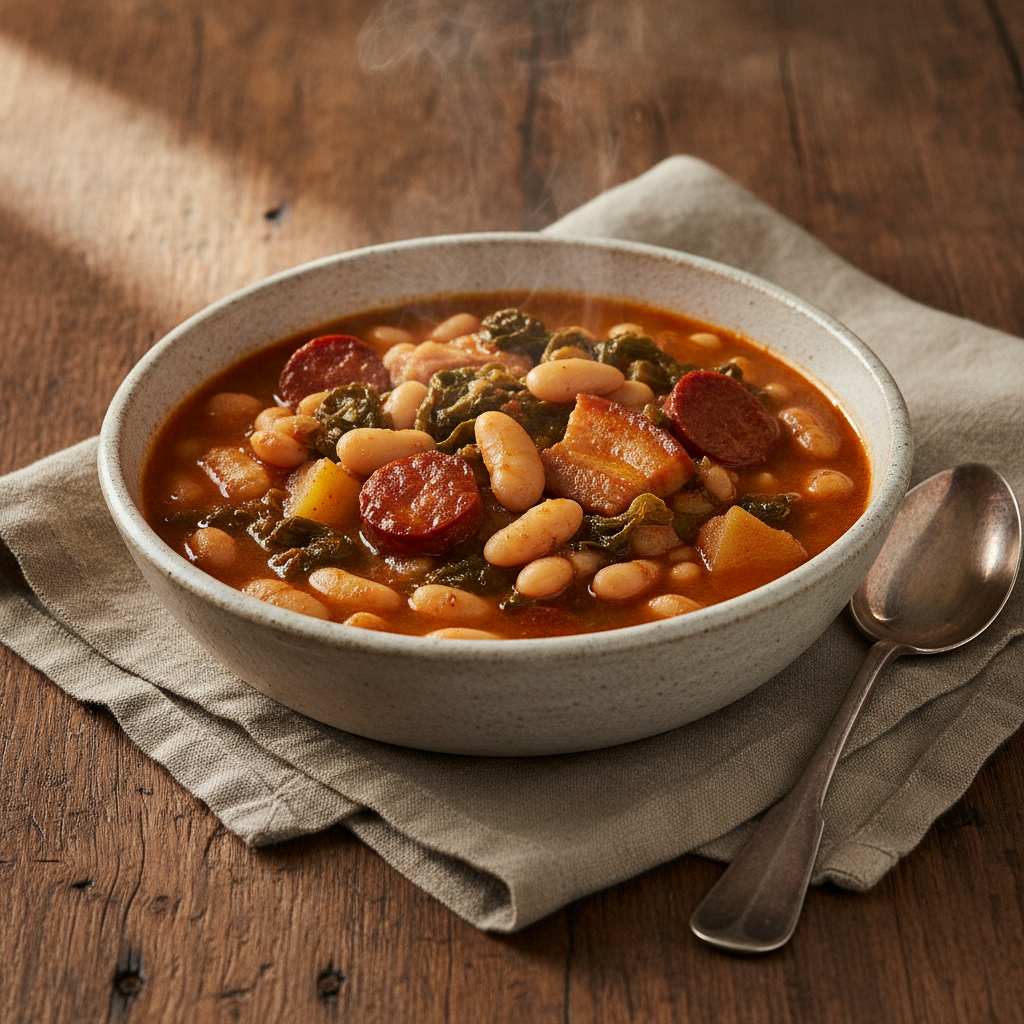
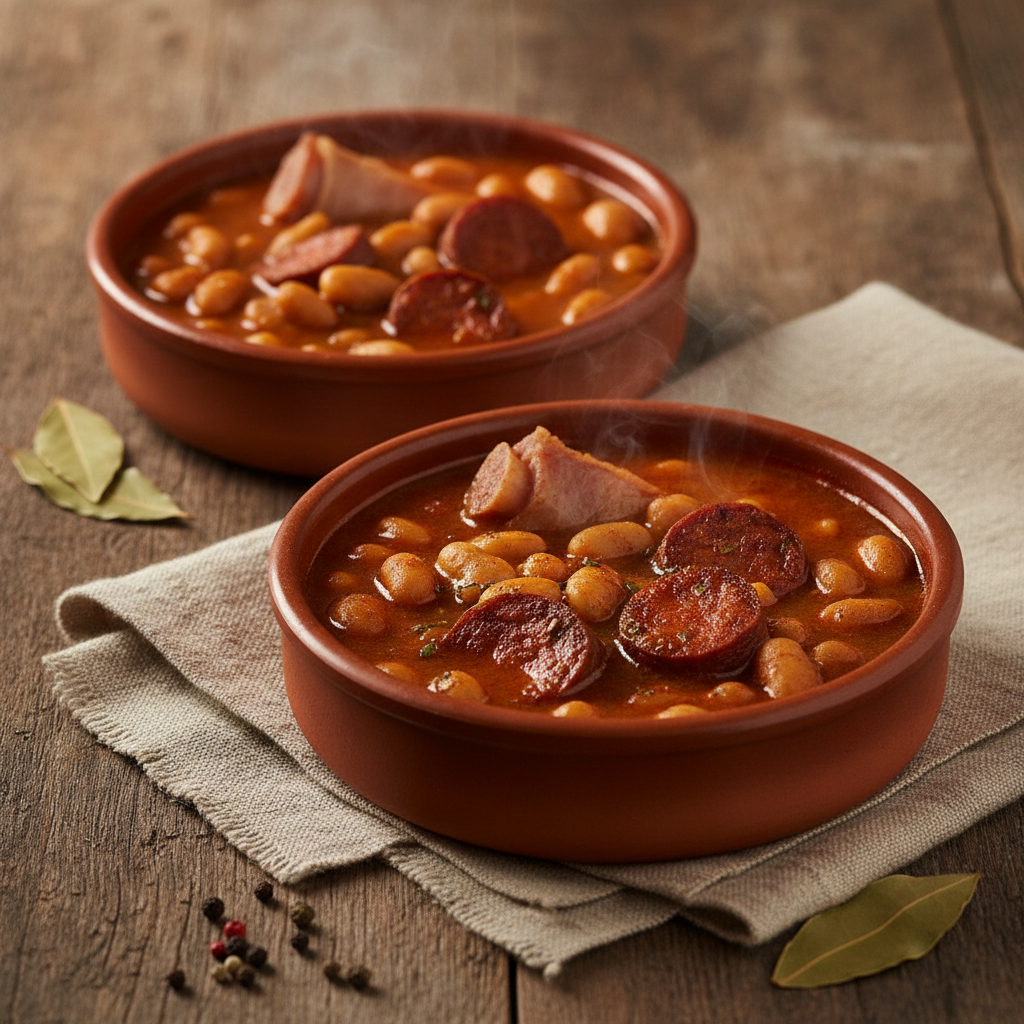
Fabada asturiana is northern Spain in a pot: giant white beans and the compango — chorizo, morcilla, lacón — cooked until the beans are silky and the pork fat has dissolved into the broth.

Torrijas are the Spanish Semana Santa dessert — stale bread soaked in milk and honey, fried golden, and dusted with cinnamon sugar.

The tarta de Santiago is Galicia's almond cake — dense, moist, and naturally gluten-free — marked with the cross of Saint James in icing sugar.

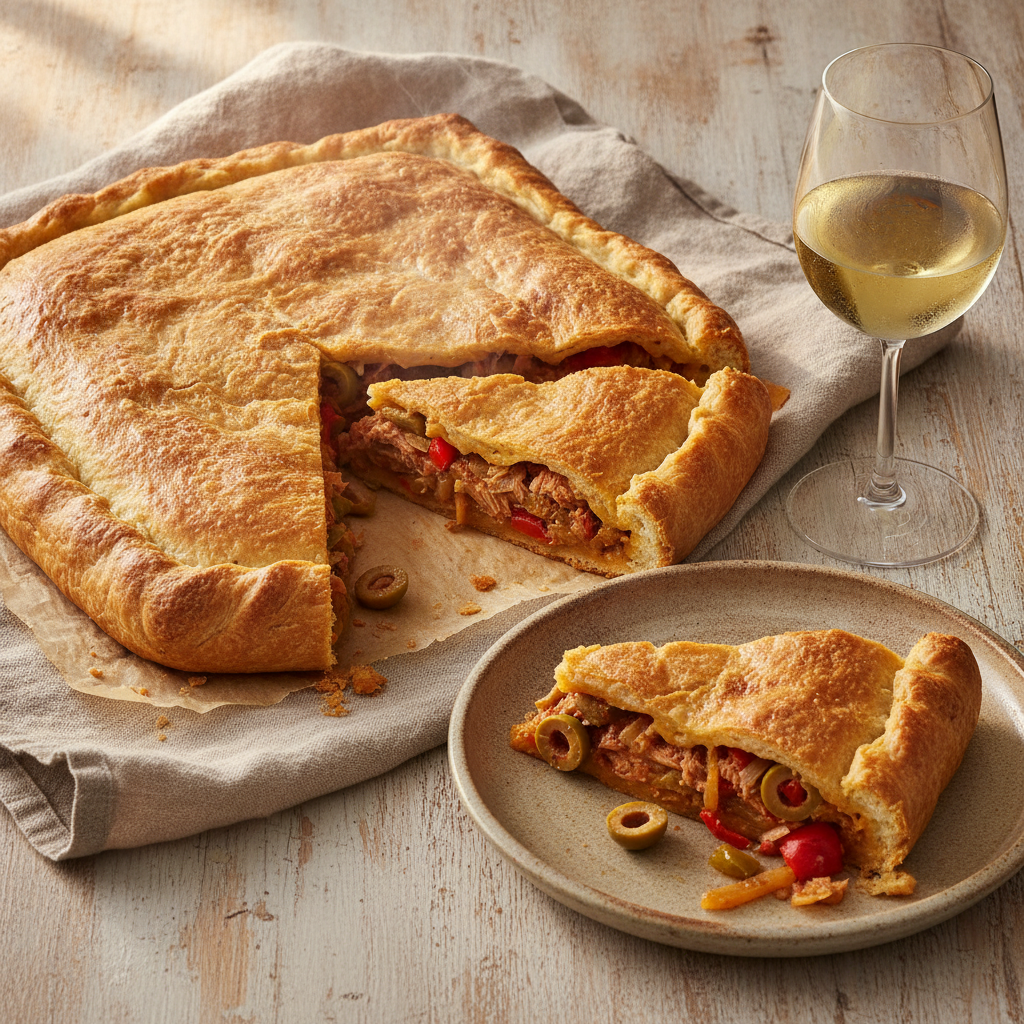
Marmitako is the Basque tuna and potato stew that fishermen made on board — bonito del norte, potatoes, and peppers in a thick, pimenton-red broth.

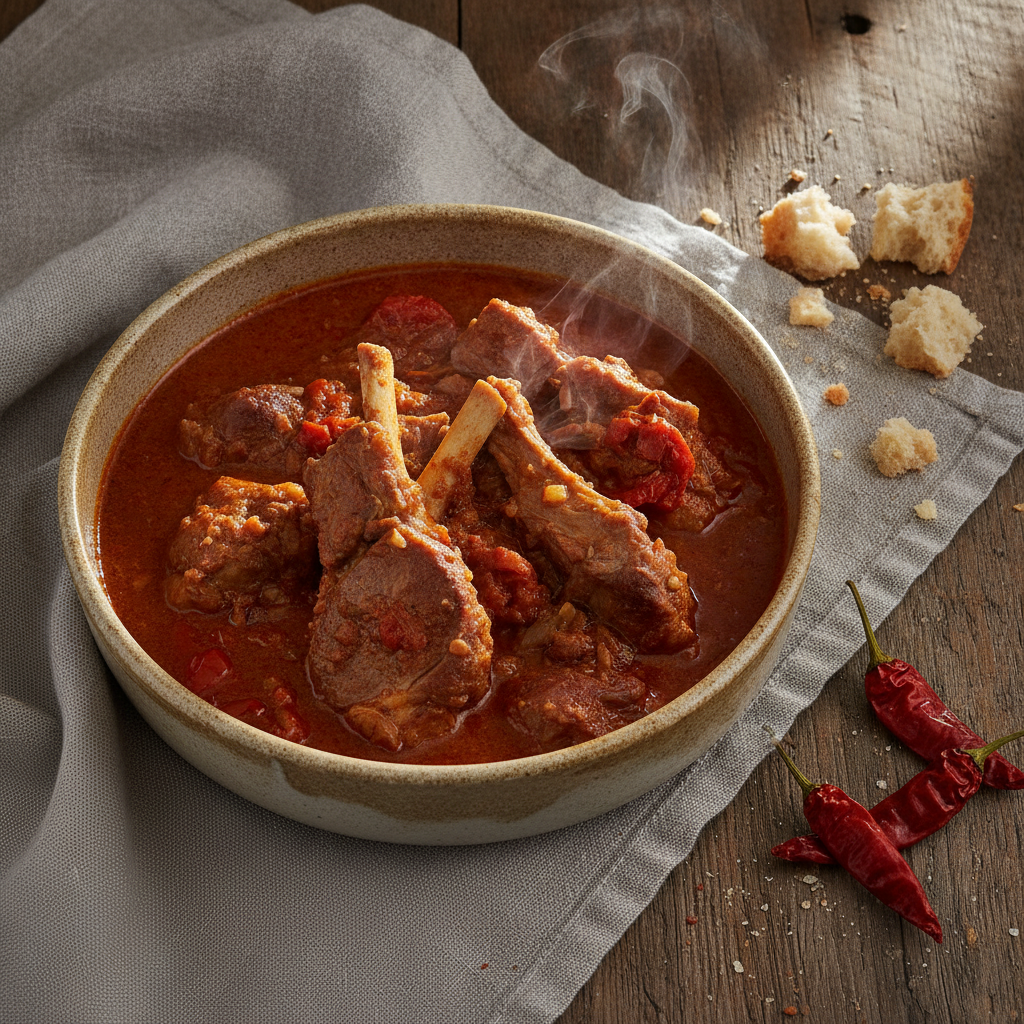
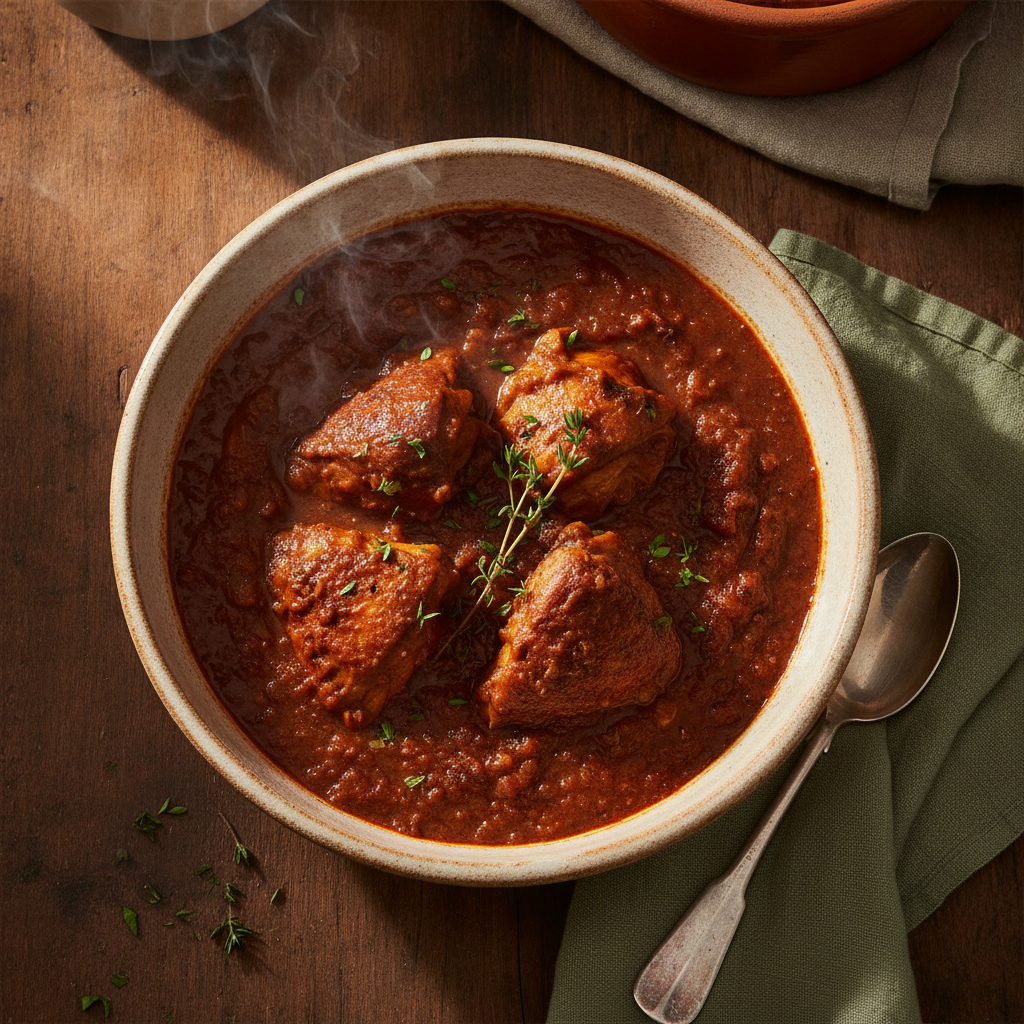
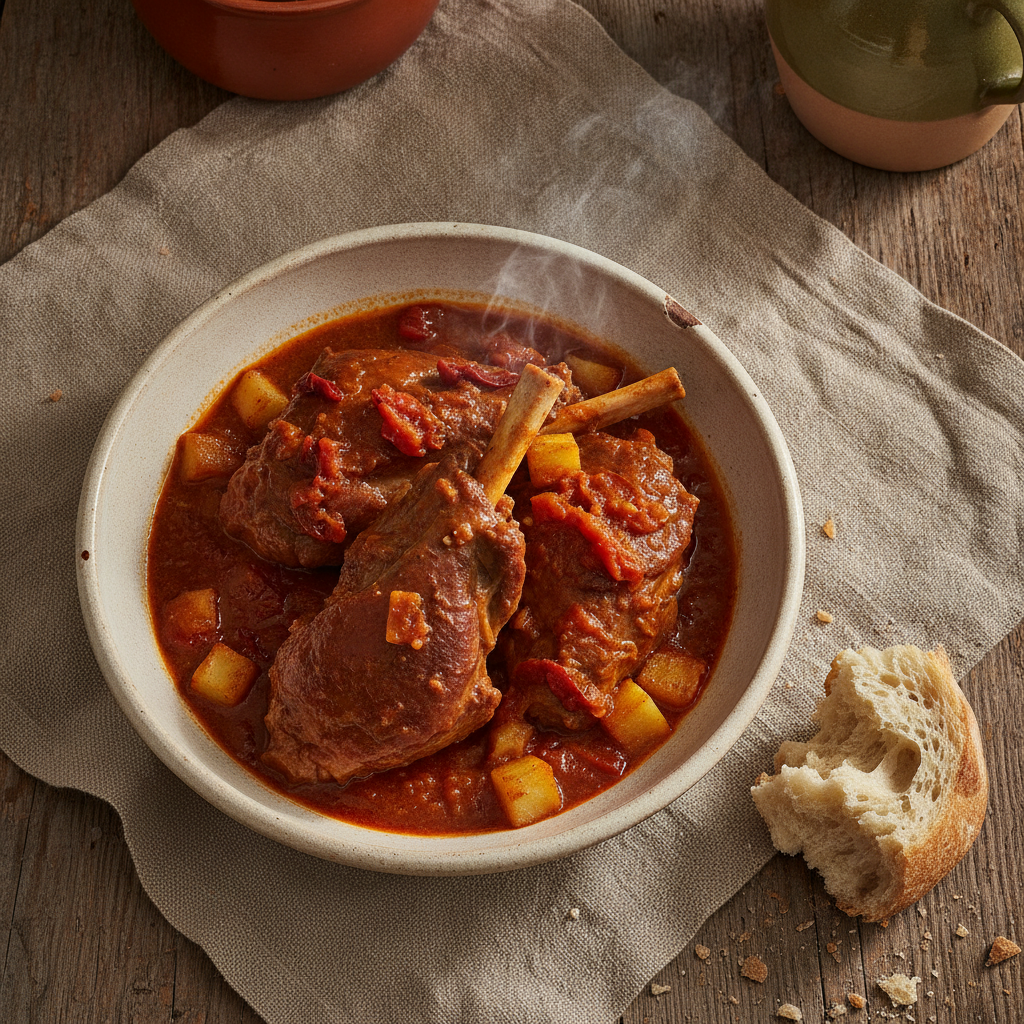
Rabo de toro — braised oxtail — is Córdoba and Seville on a plate: gelatinous, wine-dark, and best eaten with fried potatoes to catch the sauce.

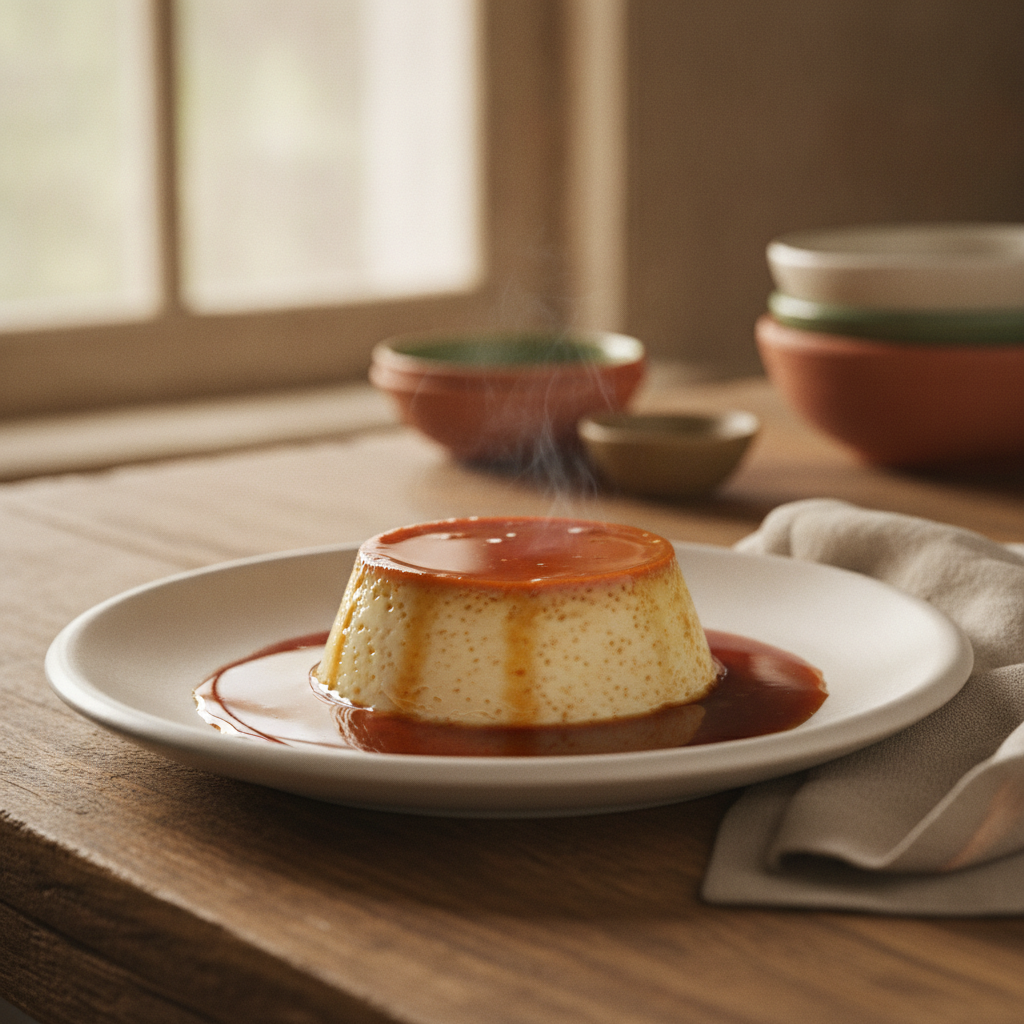
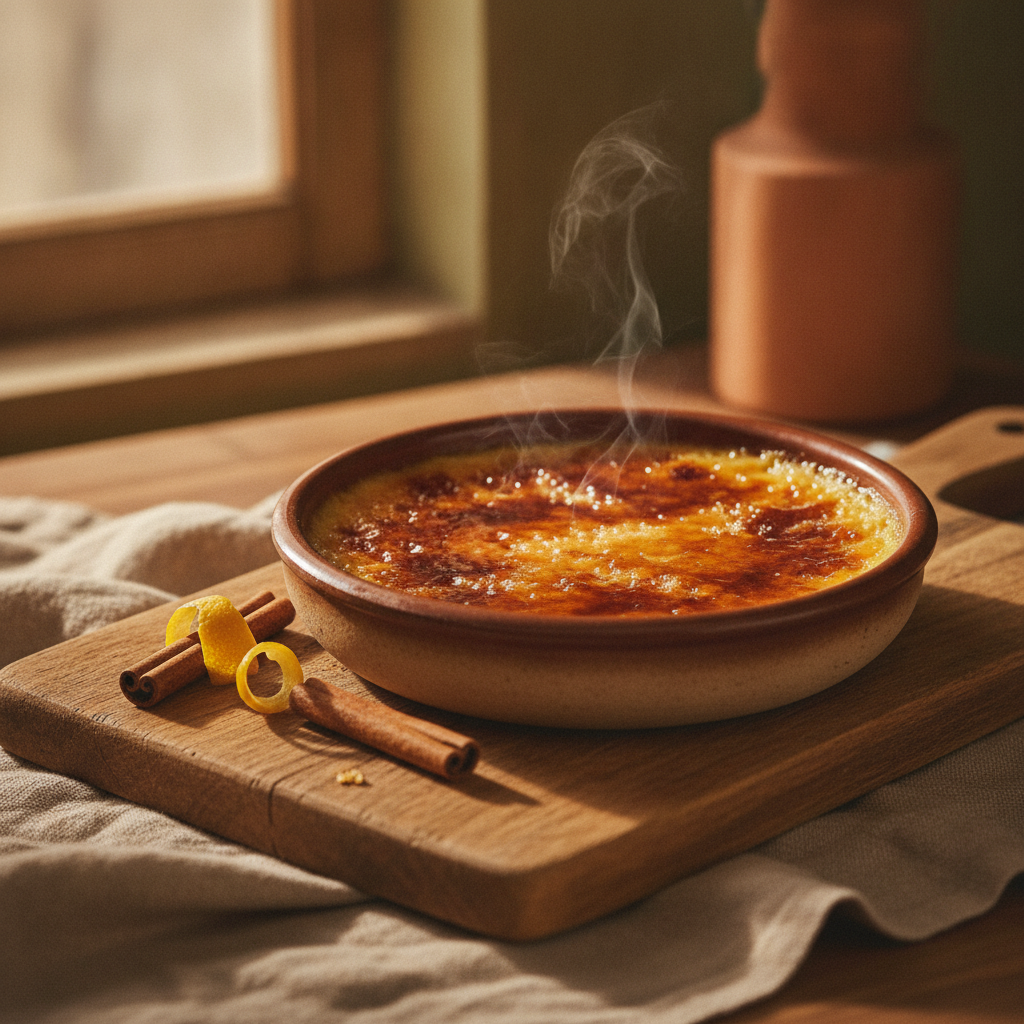
Crema catalana predates the French crème brûlée by at least two centuries and has one distinguishing feature: it is cooked on the stove, not baked in a water bath.

Fideuà is what happens when paella meets short pasta: toasted noodles cooked in the same sofrito-saffron stock, finished with aioli that melts into the grains.

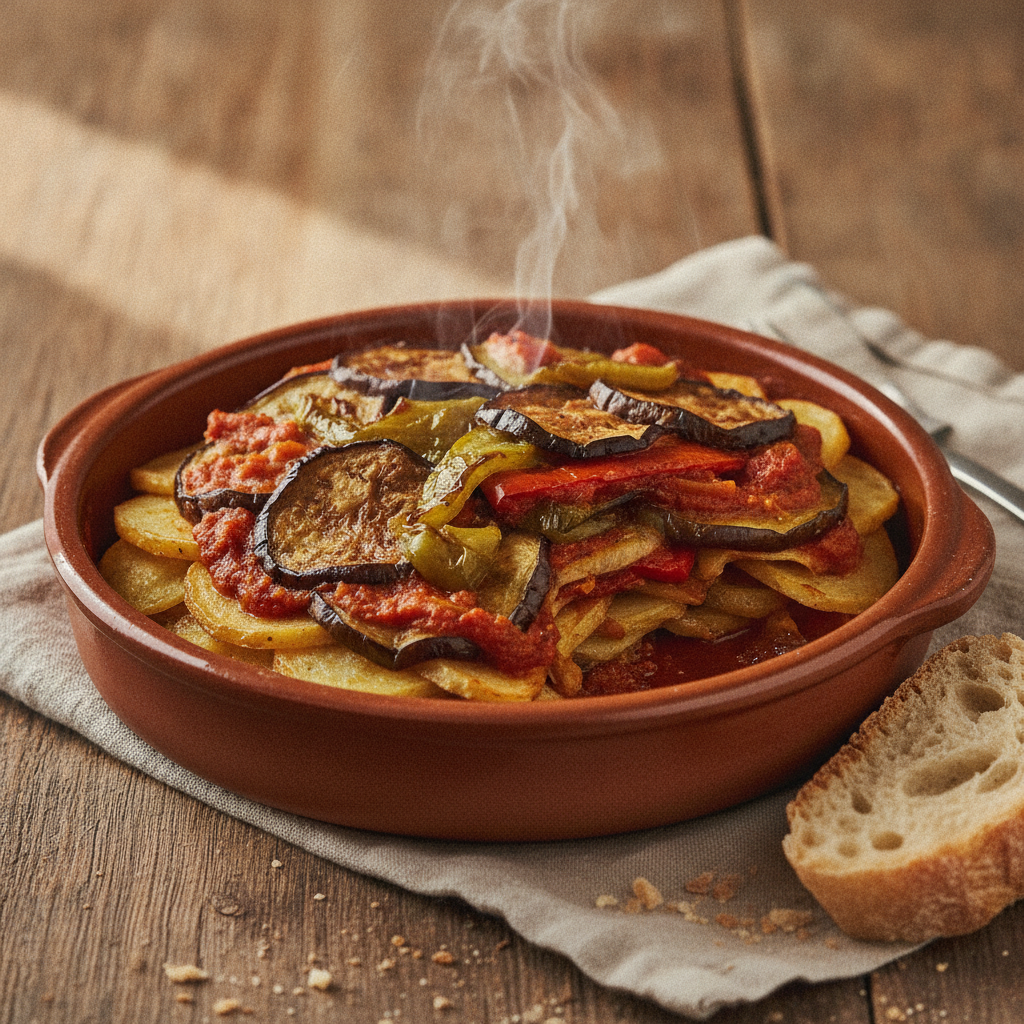
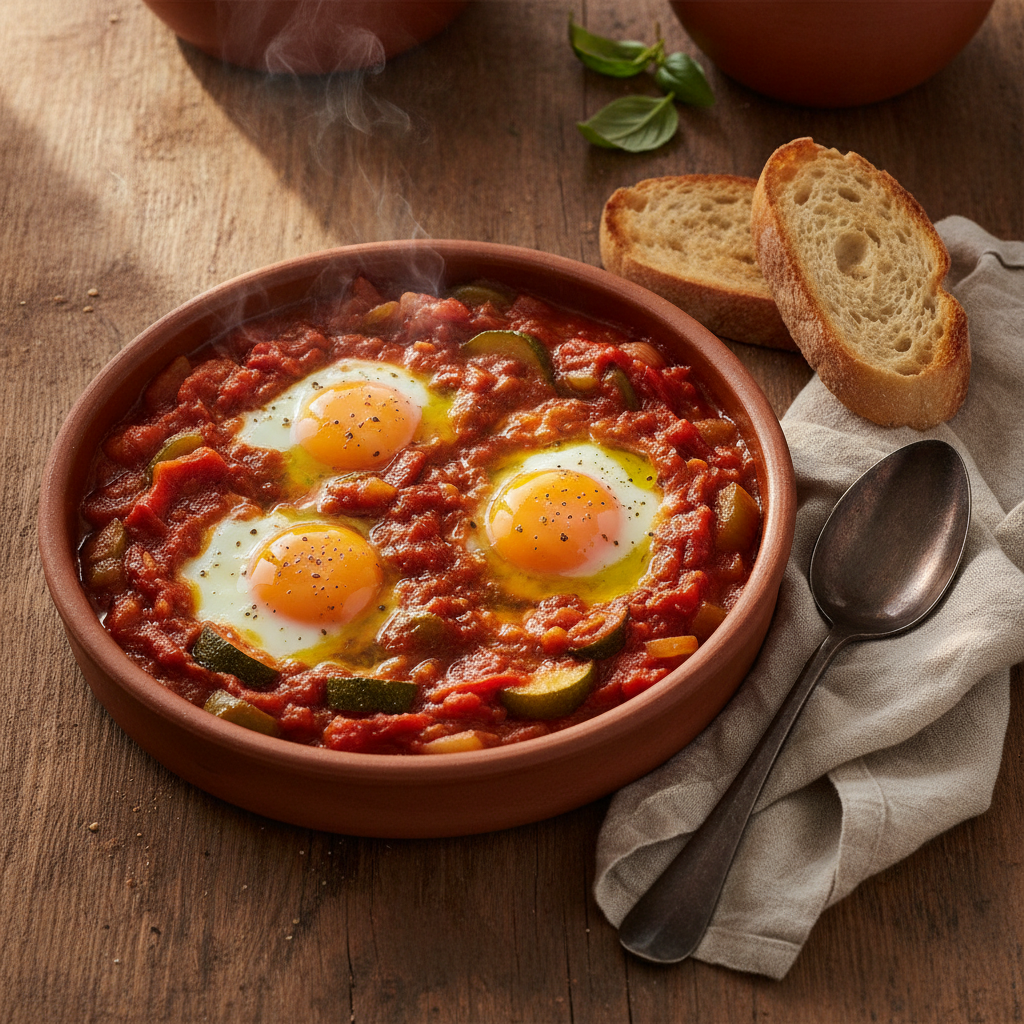
Pisto manchego is La Mancha's vegetable stew — closer to a concentrated, slow-cooked purée than to French ratatouille, darker and richer, eaten with fried eggs on top or scooped onto bread.

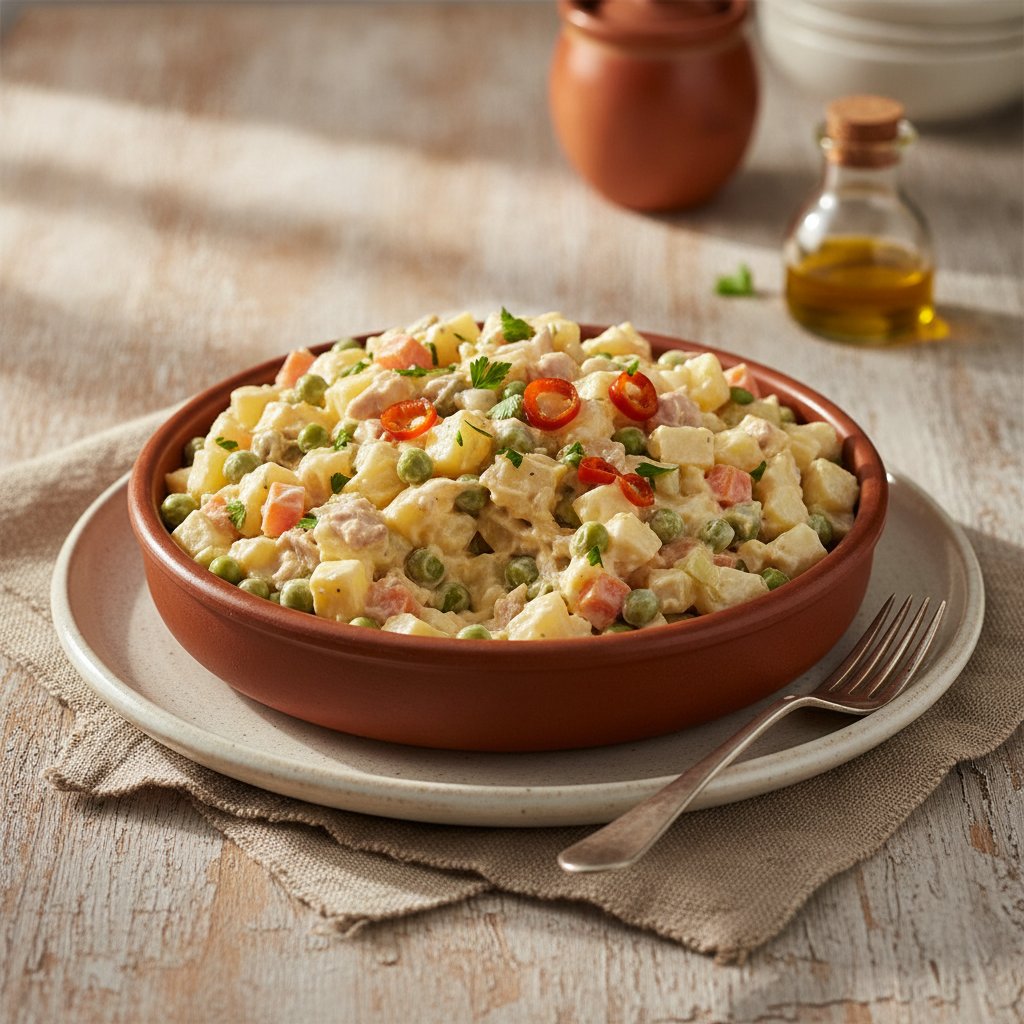
Ensaladilla rusa is the most popular tapa in Spain — potato salad with tuna, olives, and an extraordinarily generous amount of mayonnaise.

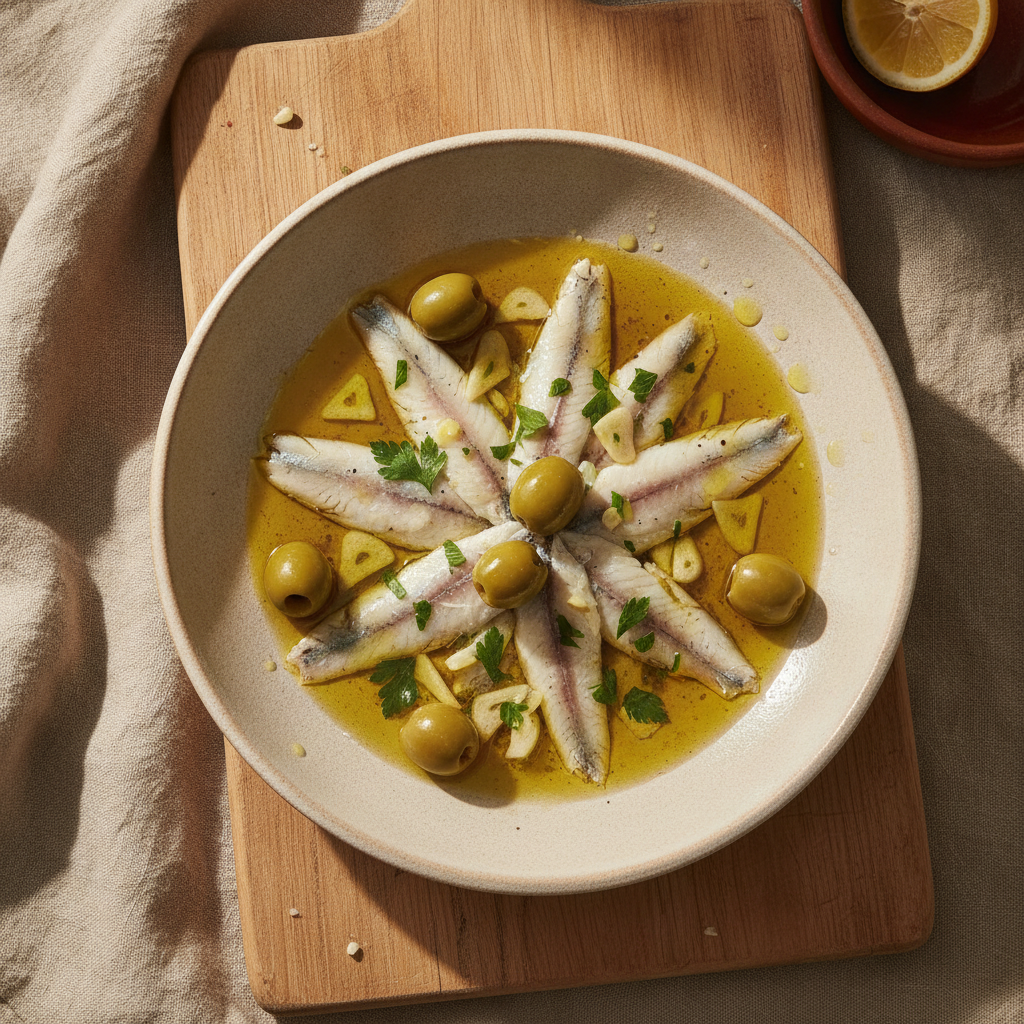
Boquerones en vinagre are fresh anchovies cured overnight in white wine vinegar until the flesh turns white, then dressed simply with olive oil and garlic.

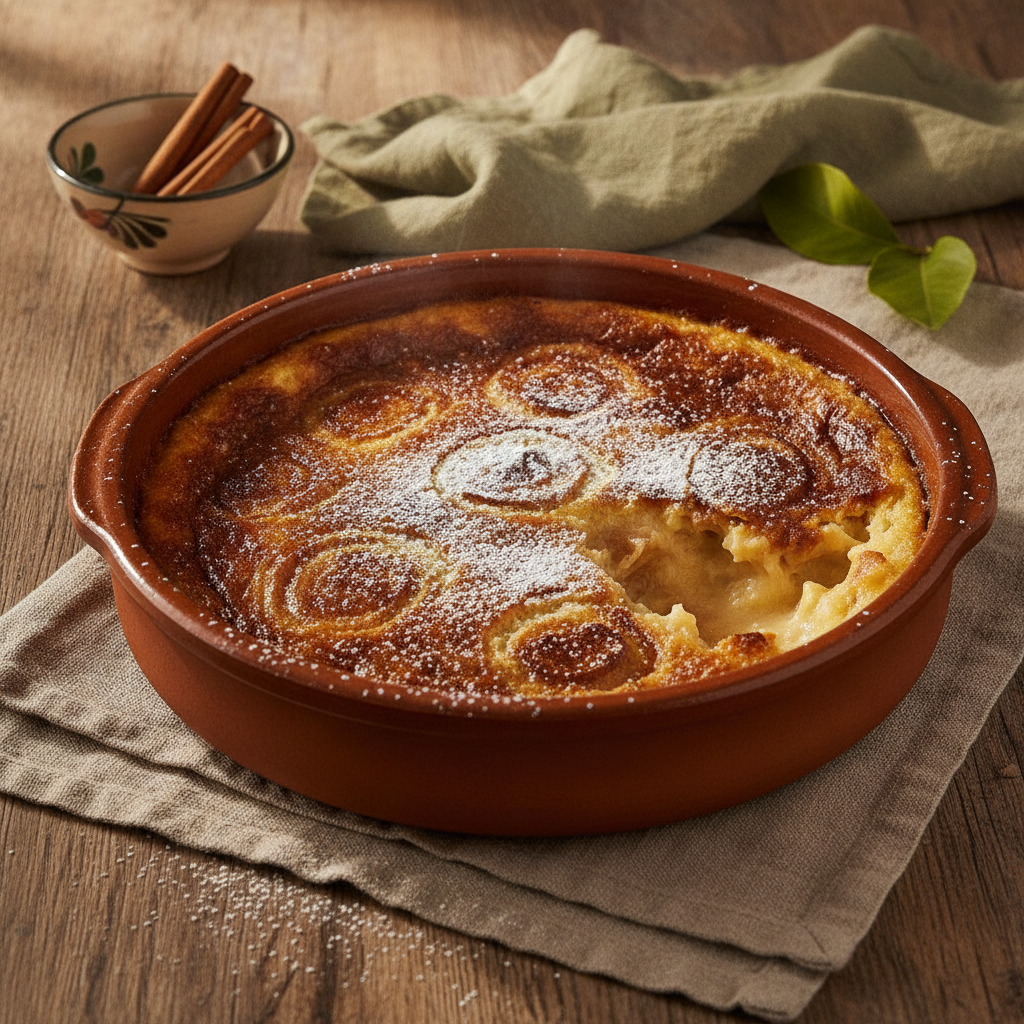
Arroz con leche is the Spanish rice pudding — cooked entirely in milk with cinnamon and lemon, finished with a dusting of ground cinnamon on top.

Natillas are the everyday Spanish custard — thinner and more delicate than crema catalana, served cold with a María biscuit pressed into the top.

Arroz a banda is Alicante's fisherman rice — named for the fact that the fish and rice are served separately — cooked in a stock made from the same fish that will be served alongside it.

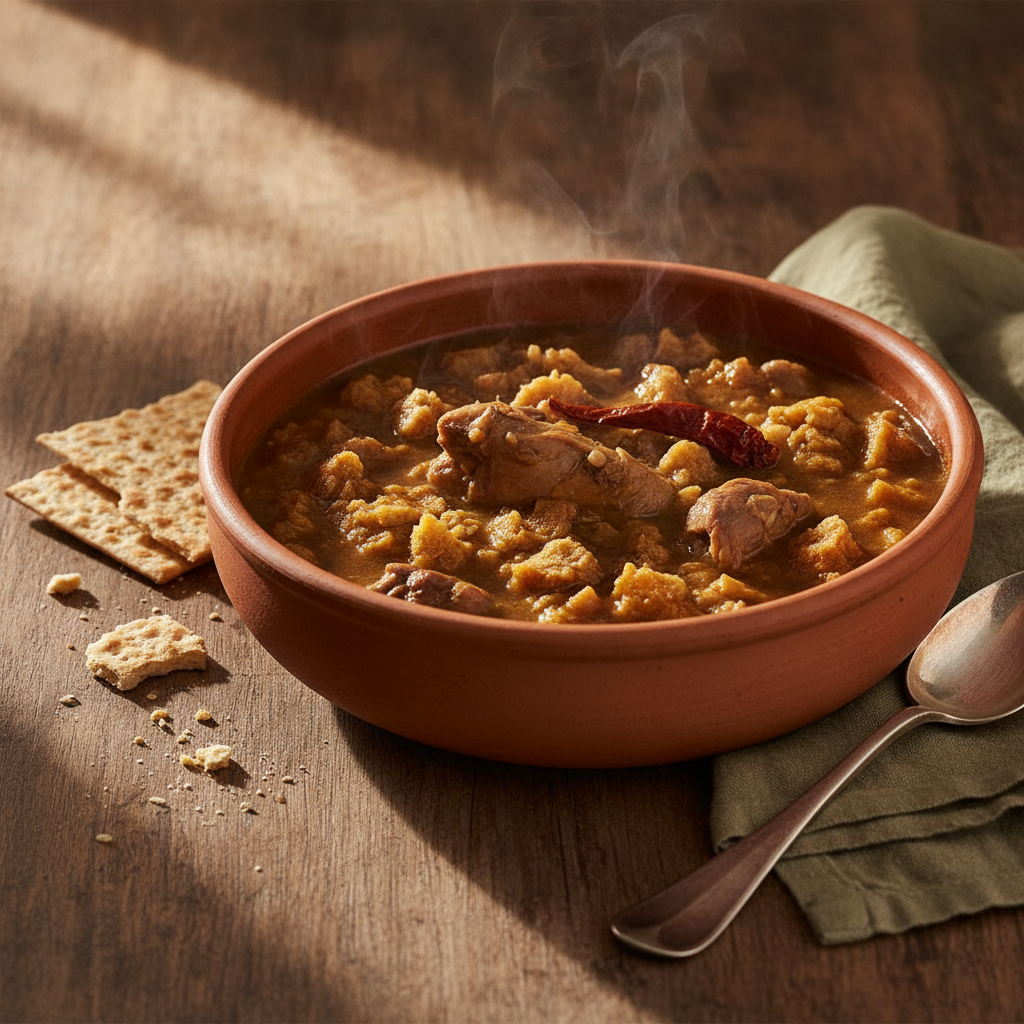
Callos a la madrileña is Madrid's most unapologetic dish — tripe with morcilla, chorizo, and jamón in a pimenton and tomato stew that is richer than it has any right to be.

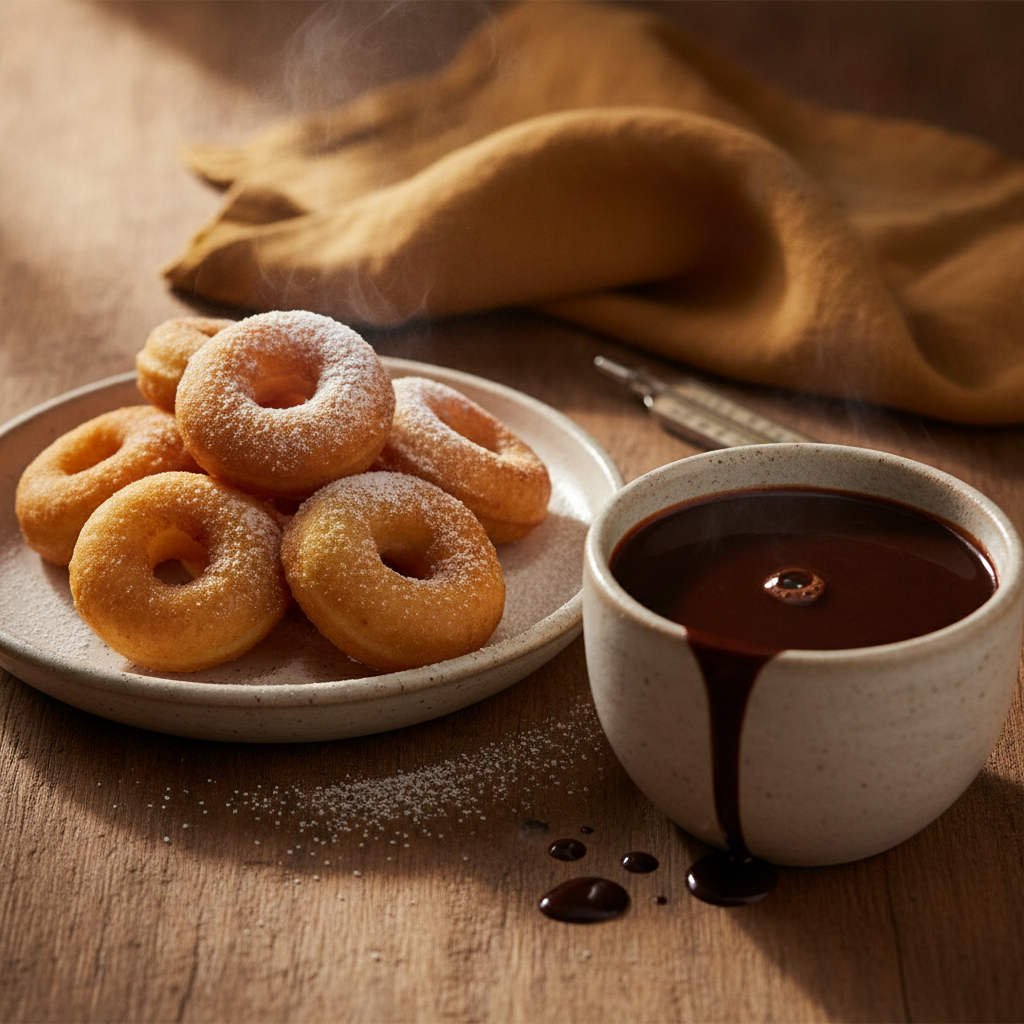
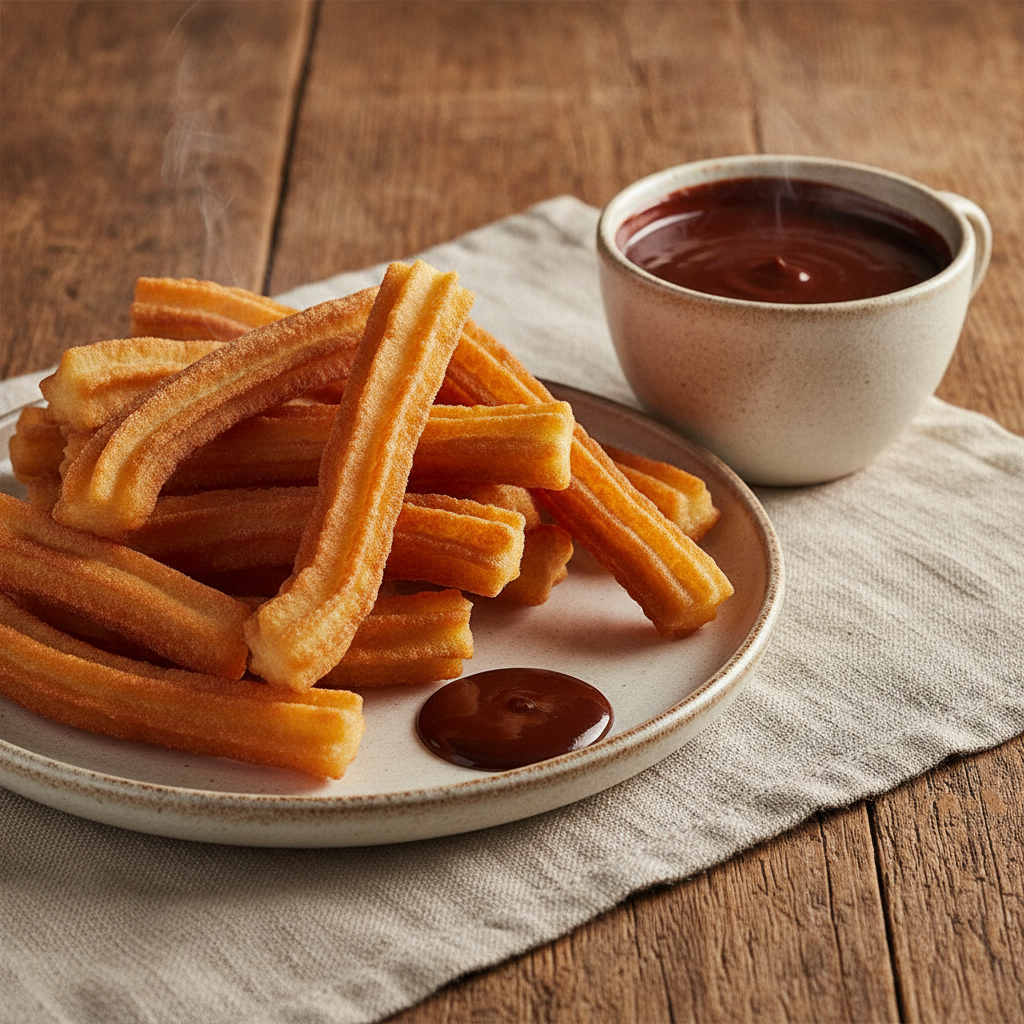
Churros eaten at a churrería at 2am or 9am — these are the canonical ones: plain dough, olive oil, and a thick drinking chocolate that is more paste than liquid.

Pestiños are the fried Andalusian pastry of Holy Week and Christmas — infused with anise and sesame, fried until blistered, and dipped in warm honey.

Brazo de gitano is Spain's Swiss roll — a thin génoise sponge rolled around whipped cream and dusted with icing sugar.

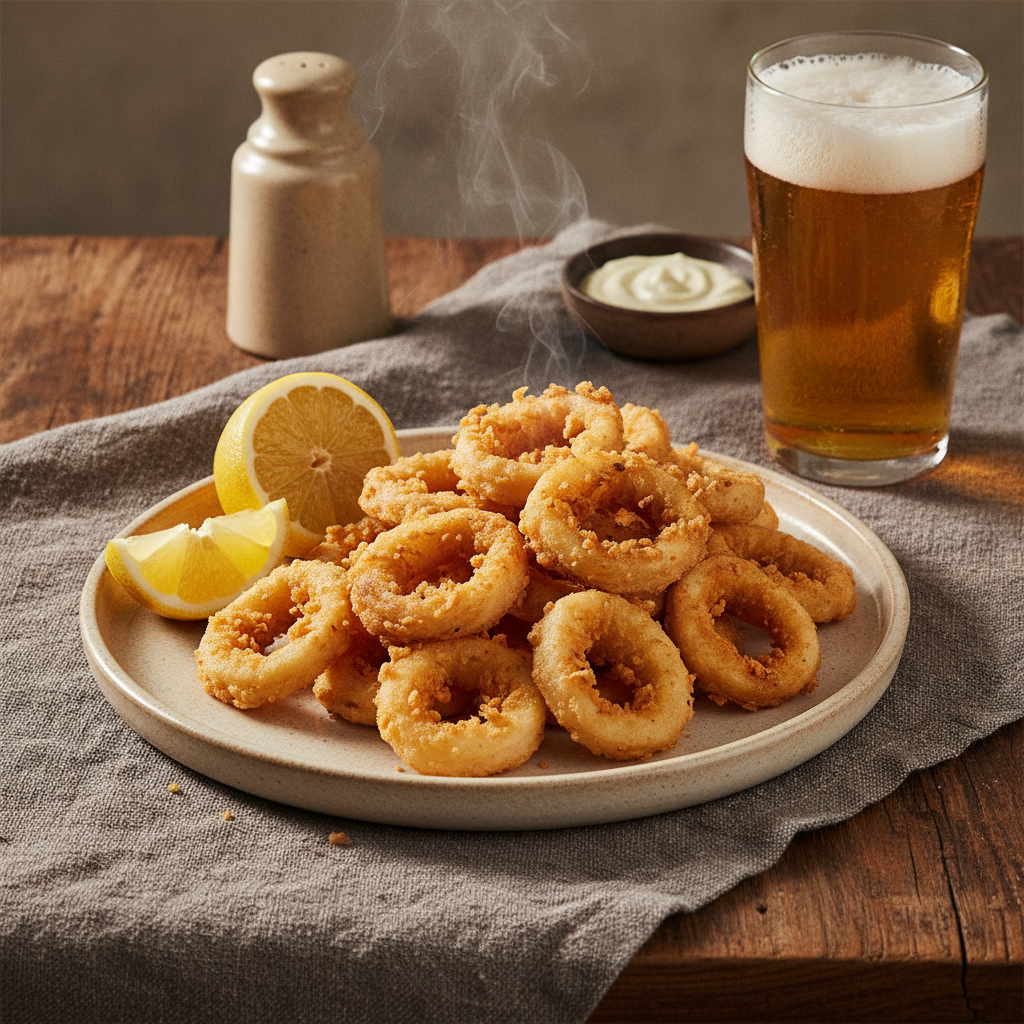
Gambas a la plancha is the simplest of Spanish seafood tapas — large prawns slapped onto a screaming-hot flat iron, cooked for two minutes, and eaten immediately with coarse salt.

Lacón con grelos is Galicia's Carnival dish — cured pork shoulder, turnip tops, potatoes, and chorizo, boiled together and served in a pile with olive oil.

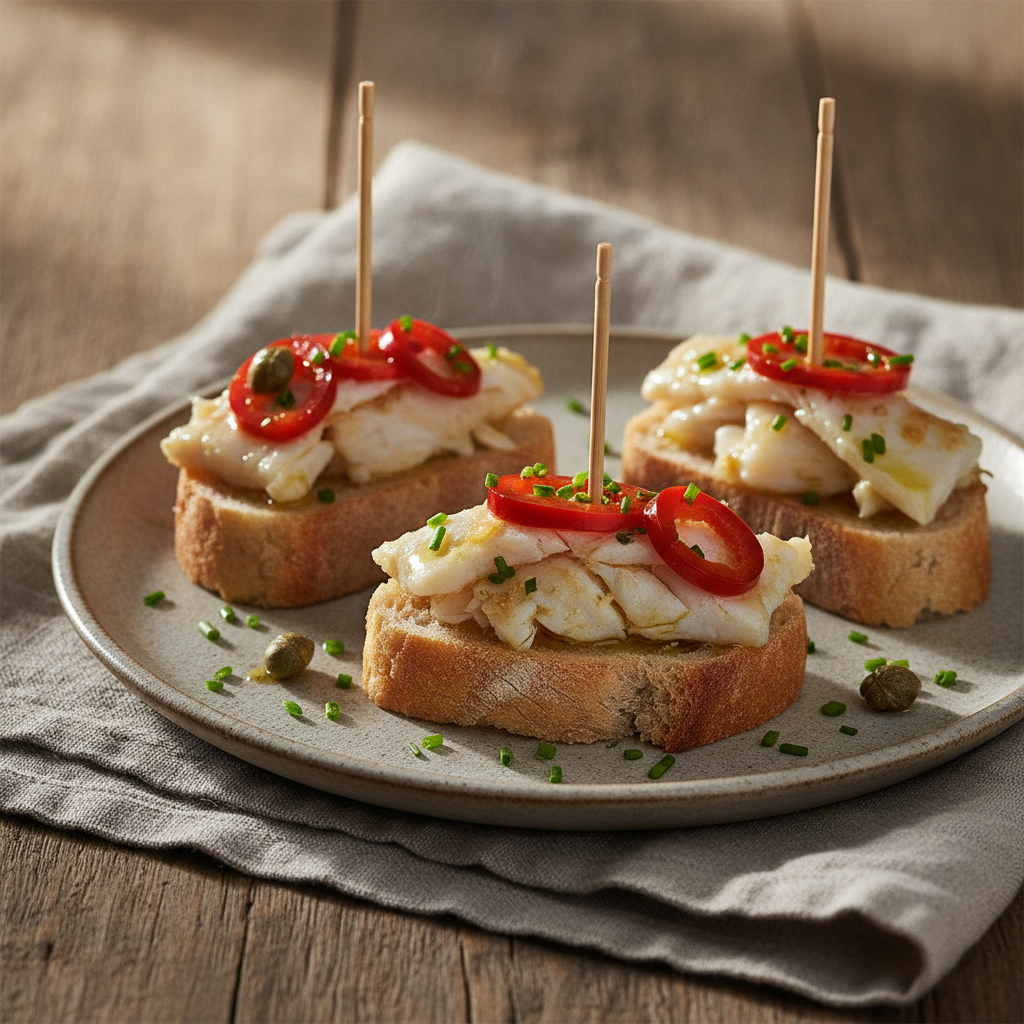
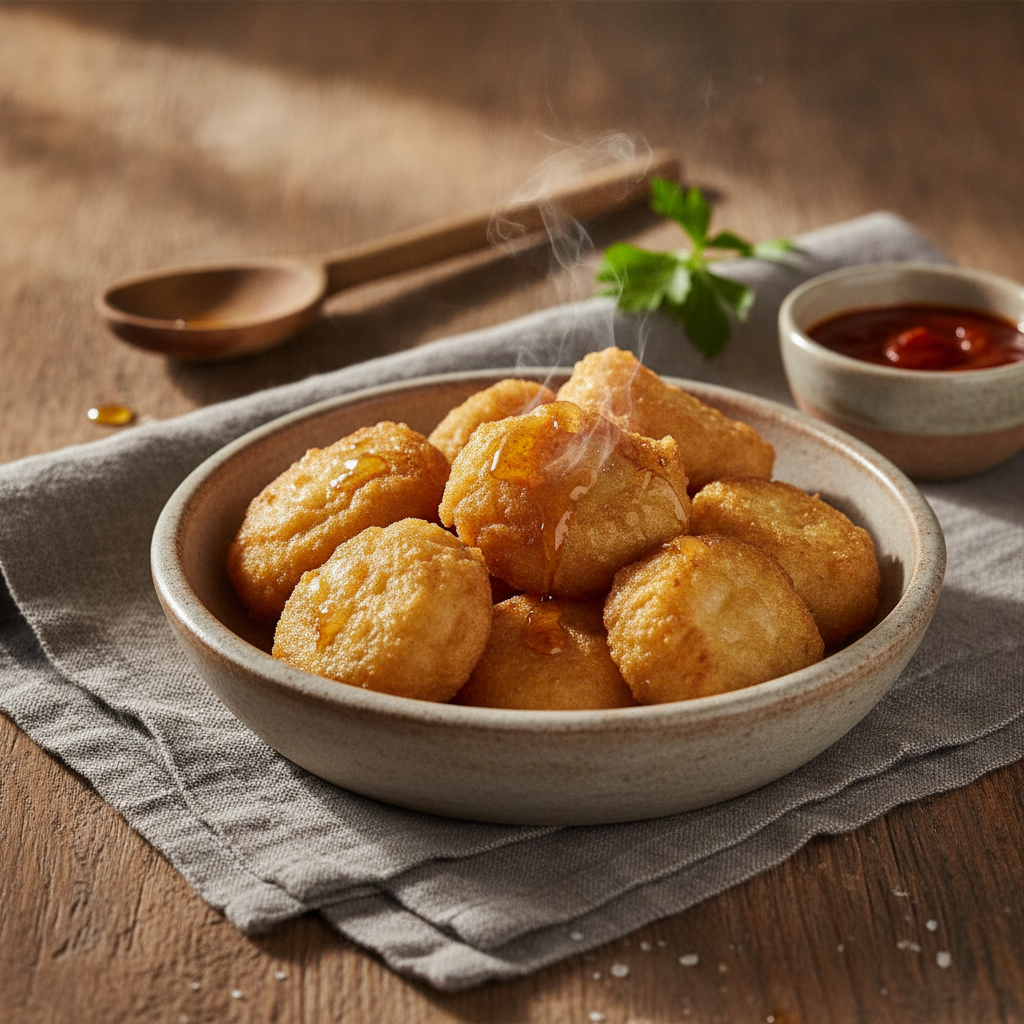
Pintxos de bacalao are the essential Basque bar snack — desalted salt cod in a light batter or set with piquillo pepper on toasted baguette slices.

Puchero andaluz is Andalusia's Sunday boiled dinner — chickpeas, chicken, pork ribs, vegetables, and morcilla in a broth that becomes soup first, then the main event.

Real aioli is made with garlic, salt, and olive oil and nothing else — no egg, no lemon, no mustard. This is the Catalan and Valencian original, made in a mortar.

Migas is the oldest of Spanish comfort foods: stale bread soaked, fried in olive oil with chorizo and panceta, and served with grapes or melon to cut the fat.

Almejas a la marinera is the quickest elegant tapa in Spanish cooking: clams cooked in white wine and garlic in under 10 minutes, with a sauce that begs for bread.

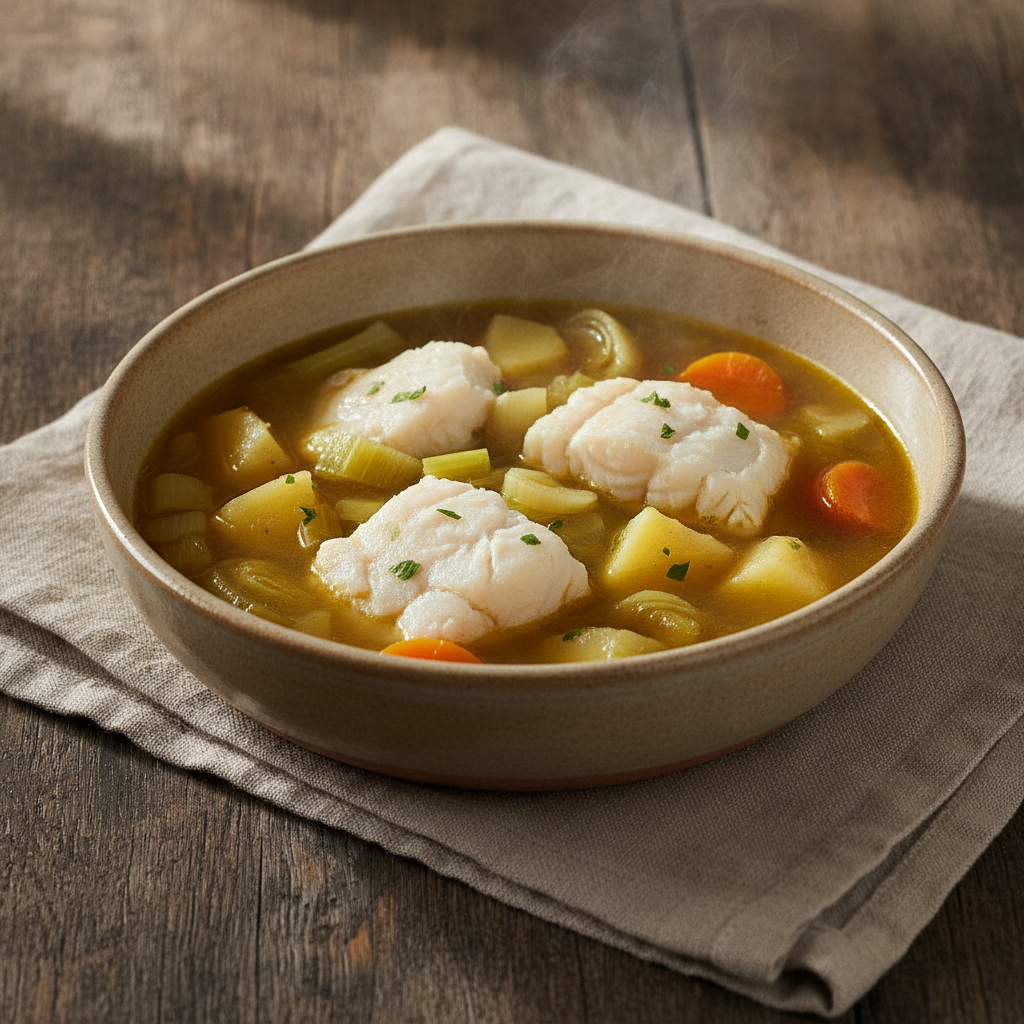
Caldo gallego is Galicia in a bowl: white beans, greens, potato, and salt pork in a clear but deeply flavoured broth.

Menestra de verduras navarresa is a spring vegetable stew from Navarre where each vegetable is cooked separately and only combined at the end — the opposite of a thrown-together spring soup.

Txangurro is the Basque spider crab, gratinéed in its own shell with brandy, tomato, and onion — San Sebastián's most theatrical first course.

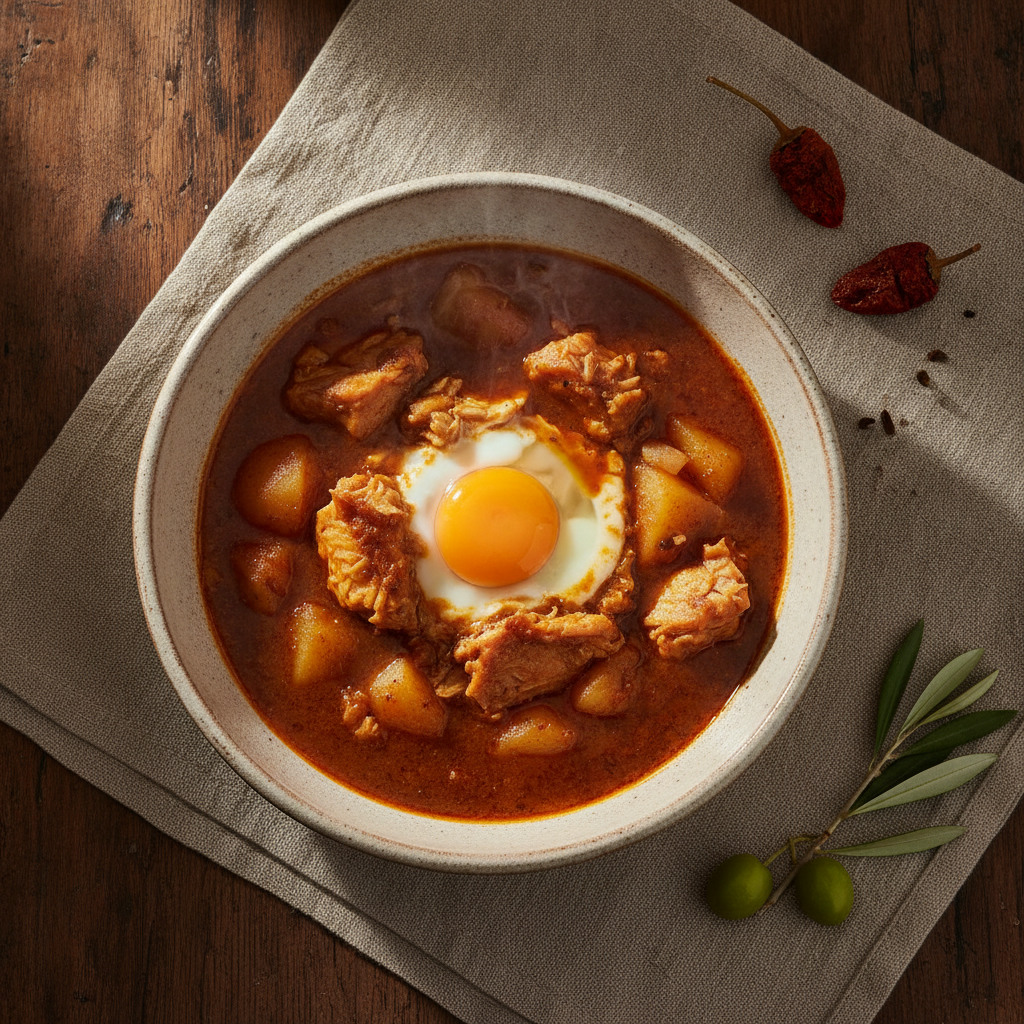
Sopa de ajo is Castile's simplest dish — fried garlic and pimenton, stale bread, stock, and a poached egg — ready in 30 minutes and tasting like it simmered all day.

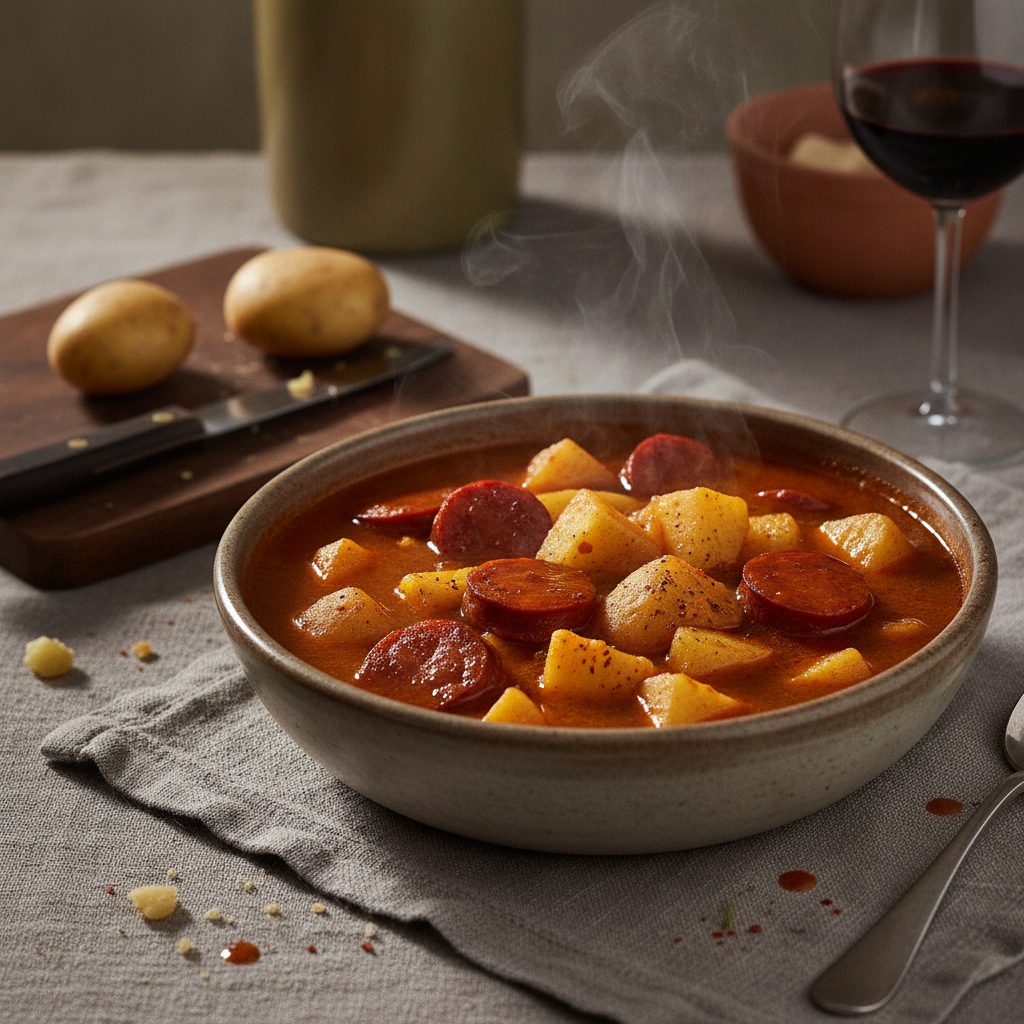
Patatas a la riojana is the stew that put La Rioja on the culinary map before the wine did: potato and chorizo in a pimenton-red broth, thick enough to coat a spoon.

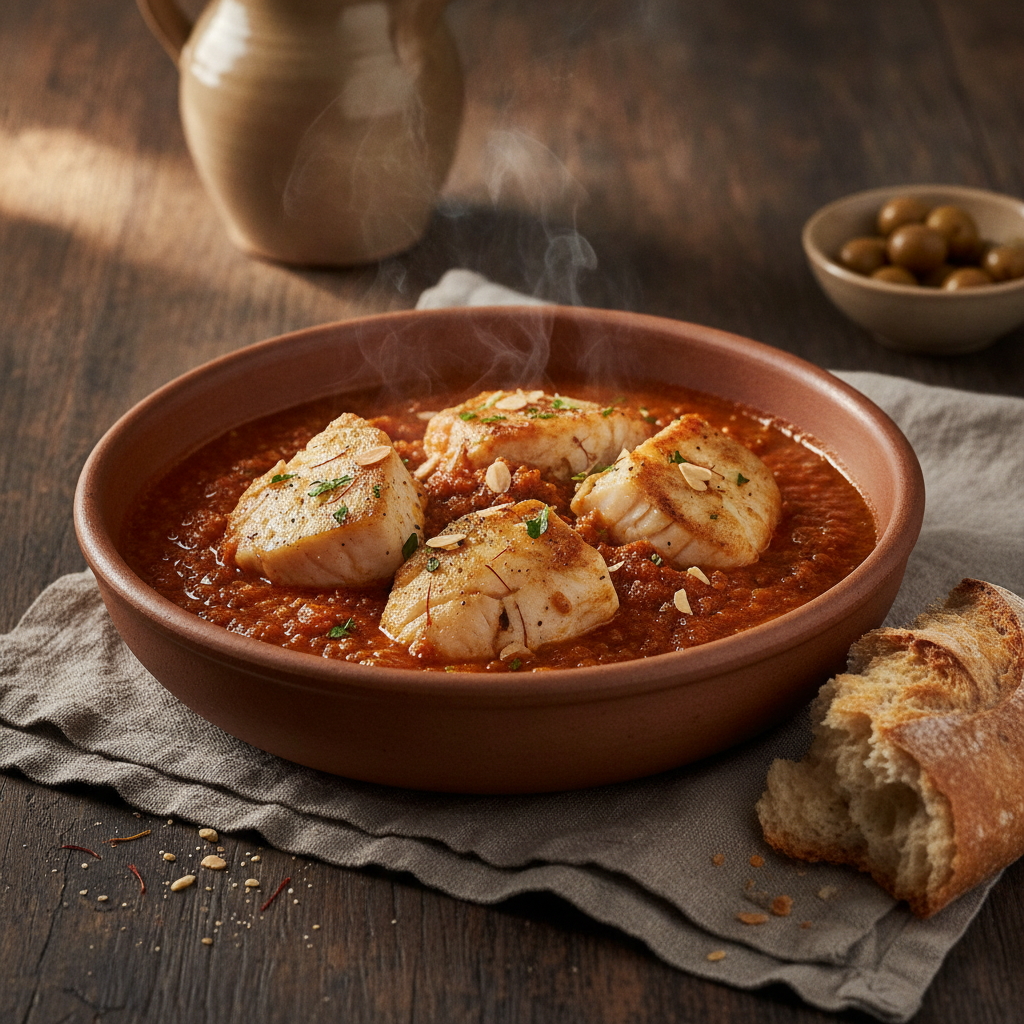
Bacalao a la vizcaína is the centrepiece of Basque cuisine — salt cod in a sauce of rehydrated choricero peppers, slowly cooked to a dense, brick-red paste.
Leche frita — fried milk — is exactly what it says: a thick, chilled milk custard, coated in egg and breadcrumbs and fried until the outside is golden and the inside remains cool.
06 / FAQ · The cook's questions
Bomba or Calasparra — short-grain Spanish varieties that absorb 3× their volume in liquid without going mushy. Arborio works in a pinch but the texture is different. Long-grain or basmati will not work.
No. Spanish chorizo is cured (sliced and eaten cold or added late to a dish) and seasoned with pimentón. Mexican chorizo is fresh ground meat seasoned with chili and vinegar, cooked like sausage. Substituting one for the other ruins both dishes.
Both. Spaniards drink it but mostly in summer or for guests; the everyday cold drink is tinto de verano (red wine + lemon soda). A good sangría uses decent wine, lots of fruit, and rest in the fridge for at least 4 hours.