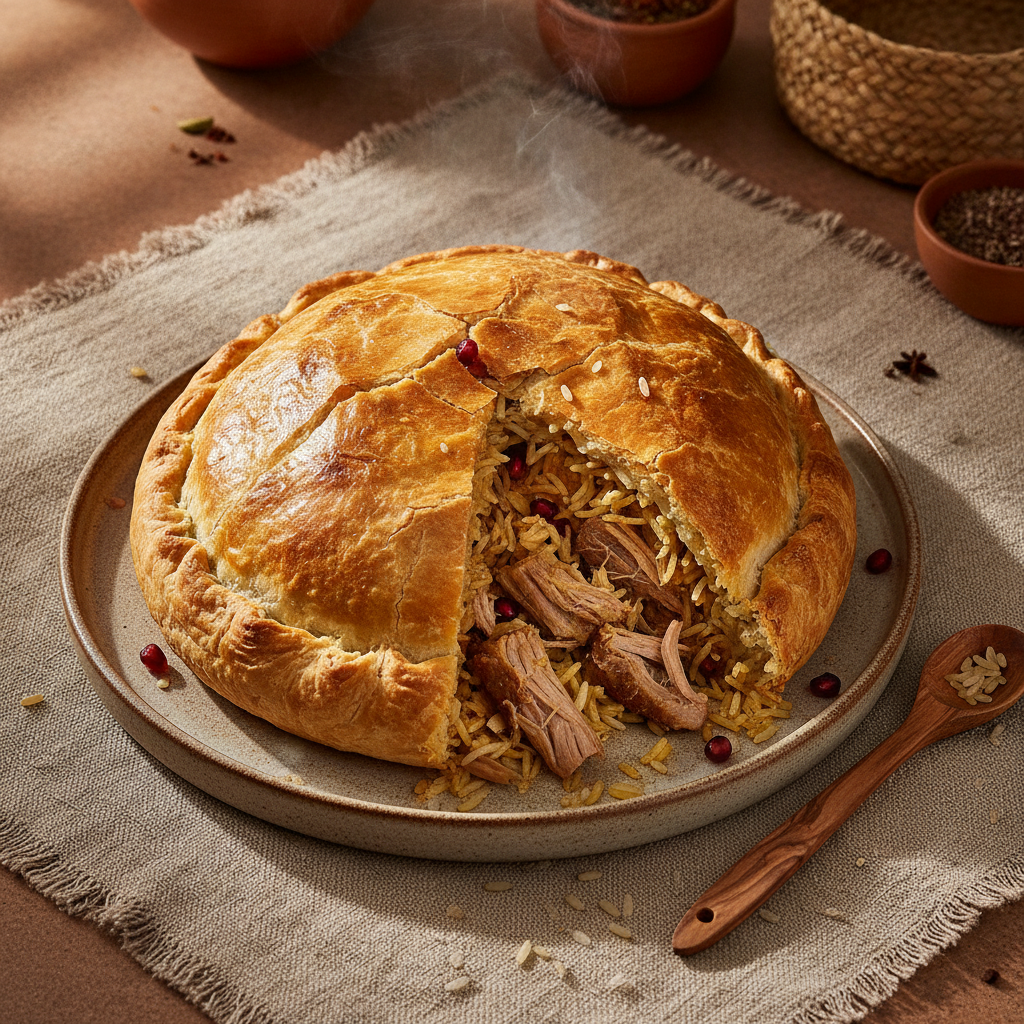
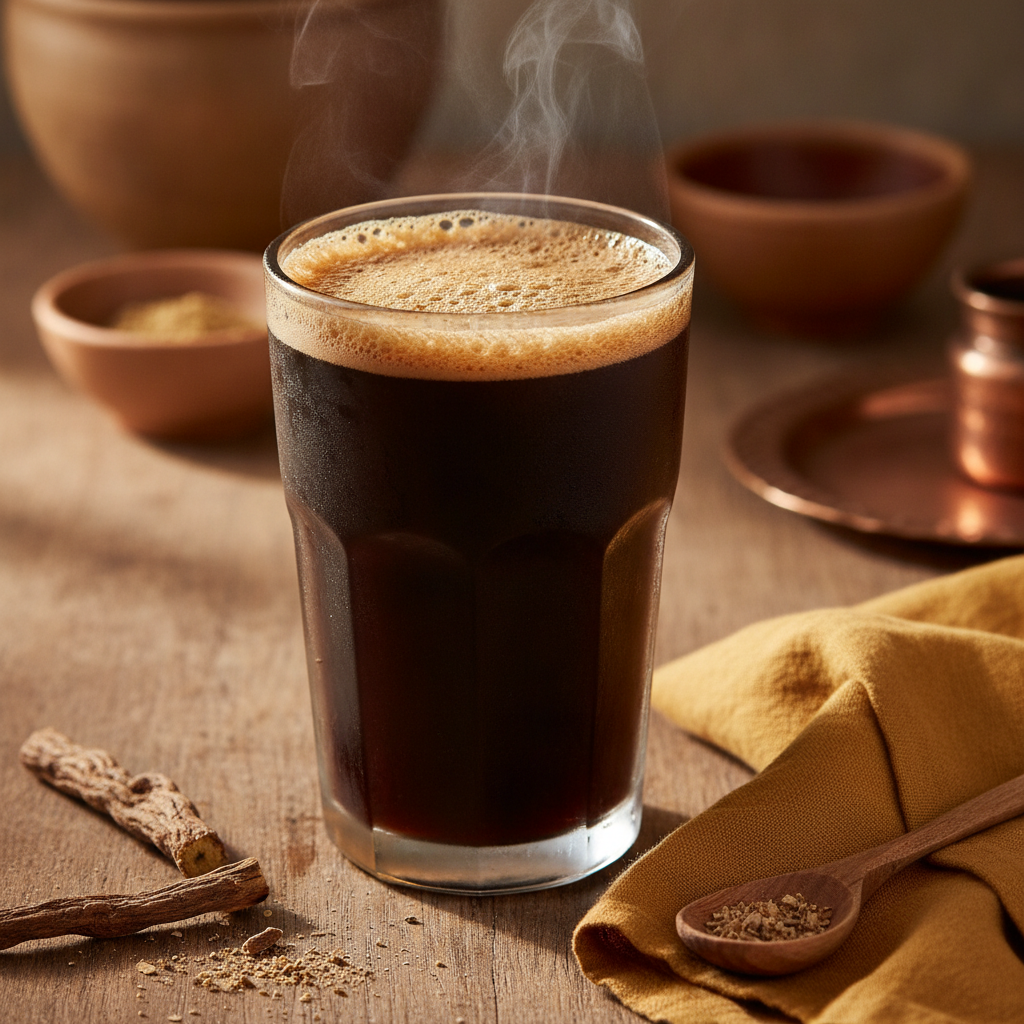
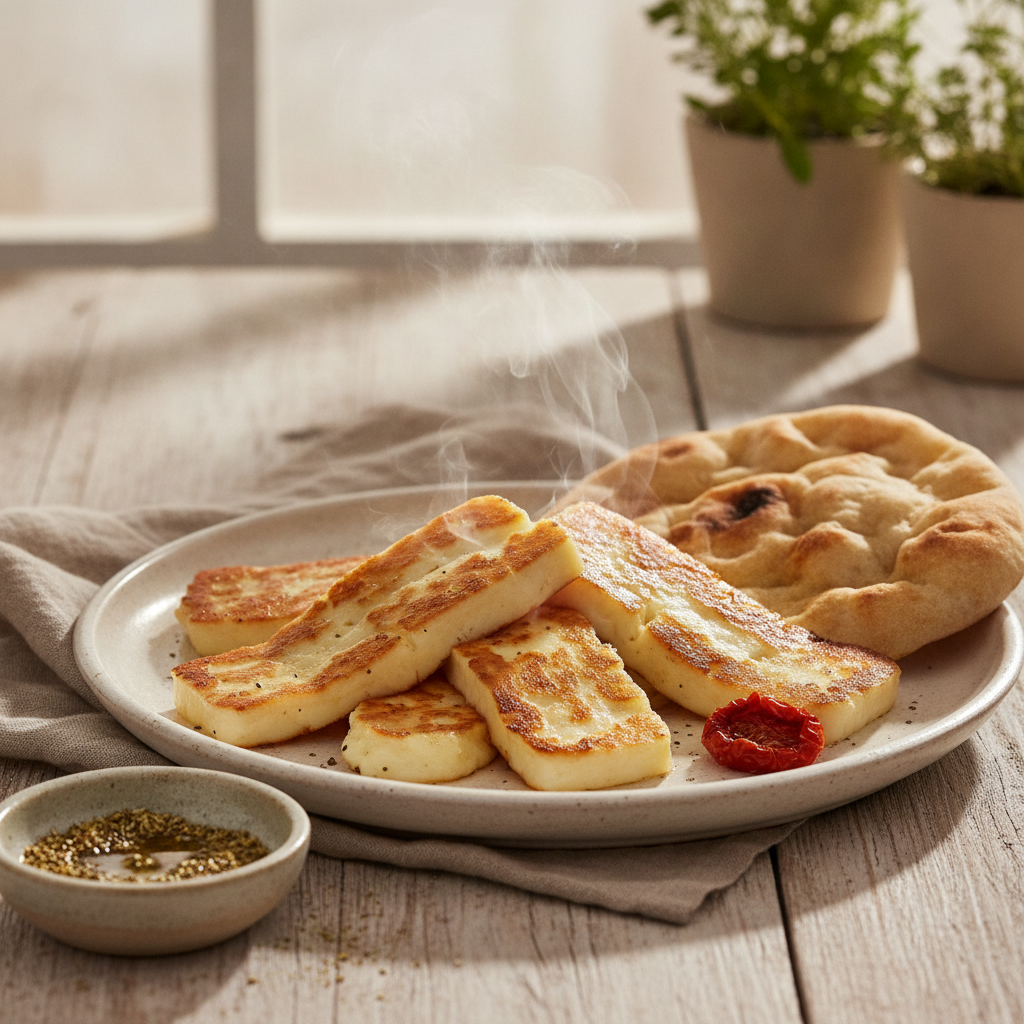
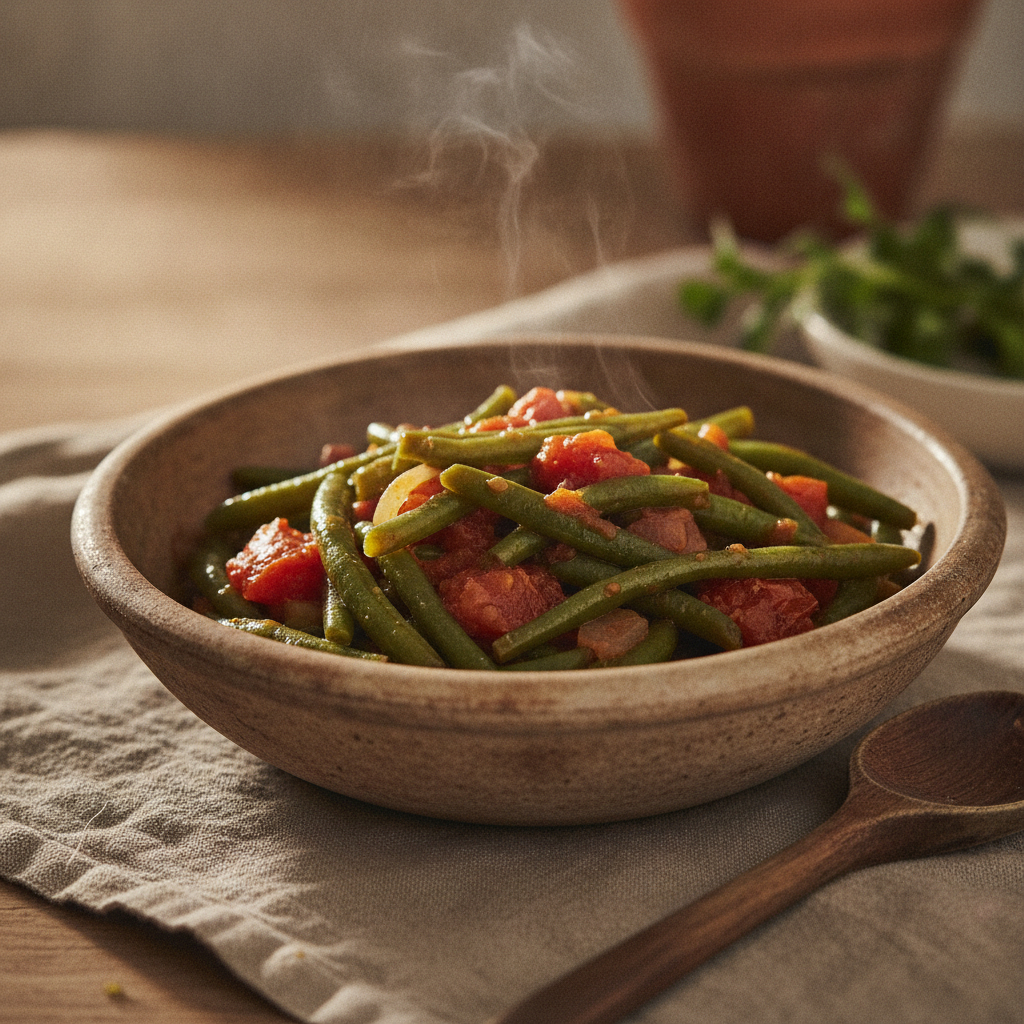
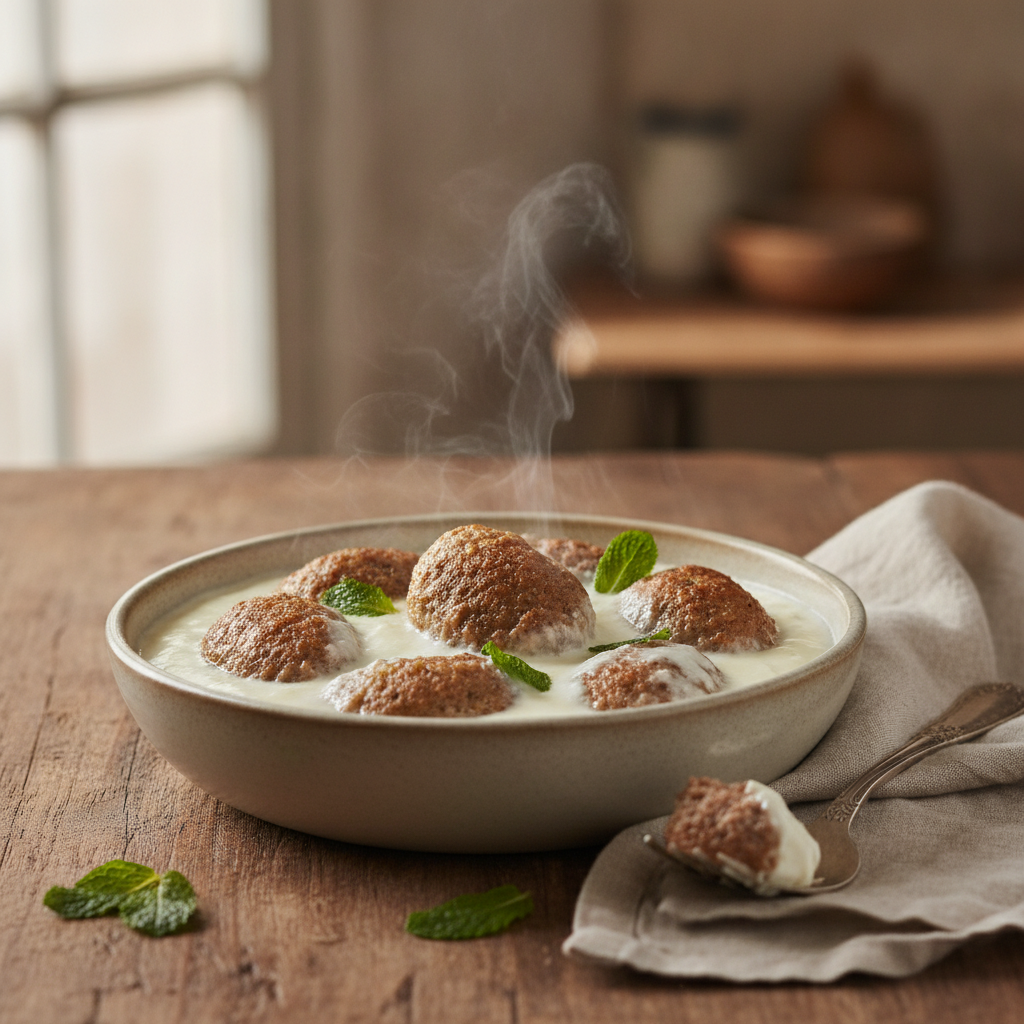
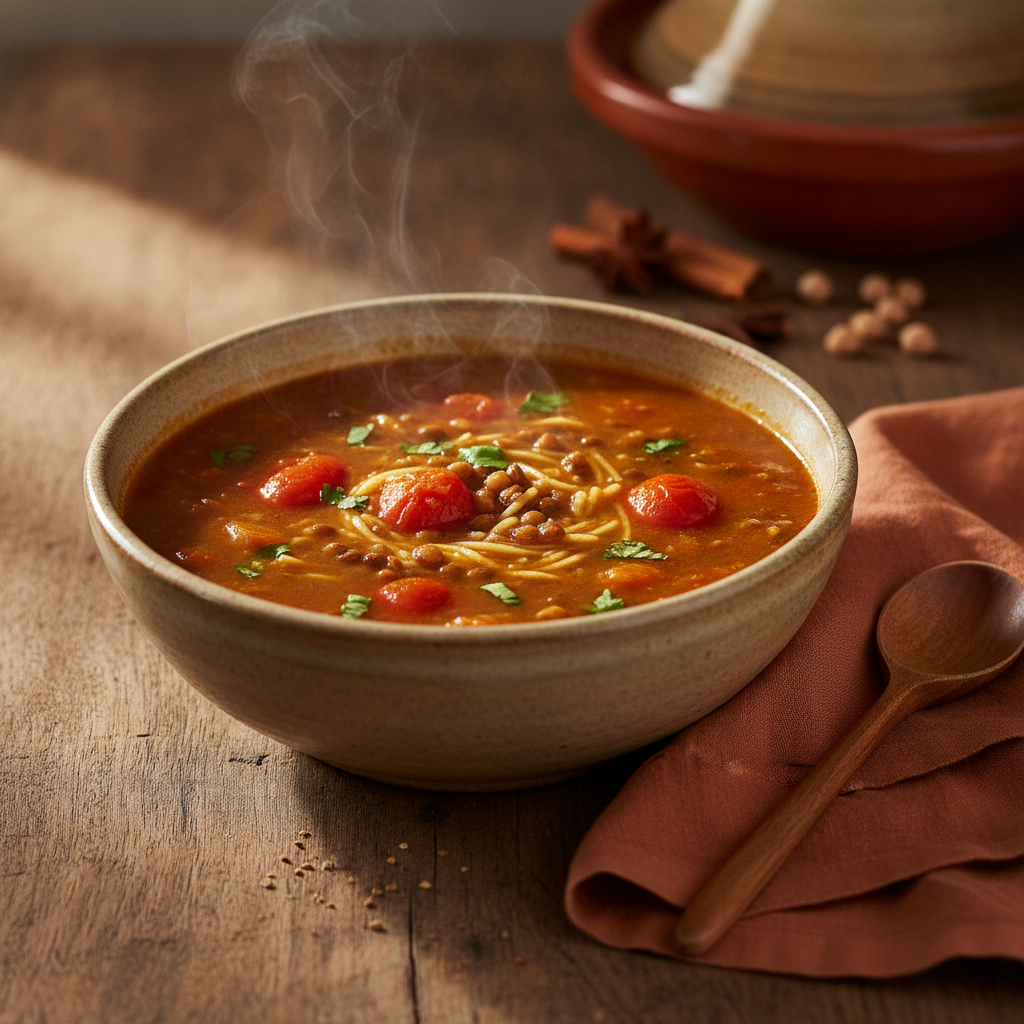
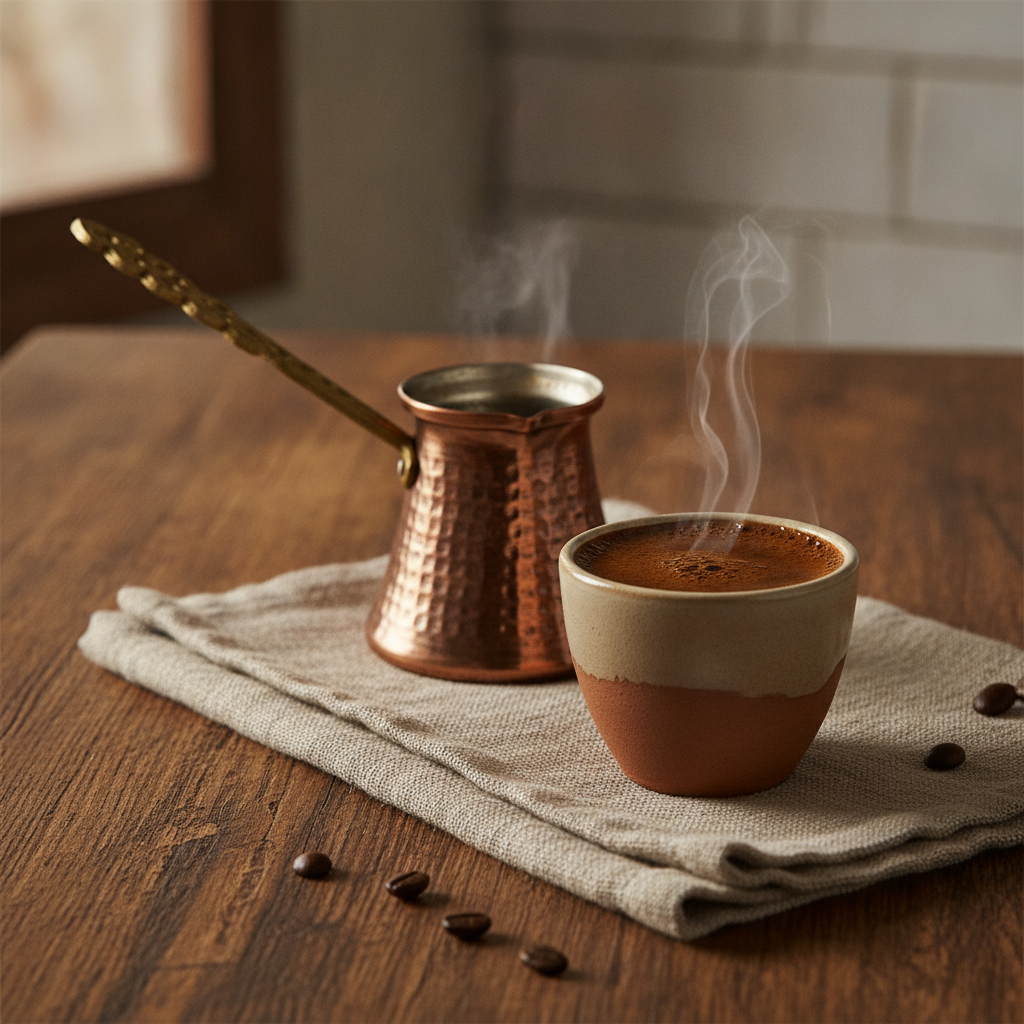
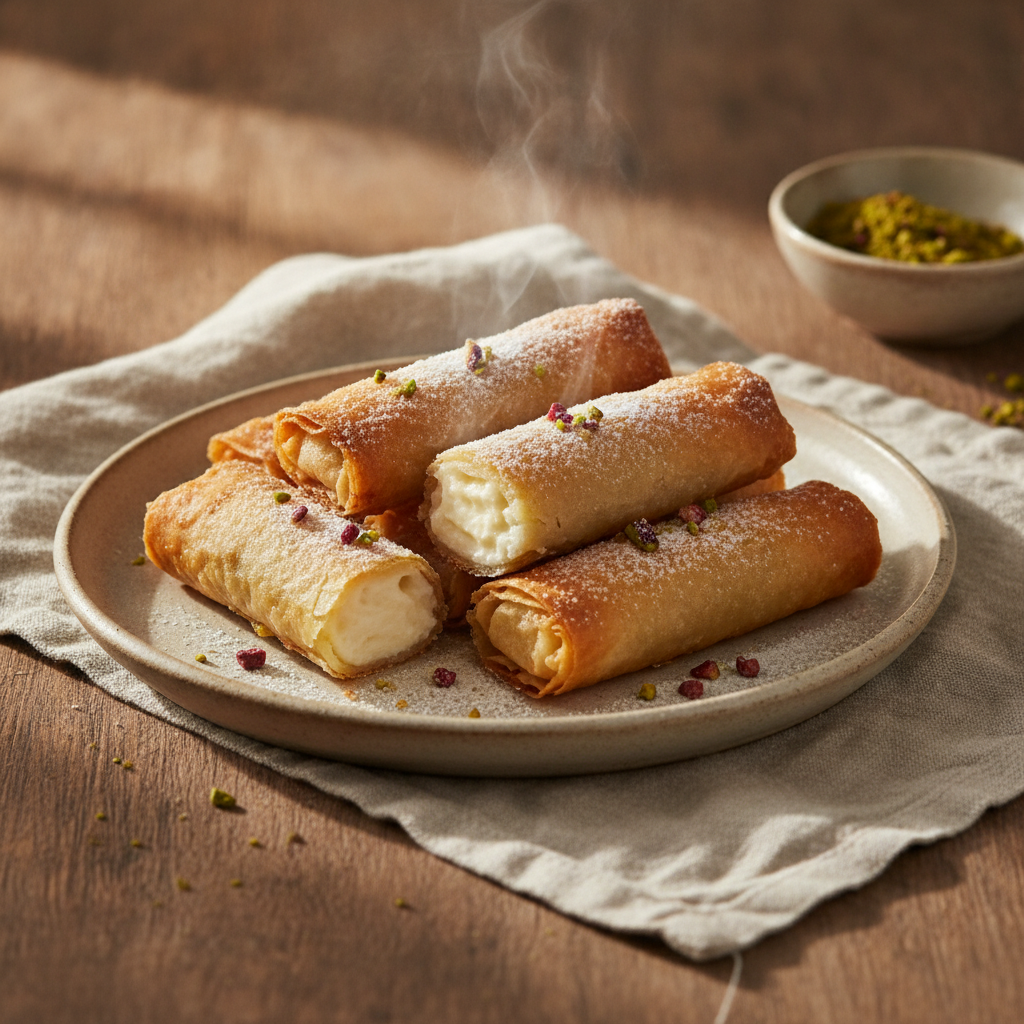
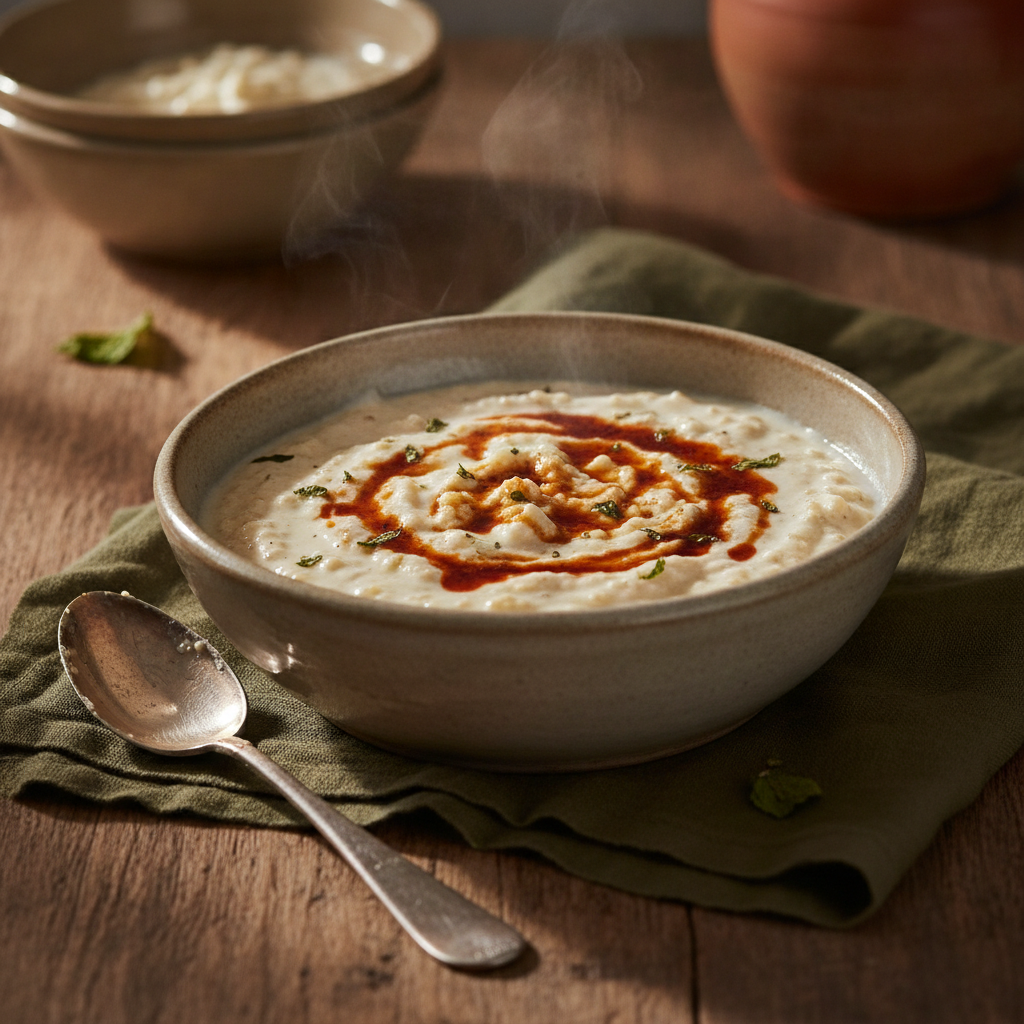
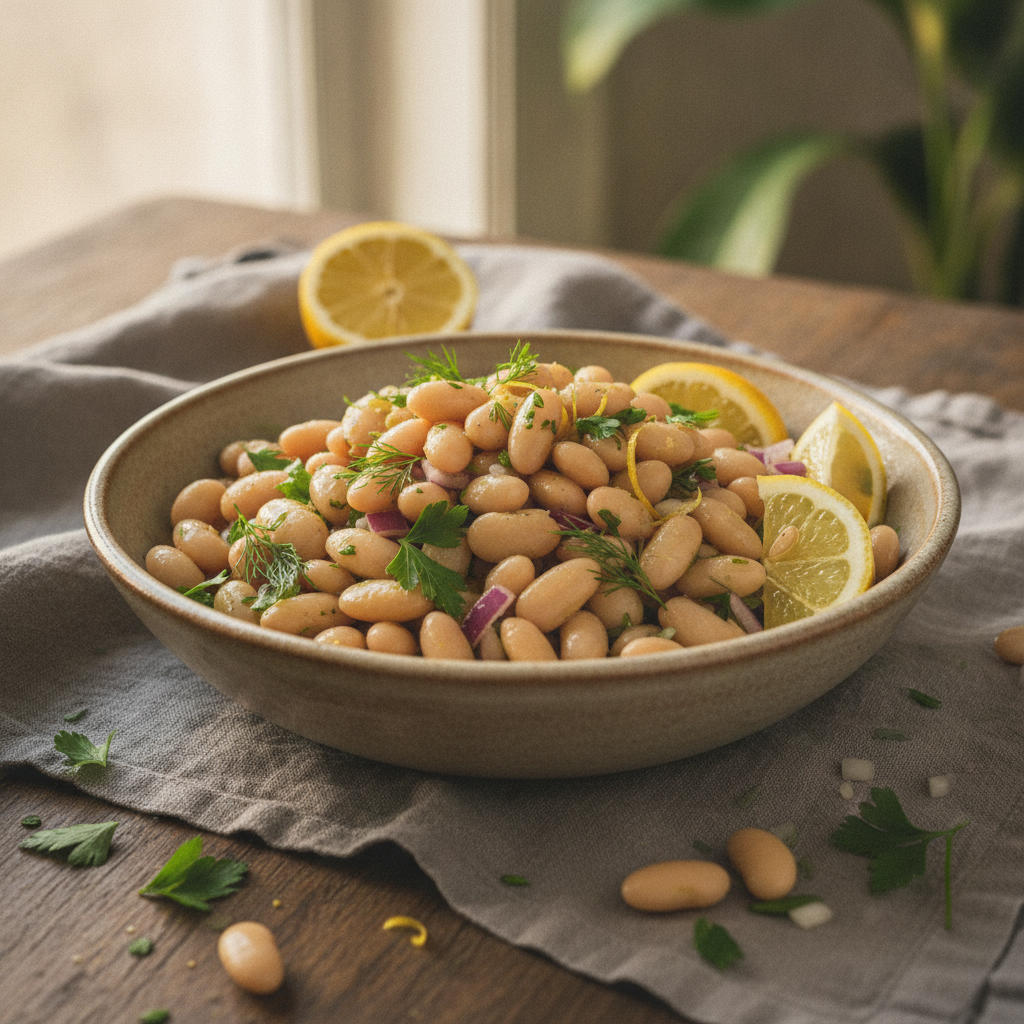
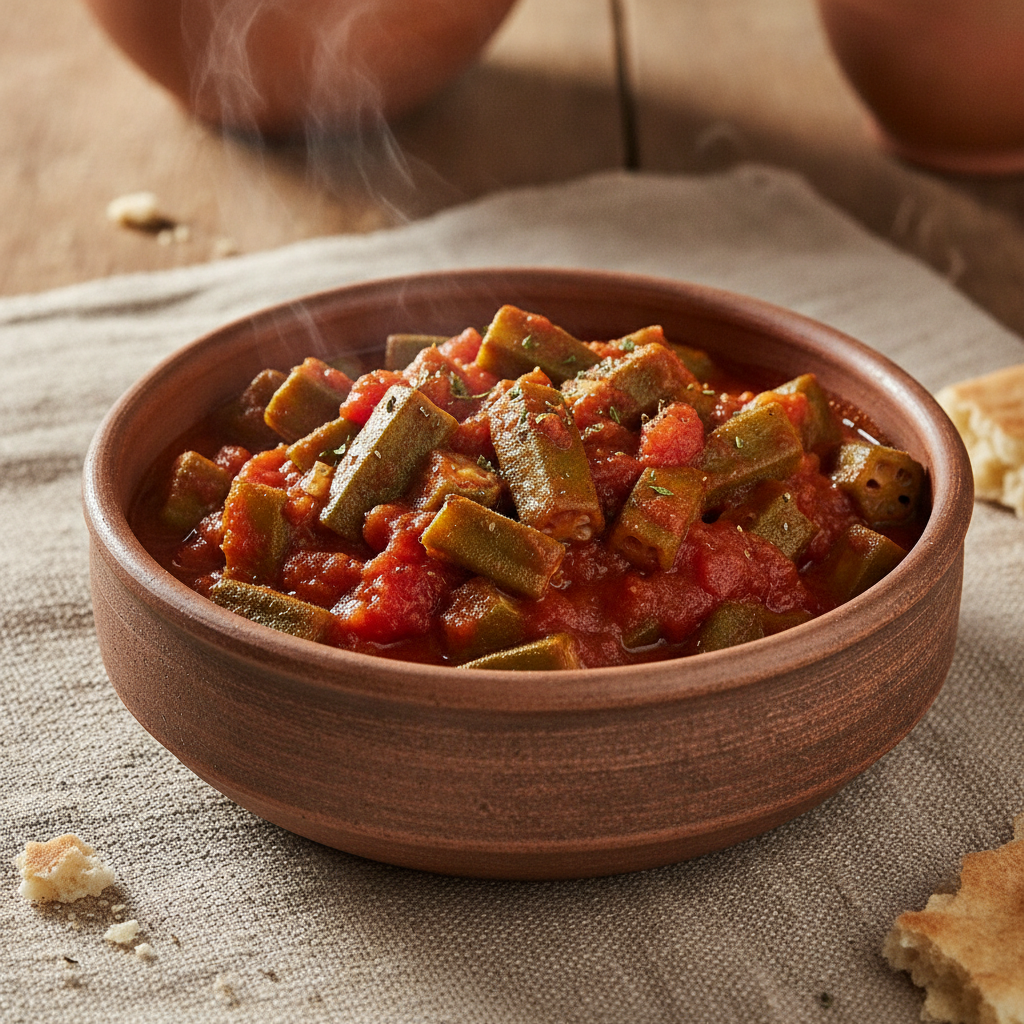
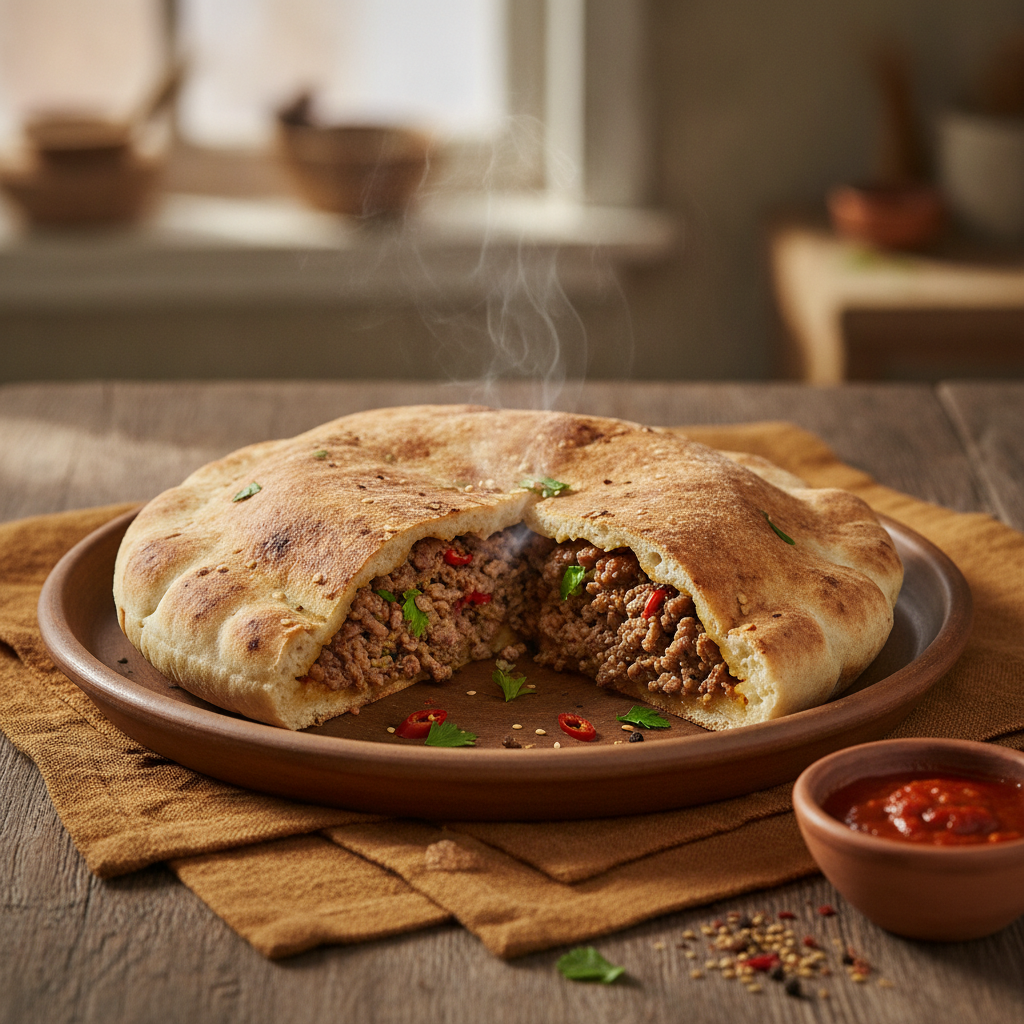
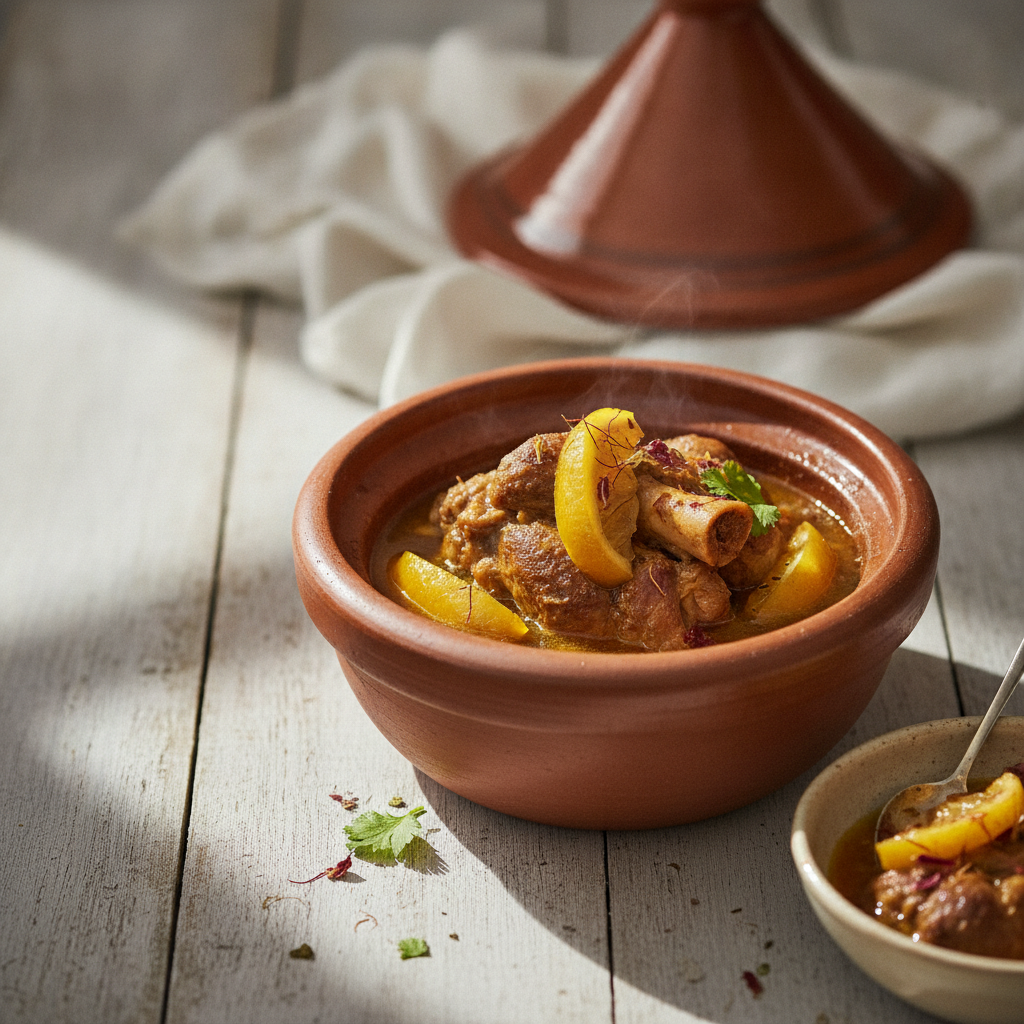
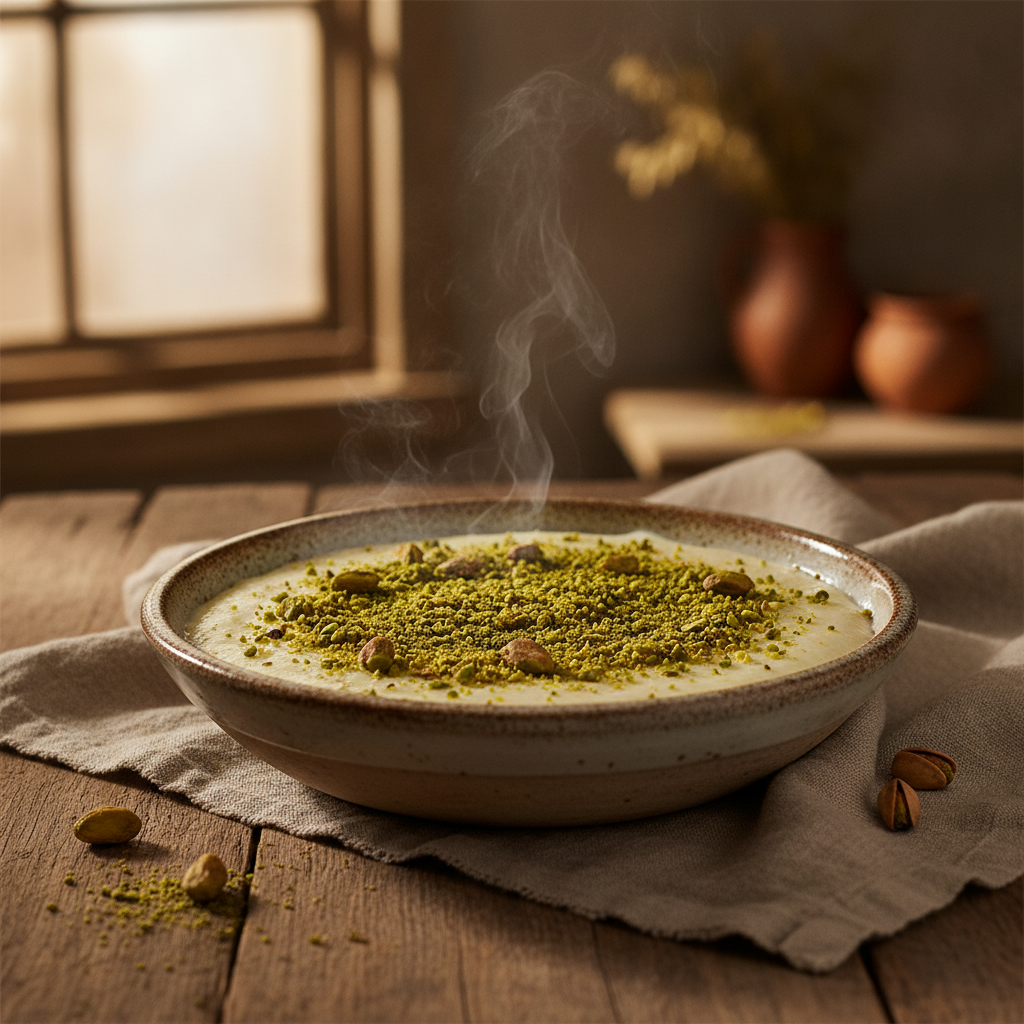
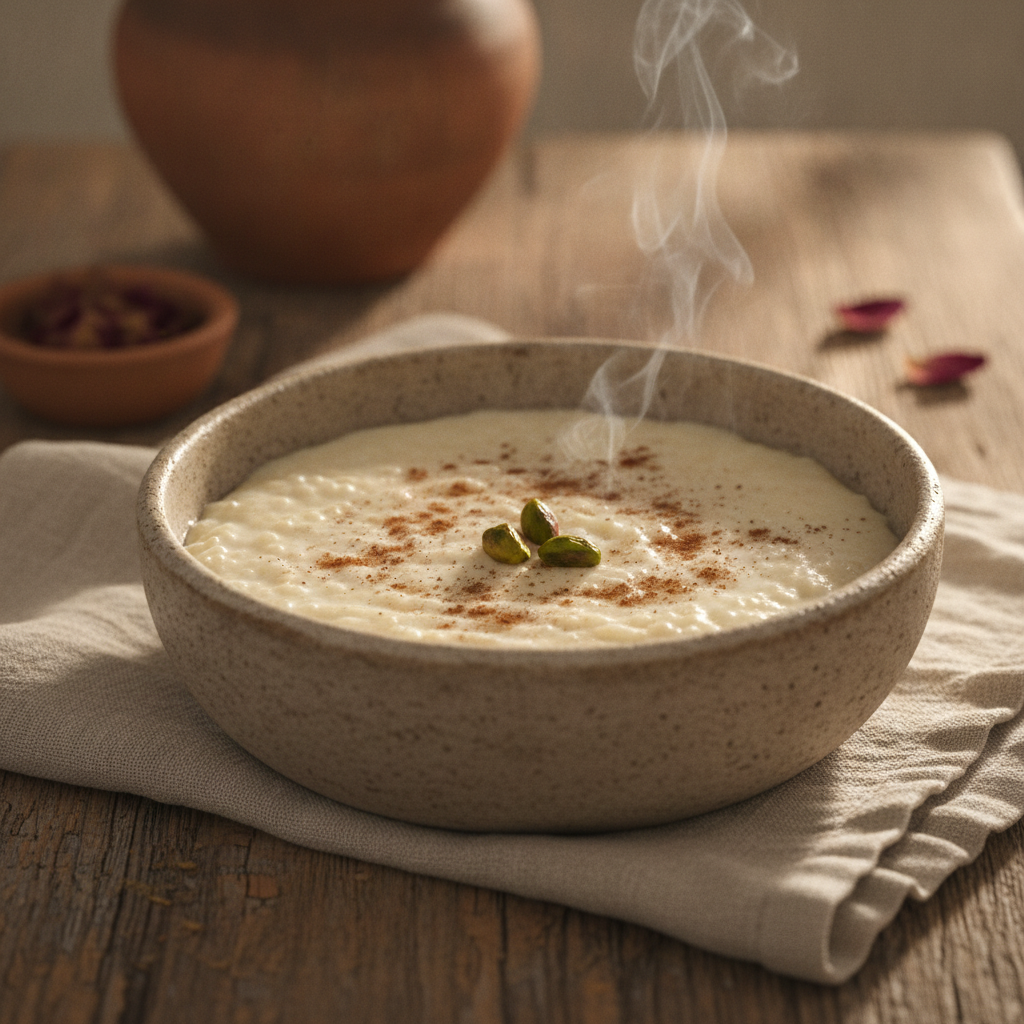
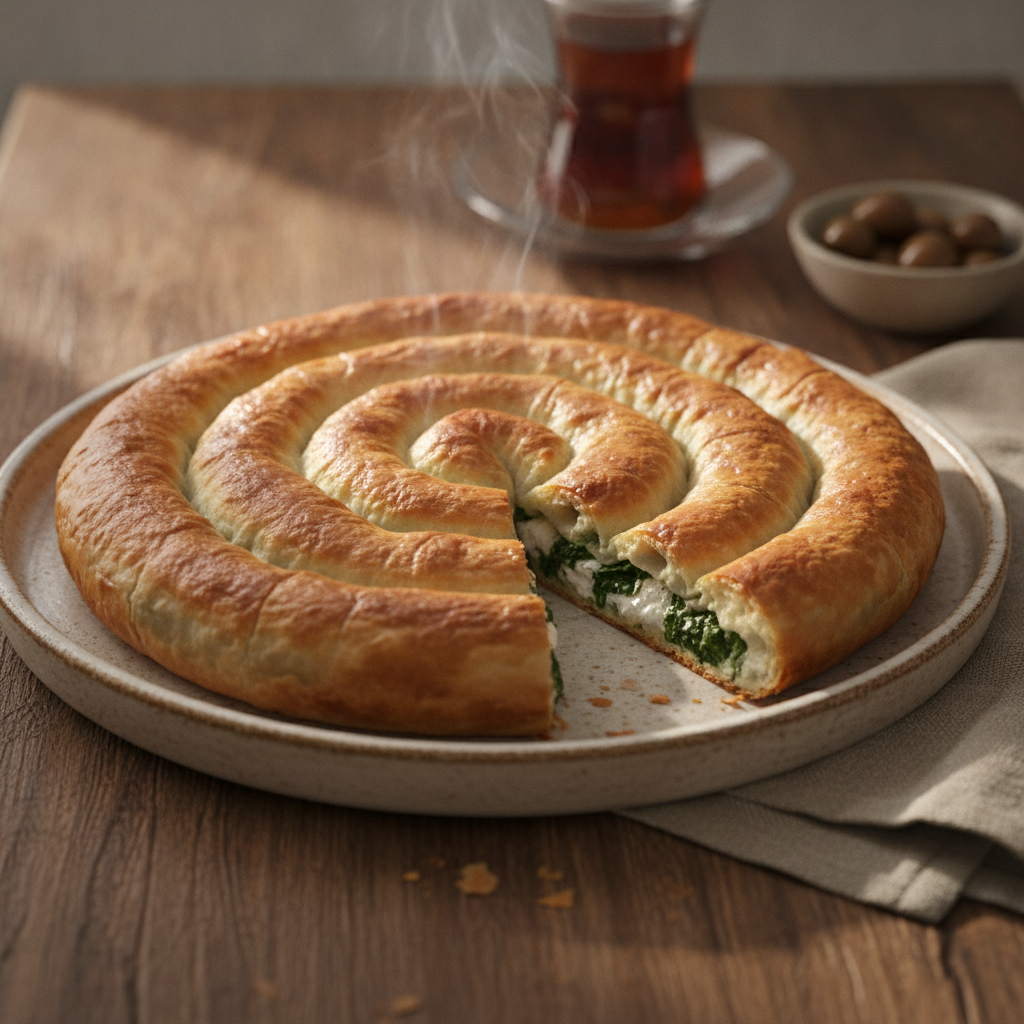
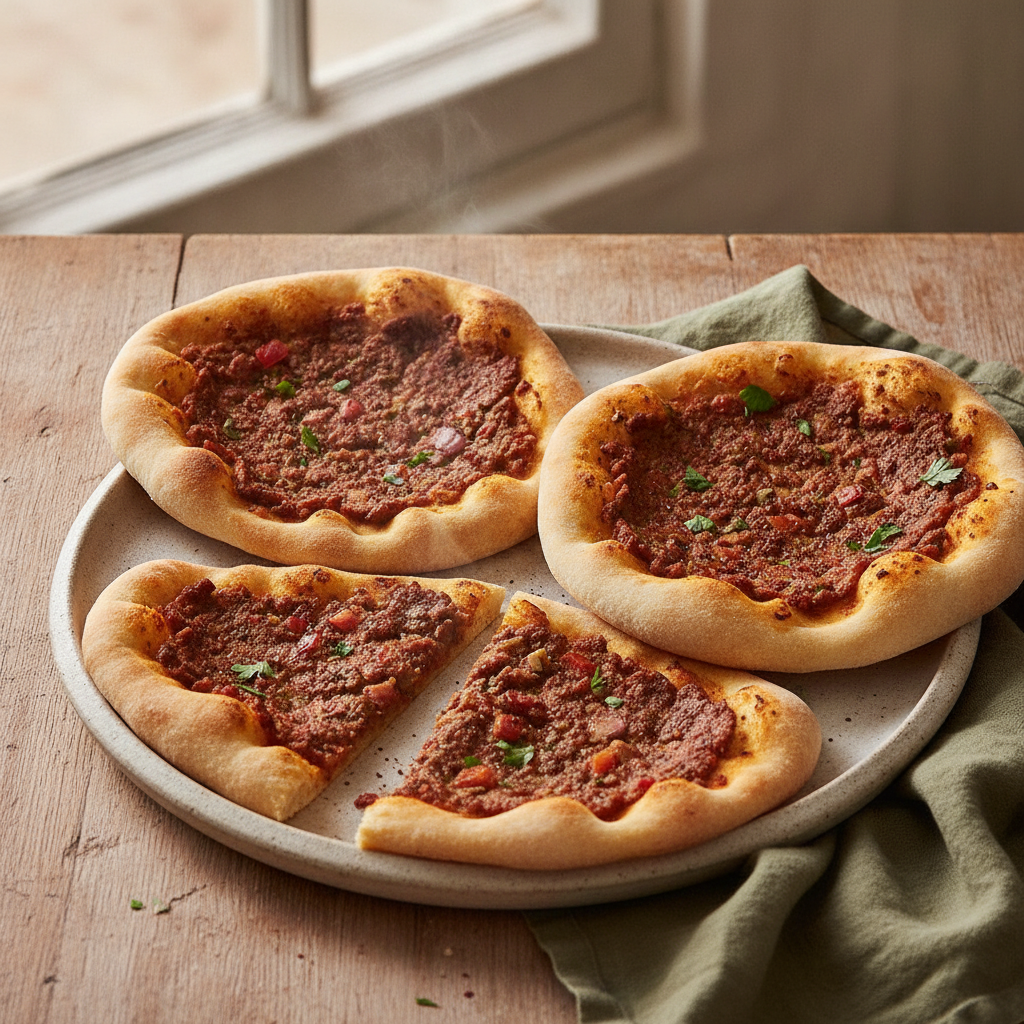
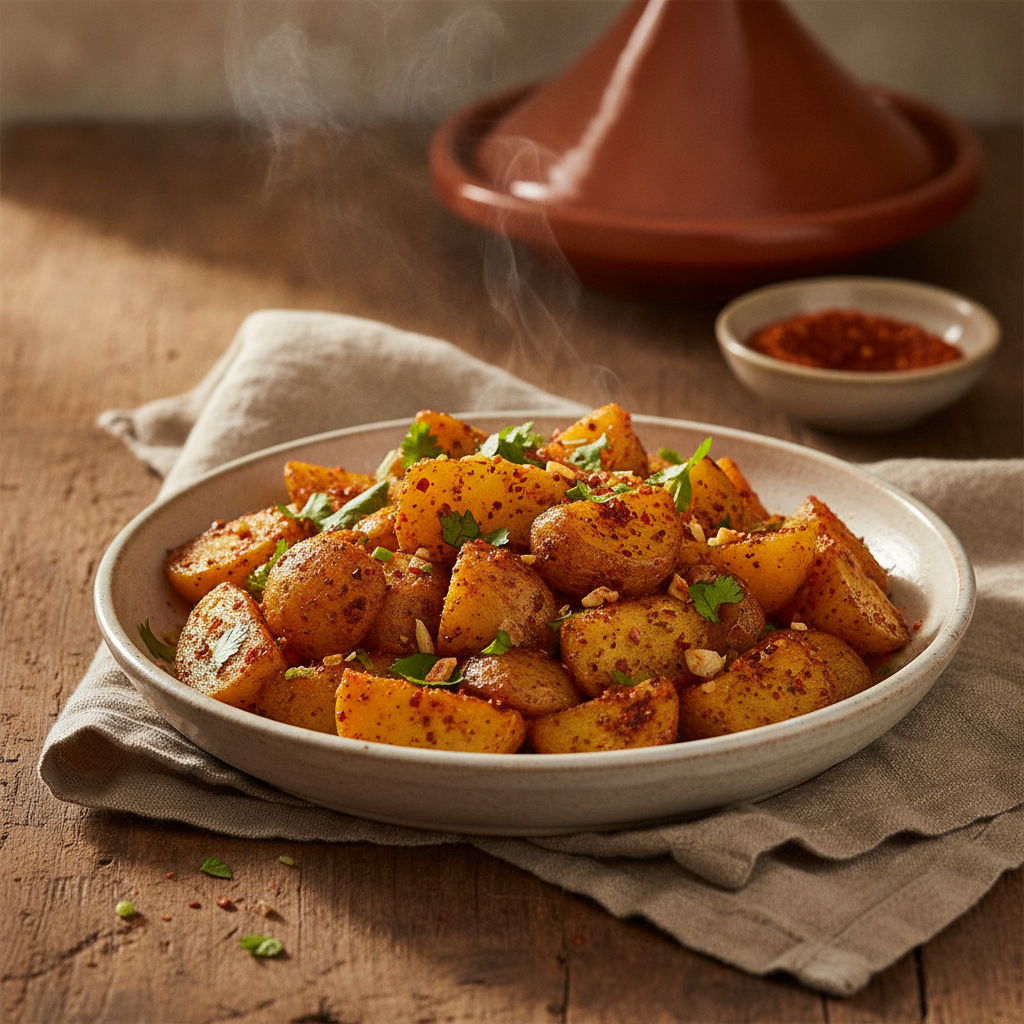
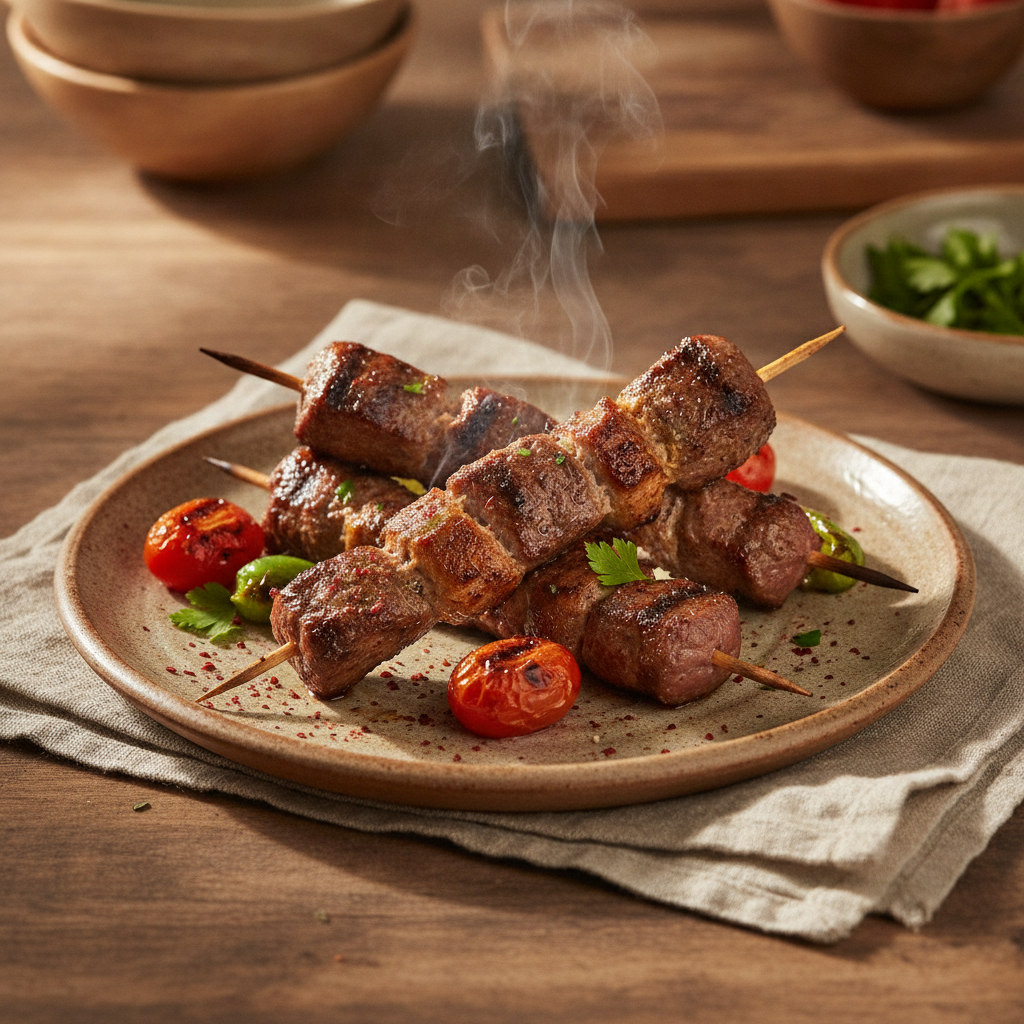
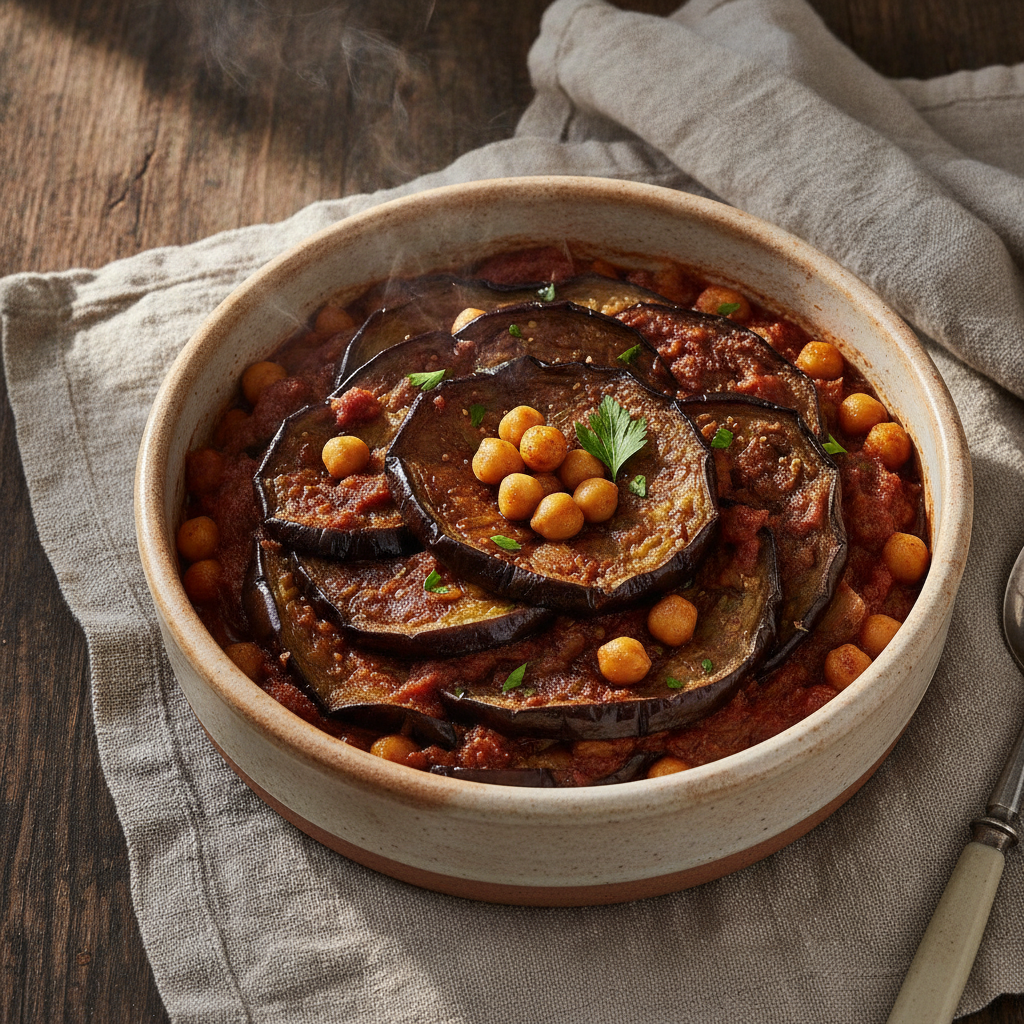
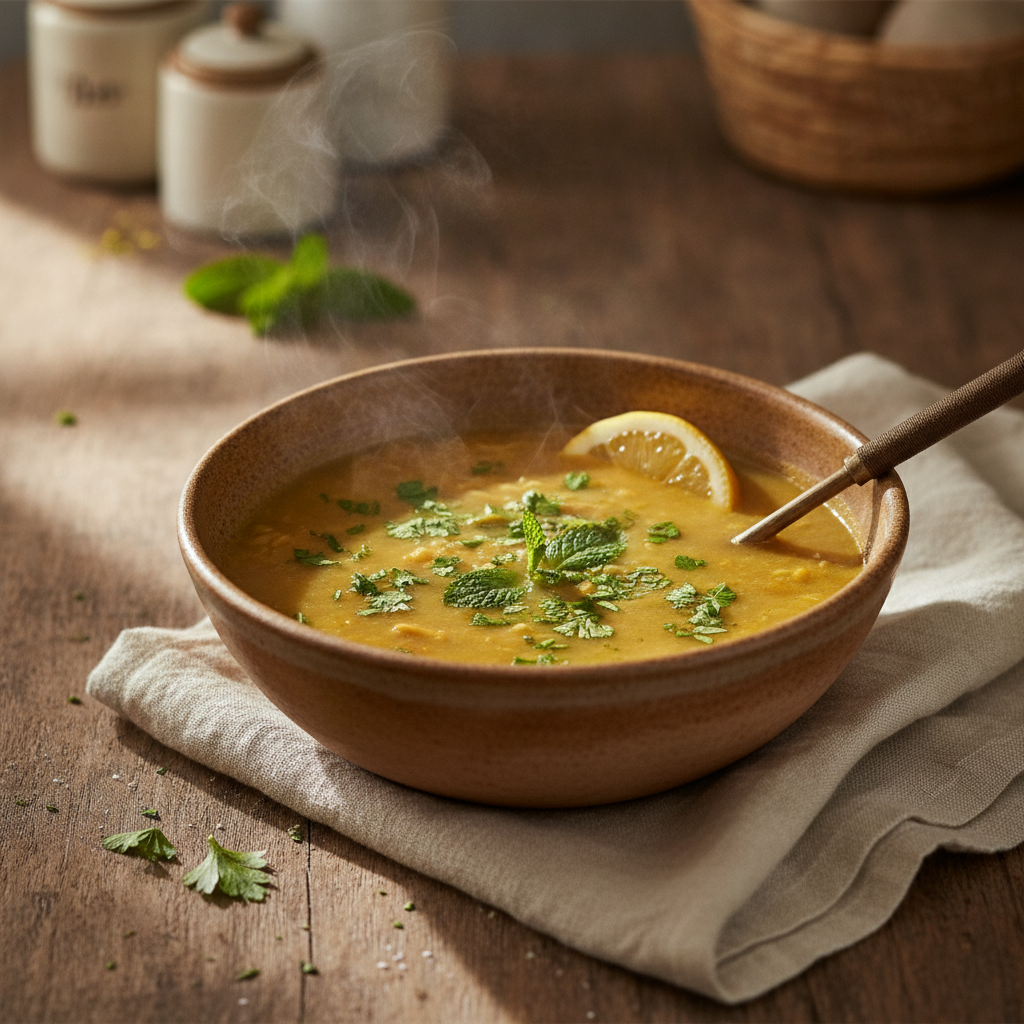
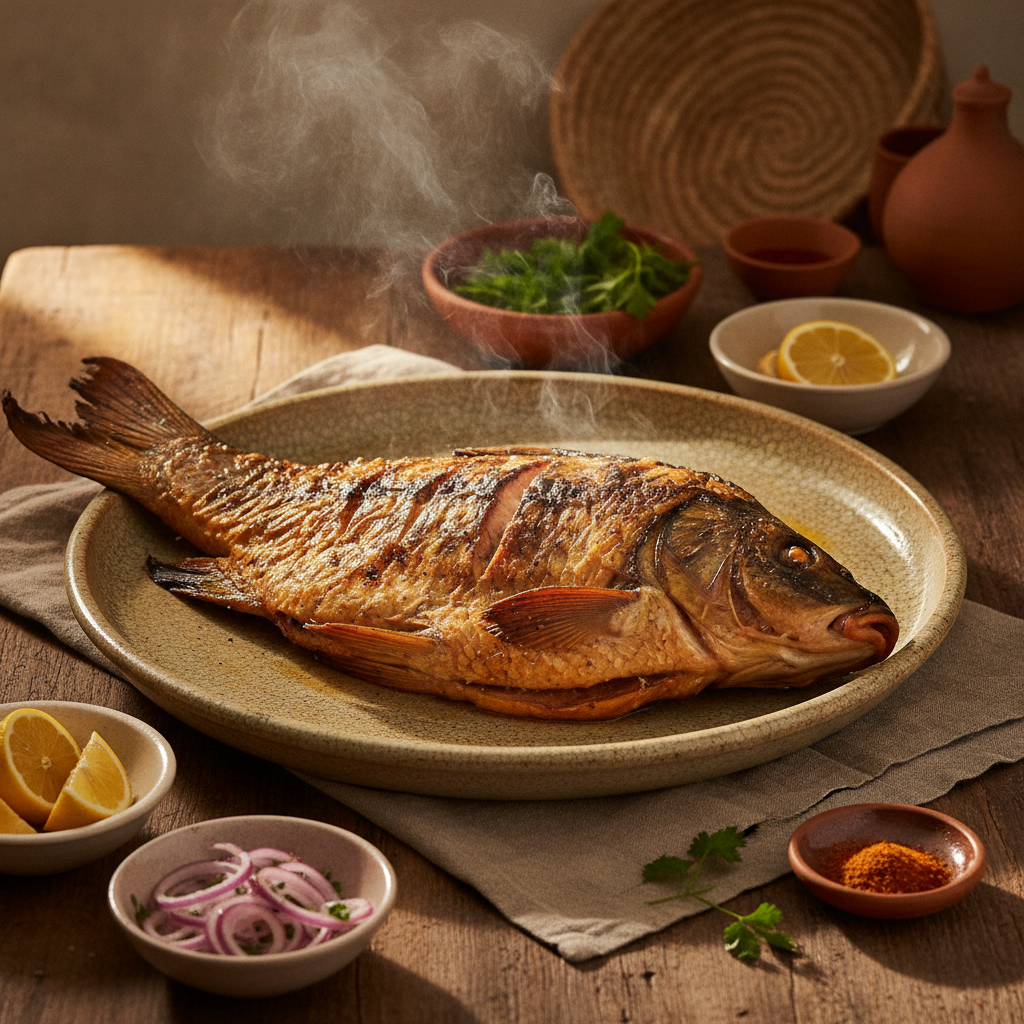
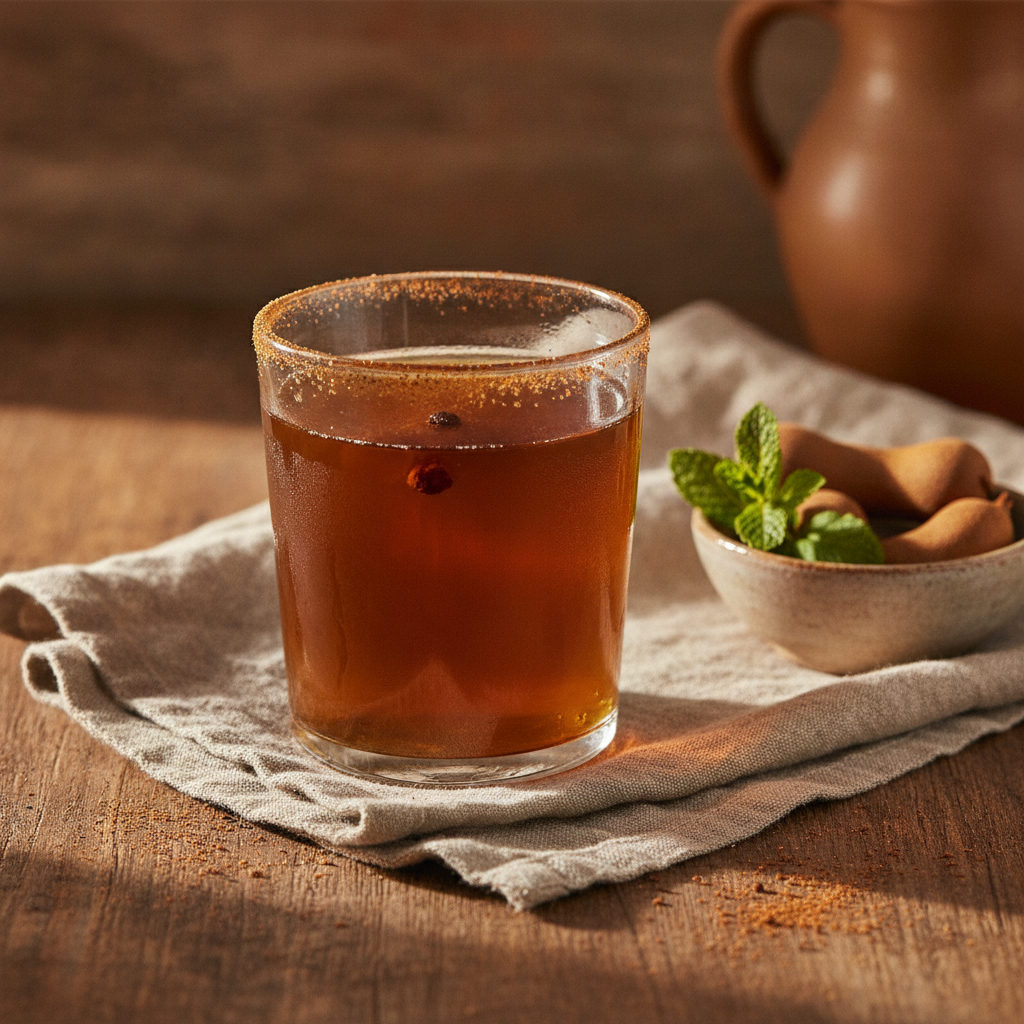
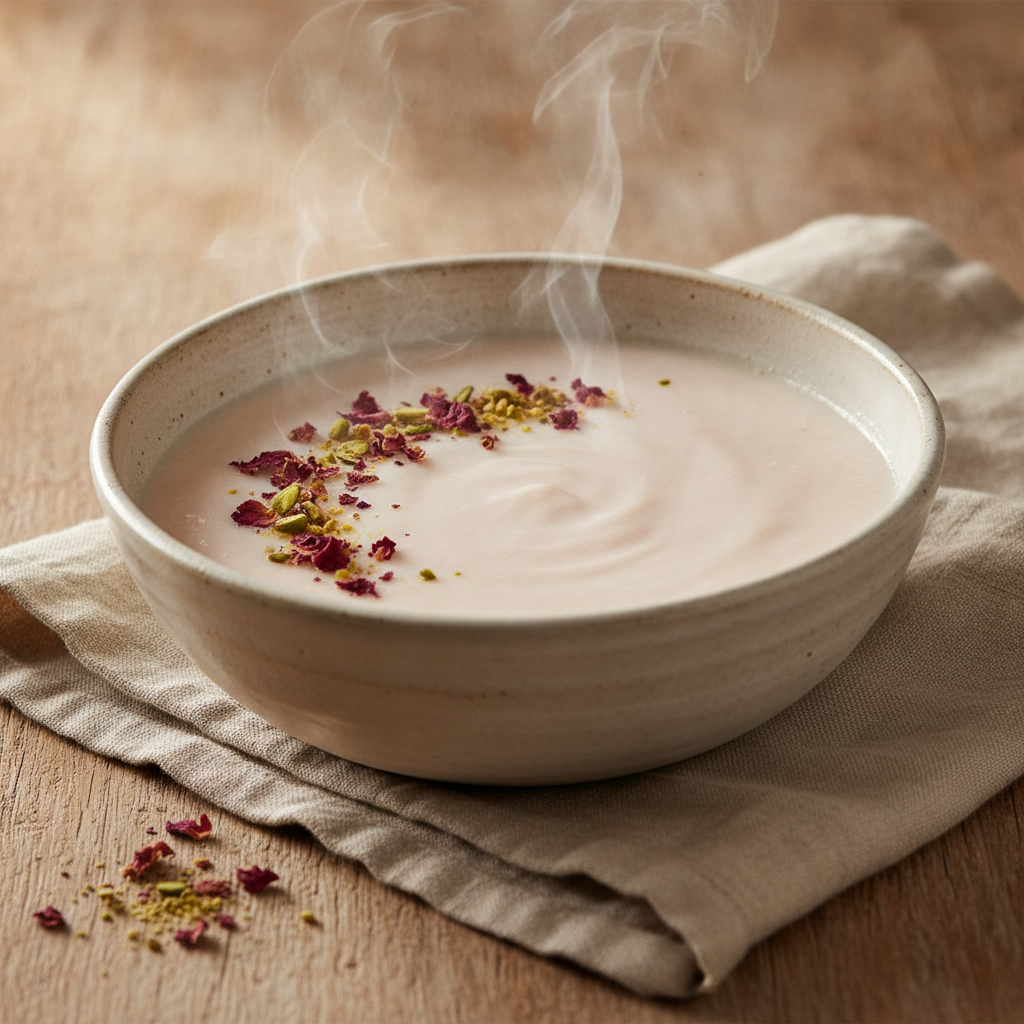
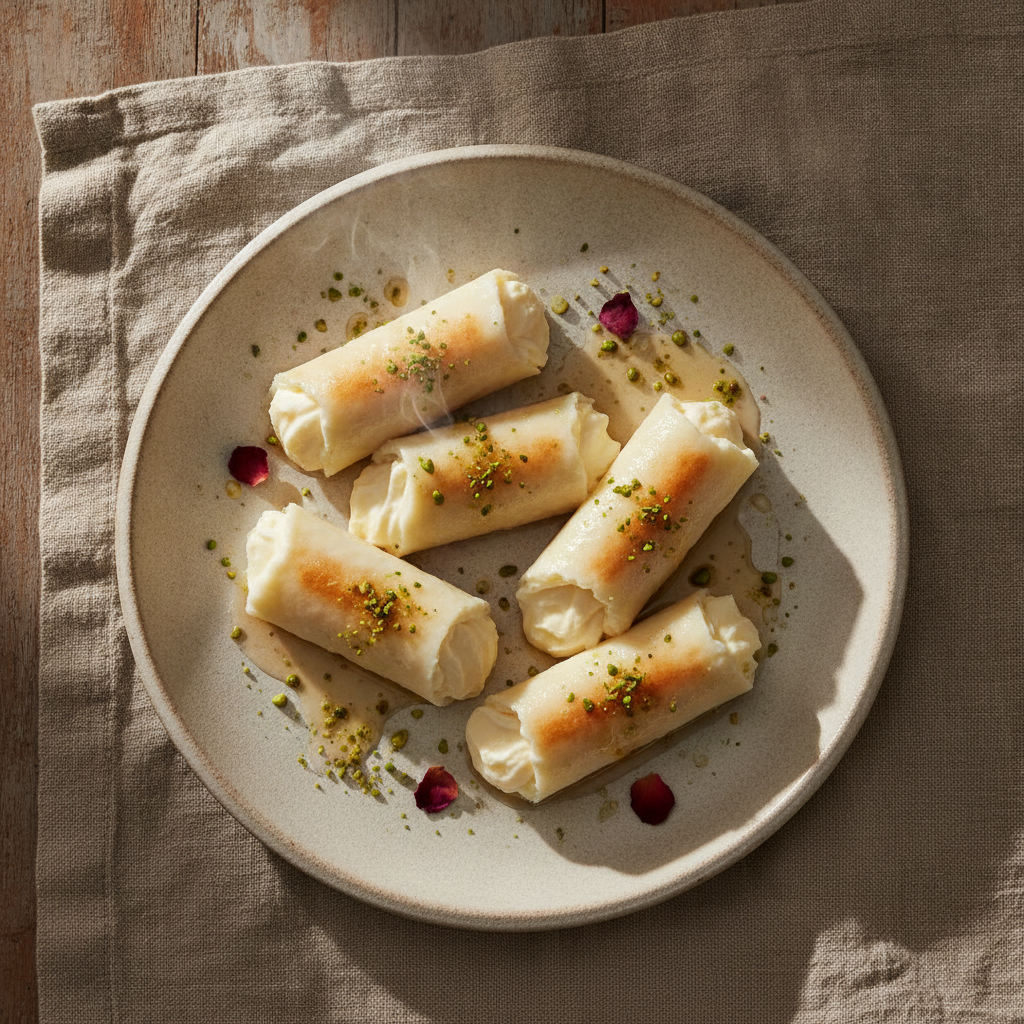
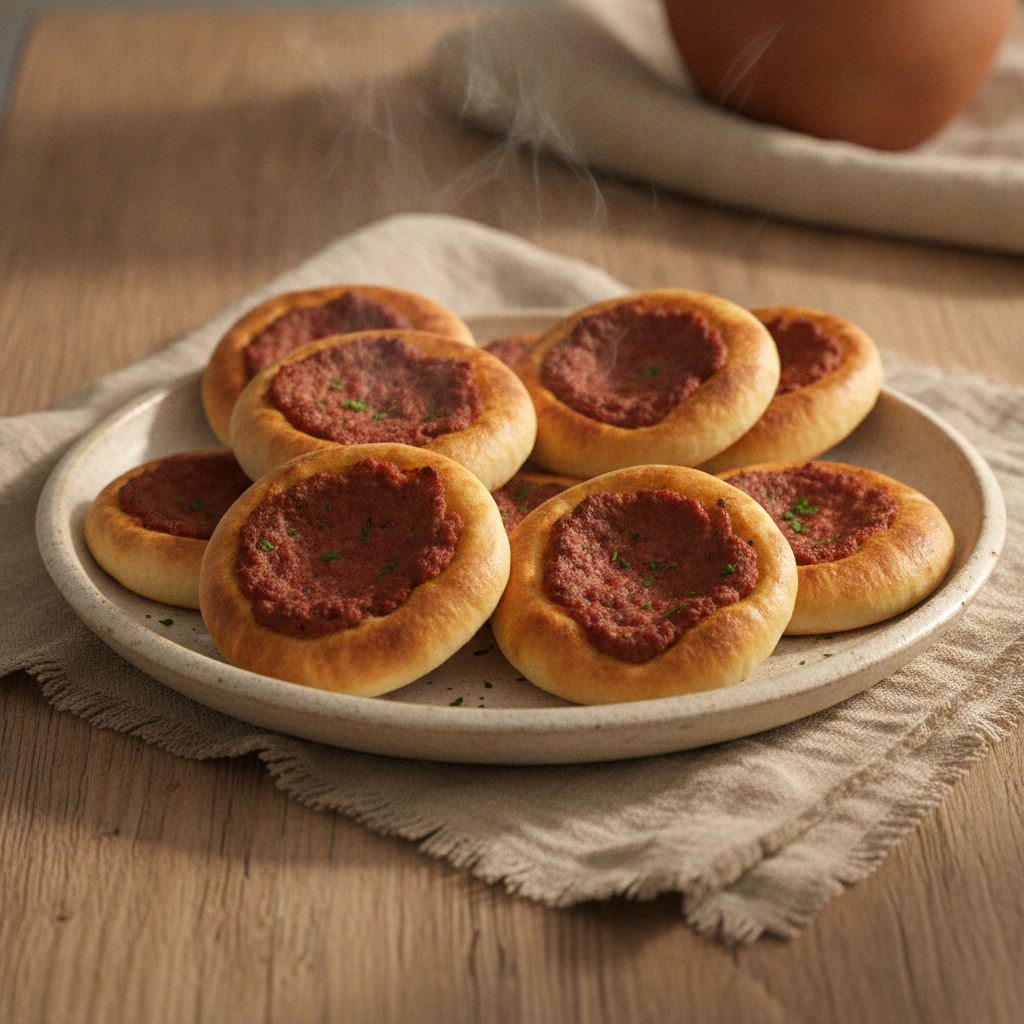
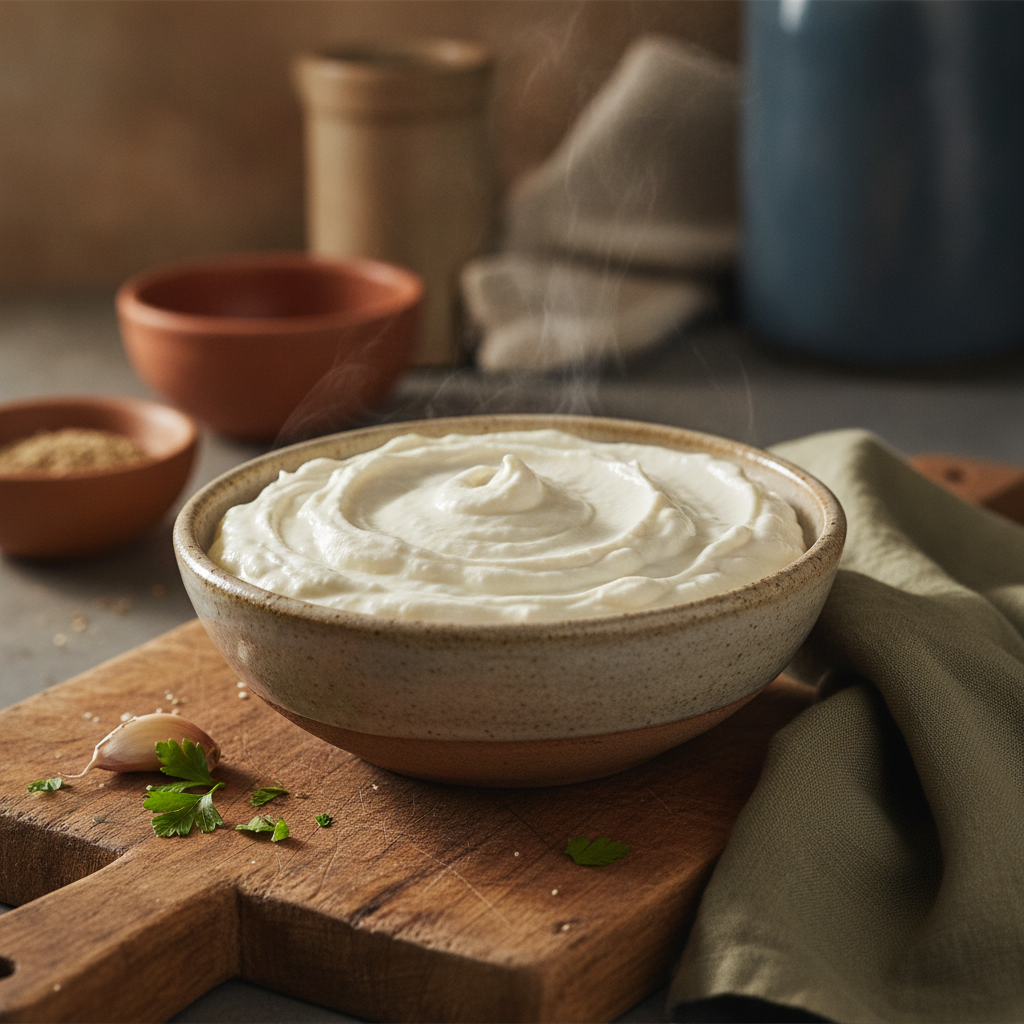
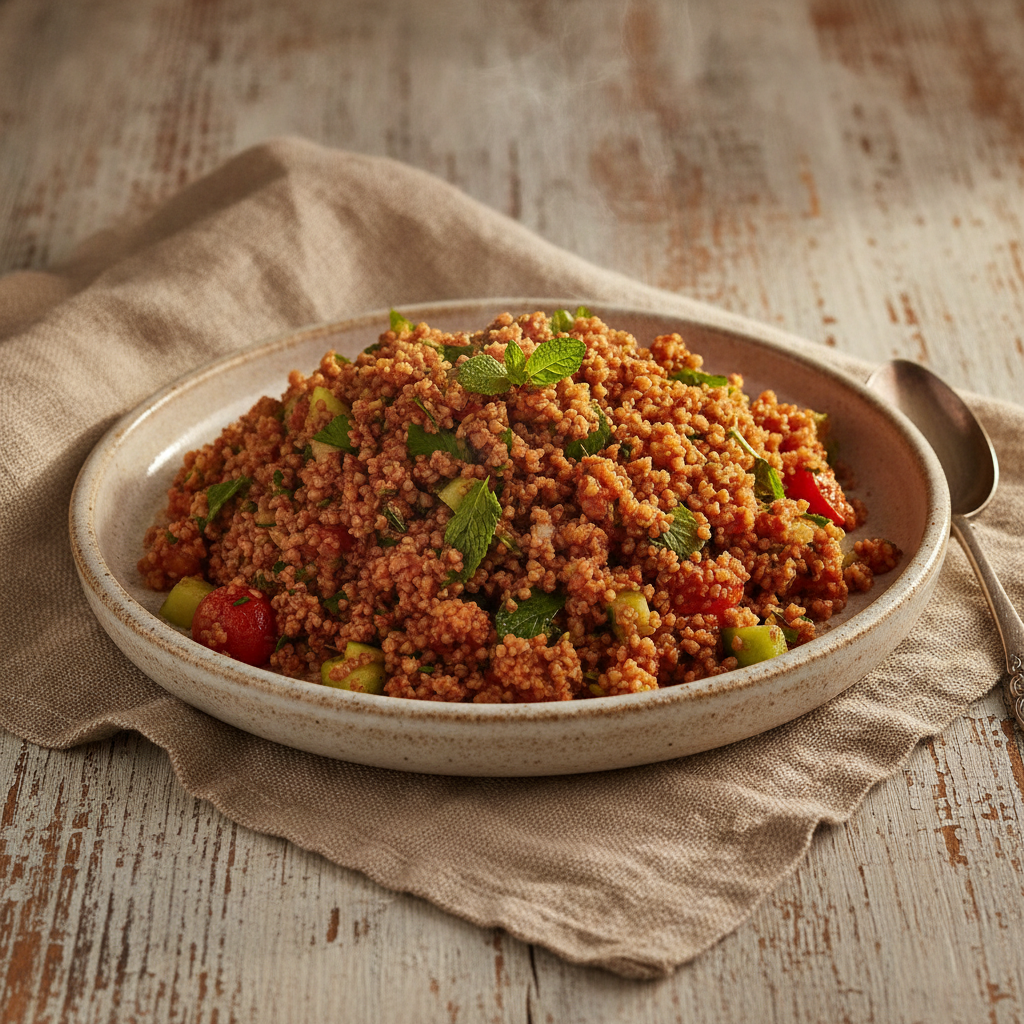
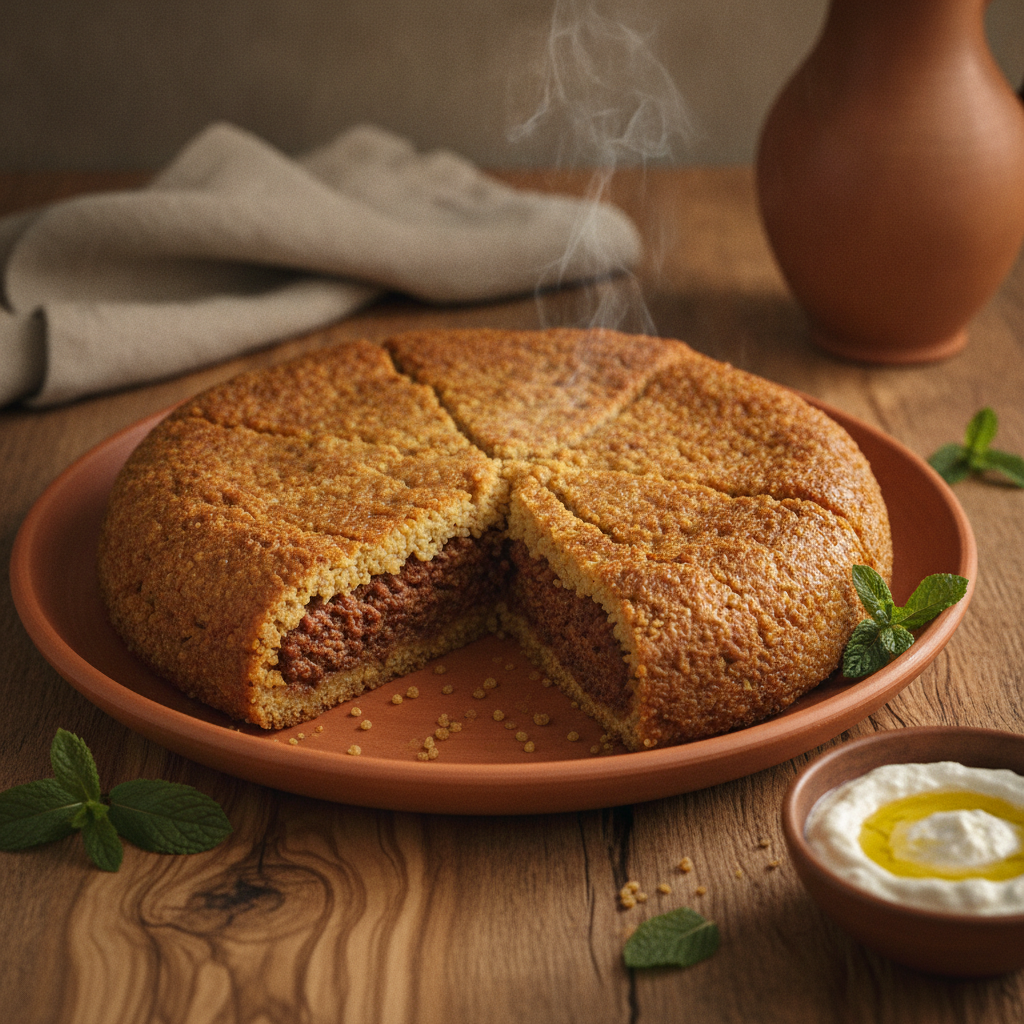
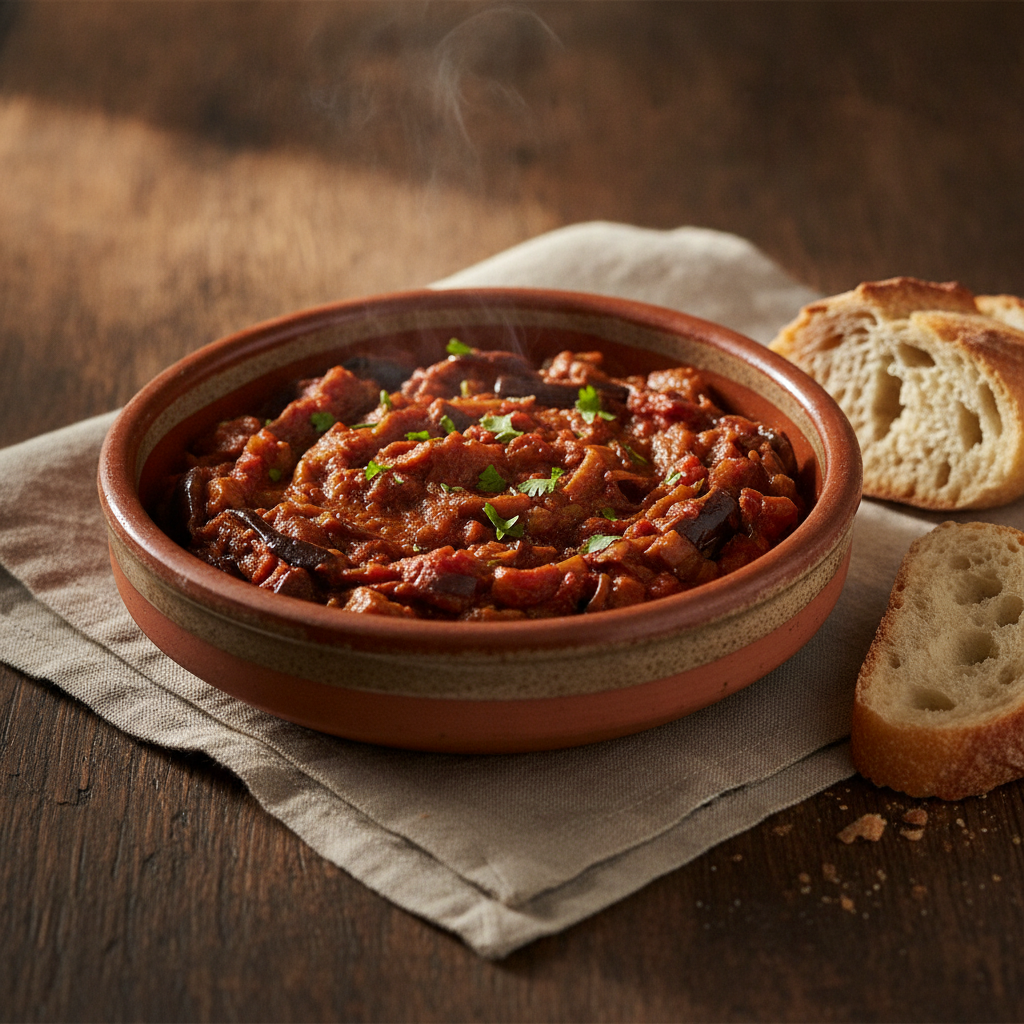
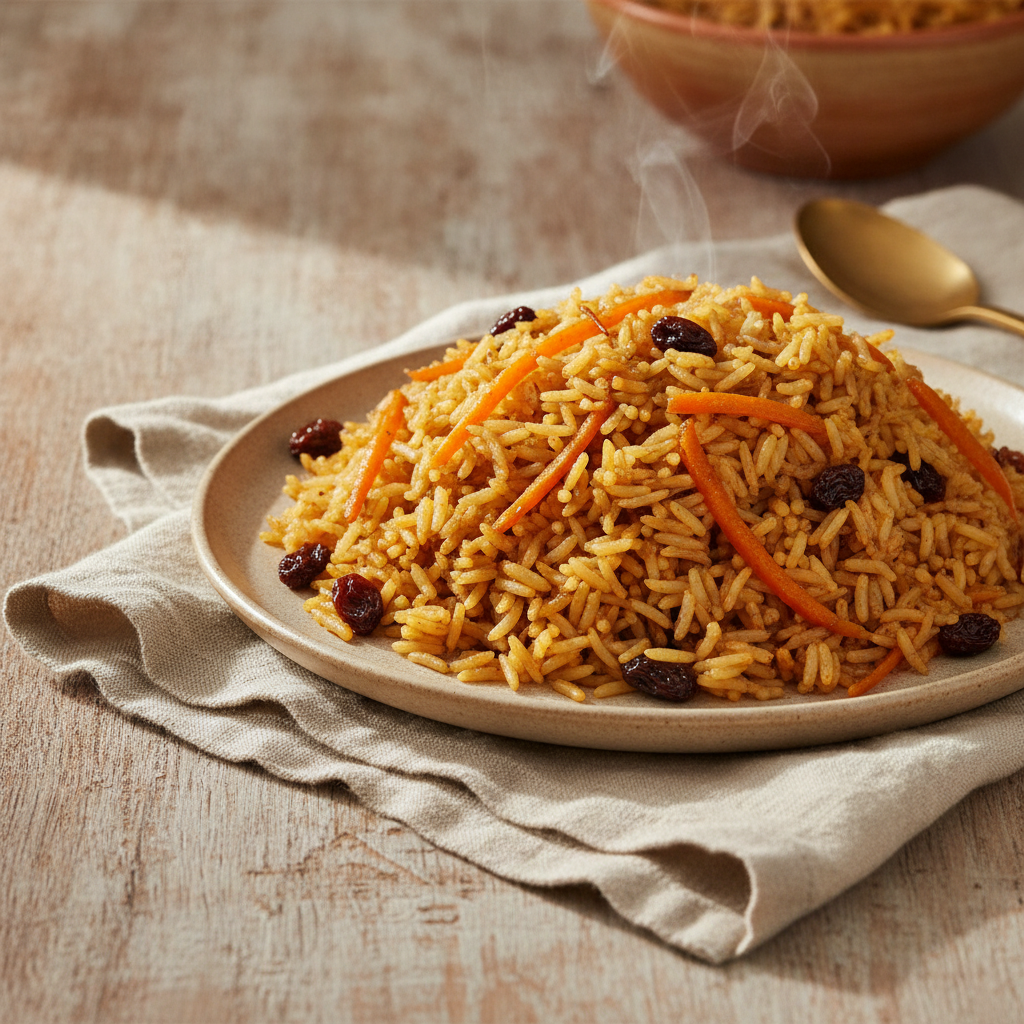
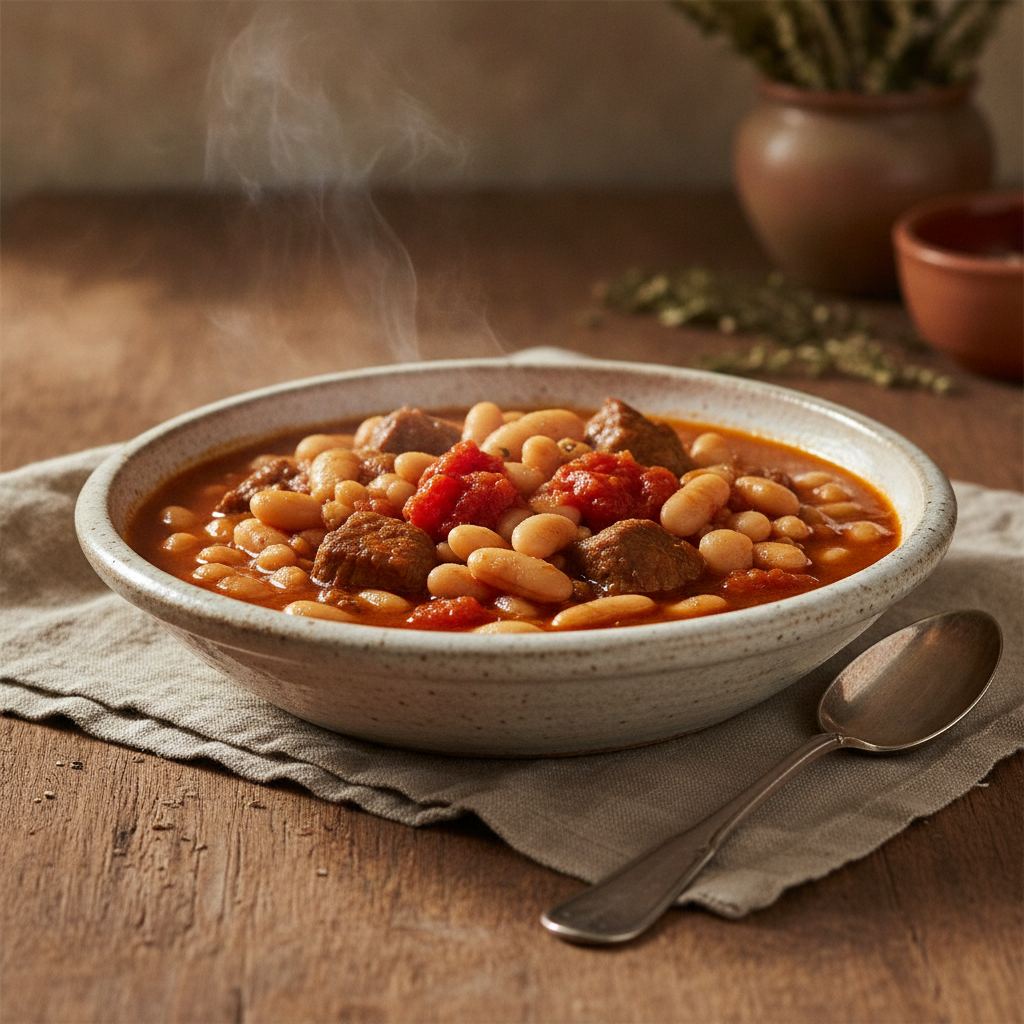
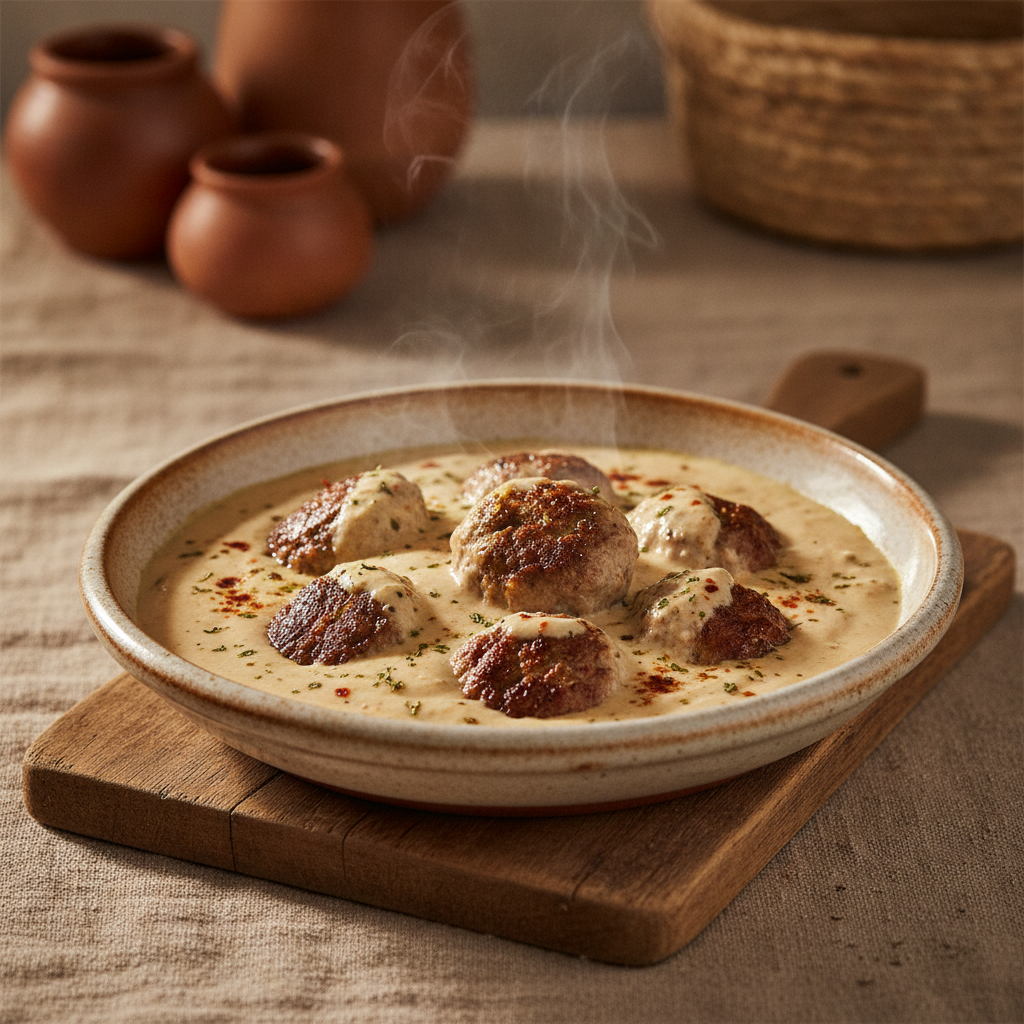
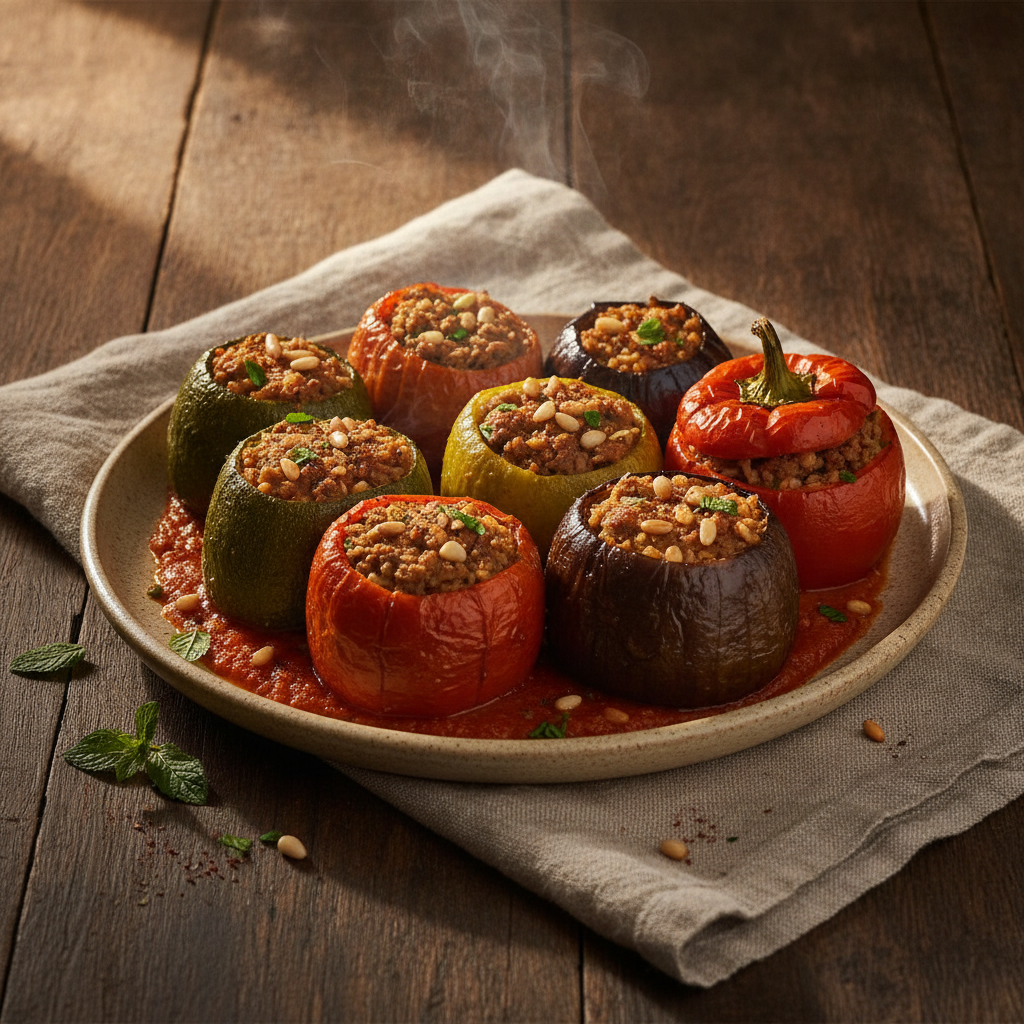
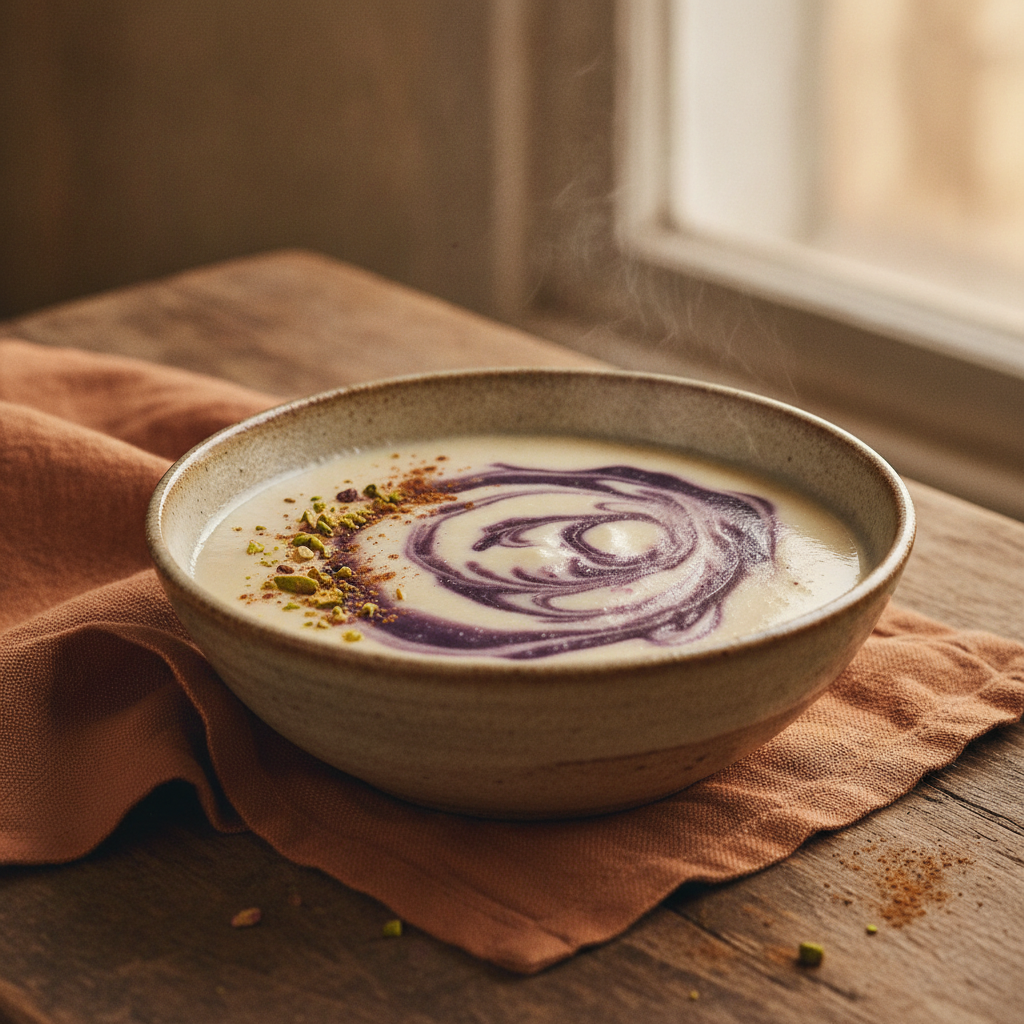
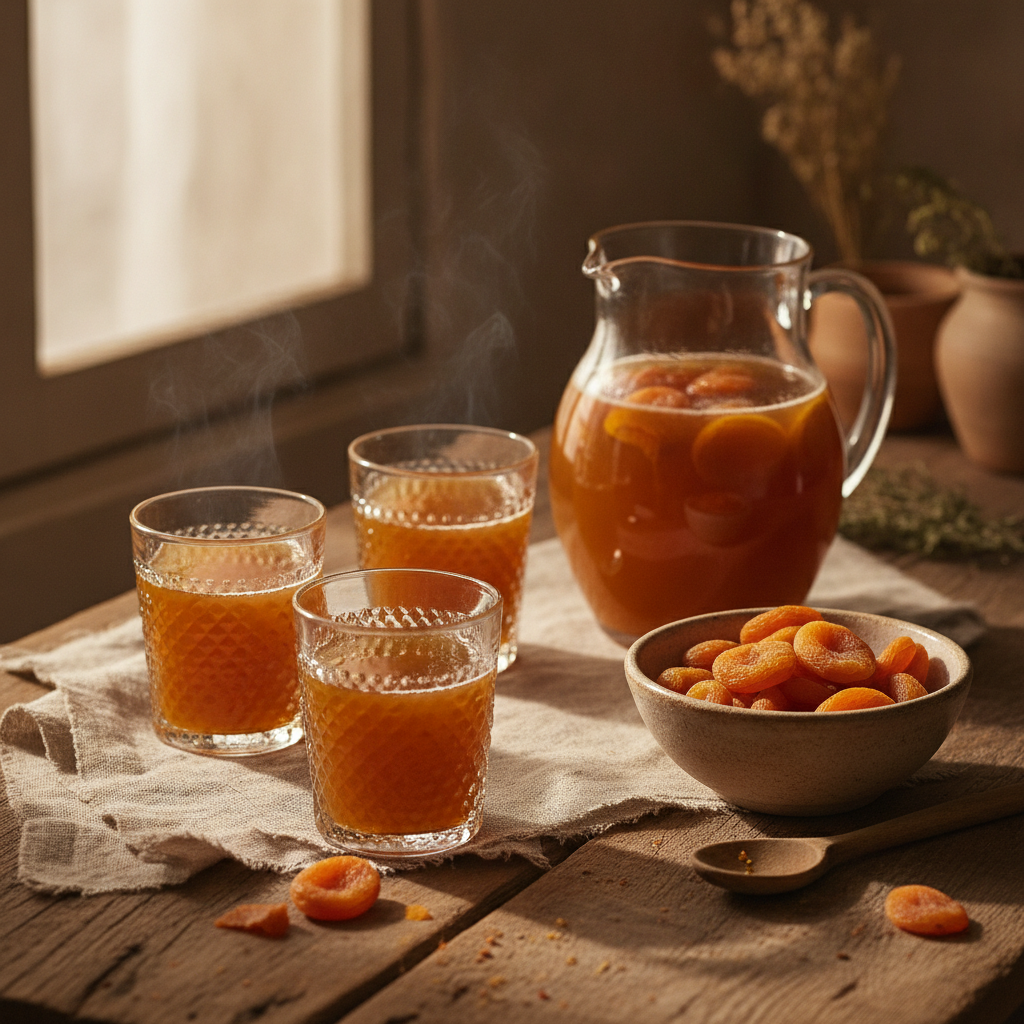
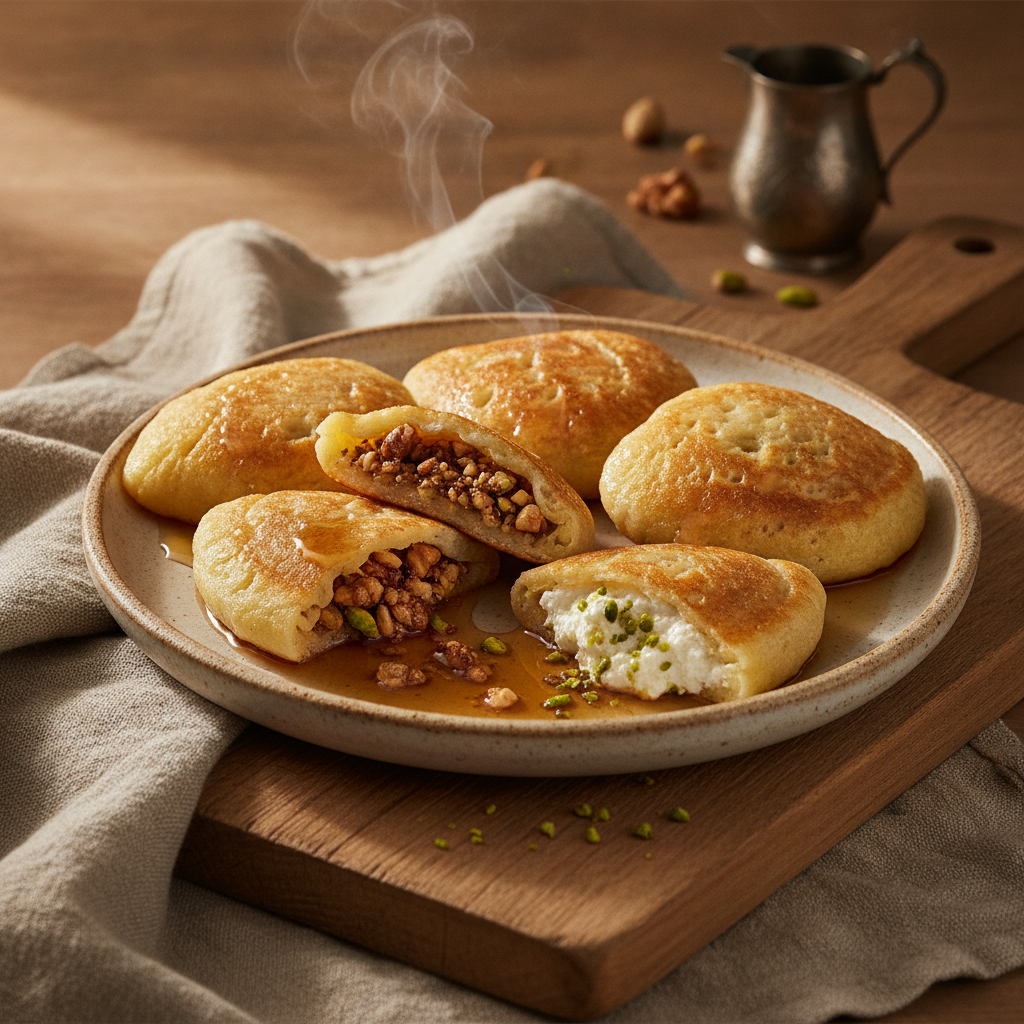
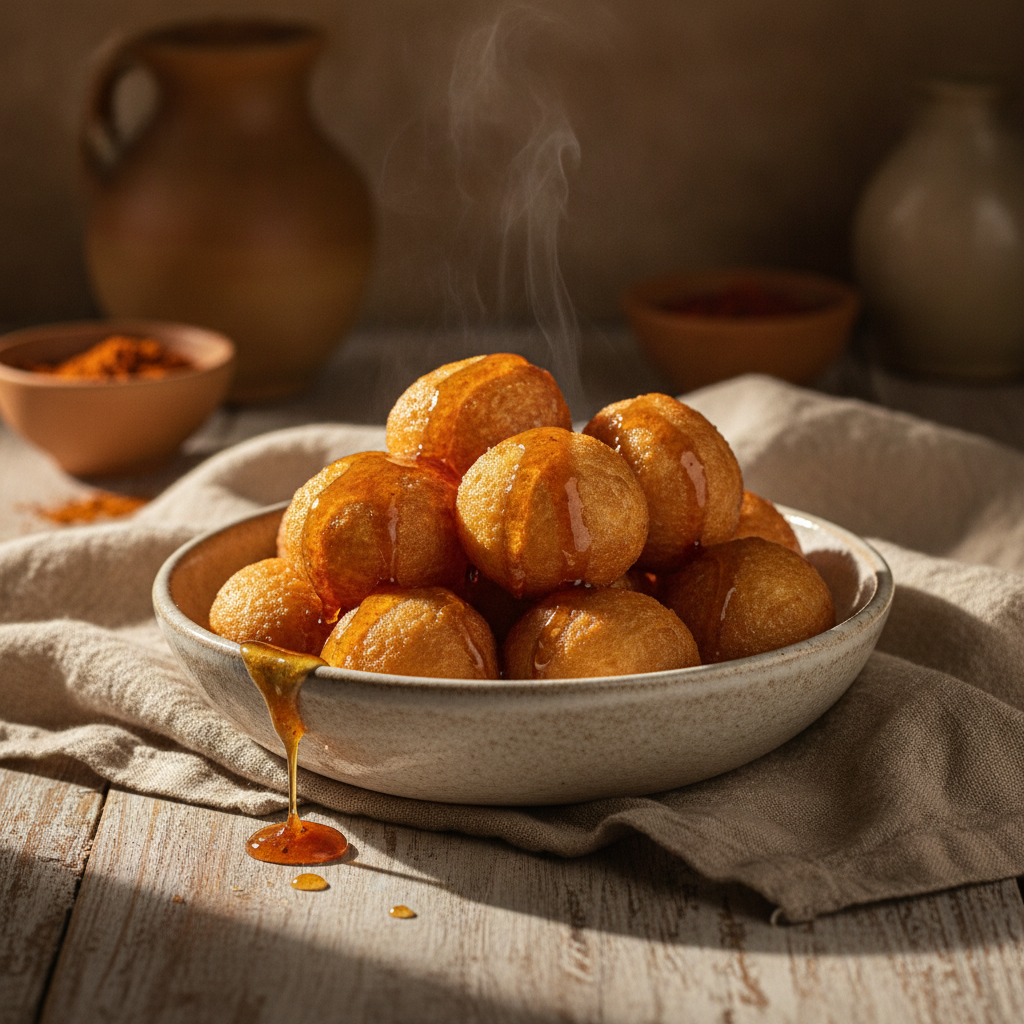
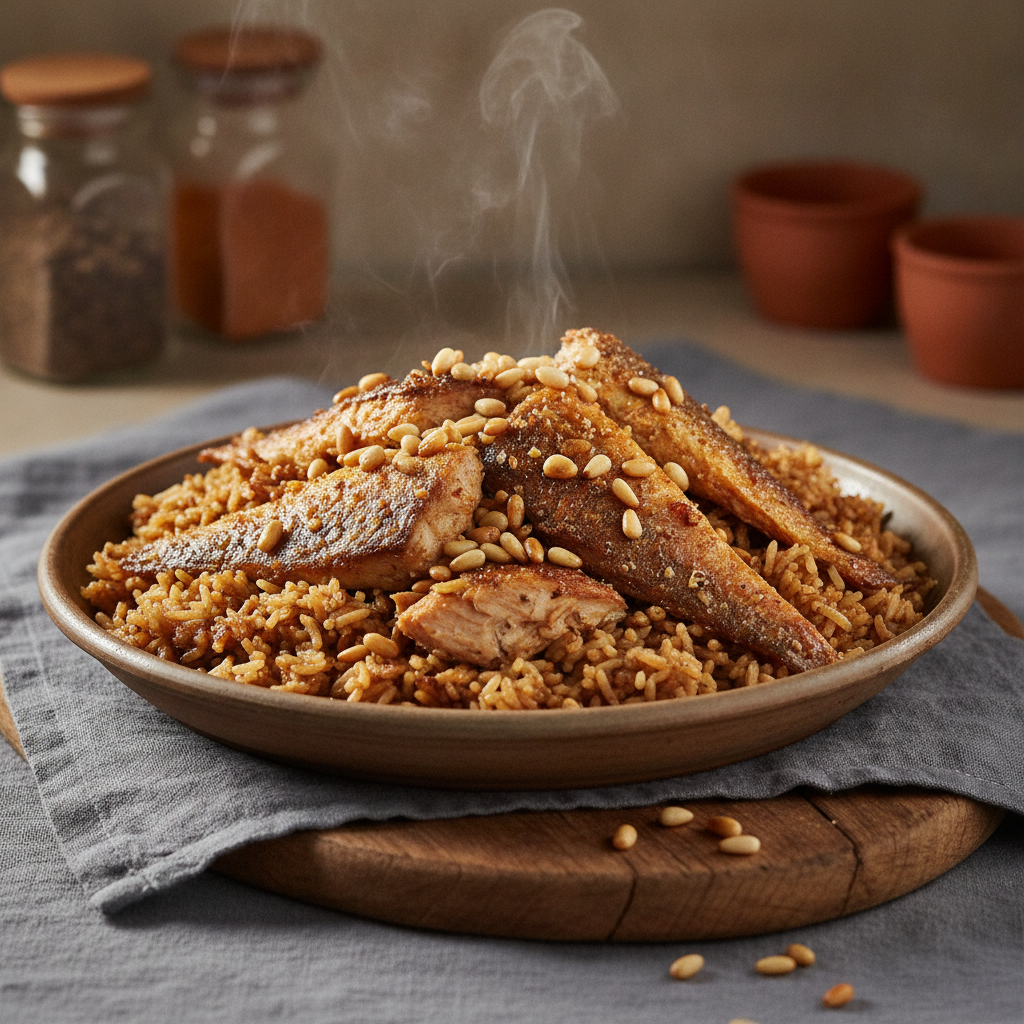
Middle Eastern cooking — Lebanese, Syrian, Palestinian, Jordanian, with cross-pollination from Turkey and Egypt — is built on a small pantry that produces an enormous spread. The mezze tradition shows the cuisine at its widest: ten small dishes that together make a meal, each one balancing sour against rich, raw against cooked, warm against cool.
The defining flavor is the citrus-and-herb axis. Lemon goes on almost everything. Parsley, mint, dill, cilantro come in handfuls, not garnishes. Sumac is the dried tang you didn't know you were missing. Pomegranate molasses turns a stew sour-sweet in a way no Western reduction does.
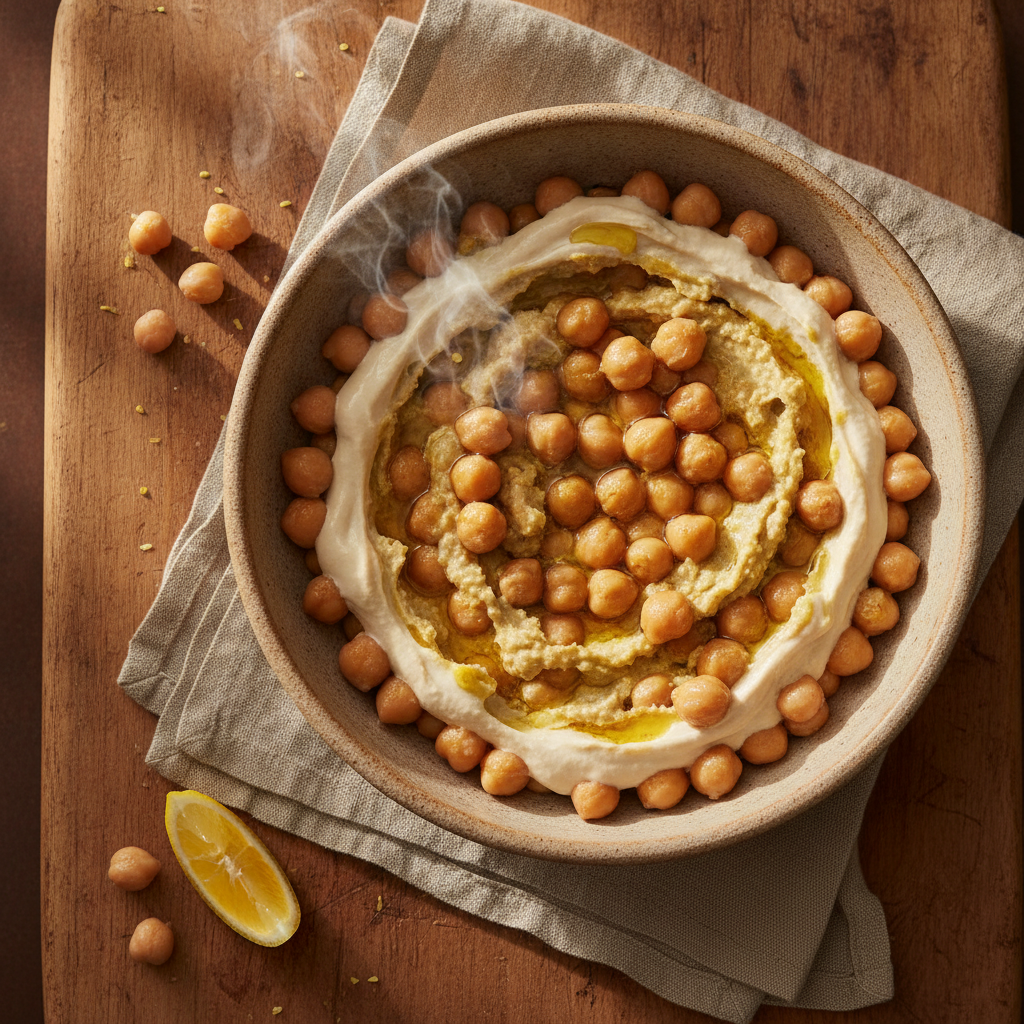
Souschef's Middle Eastern recipes lean into the everyday cooking of Beirut and the Bekaa Valley — fattoush for Tuesday, hummus done right, slow-braised lamb for Sunday. We'll teach you why peeling chickpeas matters, and when it doesn't.