Why are there so many onions?
They provide all the braising liquid and then dissolve completely into the sauce — there is no stock or tomato. The ratio seems absurd until you taste the result. Cutting back produces a thin, watery disappointment.
Italian · dinner
260m
Total time
4
Servings
760
kcal
medium
Difficulty
tap to check off
FAQ · Things people ask
They provide all the braising liquid and then dissolve completely into the sauce — there is no stock or tomato. The ratio seems absurd until you taste the result. Cutting back produces a thin, watery disappointment.
You can, but a slow cooker traps moisture rather than allowing it to evaporate and concentrate. A heavy Dutch oven on the lowest burner is closer to the original and gives a more intense, unctuous sauce. If you use a slow cooker, remove the lid for the last 45 minutes.
Ziti — traditionally whole long tubes, sometimes broken in half. Rigatoni is a legitimate and widely accepted substitute. Both shapes catch the thick sauce in their ridges and hollow centers. Avoid thin pasta; it will not hold up to this sauce.
The name traces to Genoese merchants stationed in 15th-century Naples under Aragonese rule, whose cooks sold meat-and-onion stews from port-side stalls. The dish is unknown in Liguria. This is a Neapolitan recipe through and through, with no connection to Ligurian pesto Genovese beyond the name.
Related · You might also cook
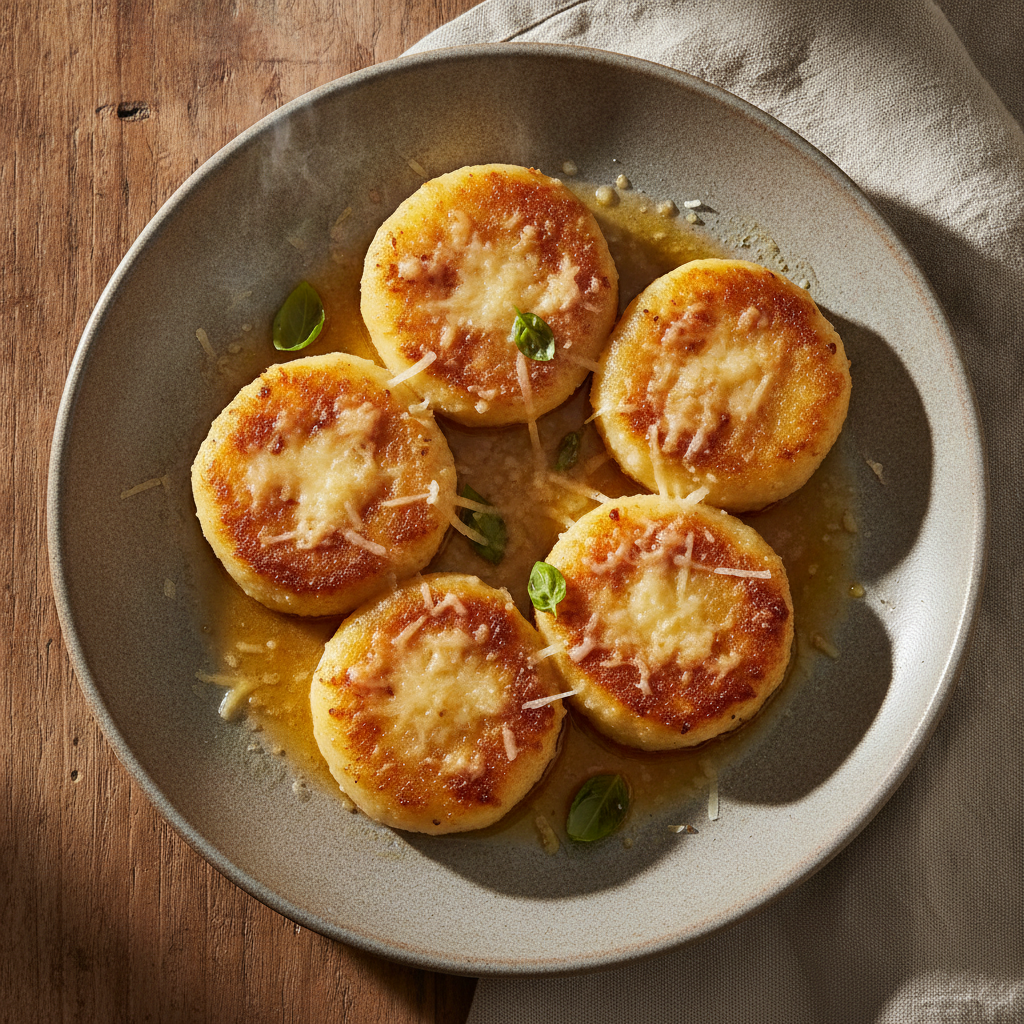
In Rome, Thursday is gnocchi day — and this is the gnocchi Romans were eating long before anyone thought to boil a potato. Semolina rounds, baked until the Parmigiano crust crackles and the interior stays soft, is cucina romana at its most direct.
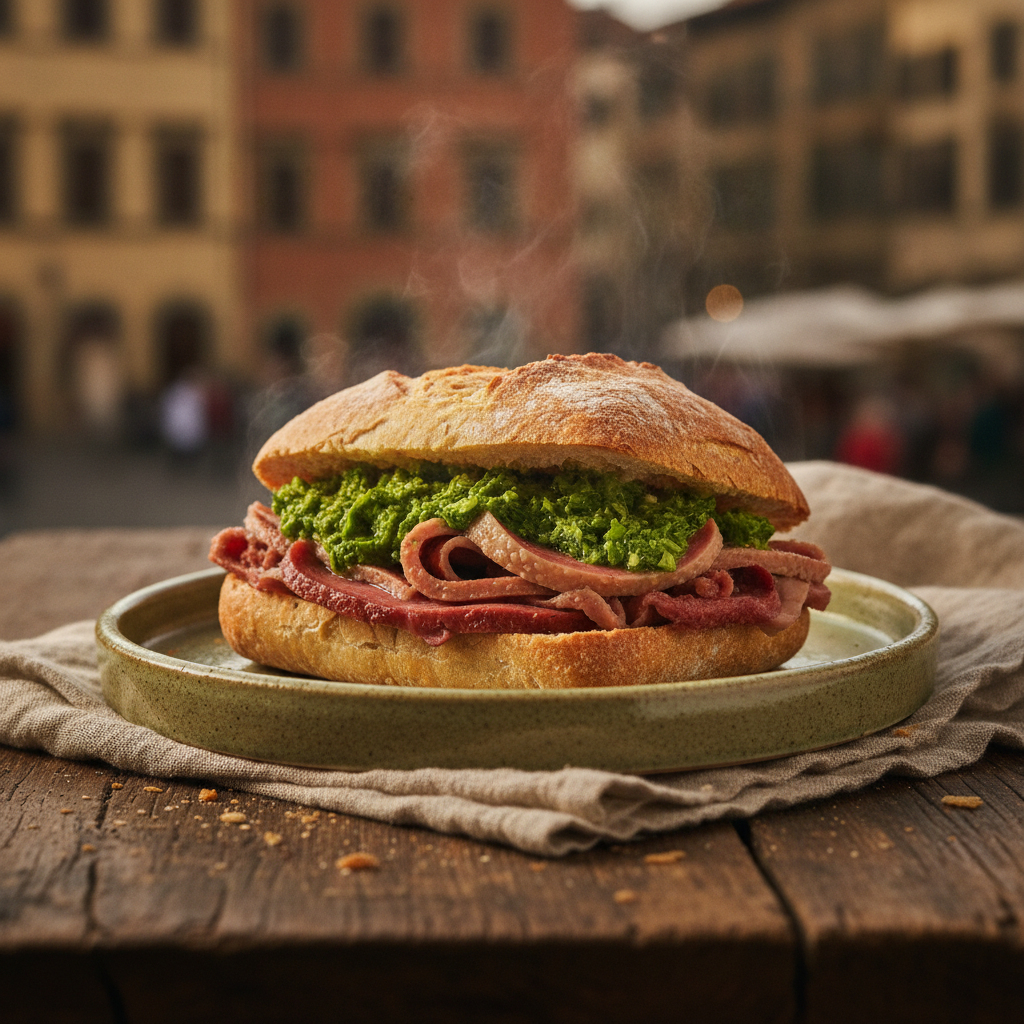
Lampredotto is Florence's most stubbornly local street food — the fourth stomach of the cow, slow-simmered in an aromatic broth, piled into a crusty roll, and finished with sharp salsa verde. The lampredottai have been selling it from carts at the city's markets since medieval times, and the formula hasn't changed.
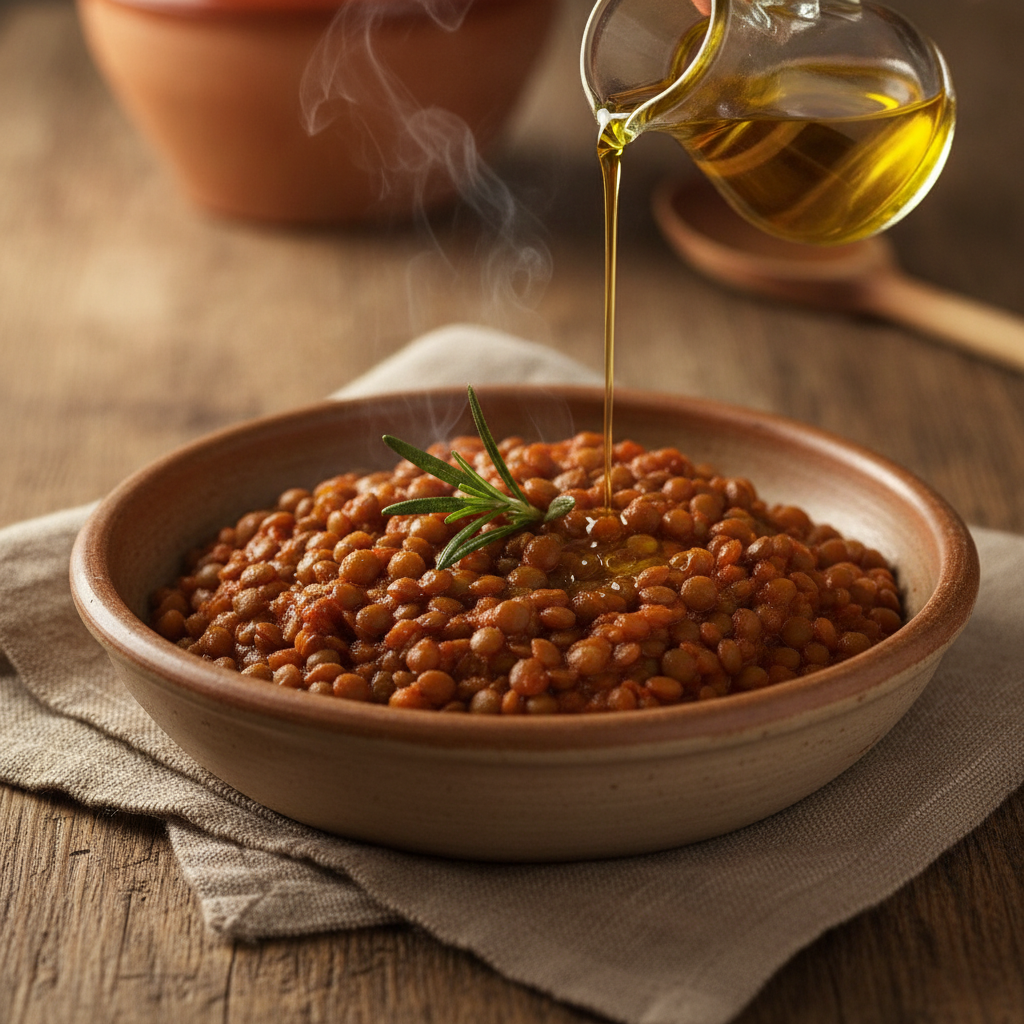
Castelluccio lentils from the Sibillini plateau have held IGP status since 1997 — small, thin-skinned, nutty, and built to hold their shape through a long braise. This is the Umbrian way: slow soffritto, crushed tomato, a sprig of rosemary, and a serious pour of raw olive oil at the table.
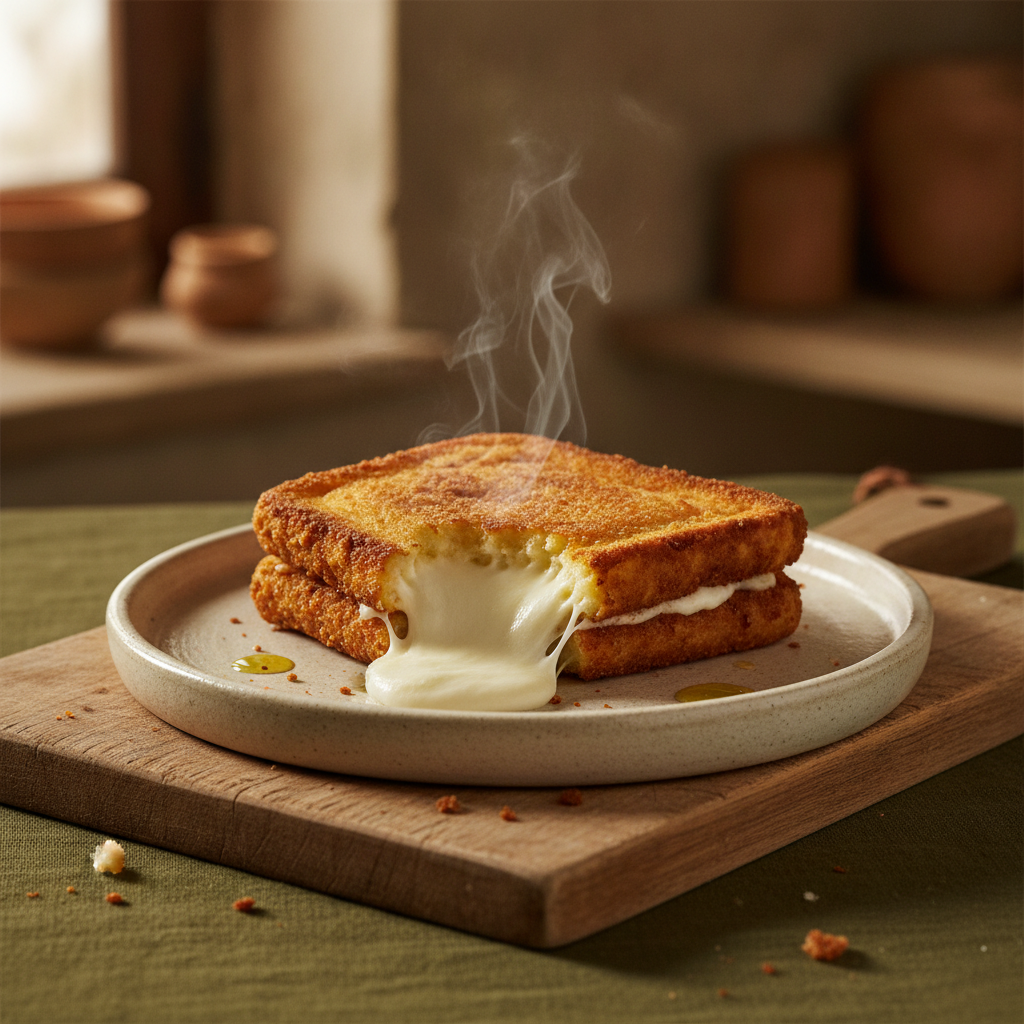
Campanian by birth, Roman by adoption — mozzarella in carrozza is cucina povera at its most satisfying: a sealed bread pocket that traps the cheese so completely it's still pulling strings two minutes after you plate it.