Can I use red or brown lentils instead?
Not ideally — both types disintegrate when braised this long. Castelluccio or Puy are the right choice. Beluga (black) lentils are a solid second substitute since they hold their shape well.
Italian · dinner
60m
Total time
4
Servings
380
kcal
easy
Difficulty
tap to check off
FAQ · Things people ask
Not ideally — both types disintegrate when braised this long. Castelluccio or Puy are the right choice. Beluga (black) lentils are a solid second substitute since they hold their shape well.
In umido means 'in its own broth' — the result should be saucy and spoonable, not a thin soup and not a dry stew. Check the consistency in the last 10 minutes: add a splash of broth if it's too tight, or cook uncovered a little longer if it needs to reduce.
Yes. Add 50g of diced pancetta right after the soffritto vegetables have softened, brown it briefly, then proceed as written. It takes the dish in a meatier direction without overwhelming the lentils.
Press one between two fingers — it should yield completely with no chalky white centre. This usually happens 40-50 minutes from when the liquid is added, depending on how old your lentils are.
Related · You might also cook

In Rome, Thursday is gnocchi day — and this is the gnocchi Romans were eating long before anyone thought to boil a potato. Semolina rounds, baked until the Parmigiano crust crackles and the interior stays soft, is cucina romana at its most direct.
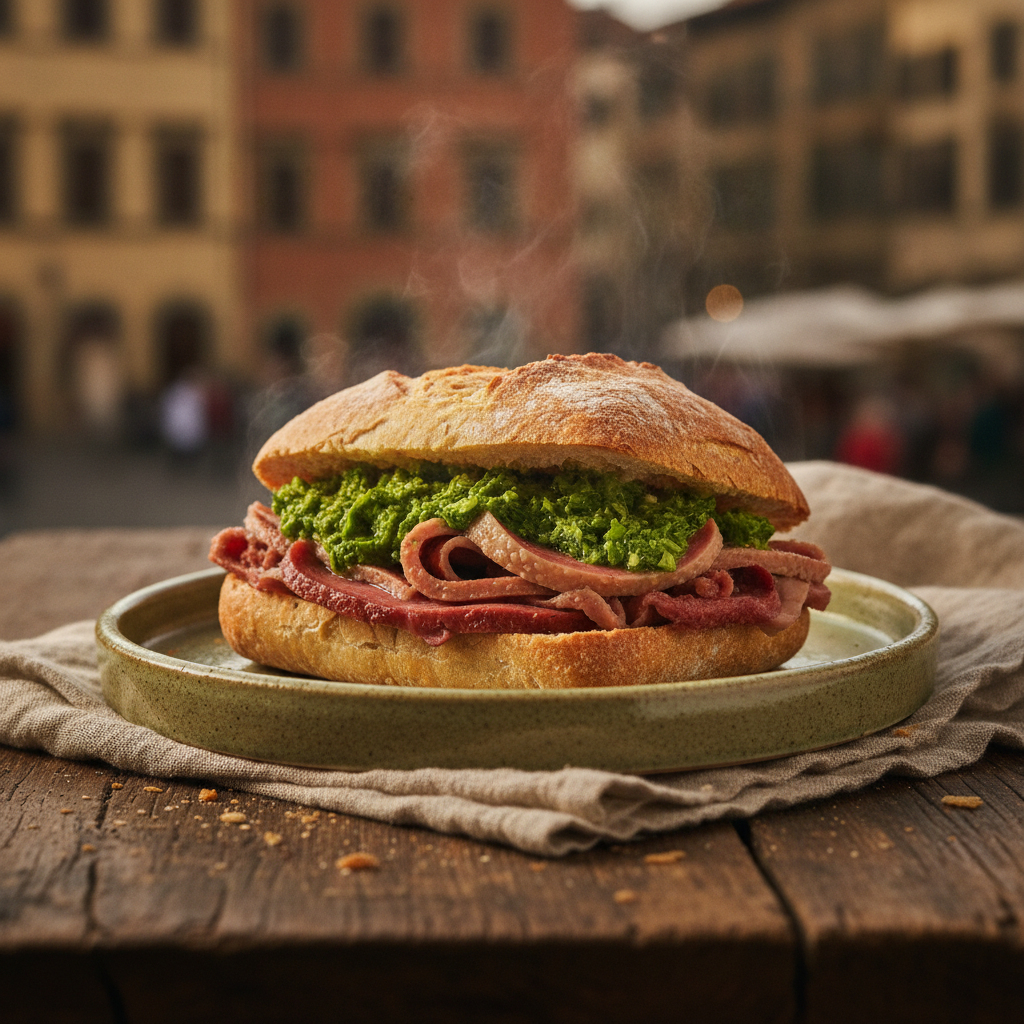
Lampredotto is Florence's most stubbornly local street food — the fourth stomach of the cow, slow-simmered in an aromatic broth, piled into a crusty roll, and finished with sharp salsa verde. The lampredottai have been selling it from carts at the city's markets since medieval times, and the formula hasn't changed.
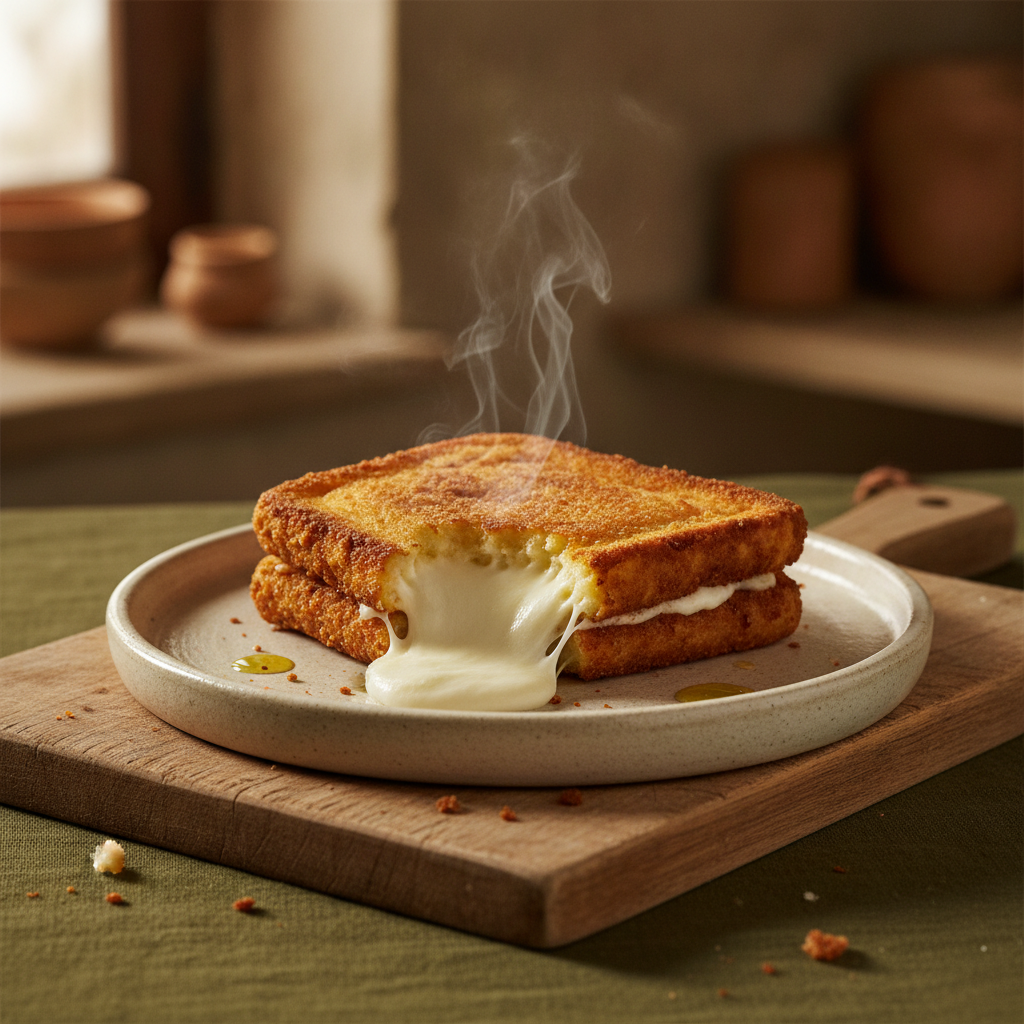
Campanian by birth, Roman by adoption — mozzarella in carrozza is cucina povera at its most satisfying: a sealed bread pocket that traps the cheese so completely it's still pulling strings two minutes after you plate it.
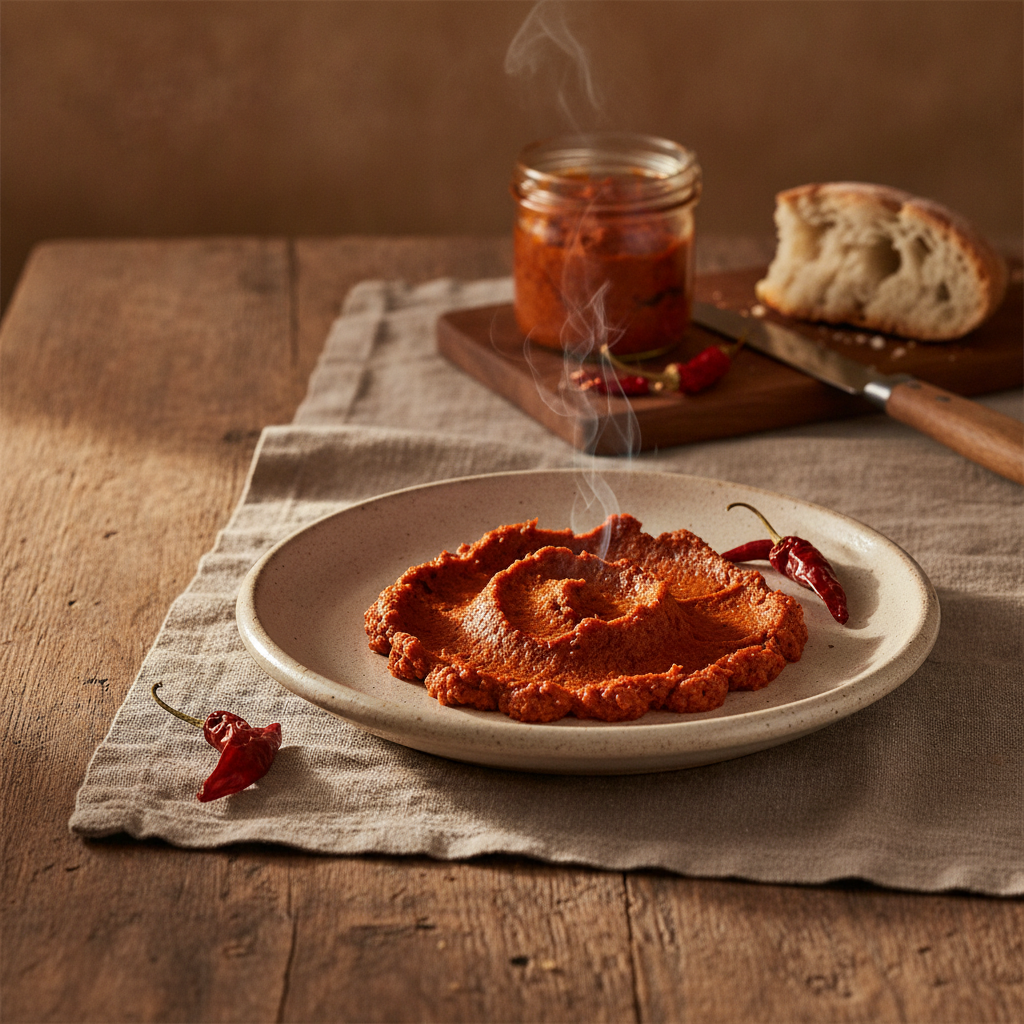
'Nduja comes from Spilinga, a hillside village in Calabria, where poverty turned pig scraps and a surplus of dried chiles into one of Italy's most imitated condiments. The cure takes 60 days minimum — but the active work is under an hour.