Can I use chicken or pork instead of veal?
Yes. Pound chicken breast or pork loin to the same 4–5mm thickness. The technique is identical; pork may need a few extra seconds per side. Flavor will be less delicate but still very good.
Italian · dinner
30m
Total time
4
Servings
450
kcal
easy
Difficulty
tap to check off
FAQ · Things people ask
Yes. Pound chicken breast or pork loin to the same 4–5mm thickness. The technique is identical; pork may need a few extra seconds per side. Flavor will be less delicate but still very good.
Skip the supermarket cooking Marsala — it is salted and inferior. A dry Madeira or dry sherry is a reasonable stand-in. The flavor shifts but the technique works. Keep roughly 70% dry to 30% sweet regardless.
No. The purest versions don't include them. Mushrooms are a common Italian-American addition. If you want them, sauté cremini separately until properly browned before deglazing — never add them raw to the pan and pour in wine immediately, or they'll steam.
Flour absorbs moisture fast. If you dredge and let the cutlets sit, the coating goes gummy and sticks in clumps. Dredge each batch just before it hits the oil.
Related · You might also cook
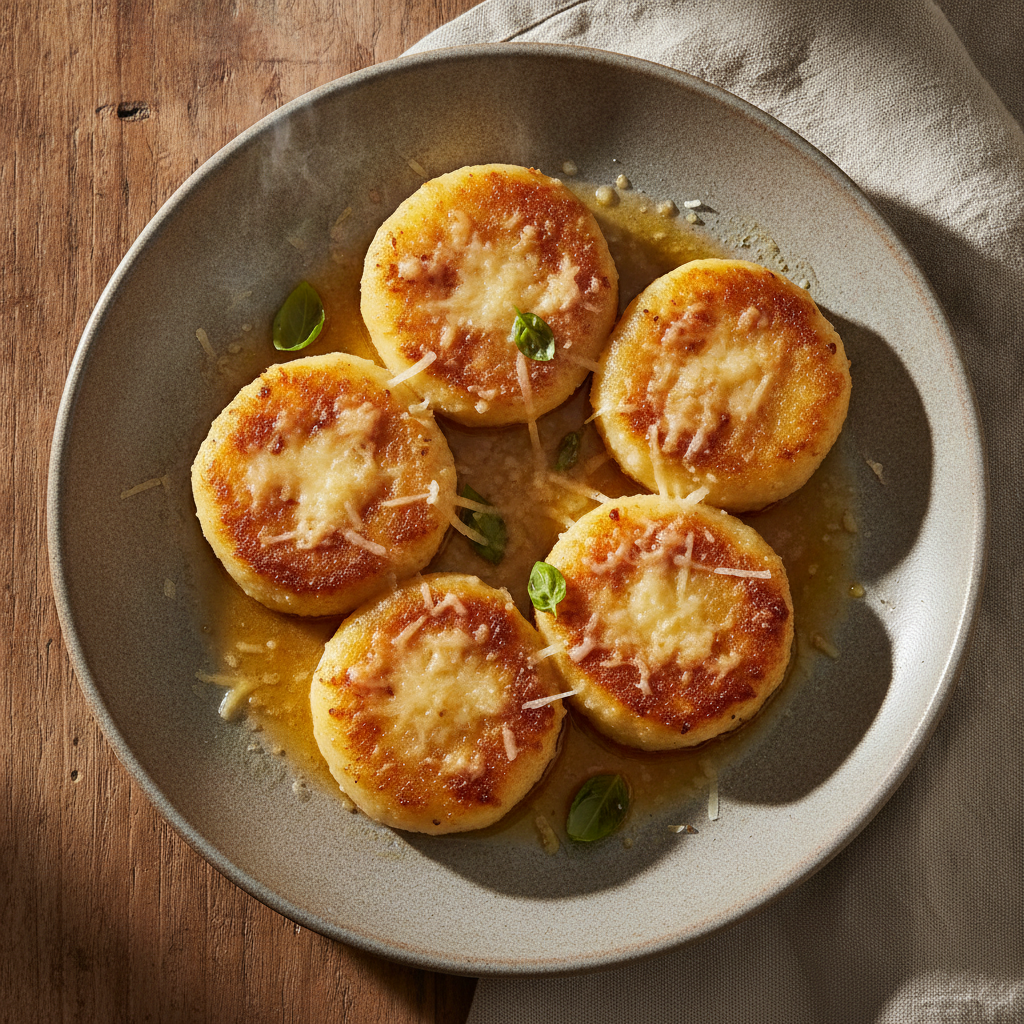
In Rome, Thursday is gnocchi day — and this is the gnocchi Romans were eating long before anyone thought to boil a potato. Semolina rounds, baked until the Parmigiano crust crackles and the interior stays soft, is cucina romana at its most direct.
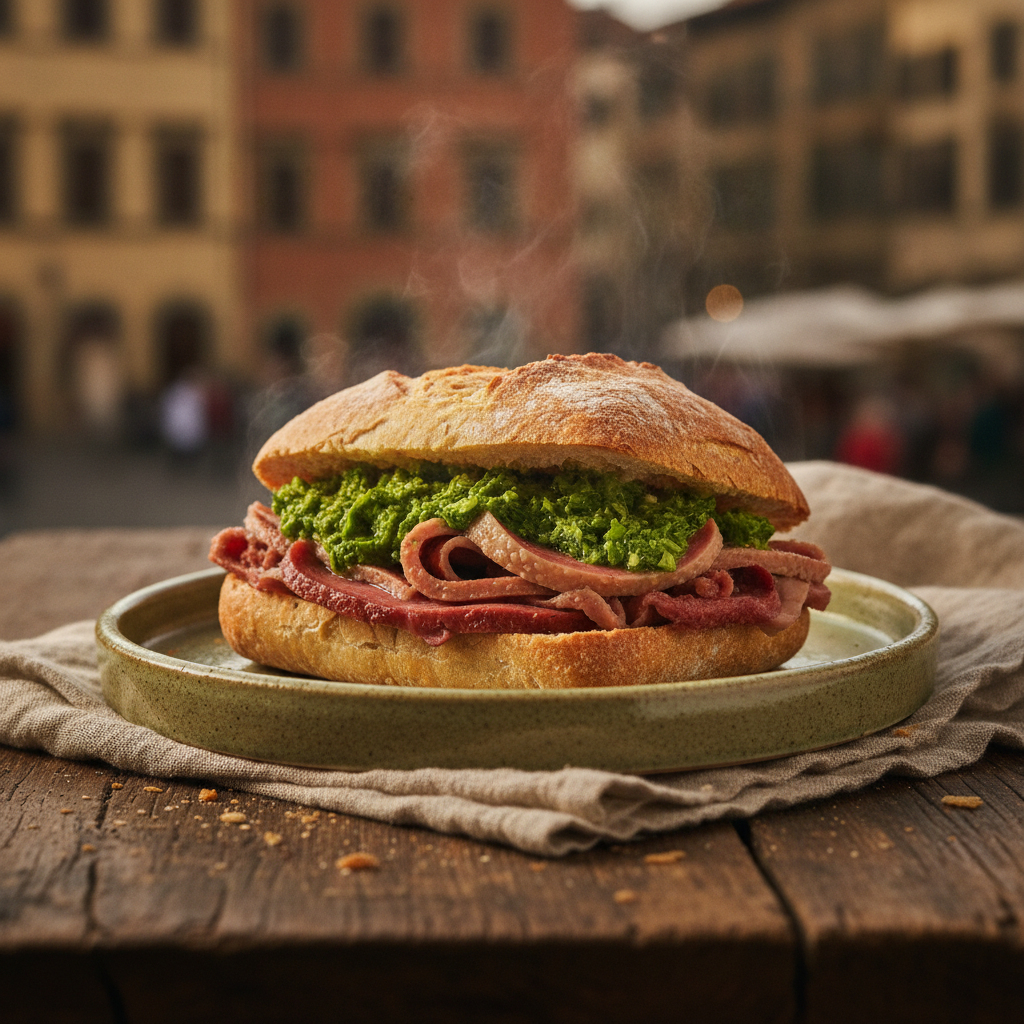
Lampredotto is Florence's most stubbornly local street food — the fourth stomach of the cow, slow-simmered in an aromatic broth, piled into a crusty roll, and finished with sharp salsa verde. The lampredottai have been selling it from carts at the city's markets since medieval times, and the formula hasn't changed.
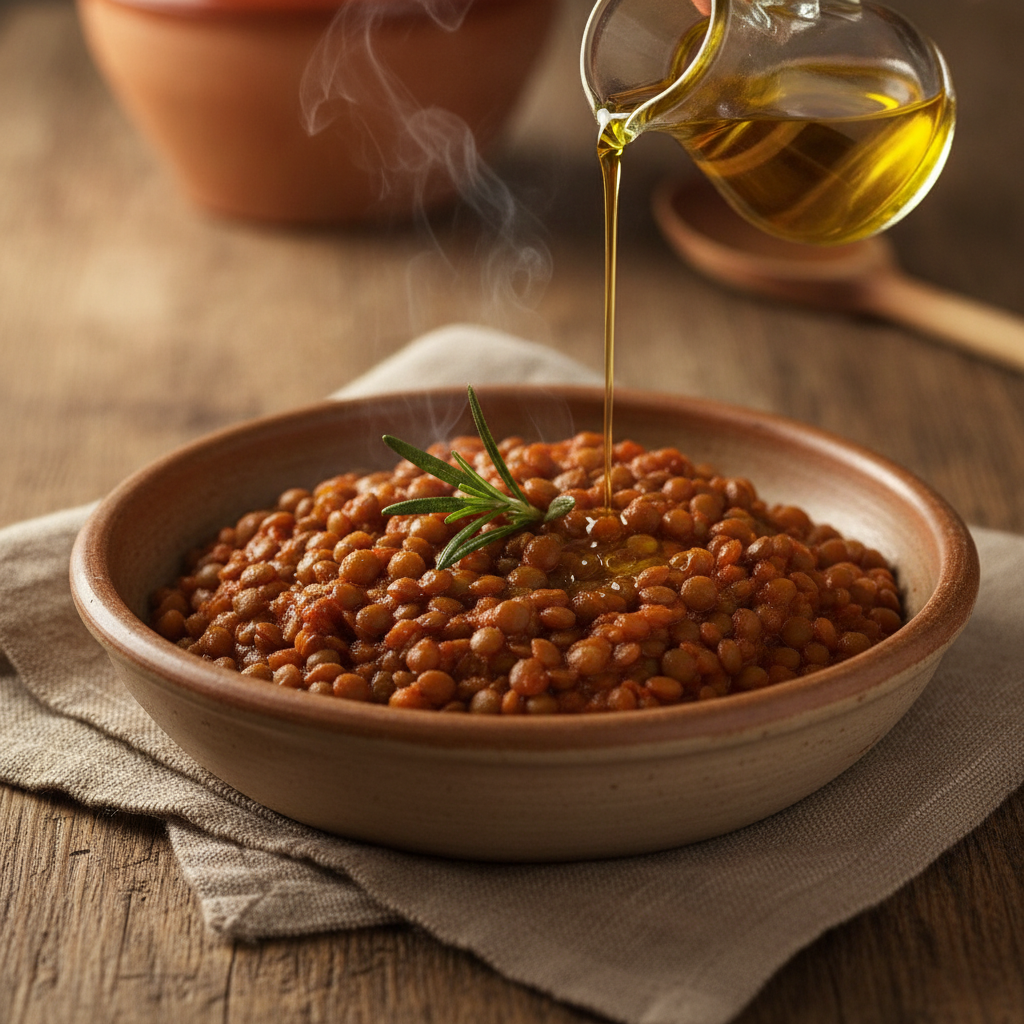
Castelluccio lentils from the Sibillini plateau have held IGP status since 1997 — small, thin-skinned, nutty, and built to hold their shape through a long braise. This is the Umbrian way: slow soffritto, crushed tomato, a sprig of rosemary, and a serious pour of raw olive oil at the table.
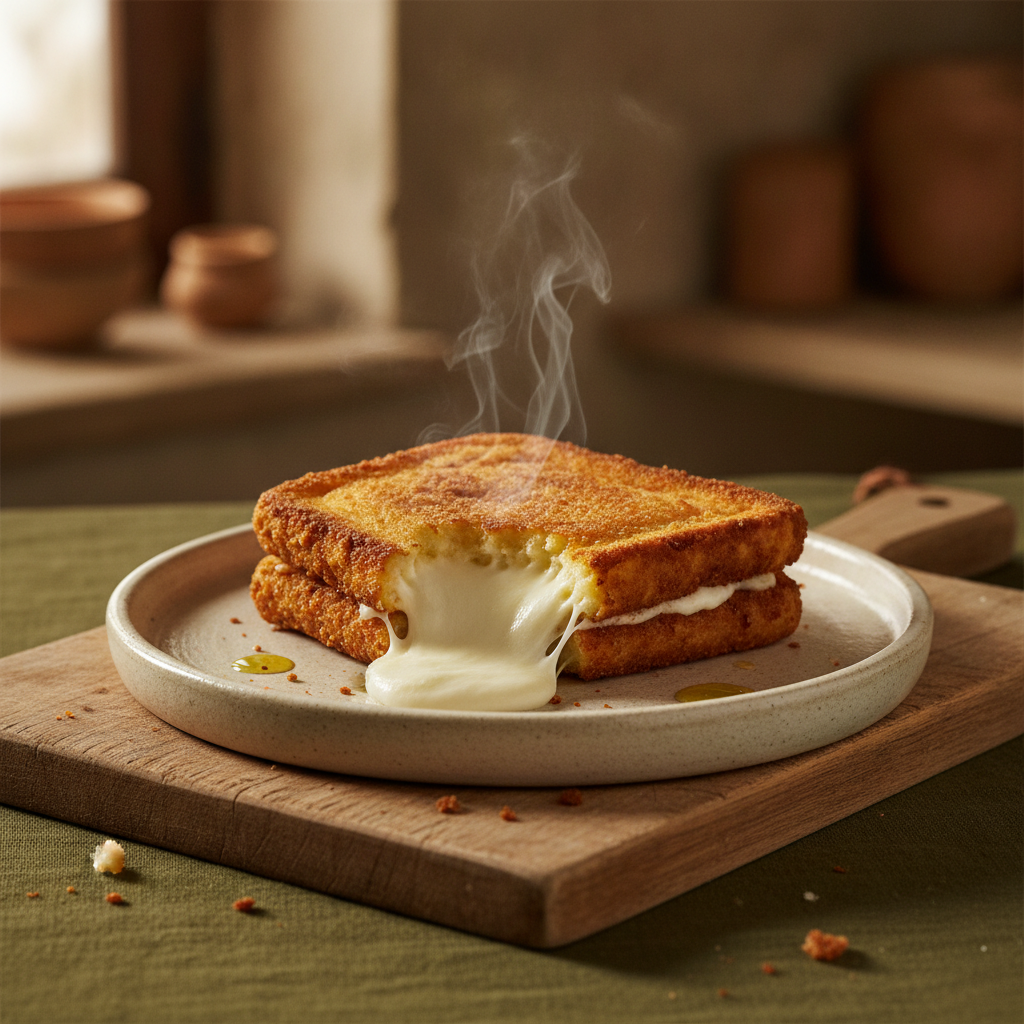
Campanian by birth, Roman by adoption — mozzarella in carrozza is cucina povera at its most satisfying: a sealed bread pocket that traps the cheese so completely it's still pulling strings two minutes after you plate it.