Can I use instant polenta?
You can, but you'll sacrifice texture — instant polenta tends to be thinner and less toothsome. If using it, follow packet timings and be generous with butter and Parmigiano at the end to compensate.
Italian · dinner
80m
Total time
4
Servings
480
kcal
medium
Difficulty
tap to check off
FAQ · Things people ask
You can, but you'll sacrifice texture — instant polenta tends to be thinner and less toothsome. If using it, follow packet timings and be generous with butter and Parmigiano at the end to compensate.
Fresh porcini, when in season (late summer through autumn), give a firmer, more delicate result. Dried porcini are available year-round and pack more concentrated flavor. A combination is ideal: use dried for the soaking liquid's umami depth, and fresh or cremini for texture.
Almost always the issue is adding the cornmeal too fast or into water that isn't fully boiling. Pour in a thin, steady stream while whisking constantly, the same way you'd make a béchamel. Once incorporated, switch to a wooden spoon.
Yes. Spread leftover polenta into a lightly oiled tray, let it set and chill, then slice and pan-fry or grill to order. It won't be as creamy as freshly made, but the firmer slices carry mushroom toppings well.
Grana Padano is the closest — same technique, slightly milder flavor. Pecorino adds a sharper, saltier edge. Avoid pre-grated blends; anti-caking agents prevent smooth melting.
Related · You might also cook
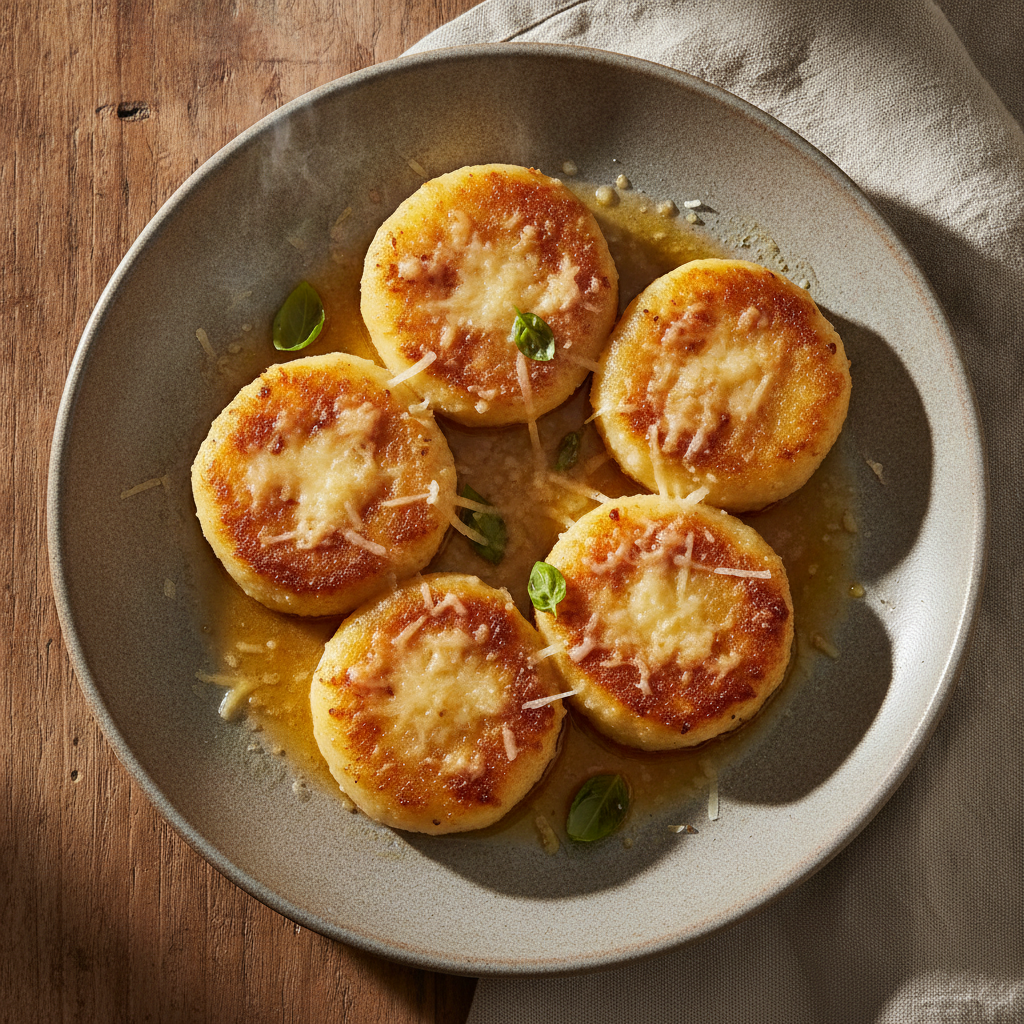
In Rome, Thursday is gnocchi day — and this is the gnocchi Romans were eating long before anyone thought to boil a potato. Semolina rounds, baked until the Parmigiano crust crackles and the interior stays soft, is cucina romana at its most direct.
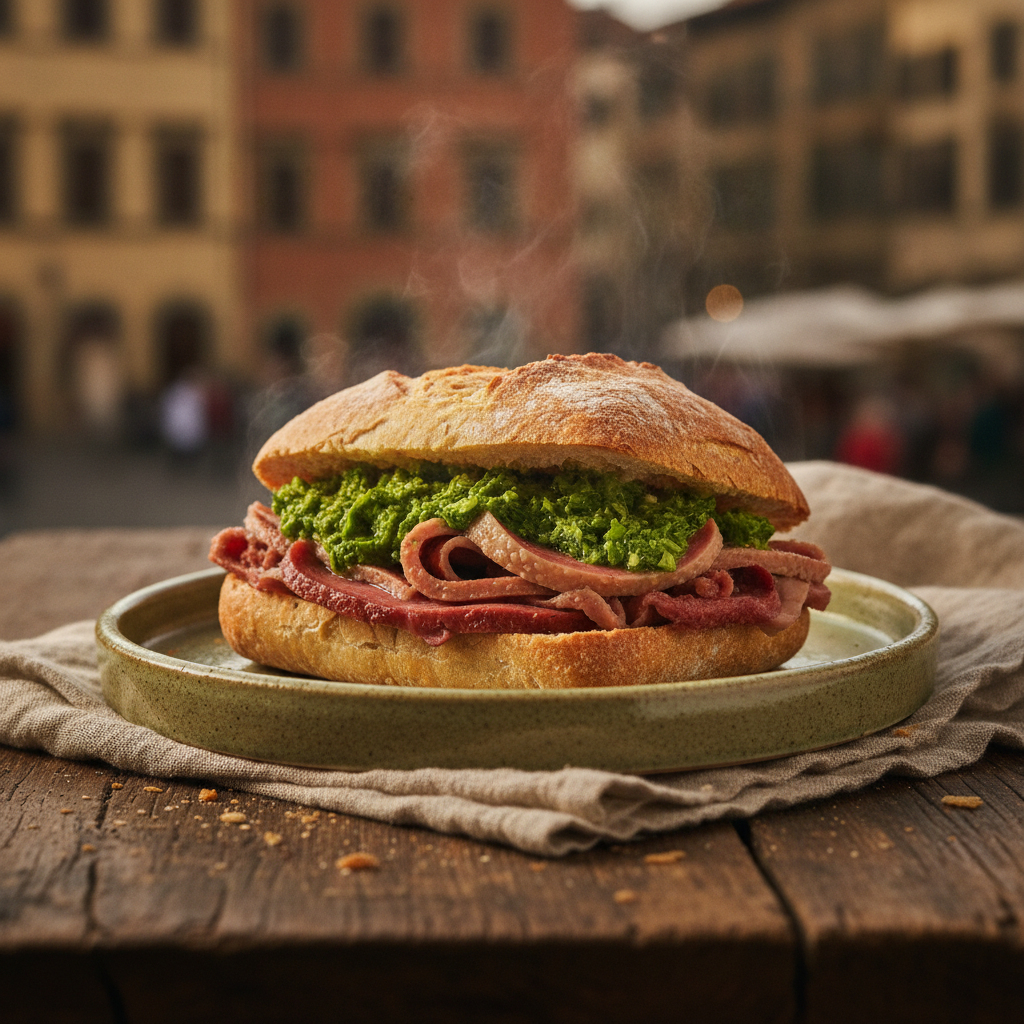
Lampredotto is Florence's most stubbornly local street food — the fourth stomach of the cow, slow-simmered in an aromatic broth, piled into a crusty roll, and finished with sharp salsa verde. The lampredottai have been selling it from carts at the city's markets since medieval times, and the formula hasn't changed.
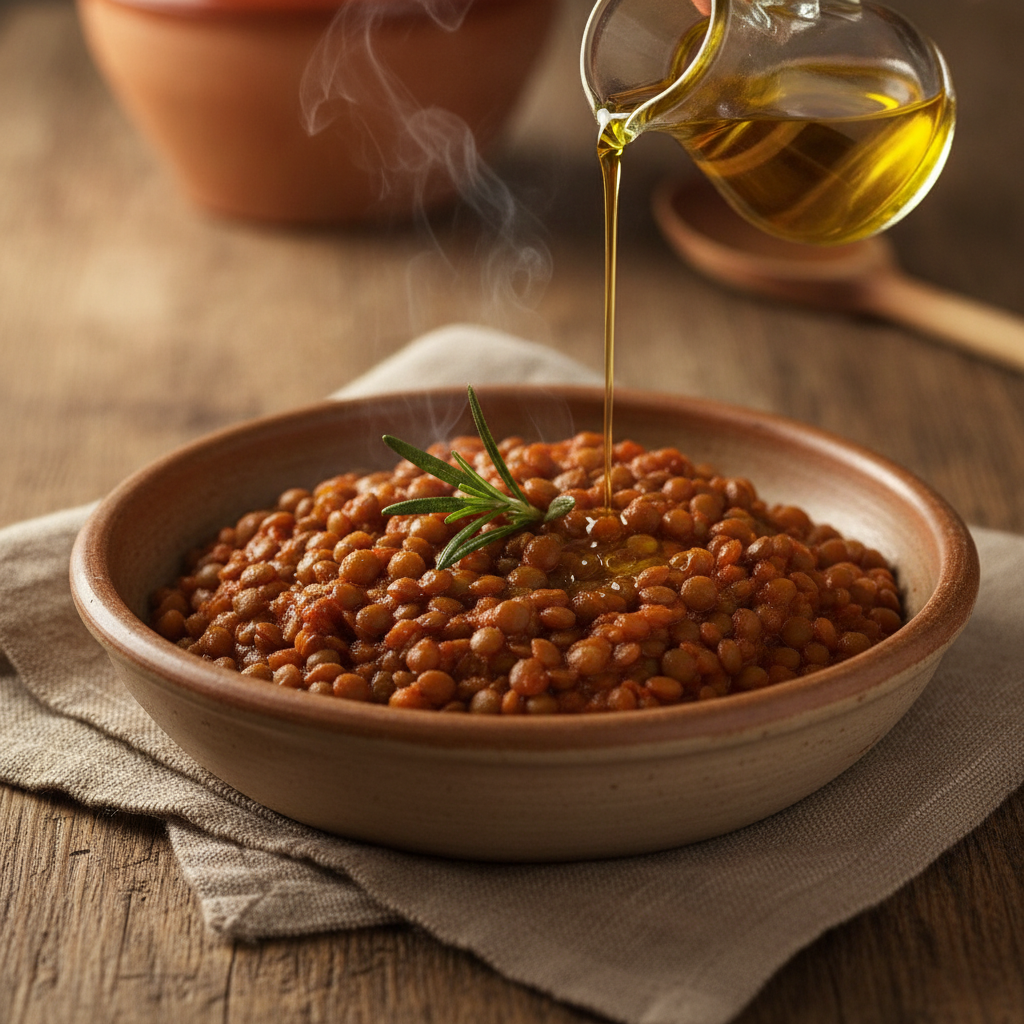
Castelluccio lentils from the Sibillini plateau have held IGP status since 1997 — small, thin-skinned, nutty, and built to hold their shape through a long braise. This is the Umbrian way: slow soffritto, crushed tomato, a sprig of rosemary, and a serious pour of raw olive oil at the table.
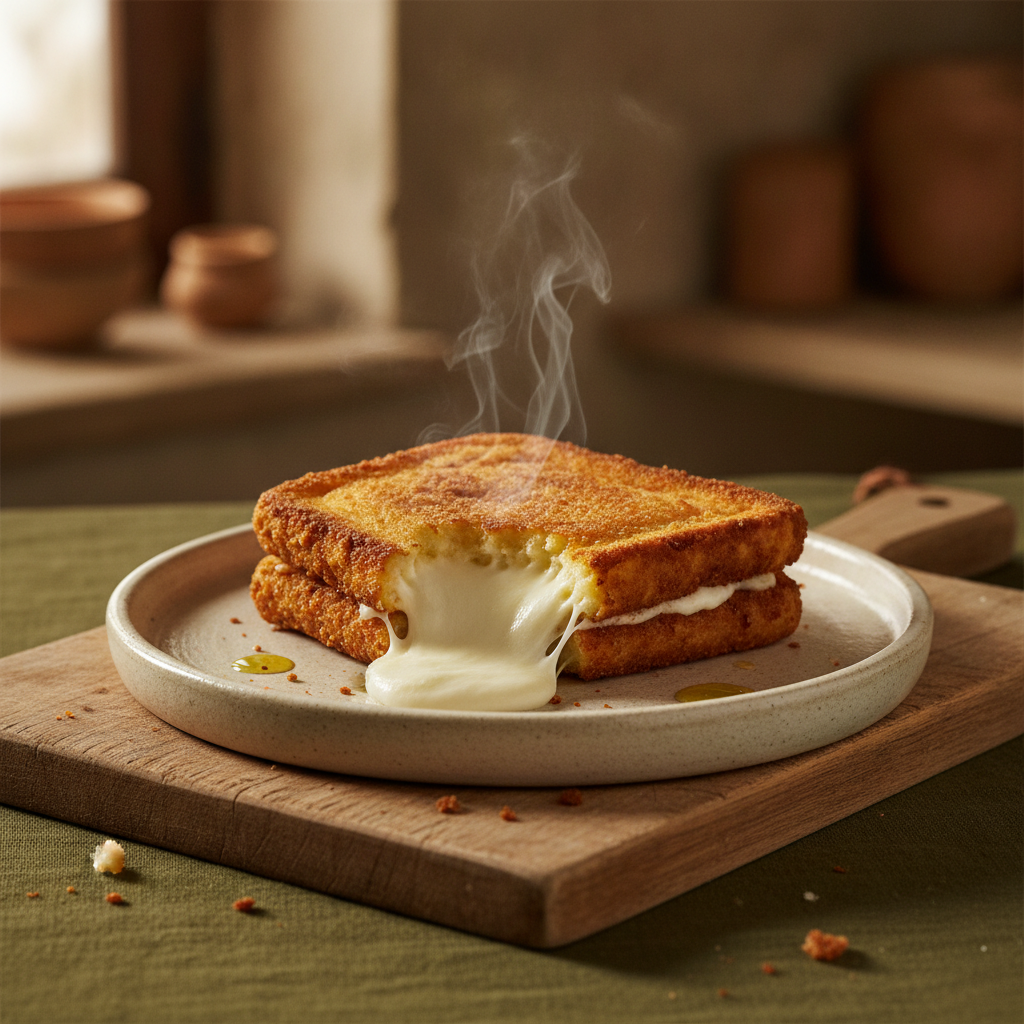
Campanian by birth, Roman by adoption — mozzarella in carrozza is cucina povera at its most satisfying: a sealed bread pocket that traps the cheese so completely it's still pulling strings two minutes after you plate it.