What type of bread is traditional?
Unsalted Tuscan pane sciocco — but any dense, chewy white bread works. Ciabatta is a widely available substitute. Avoid soft enriched bread or anything with seeds.
Italian · lunch
20m
Total time
4
Servings
280
kcal
easy
Difficulty
tap to check off
FAQ · Things people ask
Unsalted Tuscan pane sciocco — but any dense, chewy white bread works. Ciabatta is a widely available substitute. Avoid soft enriched bread or anything with seeds.
Classic panzanella is tomatoes, cucumber, red onion, and basil. Celery and capers are traditional in some versions. Capsicum is also common.
Very ripe — the juice they release is the whole point of the dish. Out-of-season tomatoes make a poor panzanella. Wait for summer.
Related · You might also cook
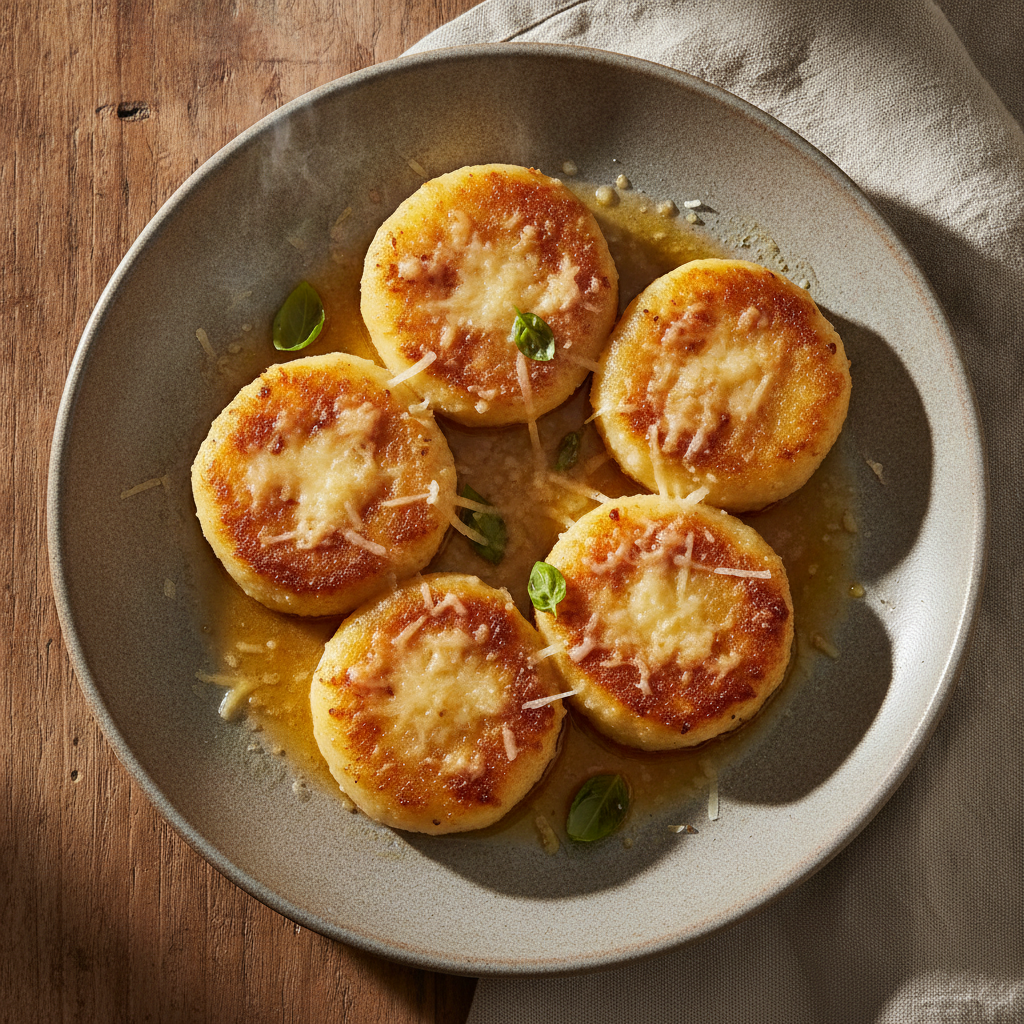
In Rome, Thursday is gnocchi day — and this is the gnocchi Romans were eating long before anyone thought to boil a potato. Semolina rounds, baked until the Parmigiano crust crackles and the interior stays soft, is cucina romana at its most direct.
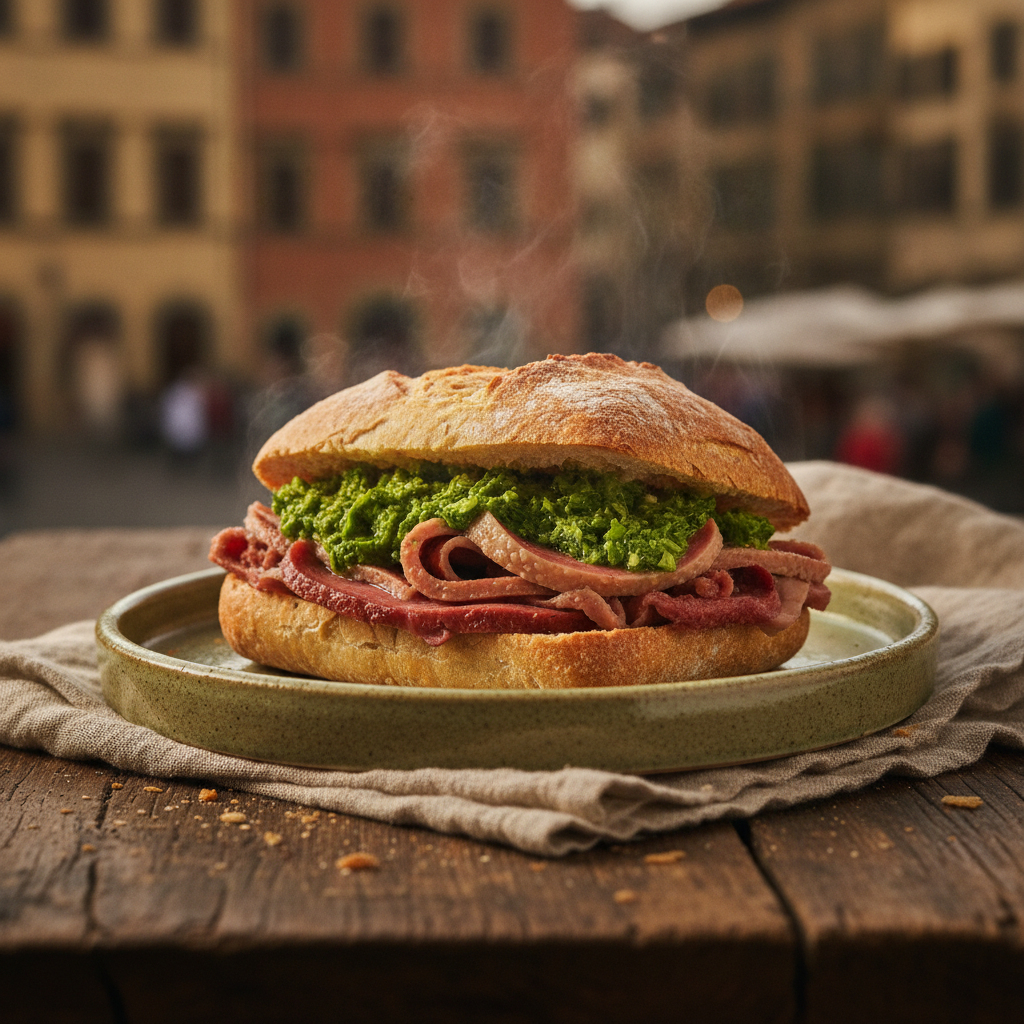
Lampredotto is Florence's most stubbornly local street food — the fourth stomach of the cow, slow-simmered in an aromatic broth, piled into a crusty roll, and finished with sharp salsa verde. The lampredottai have been selling it from carts at the city's markets since medieval times, and the formula hasn't changed.
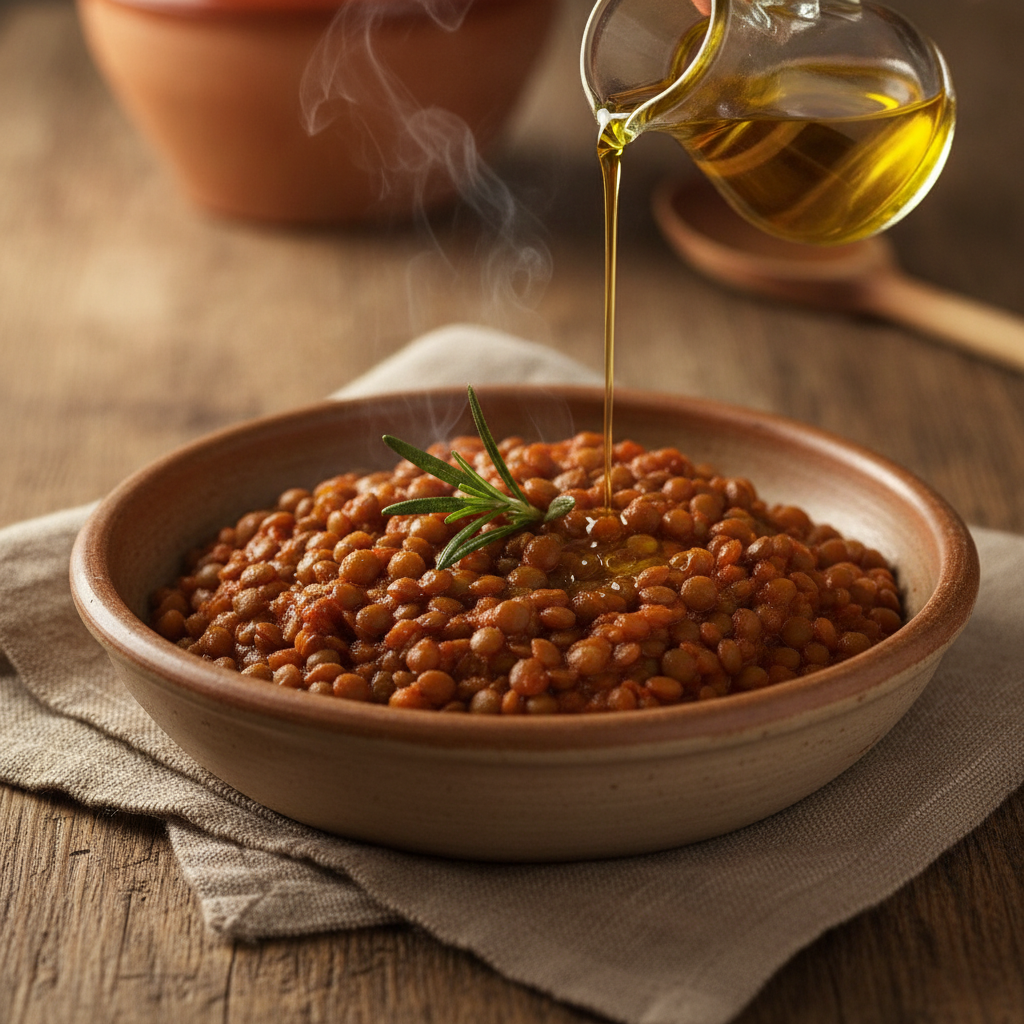
Castelluccio lentils from the Sibillini plateau have held IGP status since 1997 — small, thin-skinned, nutty, and built to hold their shape through a long braise. This is the Umbrian way: slow soffritto, crushed tomato, a sprig of rosemary, and a serious pour of raw olive oil at the table.
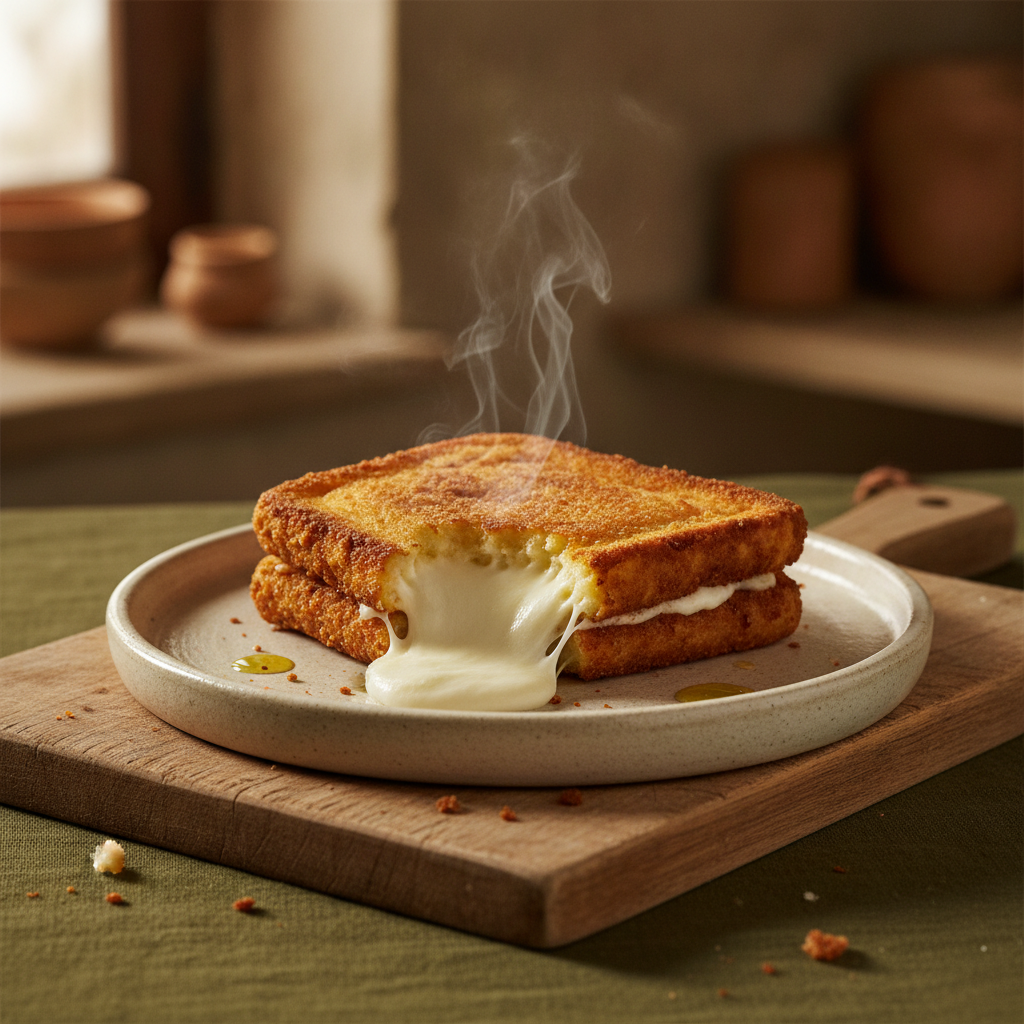
Campanian by birth, Roman by adoption — mozzarella in carrozza is cucina povera at its most satisfying: a sealed bread pocket that traps the cheese so completely it's still pulling strings two minutes after you plate it.