Can I make supplì ahead of time?
Yes — shape and bread them, then refrigerate uncovered on a tray for up to 24 hours before frying. Don't freeze before frying; the mozzarella weeps too much on thaw and the crust turns soggy.
Italian · snack
80m
Total time
4
Servings
520
kcal
medium
Difficulty
tap to check off
FAQ · Things people ask
Yes — shape and bread them, then refrigerate uncovered on a tray for up to 24 hours before frying. Don't freeze before frying; the mozzarella weeps too much on thaw and the crust turns soggy.
Supplì are Roman: smaller, oval, tomato-based rice with a simple mozzarella filling. Arancini are Sicilian: larger, round or cone-shaped, often with saffron rice, ragù, and peas inside. Same principle, very different dish.
Absolutely — this is the original use case. The rice should already be thick enough; just cool it fully, fold in grated Parmigiano and extra seasoning if needed, and shape.
Sunflower or a neutral vegetable oil — both have a high enough smoke point for 175°C. Light refined olive oil also works, but extra-virgin is expensive and unnecessary here.
Related · You might also cook
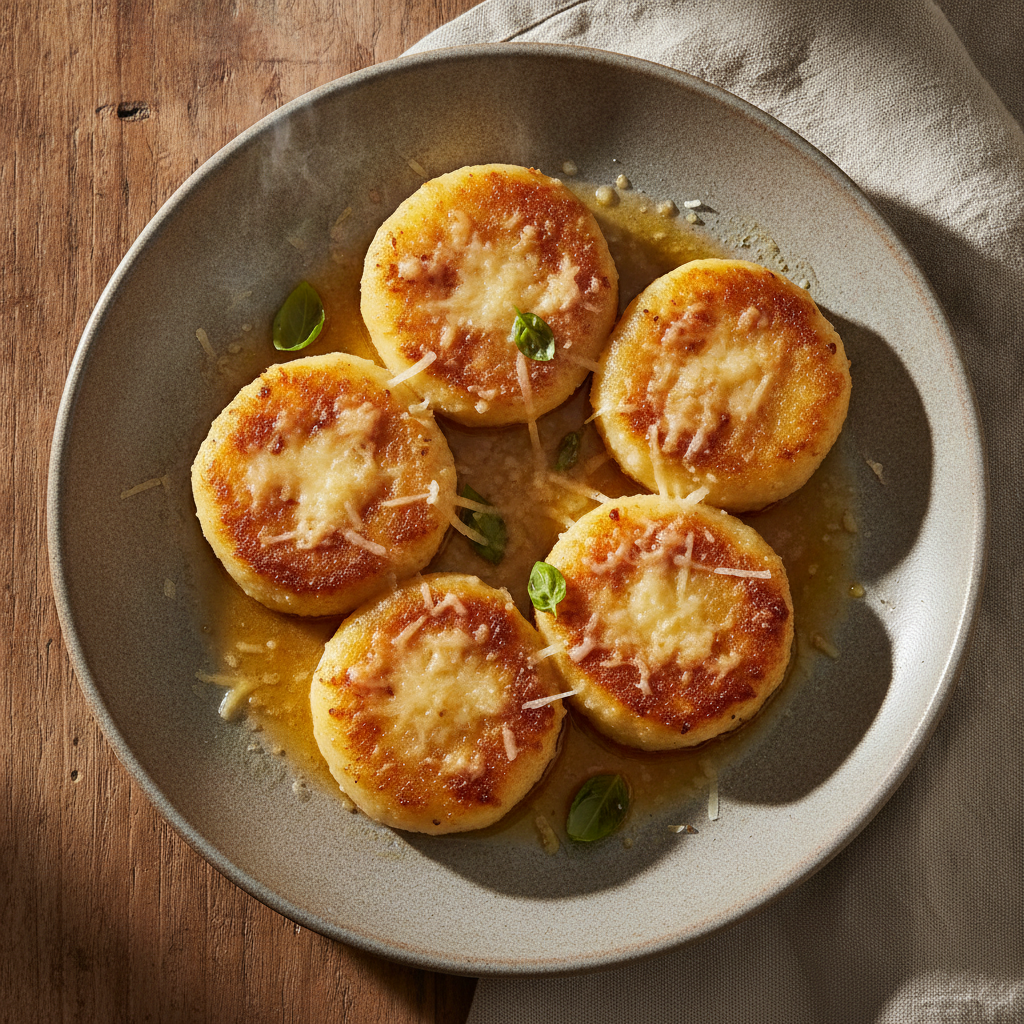
In Rome, Thursday is gnocchi day — and this is the gnocchi Romans were eating long before anyone thought to boil a potato. Semolina rounds, baked until the Parmigiano crust crackles and the interior stays soft, is cucina romana at its most direct.
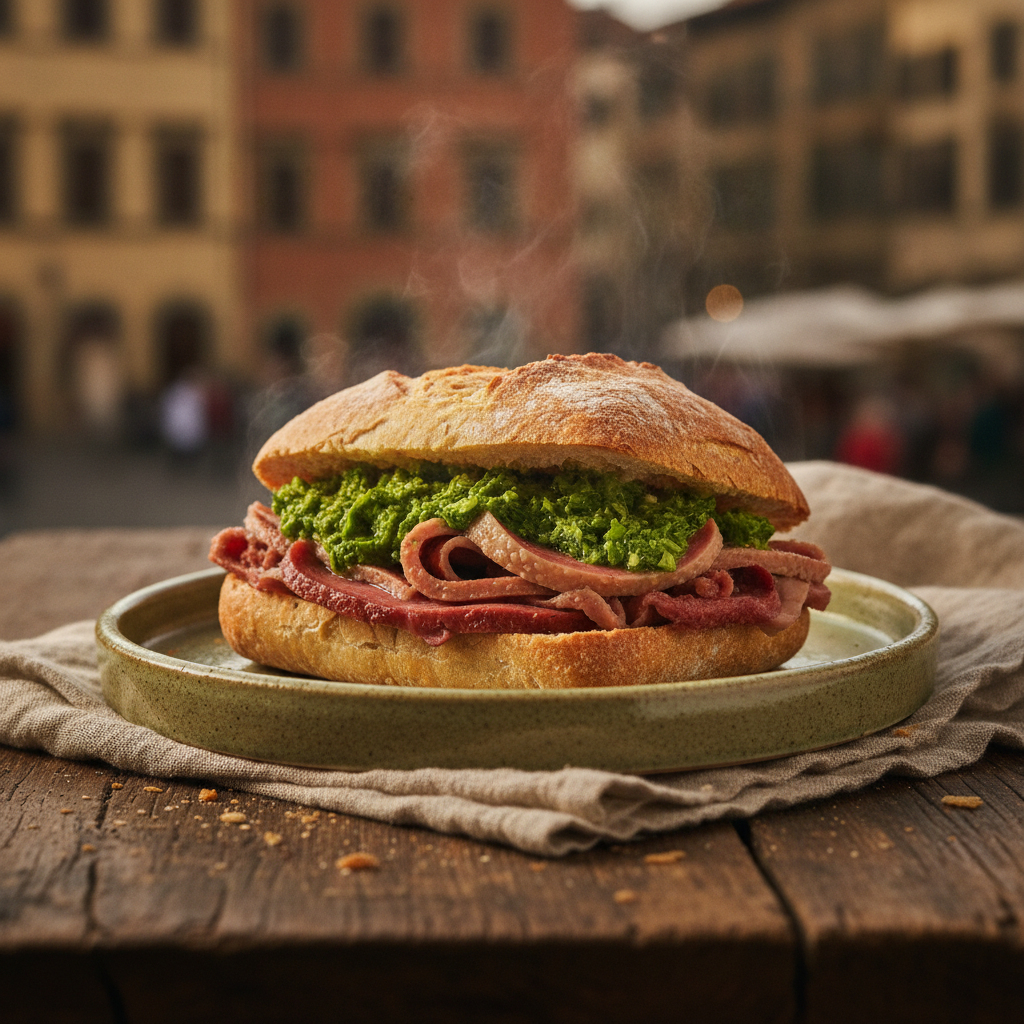
Lampredotto is Florence's most stubbornly local street food — the fourth stomach of the cow, slow-simmered in an aromatic broth, piled into a crusty roll, and finished with sharp salsa verde. The lampredottai have been selling it from carts at the city's markets since medieval times, and the formula hasn't changed.
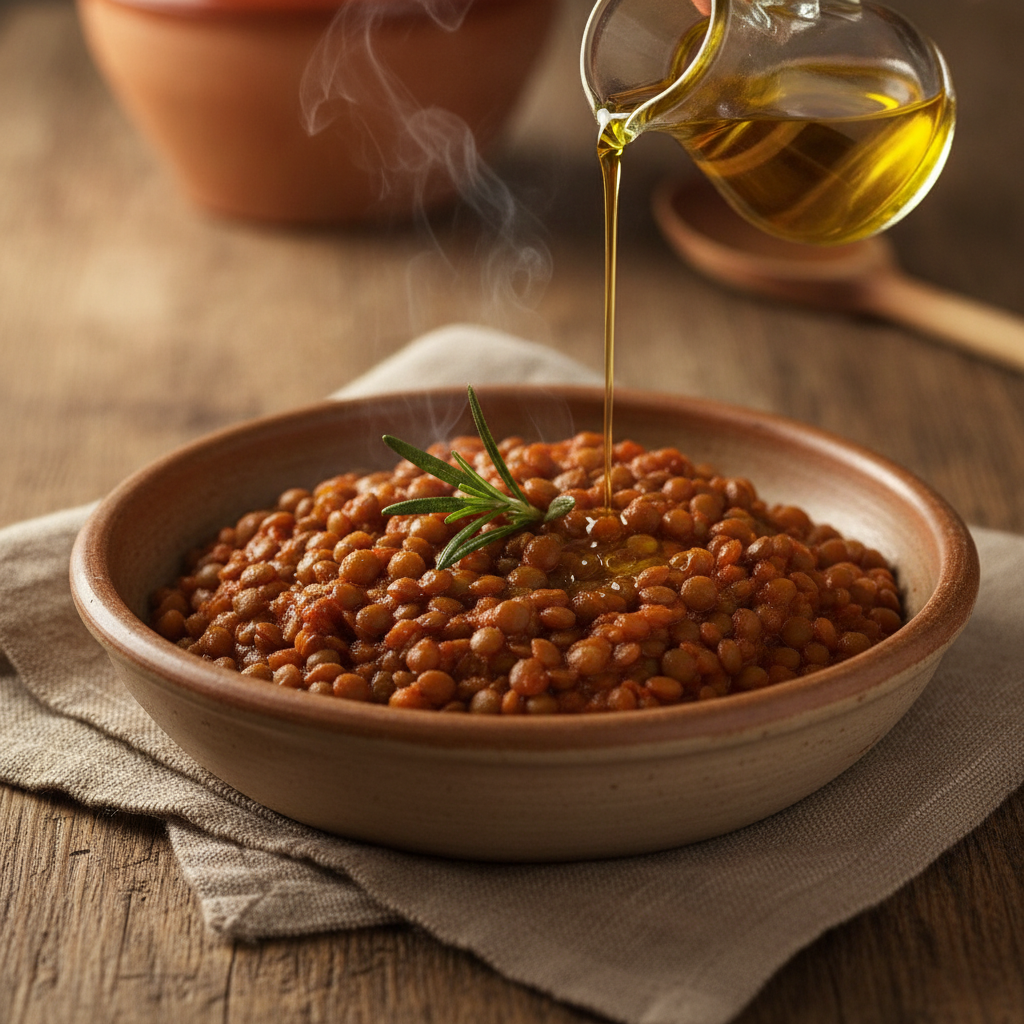
Castelluccio lentils from the Sibillini plateau have held IGP status since 1997 — small, thin-skinned, nutty, and built to hold their shape through a long braise. This is the Umbrian way: slow soffritto, crushed tomato, a sprig of rosemary, and a serious pour of raw olive oil at the table.
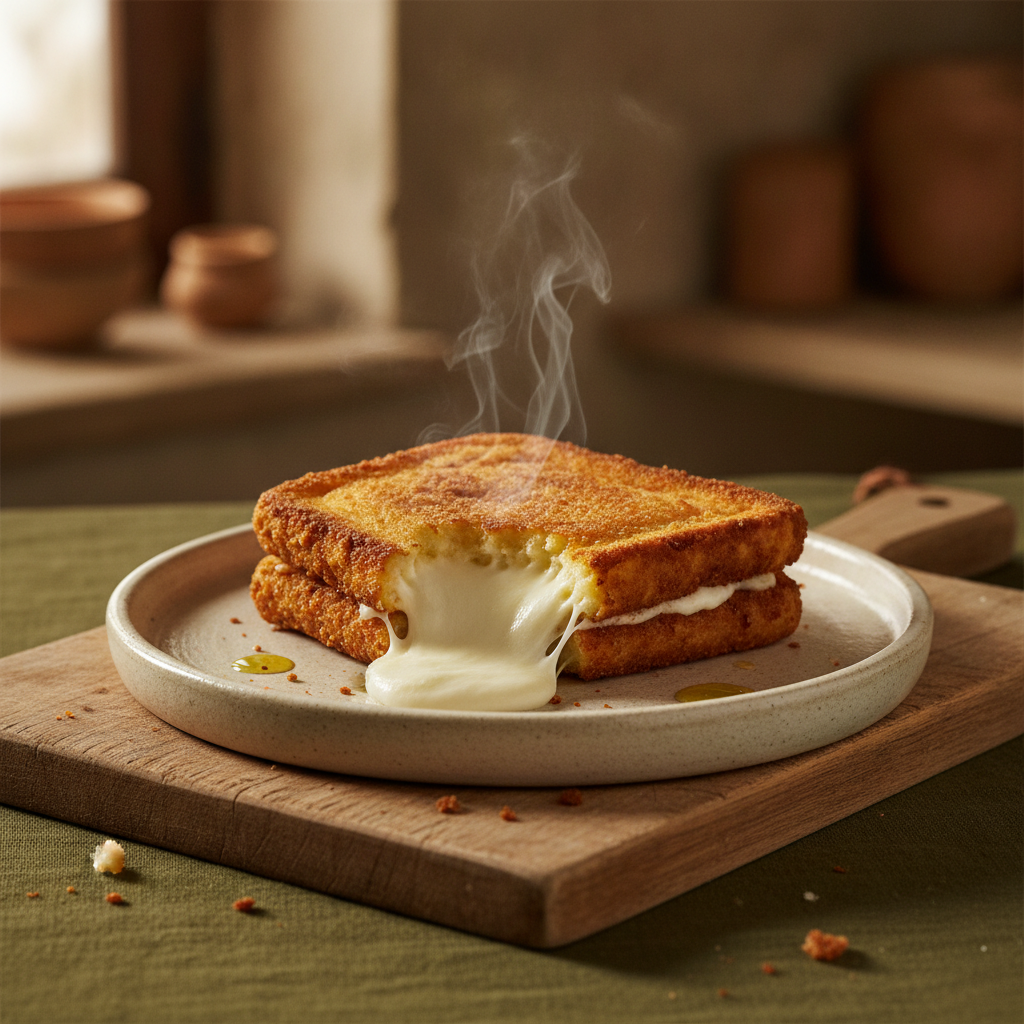
Campanian by birth, Roman by adoption — mozzarella in carrozza is cucina povera at its most satisfying: a sealed bread pocket that traps the cheese so completely it's still pulling strings two minutes after you plate it.