Does it have to be bone-in?
For a true costoletta alla Milanese, yes. The bone signals the cut (rib chop) and helps the meat stay juicy at a thicker profile. A boneless version is Milanese-style — good, but a different dish.
Italian · dinner
32m
Total time
2
Servings
640
kcal
medium
Difficulty
tap to check off
FAQ · Things people ask
For a true costoletta alla Milanese, yes. The bone signals the cut (rib chop) and helps the meat stay juicy at a thicker profile. A boneless version is Milanese-style — good, but a different dish.
You can try, but the milk solids in whole butter burn before the cutlet is done. You'll get dark, slightly bitter specks across the crust. Clarify your own in 10 minutes, or use ghee as a direct shortcut.
Flour is standard in many breaded-cutlet recipes, but here it creates a thicker adhesion layer that steams rather than fries — the crust softens and can separate. The authentic sequence is dry meat → egg → fine breadcrumbs, pressed firm.
Chicken breast (cotoletta di pollo) is a common home adaptation. Pork rib chops work too. The technique is identical — watch internal temps since chicken needs 74 °C and pork 71 °C.
Related · You might also cook
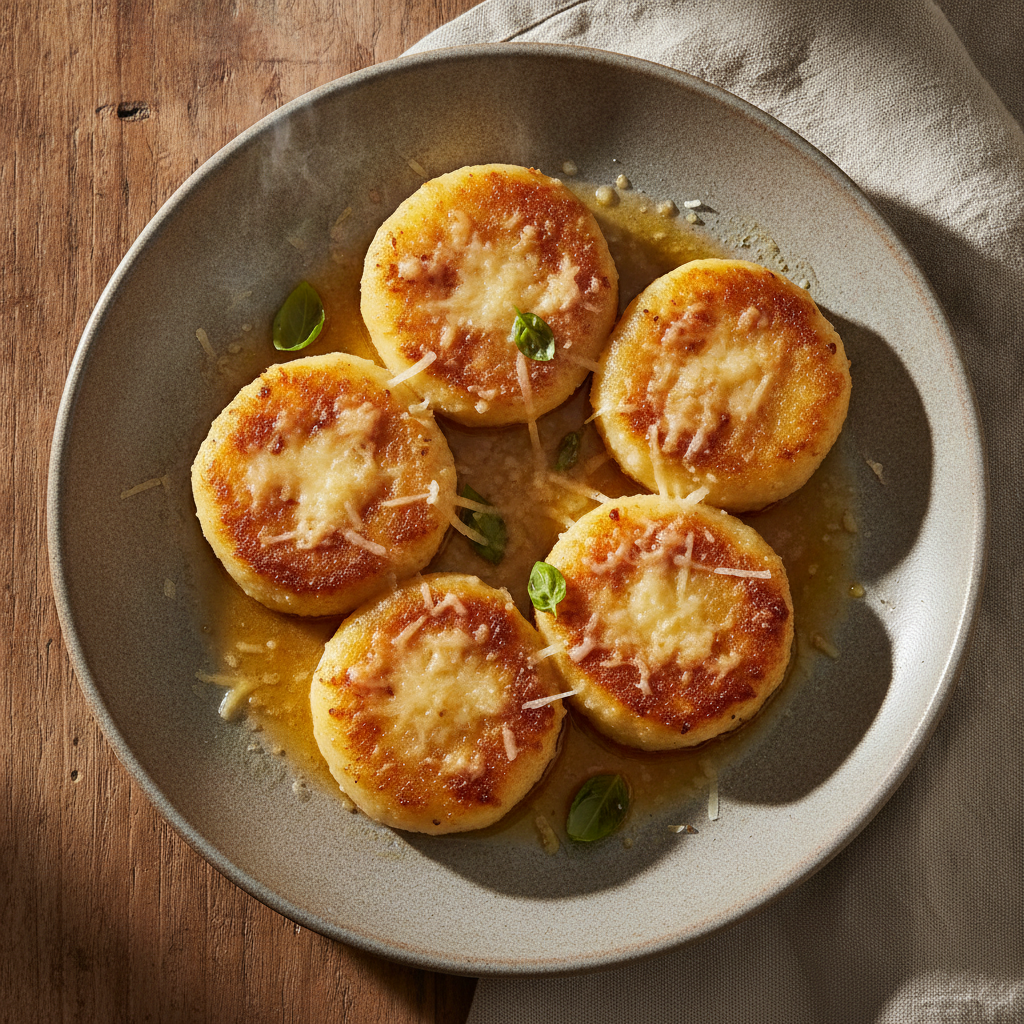
In Rome, Thursday is gnocchi day — and this is the gnocchi Romans were eating long before anyone thought to boil a potato. Semolina rounds, baked until the Parmigiano crust crackles and the interior stays soft, is cucina romana at its most direct.
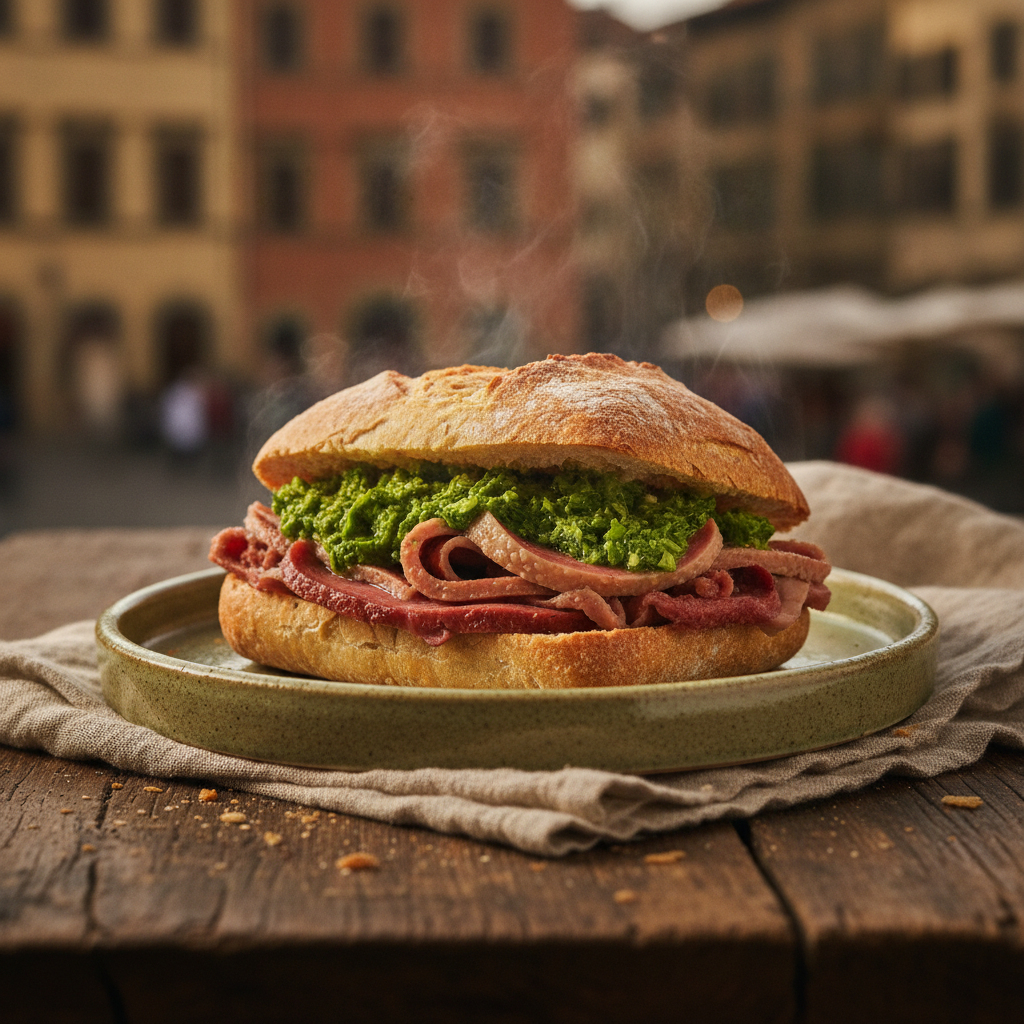
Lampredotto is Florence's most stubbornly local street food — the fourth stomach of the cow, slow-simmered in an aromatic broth, piled into a crusty roll, and finished with sharp salsa verde. The lampredottai have been selling it from carts at the city's markets since medieval times, and the formula hasn't changed.
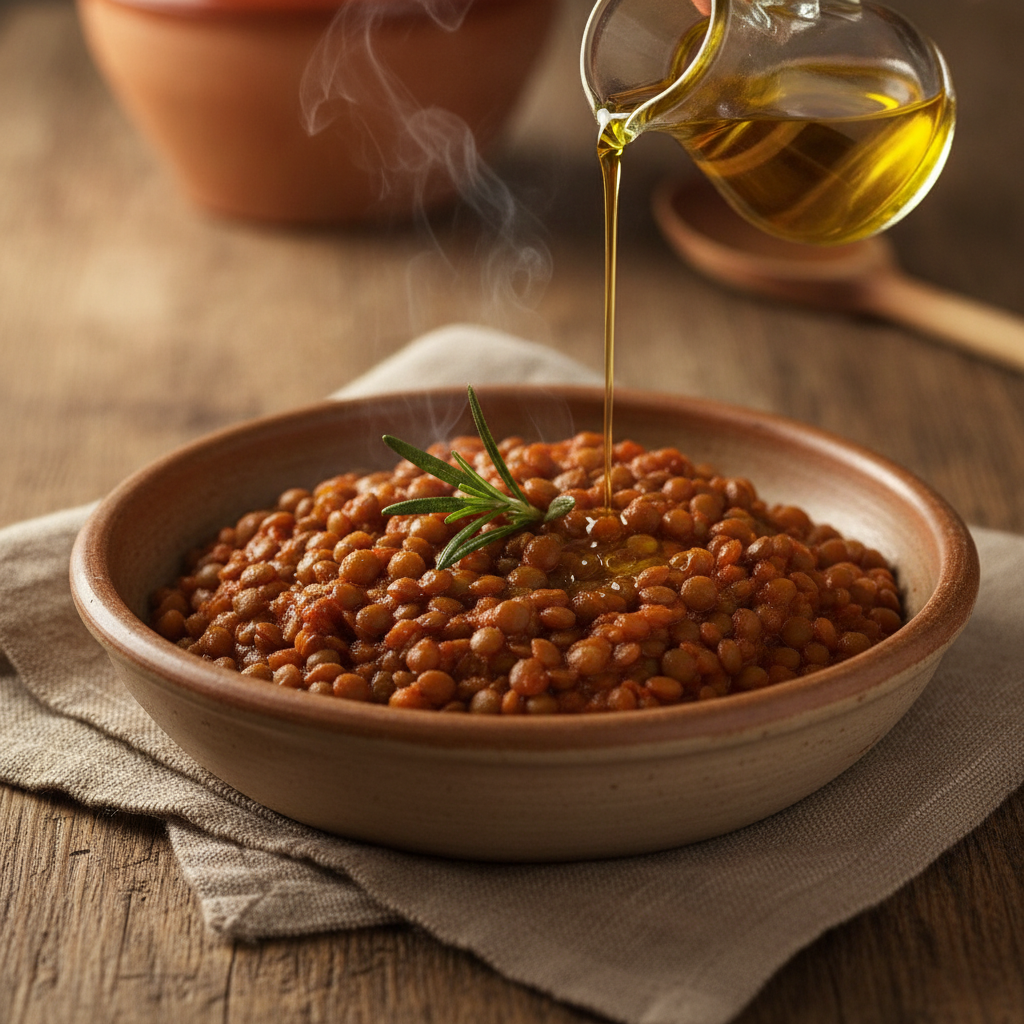
Castelluccio lentils from the Sibillini plateau have held IGP status since 1997 — small, thin-skinned, nutty, and built to hold their shape through a long braise. This is the Umbrian way: slow soffritto, crushed tomato, a sprig of rosemary, and a serious pour of raw olive oil at the table.
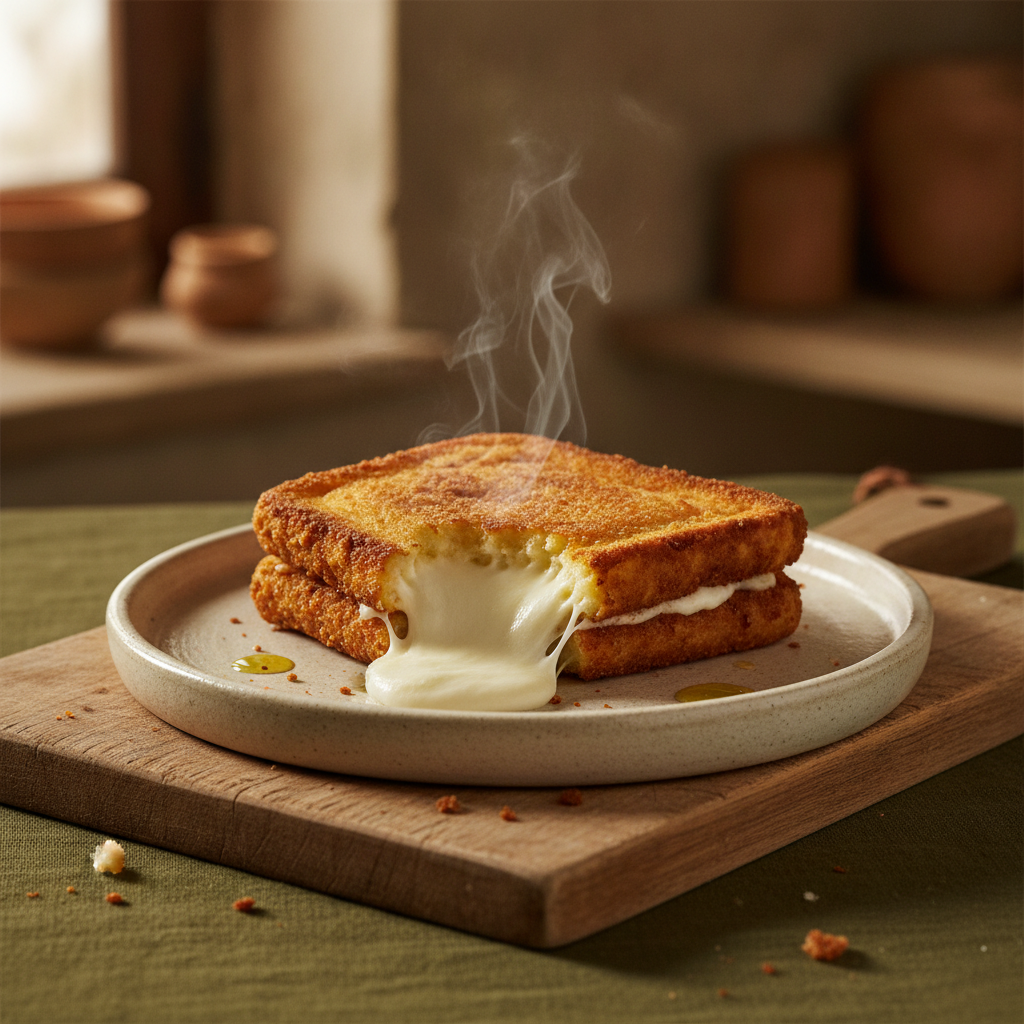
Campanian by birth, Roman by adoption — mozzarella in carrozza is cucina povera at its most satisfying: a sealed bread pocket that traps the cheese so completely it's still pulling strings two minutes after you plate it.