Can I use pancetta instead of guanciale?
Yes, but the dish changes noticeably. Guanciale has more fat, a softer texture when rendered, and a more complex flavor than pancetta. Bacon is too smoky and throws the balance off entirely.
Italian · dinner
35m
Total time
4
Servings
720
kcal
medium
Difficulty
tap to check off
FAQ · Things people ask
Yes, but the dish changes noticeably. Guanciale has more fat, a softer texture when rendered, and a more complex flavor than pancetta. Bacon is too smoky and throws the balance off entirely.
The municipality of Amatrice and the EU's TSG registration both expressly prohibit them. They overpower the guanciale-tomato balance the dish is built around. If you want a garlicky tomato pasta, there are better candidates.
It was added while the pan was still at a rolling boil. Take the pan fully off the heat, add pecorino in two batches, and toss vigorously between each addition — residual heat melts it smoothly without seizing.
Rigatoni works well — its ridges and hollow tube do a similar job of catching sauce. Spaghetti is also fine and actually more traditional in Amatrice itself.
Related · You might also cook
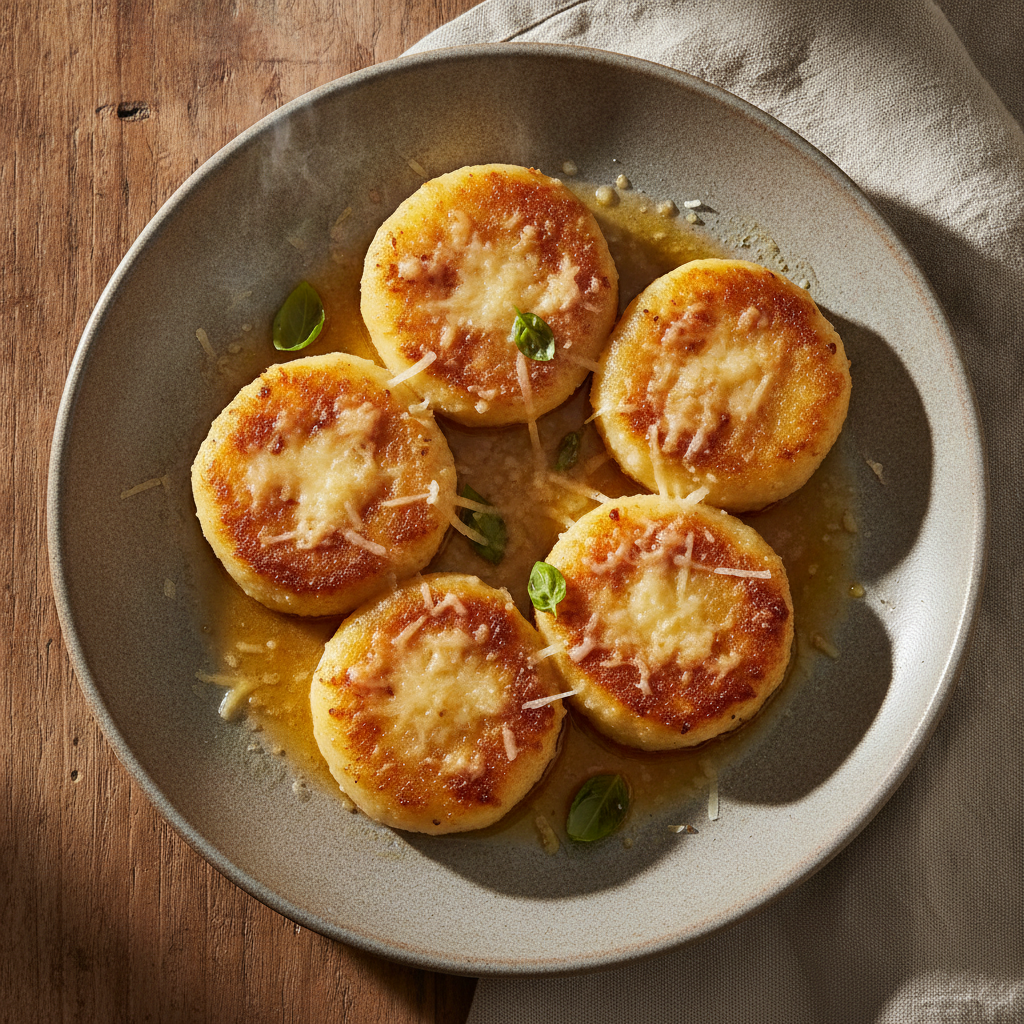
In Rome, Thursday is gnocchi day — and this is the gnocchi Romans were eating long before anyone thought to boil a potato. Semolina rounds, baked until the Parmigiano crust crackles and the interior stays soft, is cucina romana at its most direct.
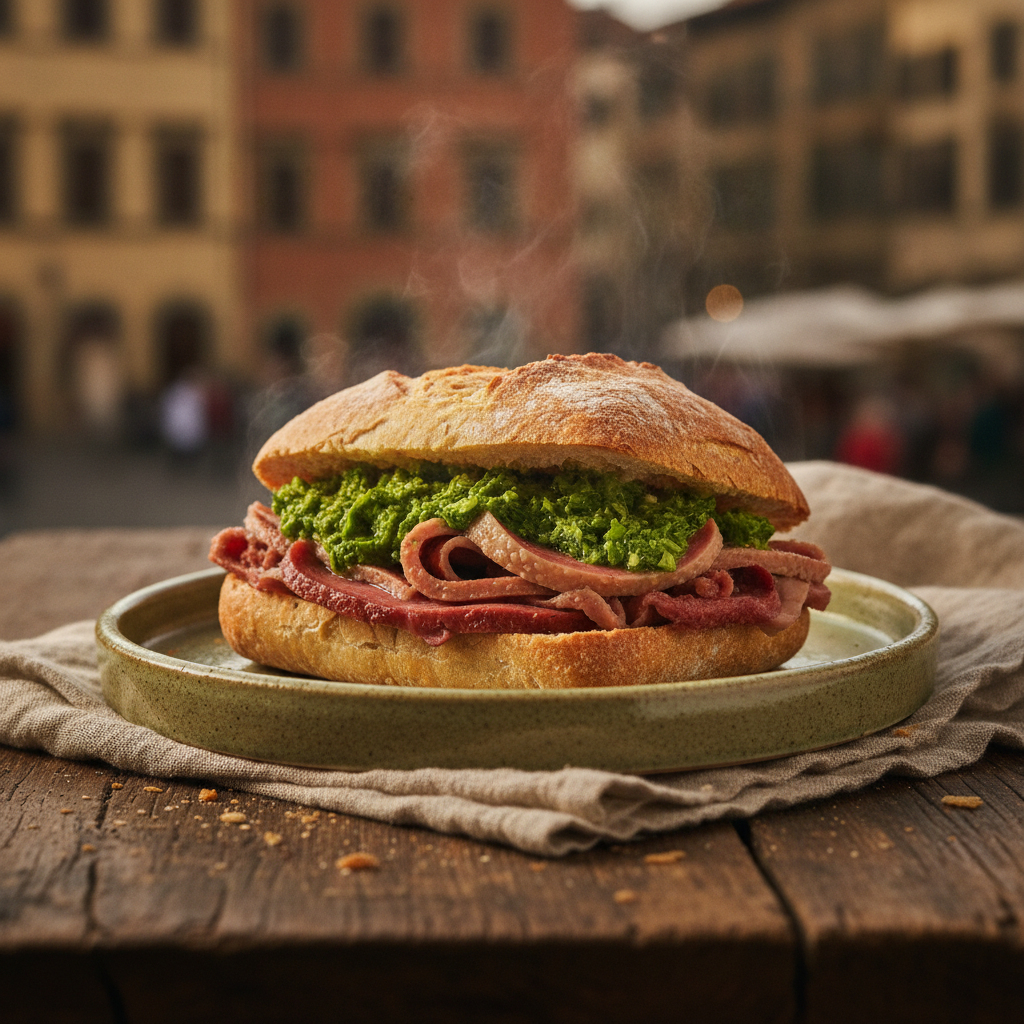
Lampredotto is Florence's most stubbornly local street food — the fourth stomach of the cow, slow-simmered in an aromatic broth, piled into a crusty roll, and finished with sharp salsa verde. The lampredottai have been selling it from carts at the city's markets since medieval times, and the formula hasn't changed.
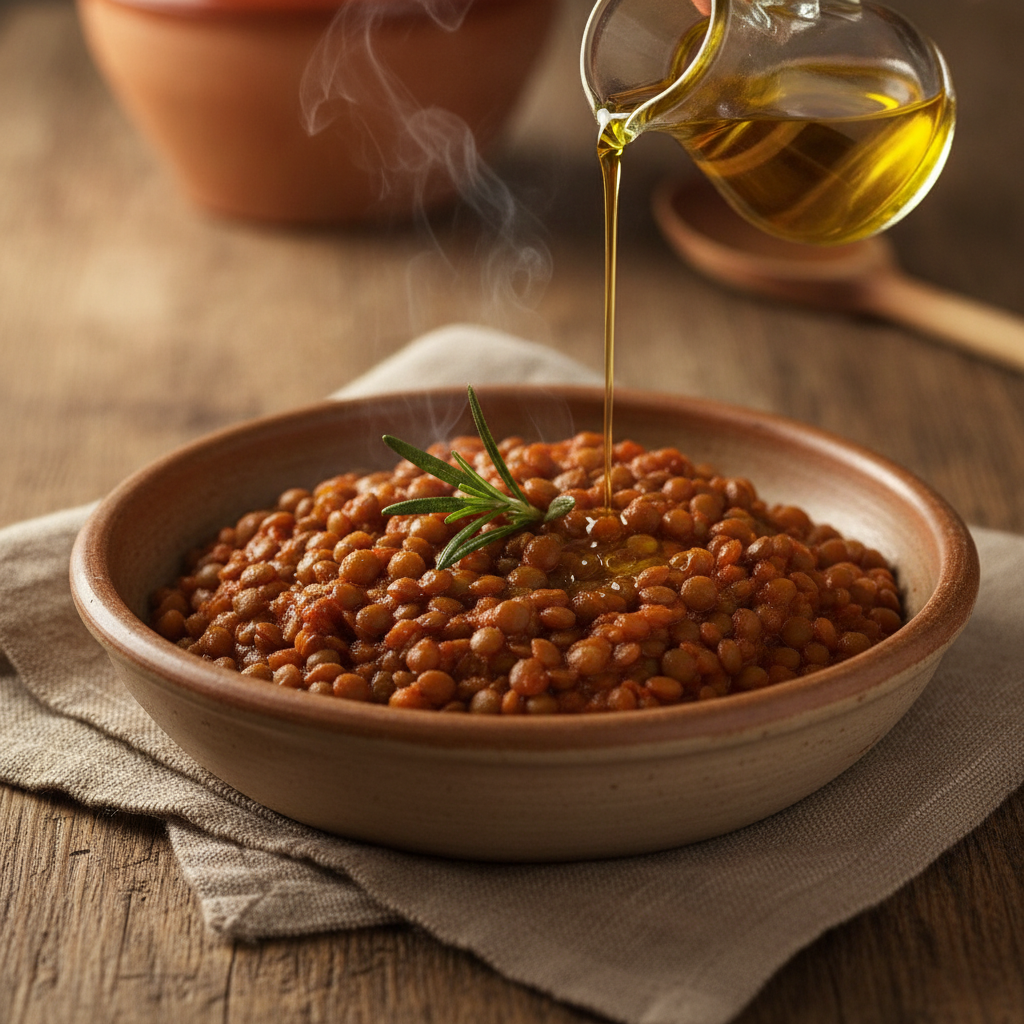
Castelluccio lentils from the Sibillini plateau have held IGP status since 1997 — small, thin-skinned, nutty, and built to hold their shape through a long braise. This is the Umbrian way: slow soffritto, crushed tomato, a sprig of rosemary, and a serious pour of raw olive oil at the table.
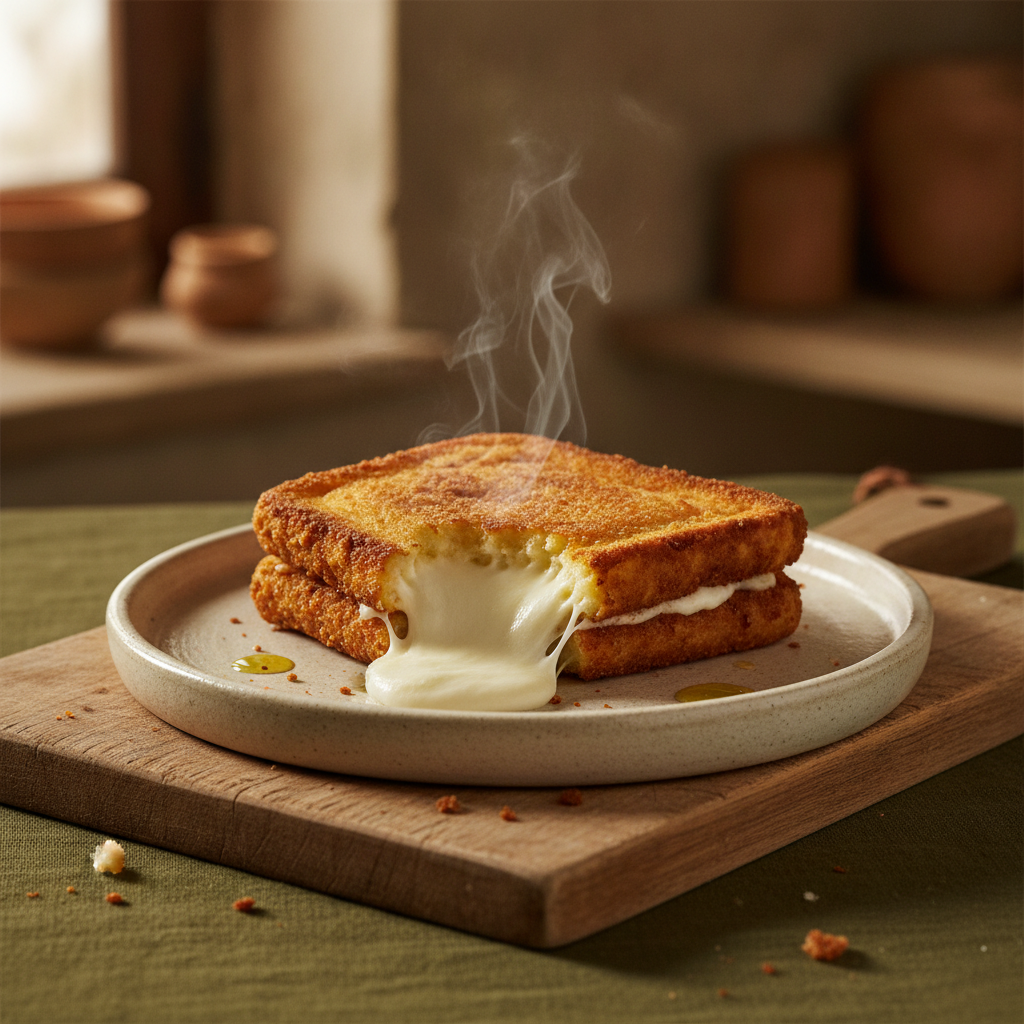
Campanian by birth, Roman by adoption — mozzarella in carrozza is cucina povera at its most satisfying: a sealed bread pocket that traps the cheese so completely it's still pulling strings two minutes after you plate it.