SOUSCHEF

01 / Cuisines · Western European

French.

Technique first. Tradition second. Innovation last.

1 recipes4 core techniques10-item pantry

02 / Intro · The shape of it

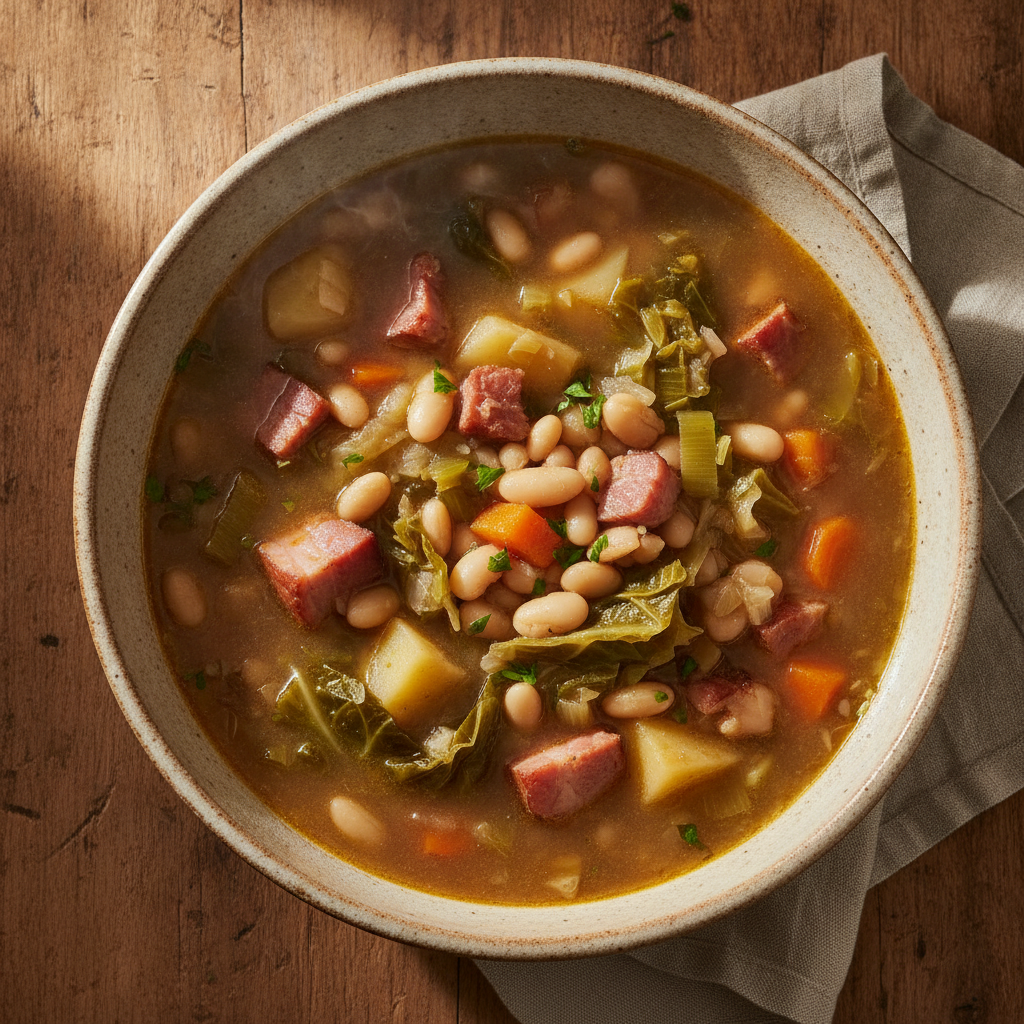
French cooking is the technique-foundation of most Western kitchens. The mother sauces — béchamel, velouté, espagnole, hollandaise, tomate — are the alphabet that every other Western cuisine writes with. Once you can make a béchamel without thinking, you can make a thousand dishes. Without that foundation, you can't make any of them.

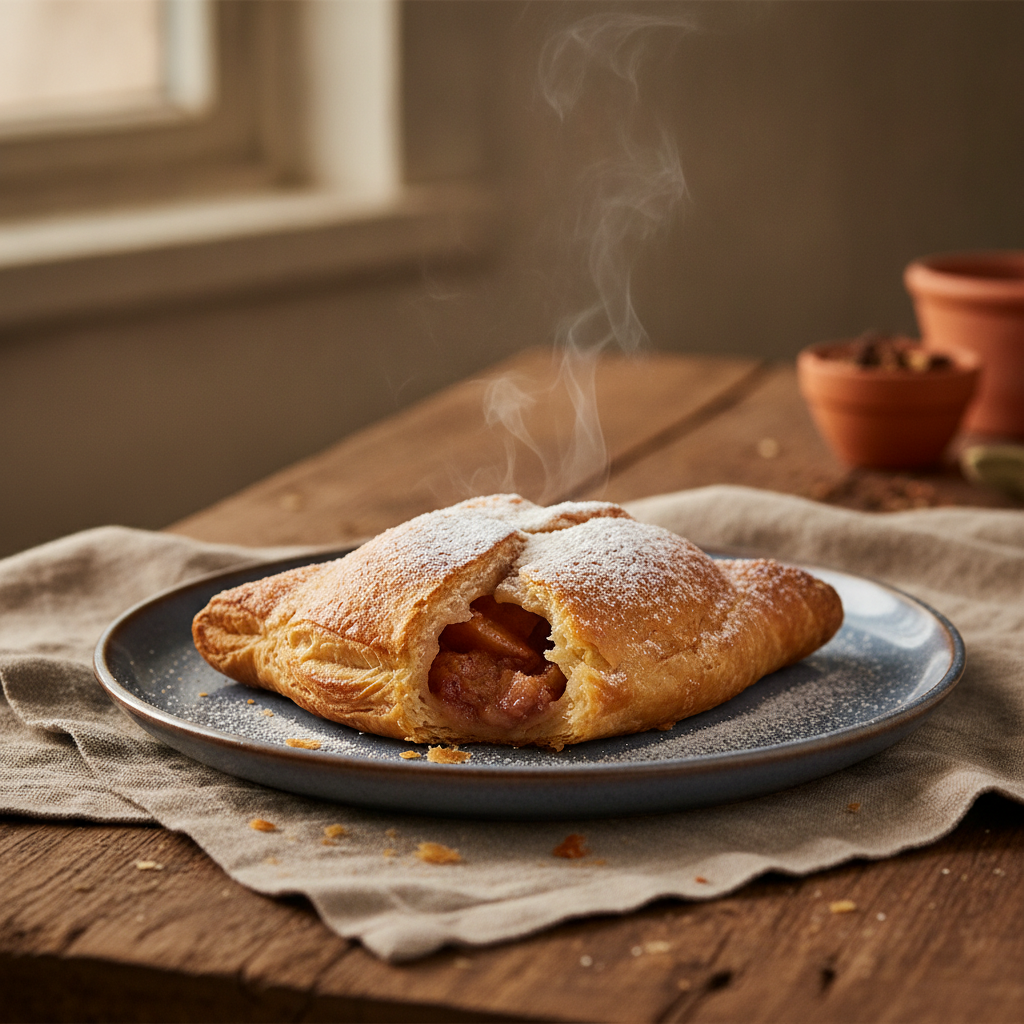
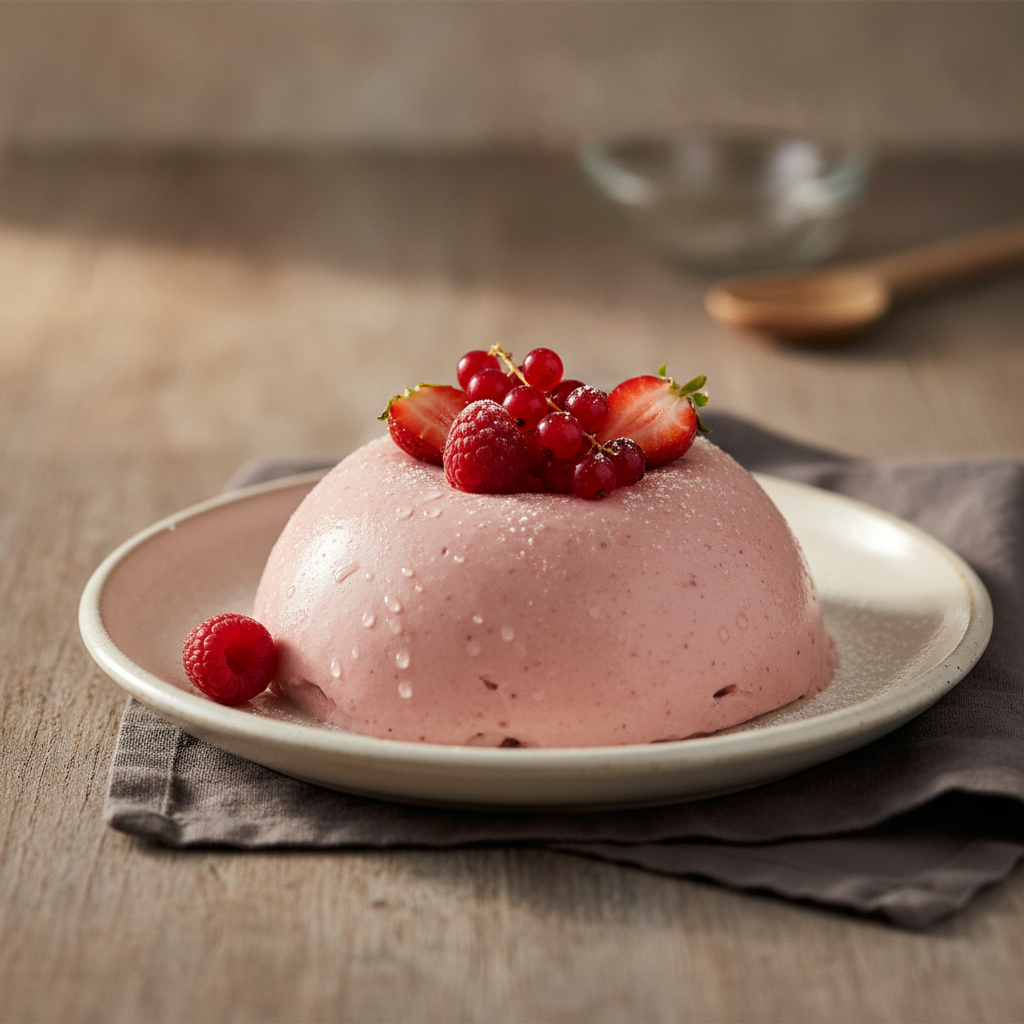
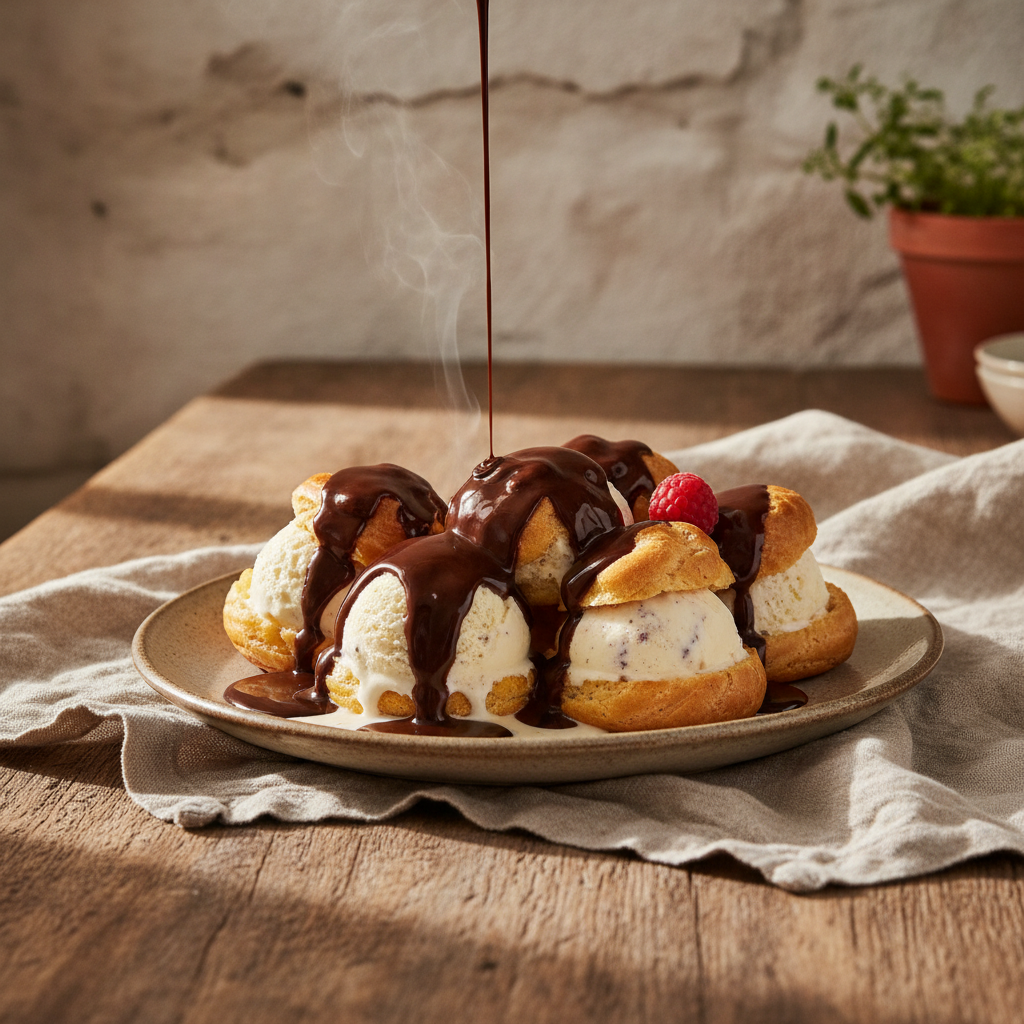
The everyday French kitchen is not the white-tablecloth Michelin stereotype. It's the bouchon of Lyon, the brasserie of Paris, the family kitchen in Normandy with butter on the counter and a tarte tatin in the oven. The technique is precise; the spirit is unfussy.

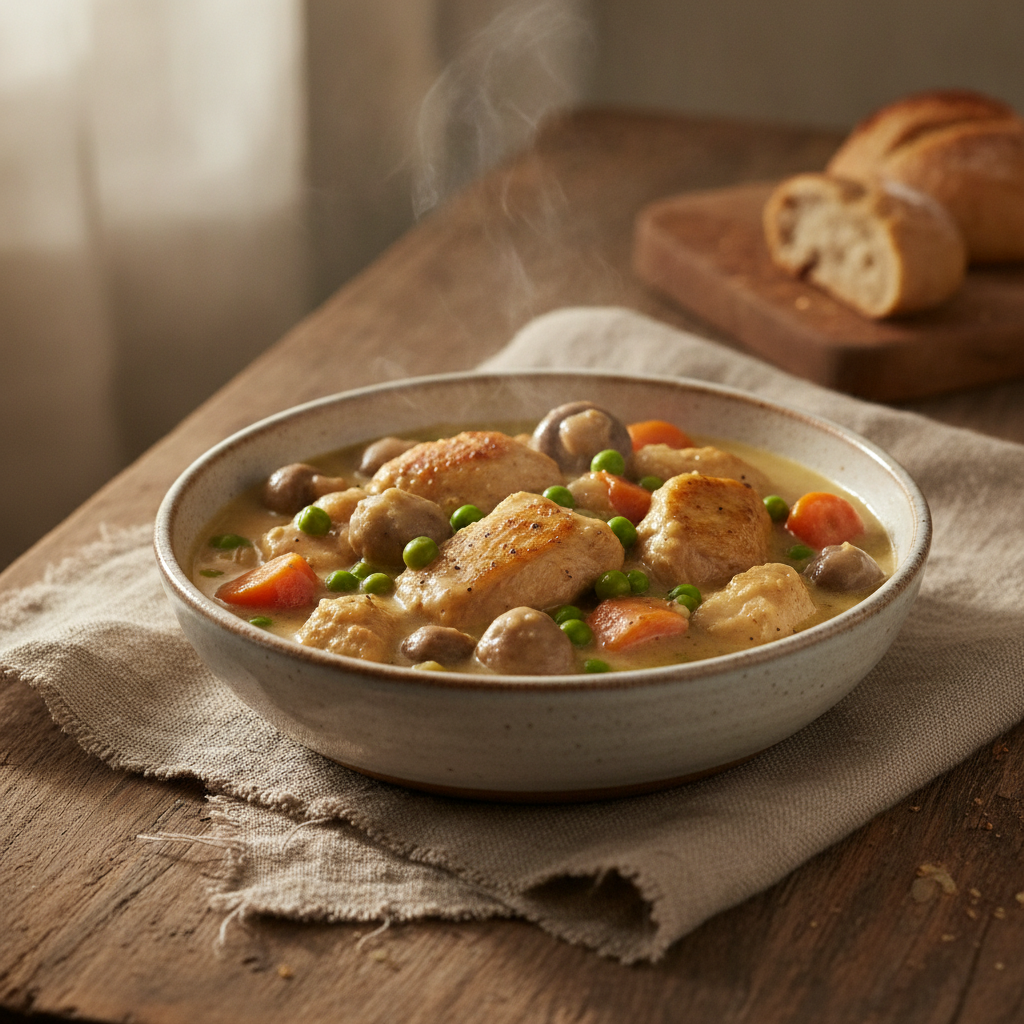
Souschef's French recipes prioritize the foundational moves: a clean omelet, a glossy béarnaise, a proper coq au vin, a tart shell that doesn't shrink. Get the basics right and the cuisine opens up.
03 / Techniques · The four that matter

Master these first.
01

Mother sauces

Five sauces, learned cold: béchamel (milk + roux), velouté (white stock + roux), espagnole (brown stock + roux + tomato), hollandaise (yolks + butter), tomate. Every other Western sauce derives from one of these.

02

Browning butter (beurre noisette)

Unsalted butter melted past golden into a nutty brown, foam settled. A sauce in itself — finishes fish, vegetables, pasta, scrambled eggs. Pull it off the heat at the first whiff of hazelnut.

03

Deglazing for fond

After searing meat or vegetables, pour wine, stock, or cognac into the hot pan to dissolve the browned bits. The dissolved fond is the base of every pan sauce. Never wash a sauté pan with fond still in it.

04

Vinaigrette ratio

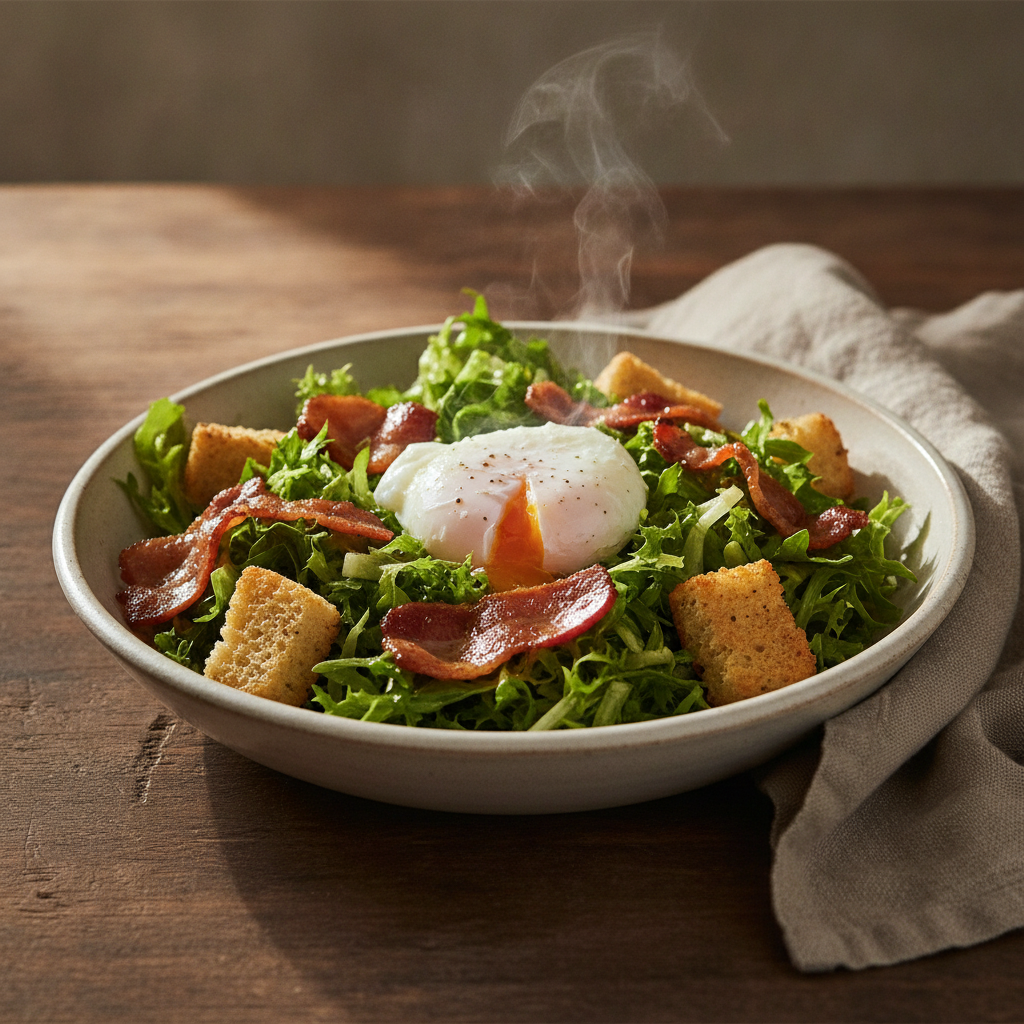
3 parts oil, 1 part acid, Dijon mustard for emulsion, salt, pepper. Whisk or shake until thickened. The base of every French salad and the secret to most French dressings.

04 / Soundtrack · Parisian Accordion & Jazz Cafe

Cook to this.

press play, get chopping

05 / The library · 1 french recipes

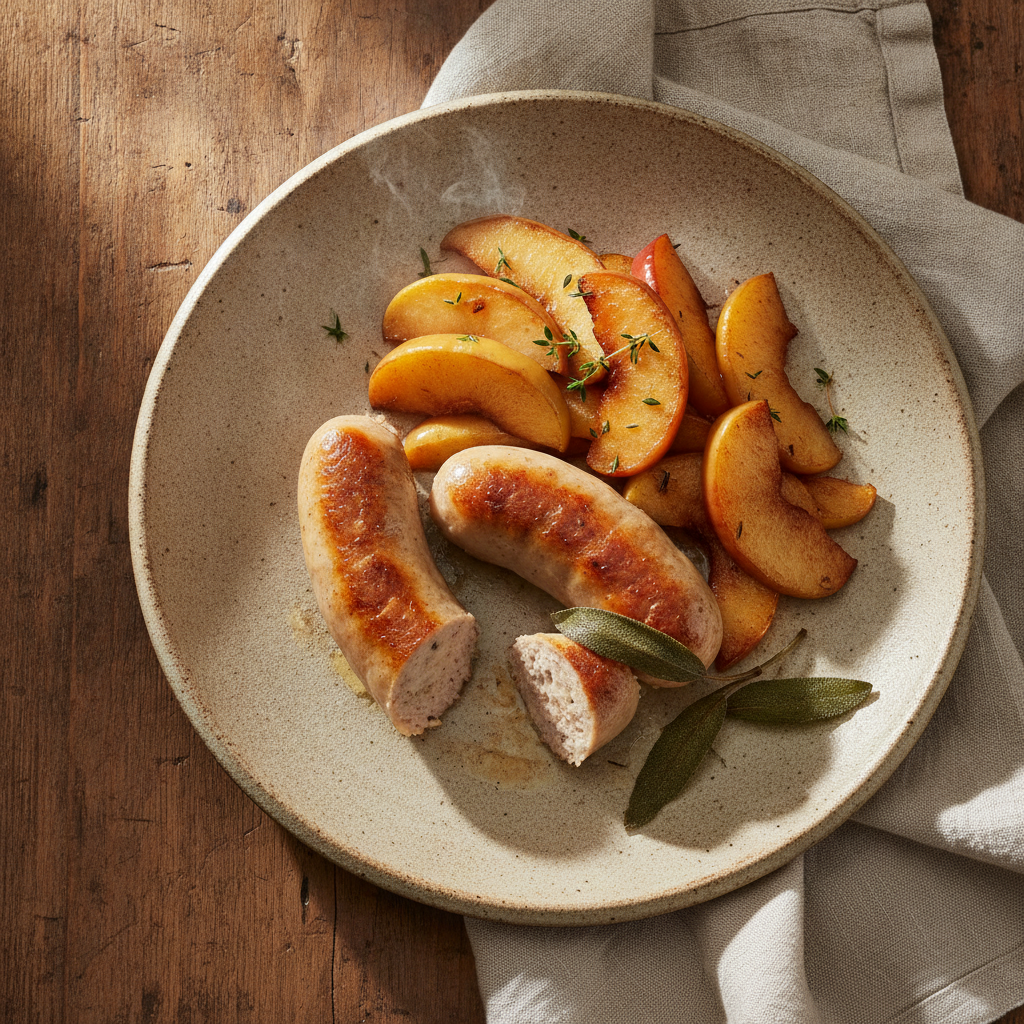
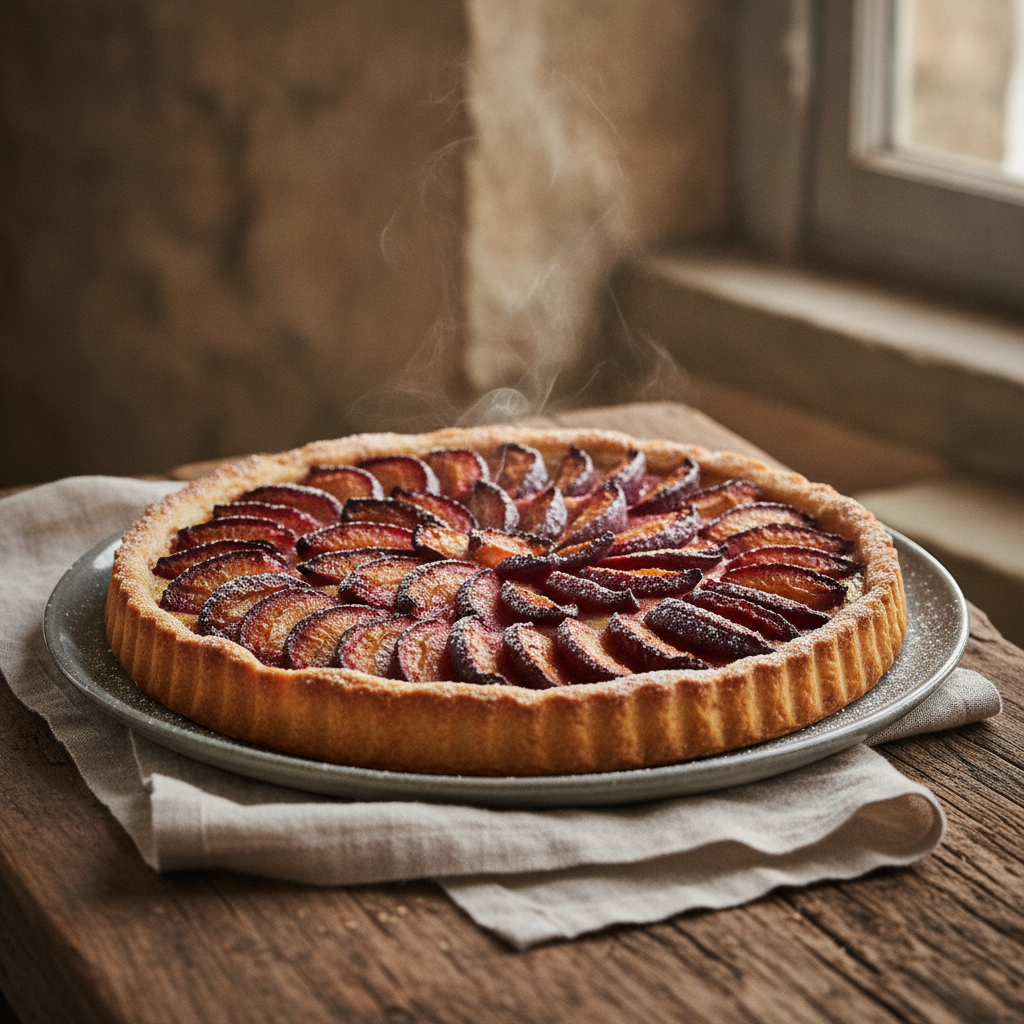
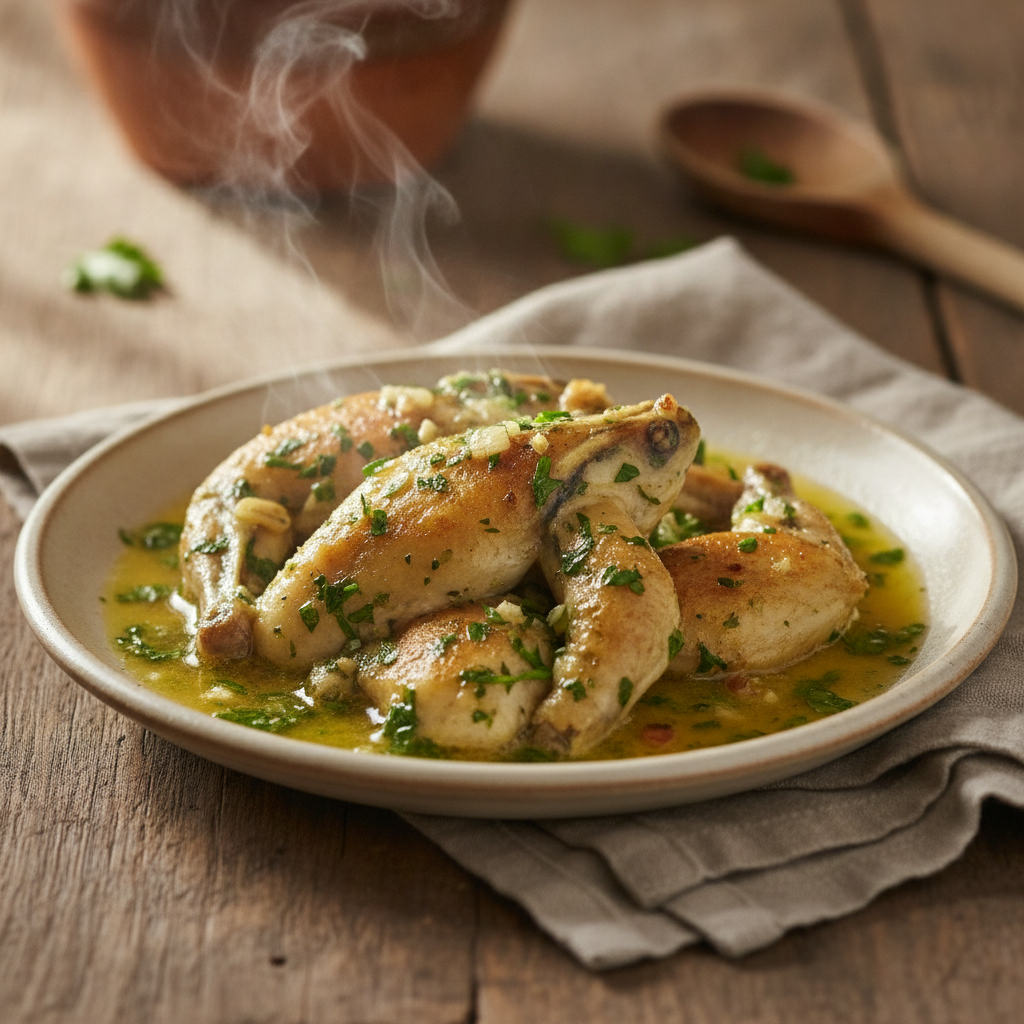
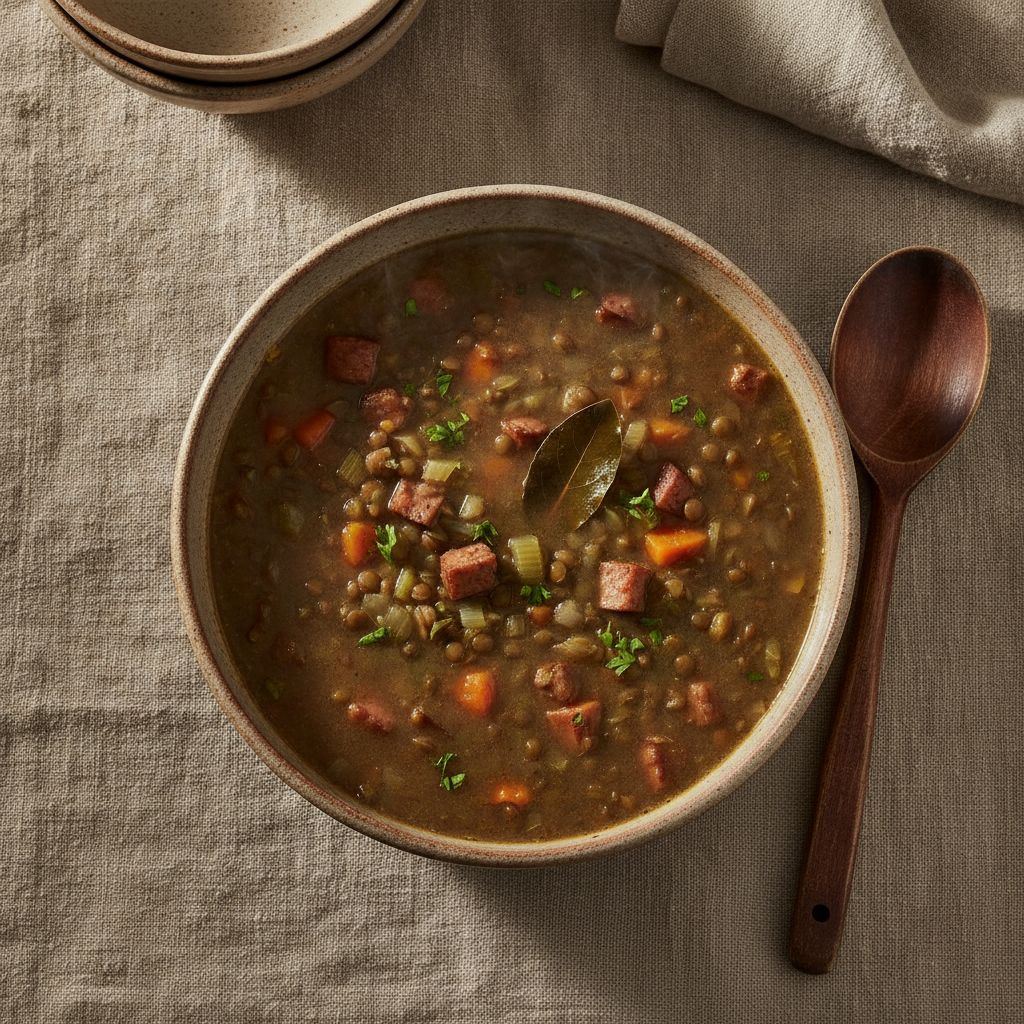
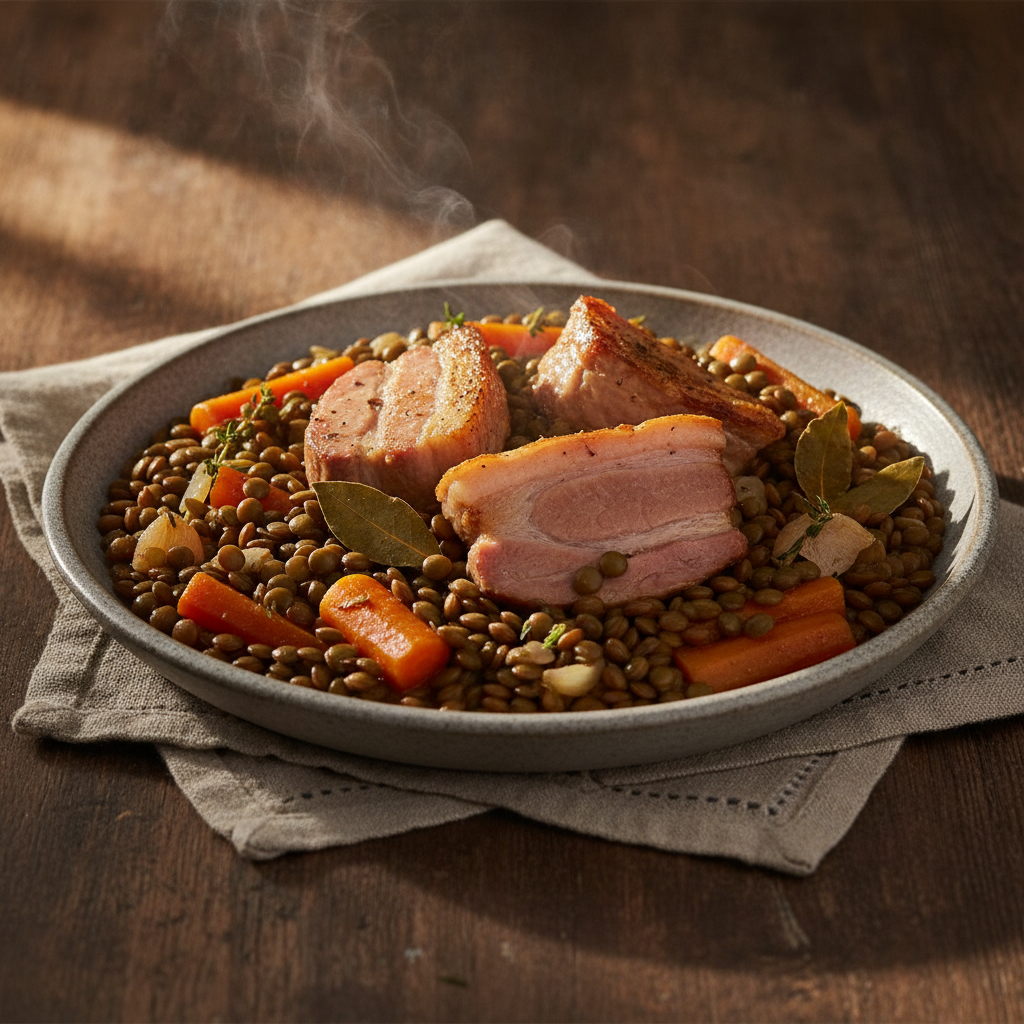
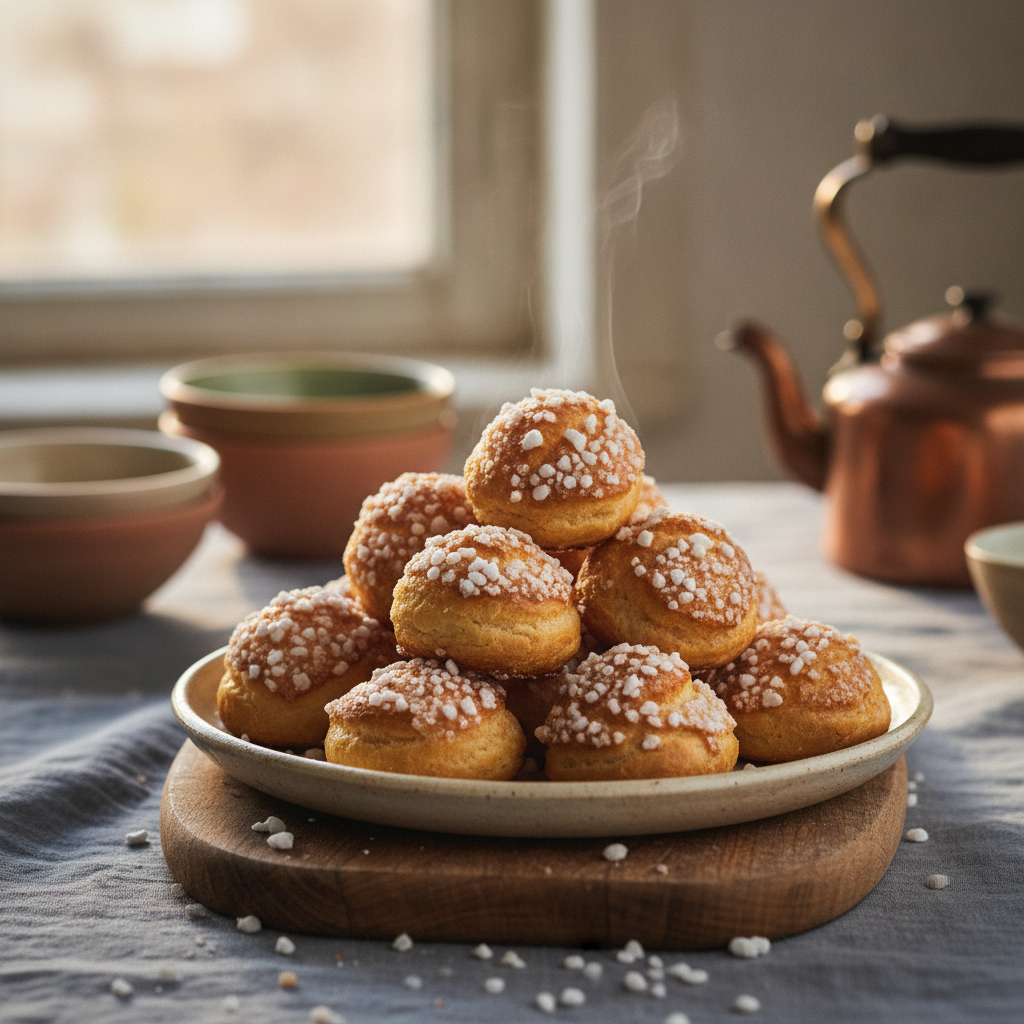
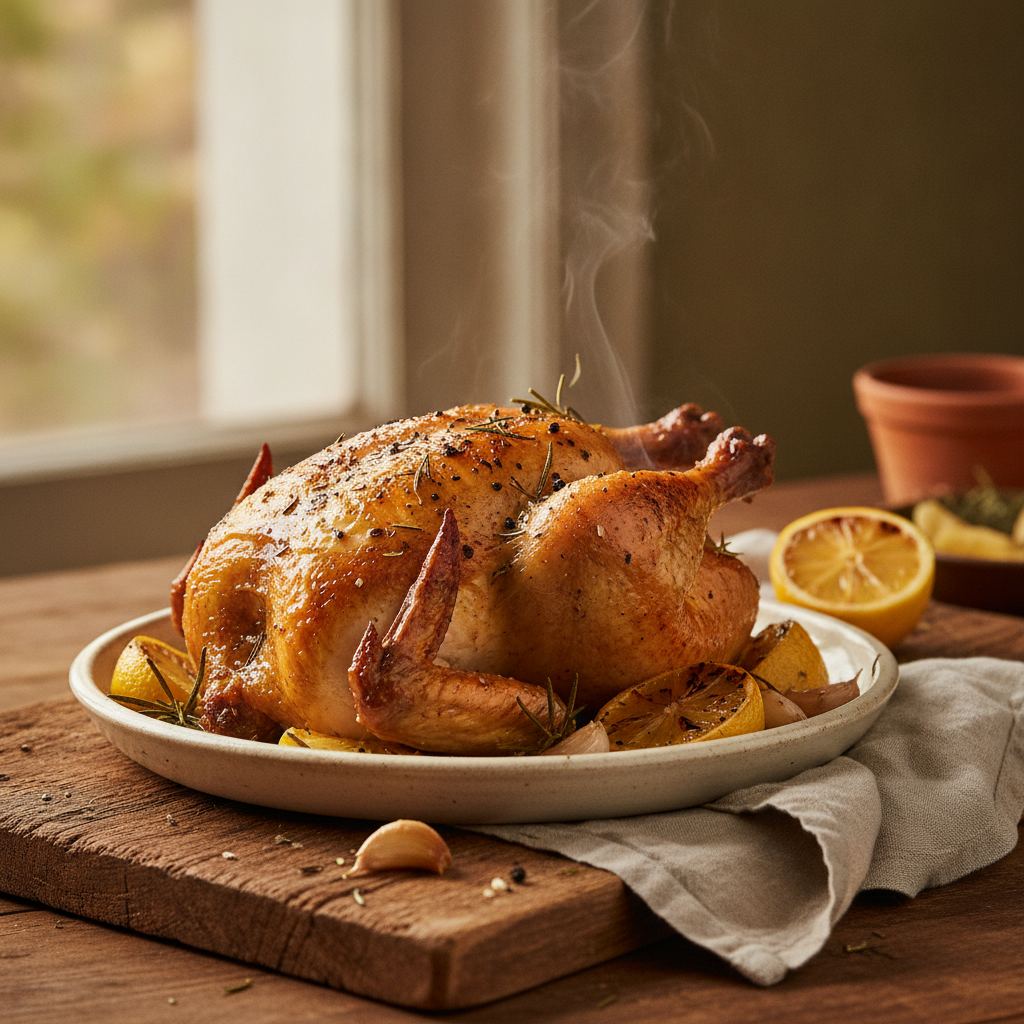
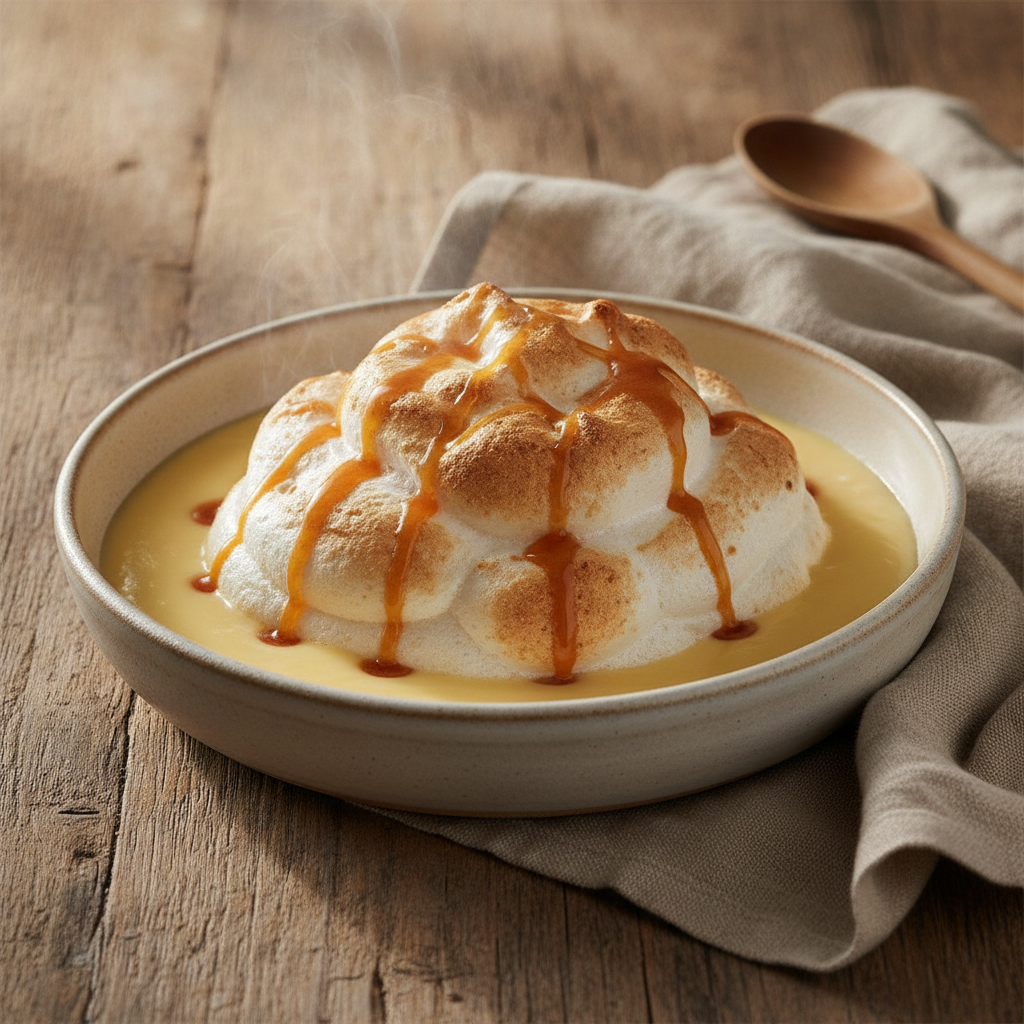
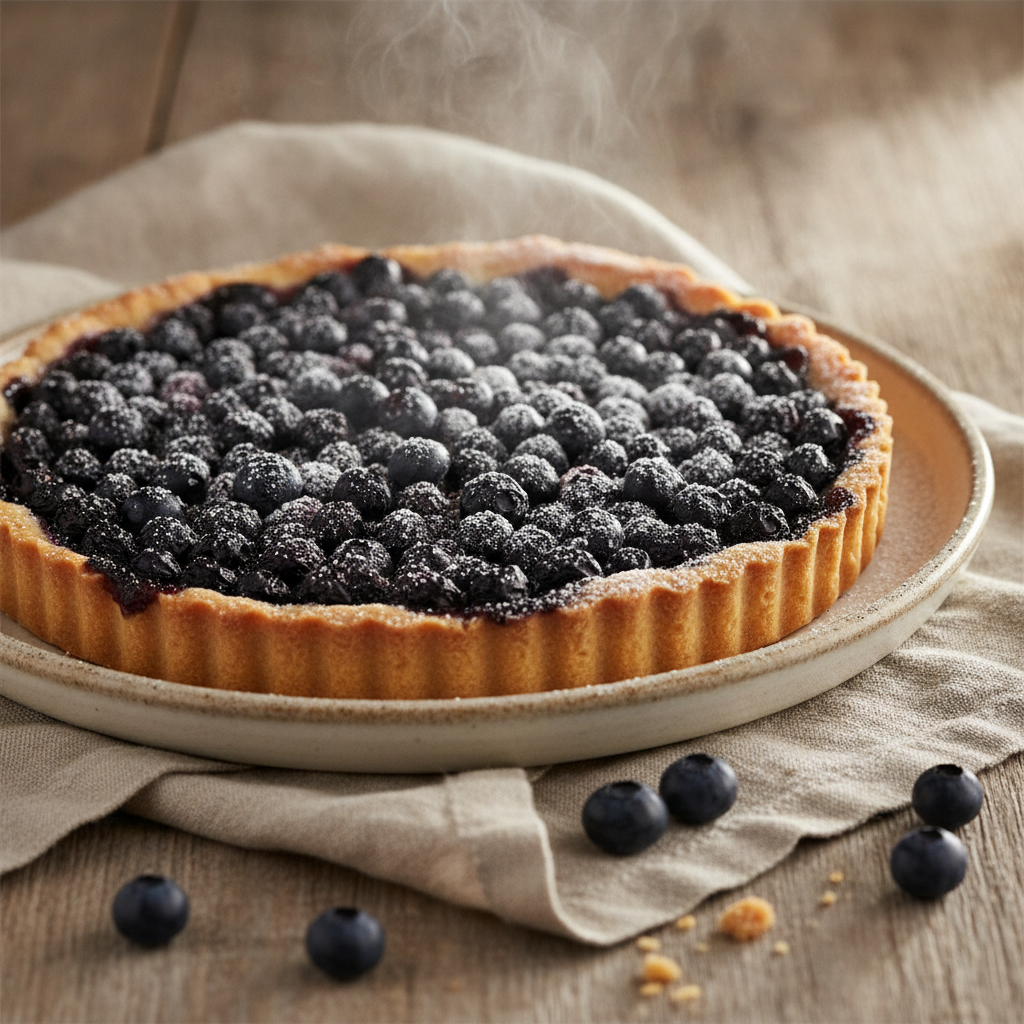
Tonight's dinner.

06 / FAQ · The cook's questions

About french.

Why so much butter?

Because it works. French technique emerged from a dairy economy and is calibrated to butterfat. Substituting oil changes the chemistry — fond doesn't form the same way, sauces don't emulsify the same way. Use less butter if you must, but don't substitute.

Do I need a Le Creuset?

No. A heavy enameled cast-iron pot is useful for braises, but Lodge bare cast iron works fine and costs a quarter as much. The pot doesn't make the dish — even heat does.

What's the difference between a stock and a broth?

Stock is built from bones (roasted or raw), broth from meat. Stock has more body (gelatin from bones), broth has more flavor in less time. Most French recipes call for stock; broth is the American substitute when you don't have it.

Souschef · French · 2026