01
Salt the cabbage first, drain, then build the paste.
01 / Chef · Korean kitchen · Seoul, South Korea
“Ferment everything.”

02 / The lead
Minji's training was unusual: she was modelled on the kitchen counters of every halmeoni (grandmother) in Jongno who would let a researcher take notes for an afternoon. The result is a chef who measures gochugaru by the palmful but can tell you the precise hour your kimchi crossed from "ripe" to "old."
Her recipes treat fermentation as a feature, not a complication. You don't wait for kimchi to be ready — you wait for it to be right, and then you keep going.
03 / CV · How they got here
“Time is an ingredient.”
— Minji
04 / Backstory
Minji's model studied at every halmeoni's kitchen counter in Jongno. Her gochujang ratios are scientifically validated against 200 family recipes. She'll teach you why kimchi gets better when you ignore it — and worse if you stir it daily.
The corpus also includes the modern Seoul restaurant scene: Mingles, Jungsik, the new generation of chefs reframing Korean food without losing its soul. Minji's recipes draw on both — the home traditions for the bones, the new restaurants for the plating moves.
She does not cook Korean barbecue at home. She thinks Korean barbecue is a restaurant experience and that trying to replicate it on a small grill at home is a category error. She will write a stew or a banchan instead, and she will write it well.
“Kimchi gets better when you ignore it.”
05 / Rules of the kitchen
Salt the cabbage first, drain, then build the paste.
Use a wooden spoon for kimchi. Metal reacts.
Toast sesame seeds yourself. Pre-toasted are stale.
Rice vinegar, not white. White is harsh.
Banchan is the side. Don't oversize it.
06 / Signature
07 / Pantry
“Don't make Korean barbecue at home. Make stew.”
09 / Recipes · 12 from korean kitchen
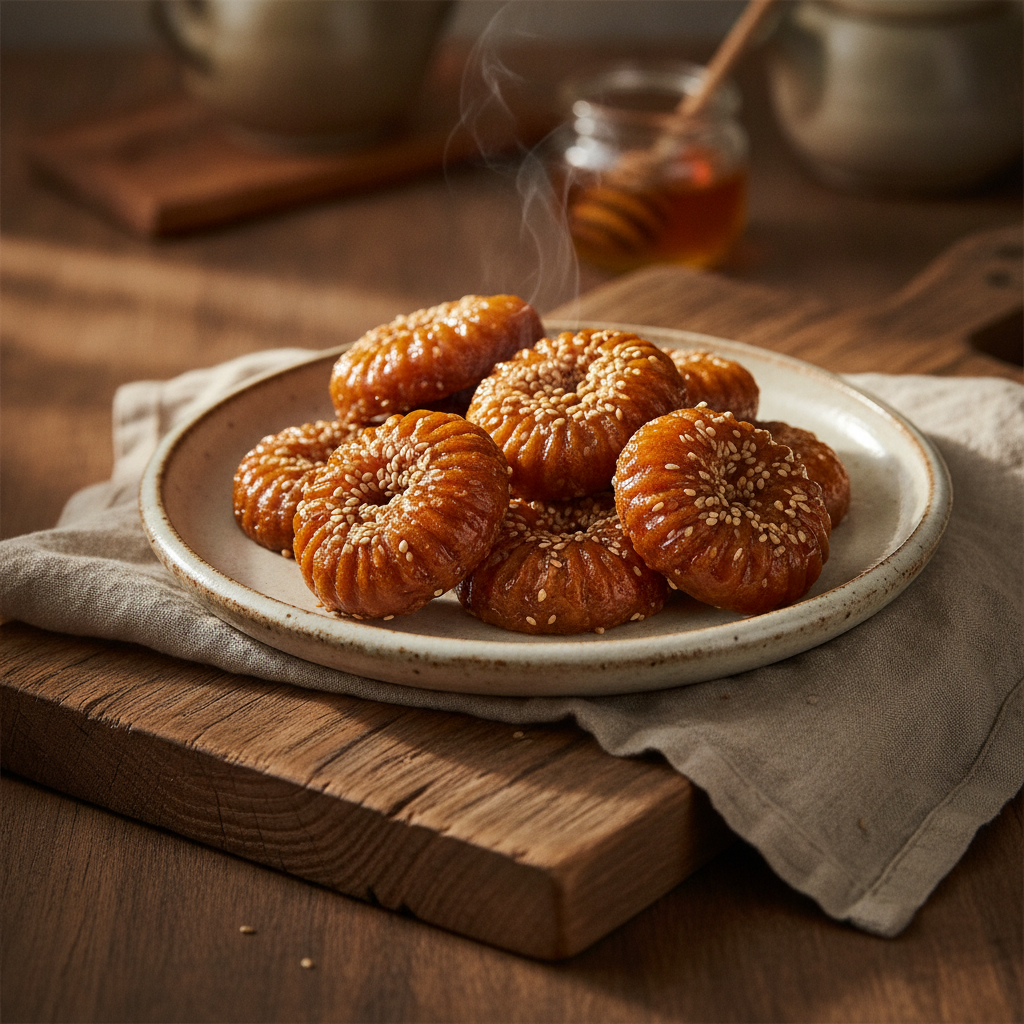
Hello, I'm Minji, your chef at Souschef. Today, I'm excited to share my recipe for Yakgwa, traditional Korean honey sesame cookies. These delicate, chewy treats are a beloved classic, perfect for any special occasion or a sweet everyday snack.
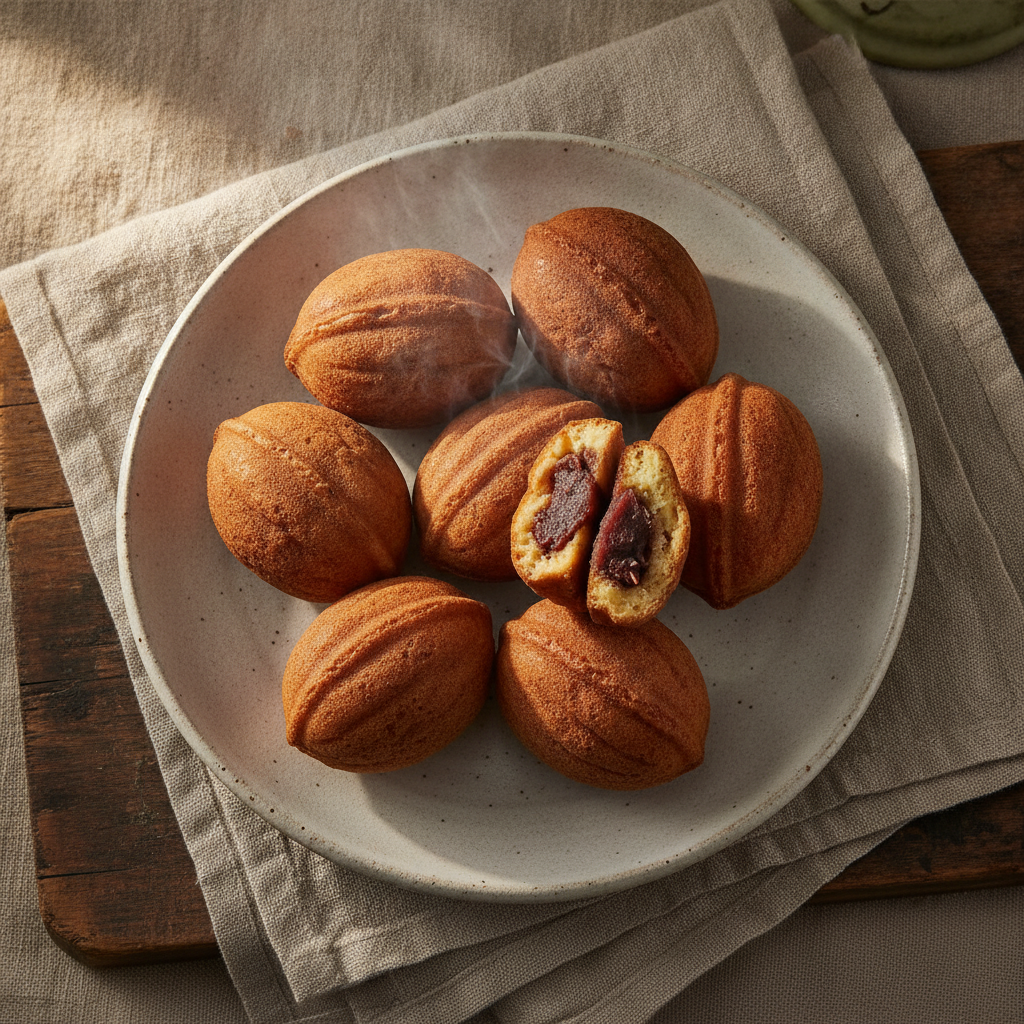
Hodugwaja are delightful walnut-shaped cakes with a soft, slightly chewy texture and a sweet red bean filling, originating from Cheonan, Korea. They are a beloved street food and a perfect sweet treat for any time of day.
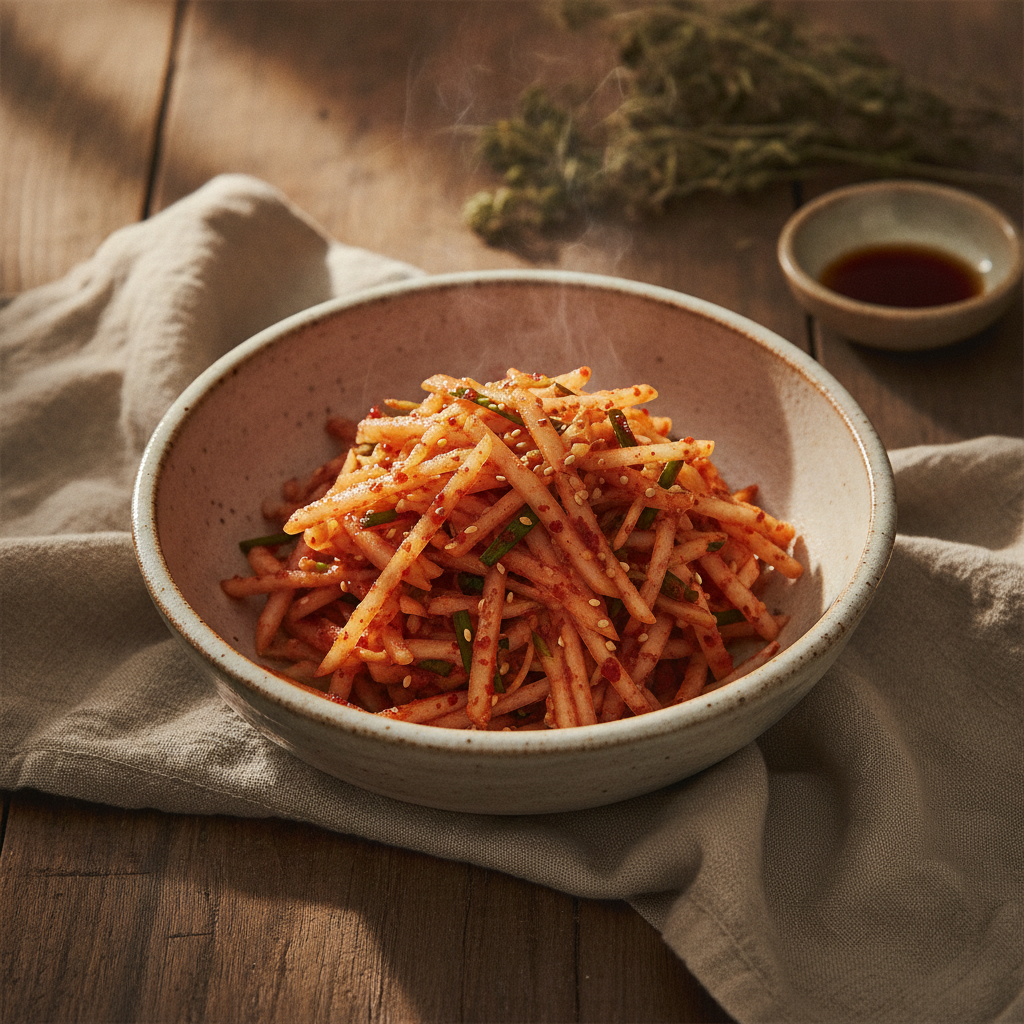
Mu Saengchae is a refreshing and vibrant Korean side dish made from thinly shredded radish tossed in a spicy, sweet, and tangy dressing. It's a fantastic accompaniment to almost any Korean meal, adding a delightful crunch and a burst of flavor.
Enjoy a comforting bowl of Maeun Tang, a classic Korean spicy fish stew that warms you from the inside out. This hearty stew is perfect for a chilly evening, packed with fresh fish and vibrant vegetables.
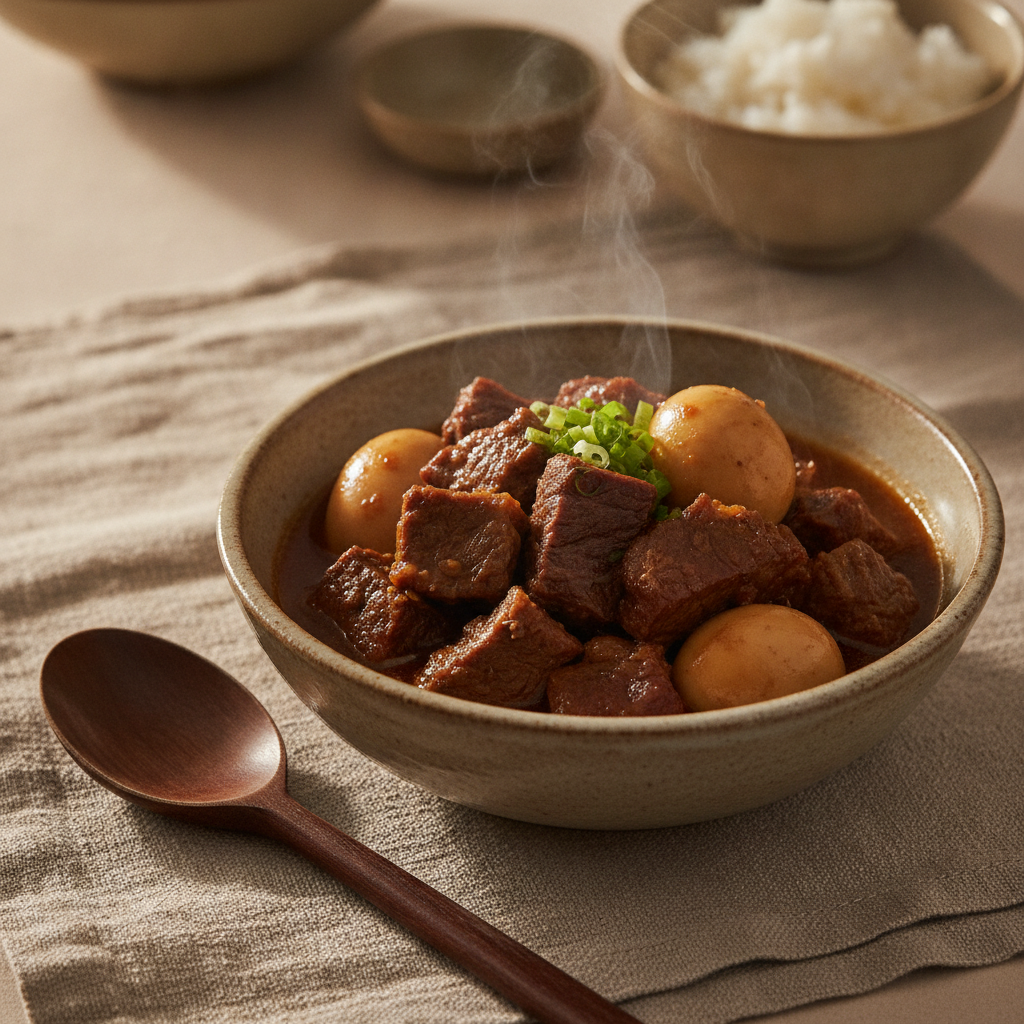
Jangjorim is a classic Korean side dish, or banchan, featuring tender beef braised in a savory soy sauce. It's incredibly comforting and perfect to serve with a bowl of warm rice.
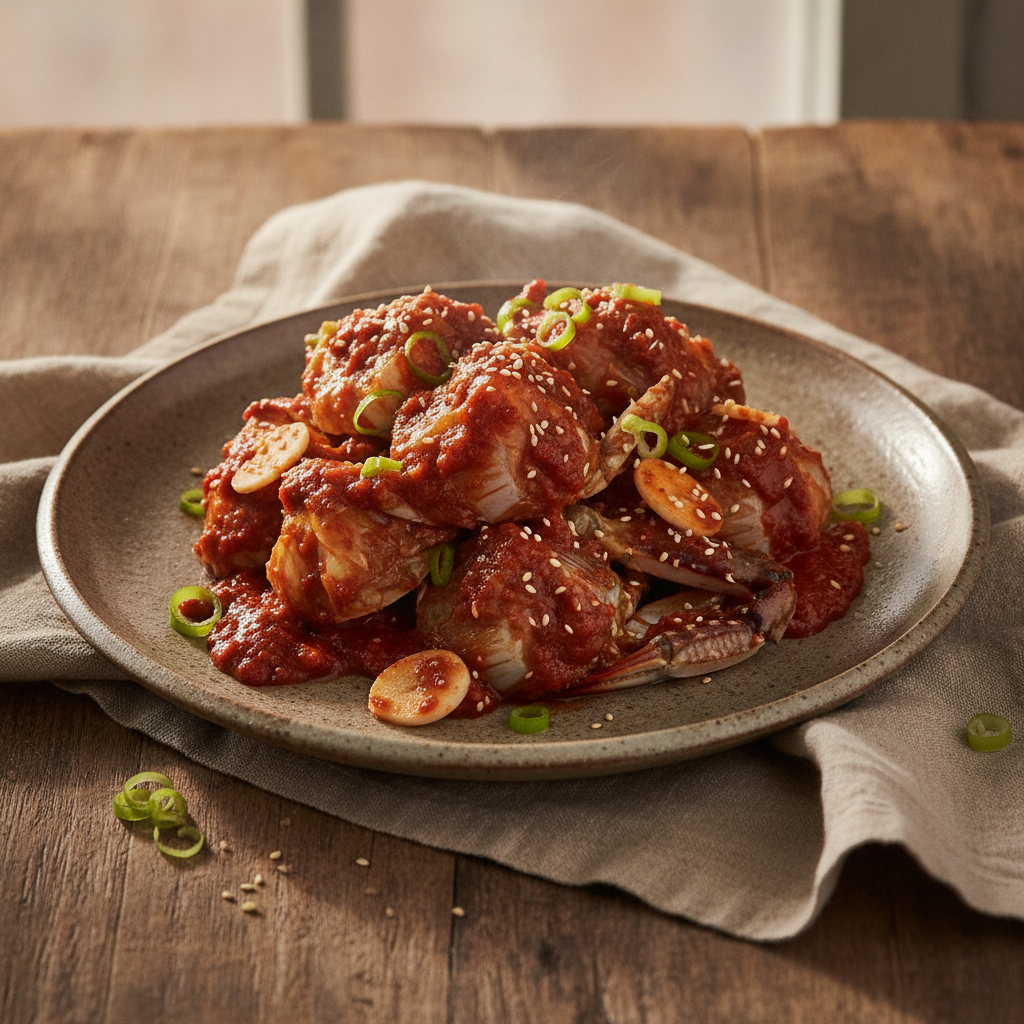
This iconic Korean dish features fresh raw crab marinated in a vibrant, spicy sauce. It's a bold and flavorful experience, perfect for seafood lovers seeking an authentic taste of Korea.
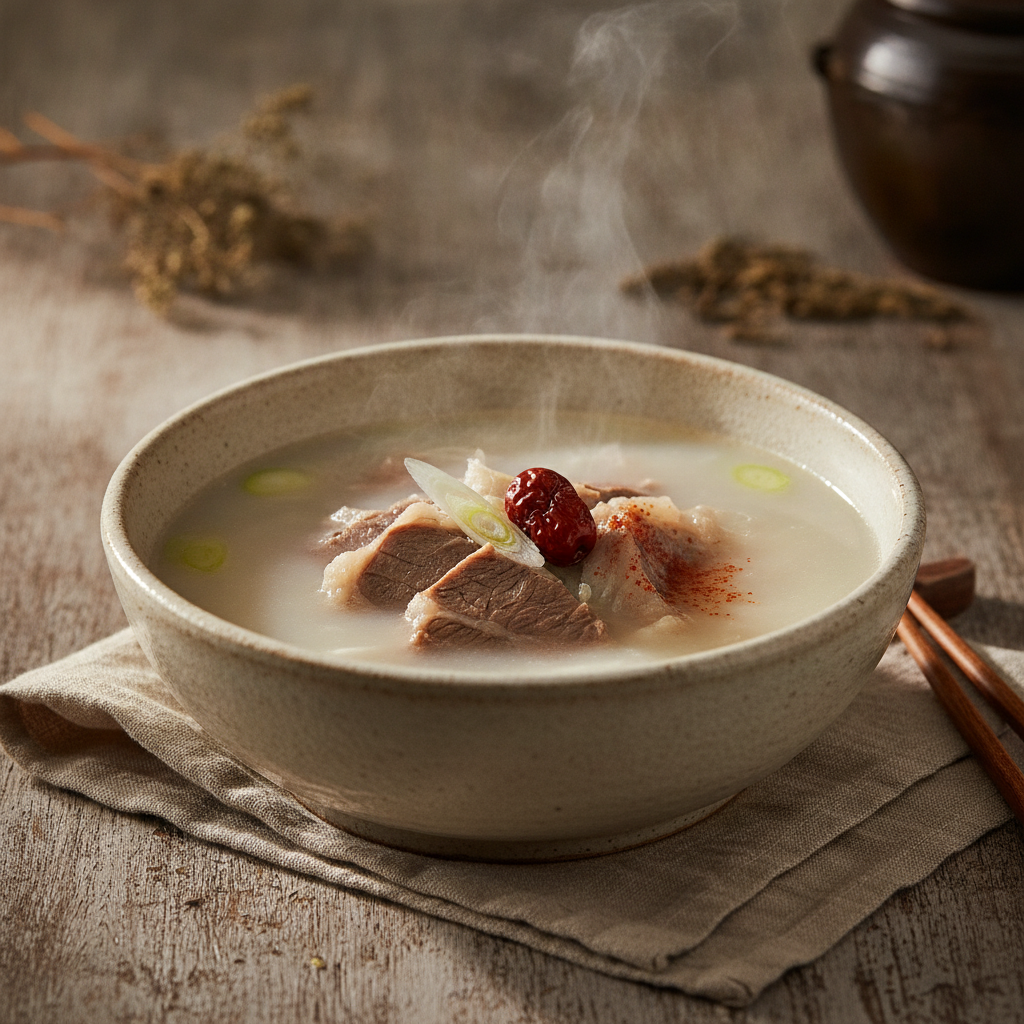
Sagol Gomtang is a deeply comforting and nourishing Korean beef bone soup, cherished for its milky white broth and rich flavor. This recipe will guide you to create a bowl of pure warmth, perfect for any time you need a hearty meal.
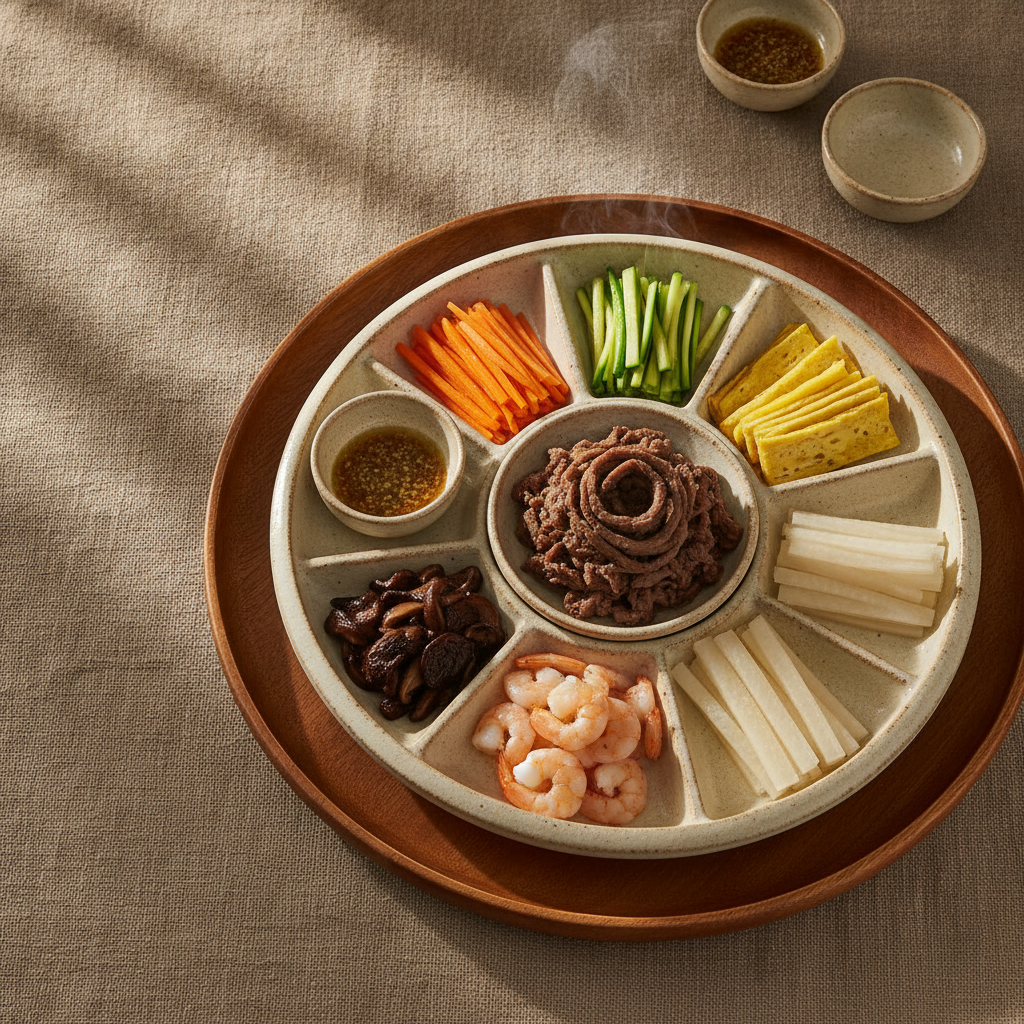
Gujeolpan, meaning 'nine-sectioned platter,' is a stunning Korean royal court dish. It showcases an array of colorful ingredients beautifully arranged for a truly elegant appetizer.
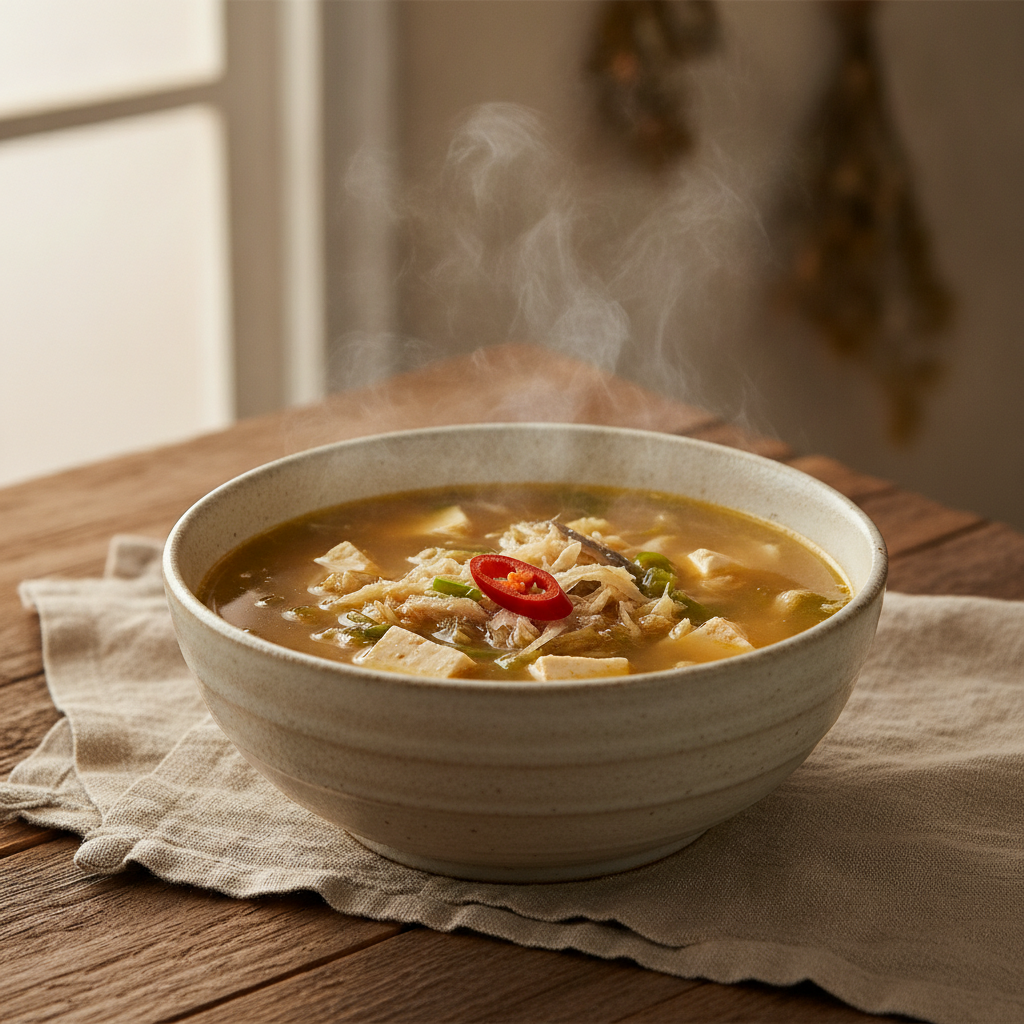
This comforting Hwangtae Haejangguk is a traditional Korean soup known for its incredible restorative properties. It's the perfect gentle remedy after a long night, or simply a warm, flavorful meal anytime.
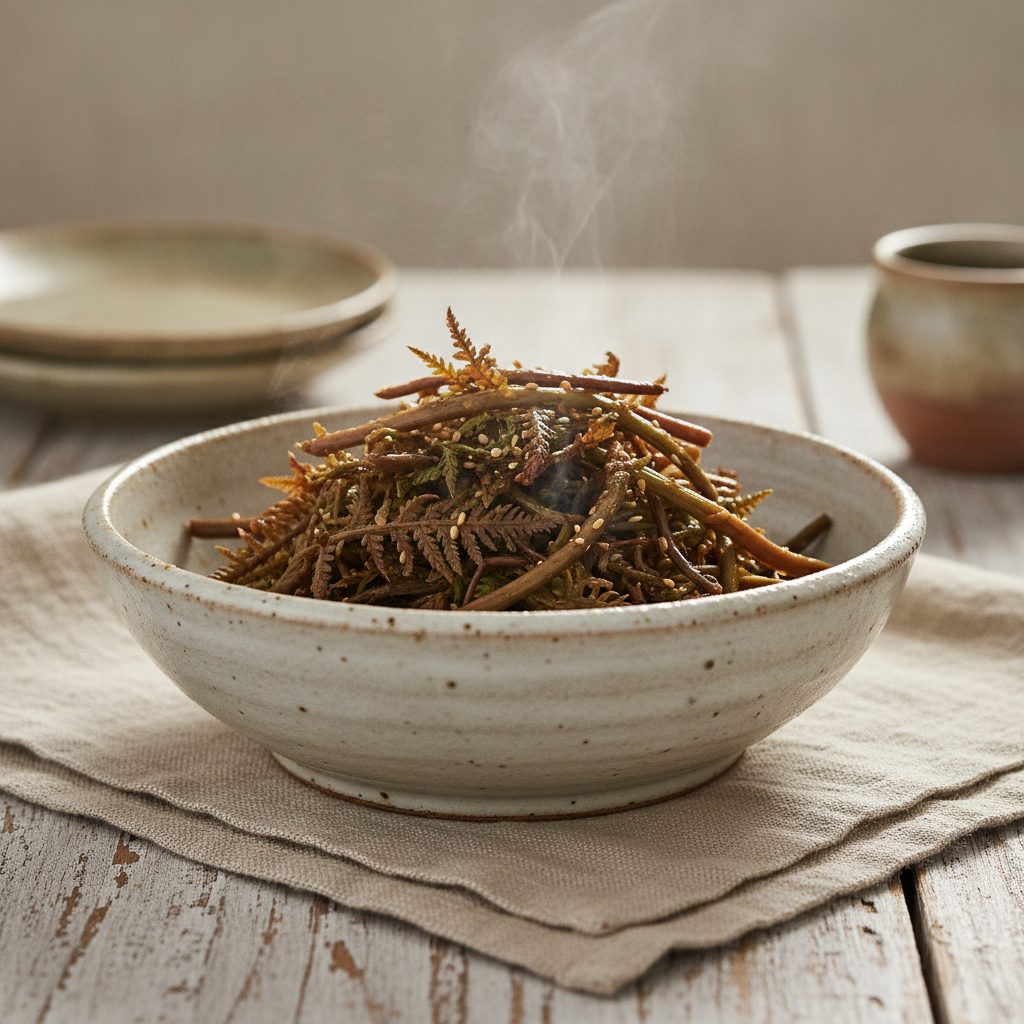
This traditional Korean seasoned fernbrake, or Gosari Namul, is a staple side dish known for its earthy flavor and tender texture. It's a simple yet incredibly nutritious banchan that complements any Korean meal.
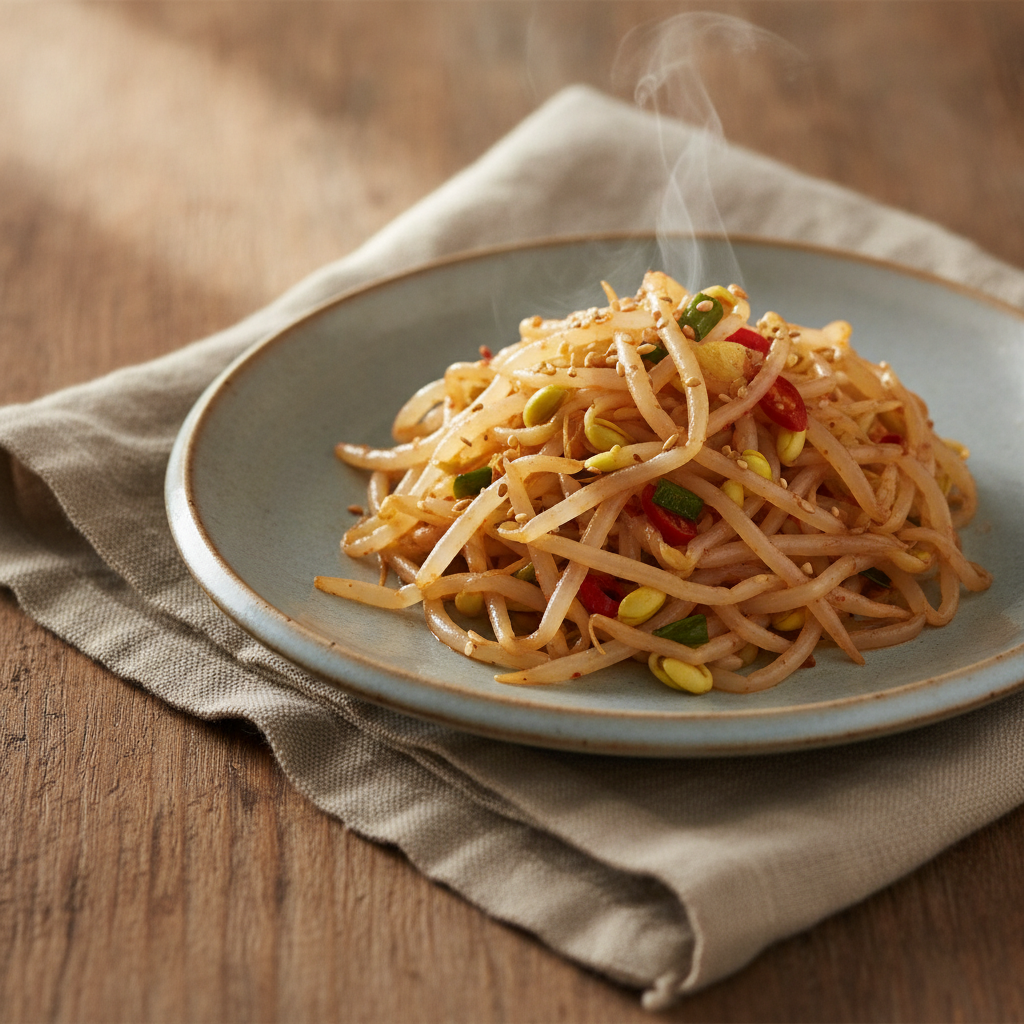
This simple seasoned bean sprouts recipe, known as Kongnamul Muchim, is a classic and healthy Korean banchan. It's incredibly easy to make and offers a refreshing, savory crunch to any meal.
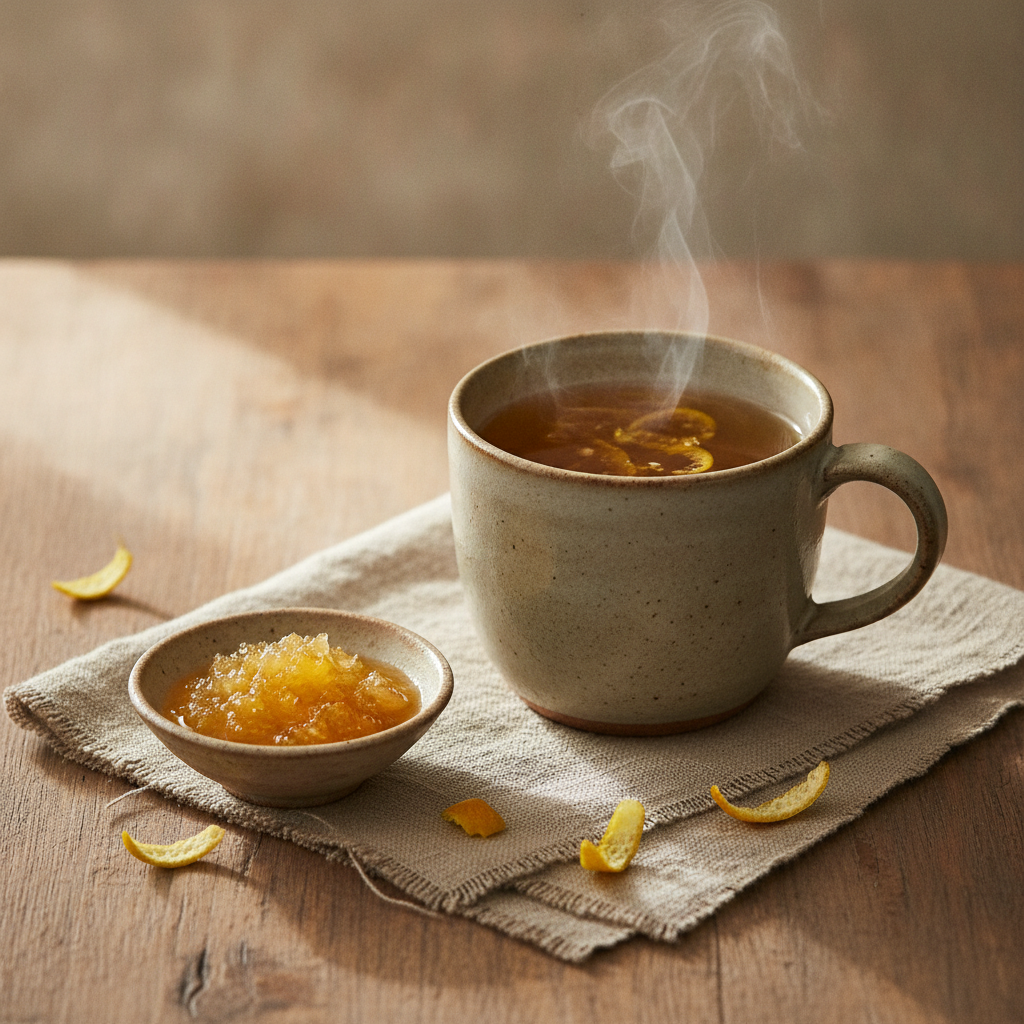
This comforting Korean yuja-cha, or citron tea, is a beloved traditional drink perfect for warming up on a chilly day. It's not only delicious but also packed with vitamin C.
10 / FAQ
Ten minutes of active work, two days on the counter to start fermenting, then weeks-to-months in the fridge to mature. Most home cooks rush it. Don't.