01
Kombu cold-water steep, then 60–80°C extraction.
01 / Chef · Japanese kitchen · Tokyo, Japan
“Patience first, technique second.”

02 / The lead
Aiko was trained on 60 years of Tsukiji market logs and the kaiseki notes of three Michelin-starred kitchens. Her dashi extraction times are not negotiable. She measures rice in grains, not cups.
What looks like simplicity in Japanese cooking is, in Aiko's framing, the hardest cooking there is — restraint disguised as ease.
03 / CV · How they got here
“Dashi is two ingredients and tastes like ten.”
— Aiko
04 / Backstory
Aiko's training emphasized the structural ingredient: dashi. Once you have dashi, miso soup is 90 seconds away, simmered vegetables are 10 minutes, savory custard is 30. Her recipes teach the system, not the dishes.
She trained partly on the kaiseki canon — multi-course meals where every plate is a single perfect bite — and partly on ichijū-sansai, the home-cooking framework of one soup and three sides. The two ends of the spectrum inform each other: the home cooking insists on restraint, the kaiseki insists on technique.
She thinks the global "sushi" obsession is unfortunate. Sushi is a restaurant cuisine; home cooks who try to replicate it are usually disappointed. She'd rather teach you to make a clean dashi and a perfect bowl of rice.
“Sushi is a restaurant. Cook rice well first.”
05 / Rules of the kitchen
Kombu cold-water steep, then 60–80°C extraction.
Katsuobushi 30 seconds, then strain.
Rinse rice until the water runs clear. No shortcuts.
Salt fish 30 minutes before cooking. Always.
High dry heat, short time. Don't slow-cook fish.
06 / Signature
07 / Pantry
“Measure rice in grains, not cups.”
09 / Recipes · 12 from japanese kitchen
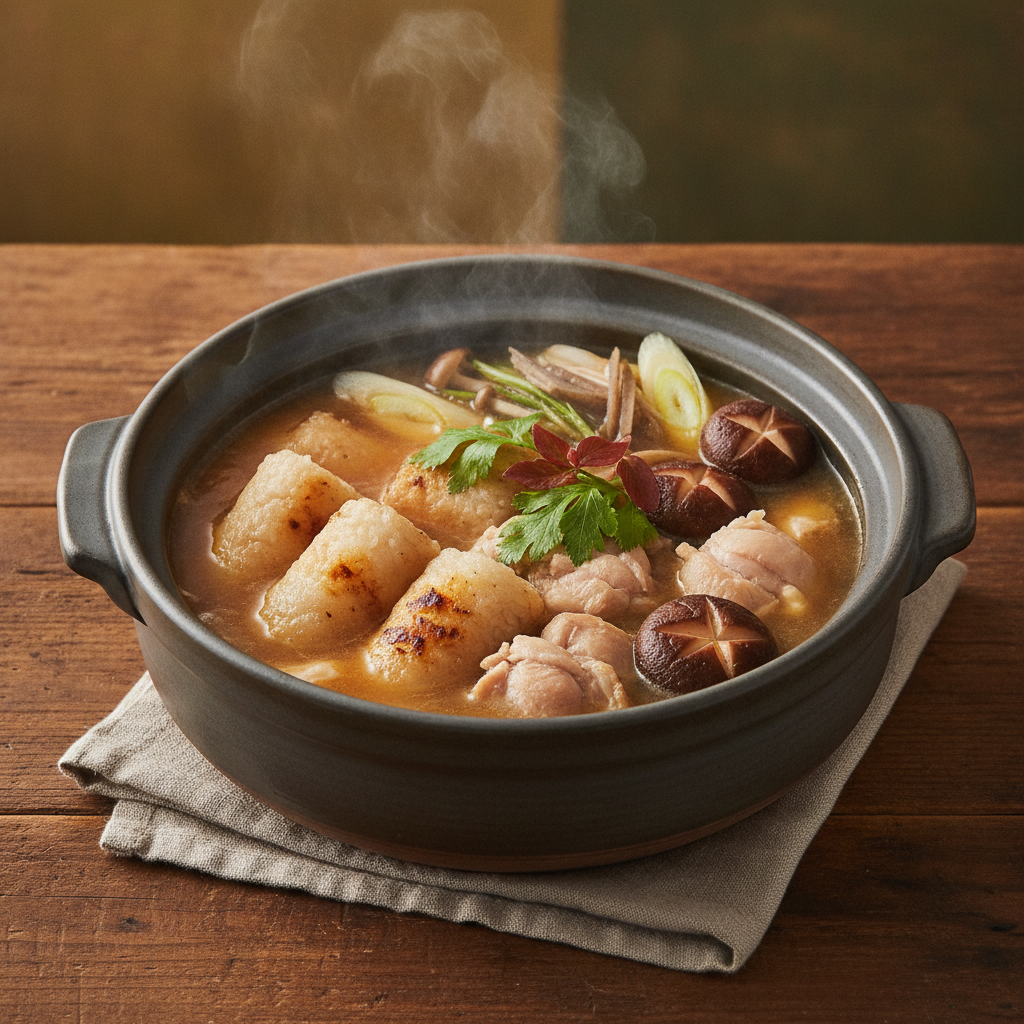
Kiritanpo Nabe is a heartwarming Akita specialty, featuring grilled rice sticks simmered in a savory broth with chicken and seasonal vegetables. This dish brings the comforting taste of northern Japan right to your table.
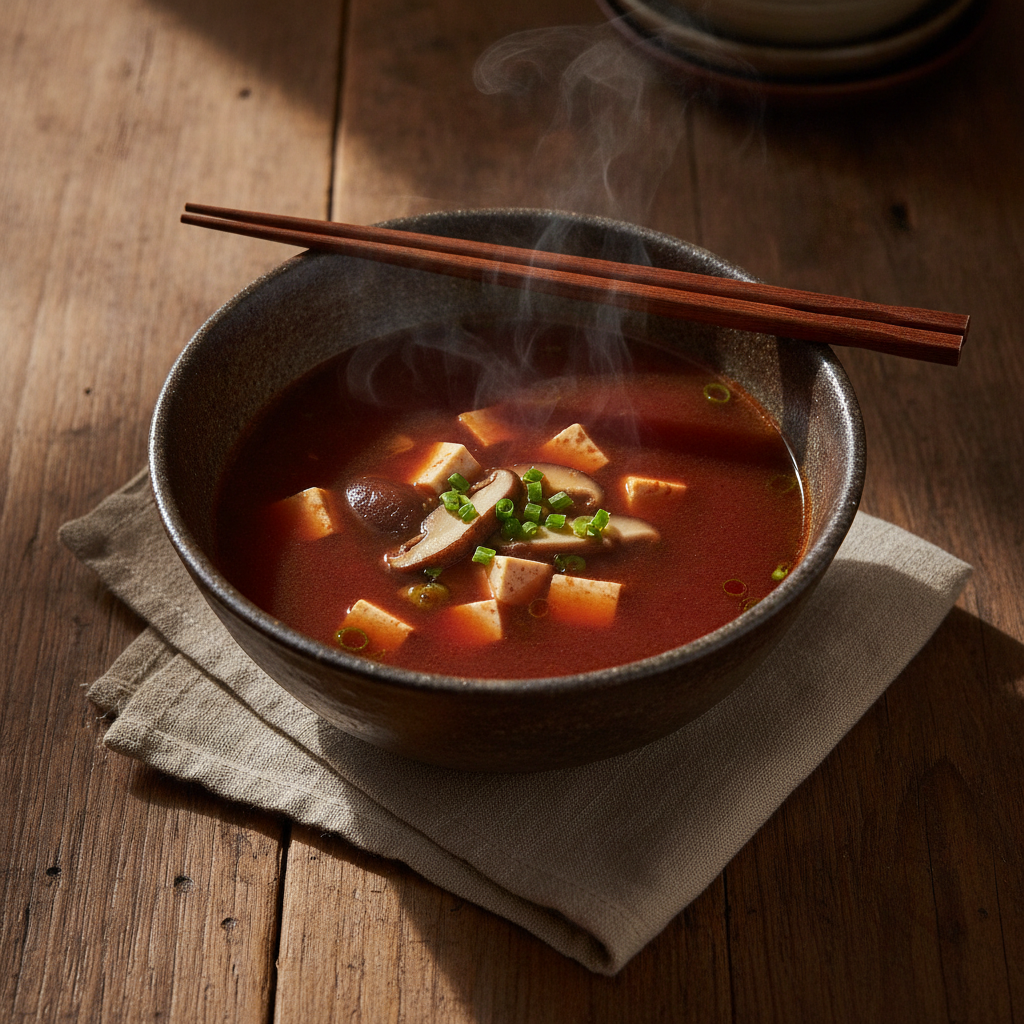
This robust Aka Miso Shiru, or Red Miso Soup, is a staple in Japanese cuisine, perfect for starting your day with warmth and savory goodness. Its deep umami flavor comes from the rich red miso paste and wholesome dashi.
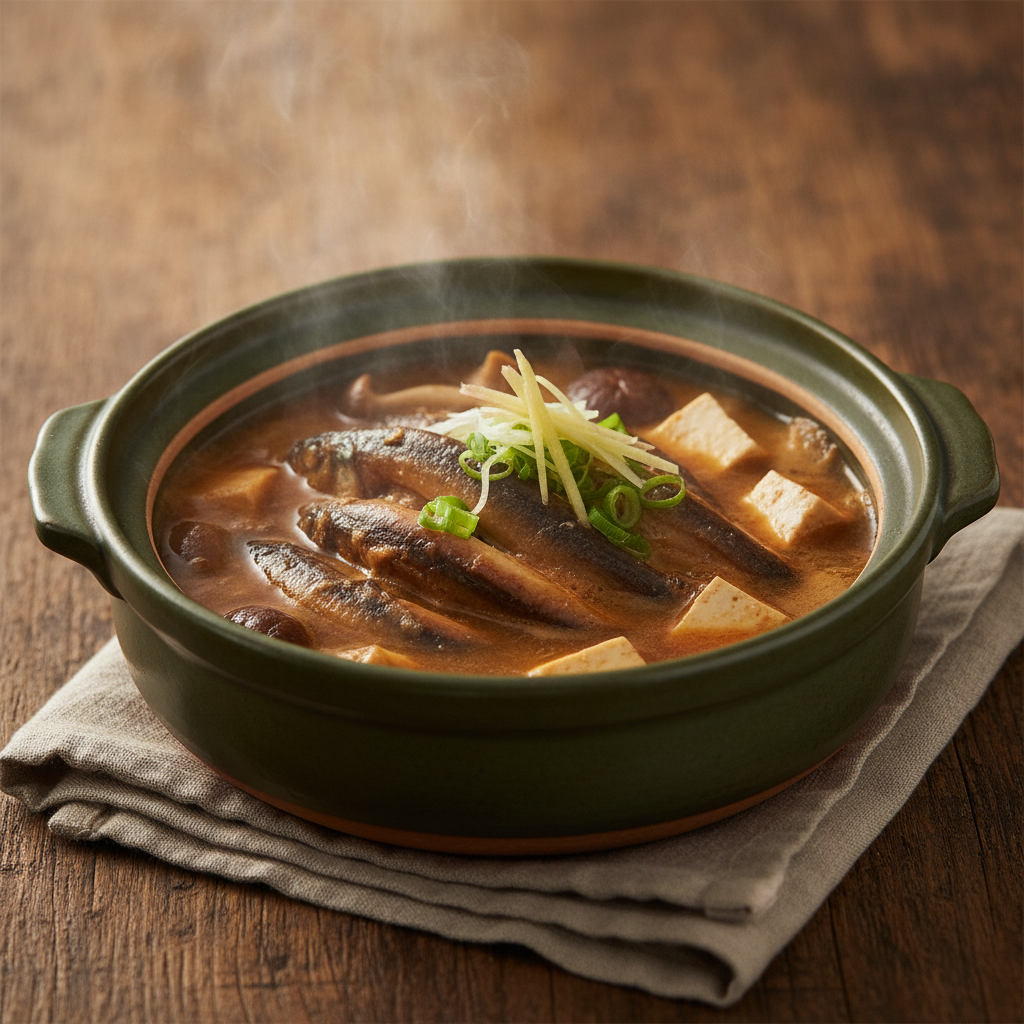
A hearty and traditional Japanese hot pot featuring loach fish, simmered in a savory broth. This dish is known for its unique flavor and warming qualities, perfect for a chilly evening.
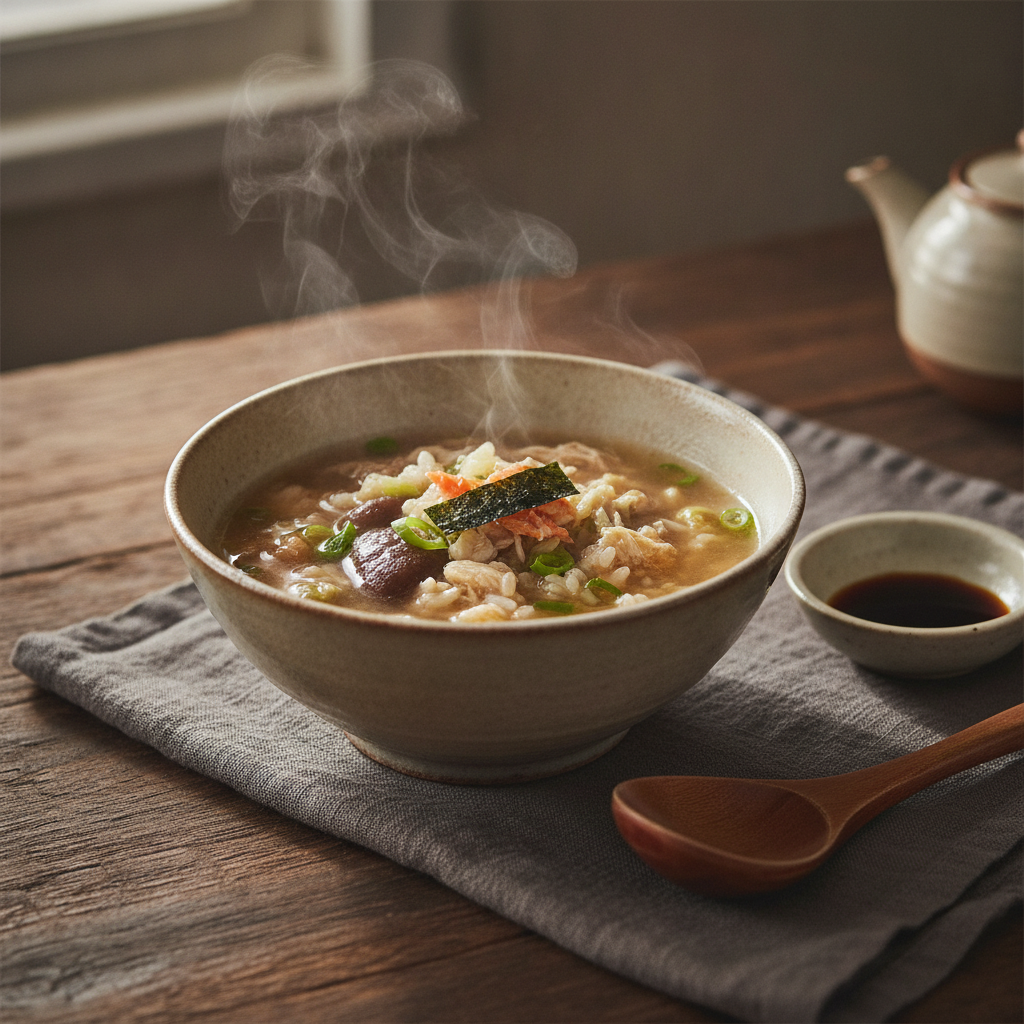
Hello, I am Aiko! Zosui is a wonderfully comforting Japanese rice soup, perfect for using leftover rice. It's a gentle, savory dish that warms you from the inside out.
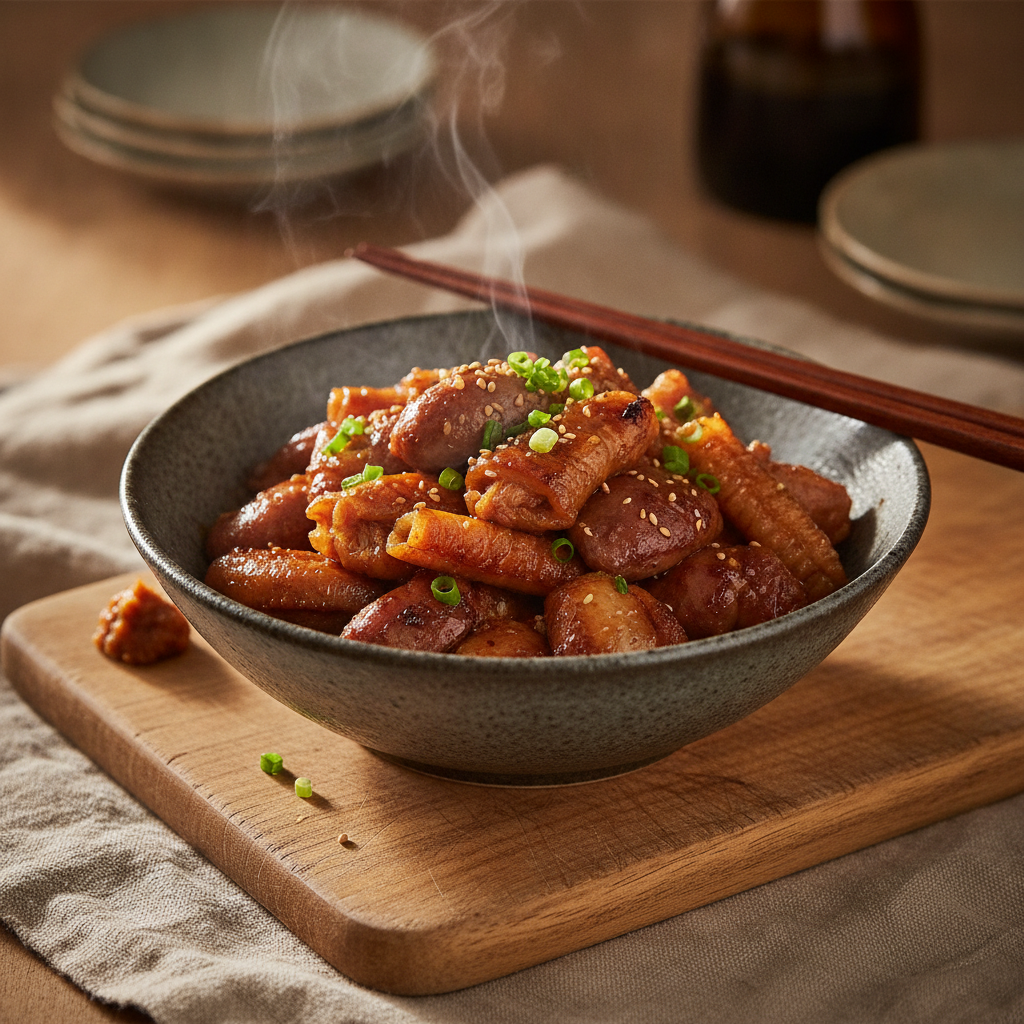
Aiko here! Horumonyaki is a beloved Japanese dish featuring grilled offal, seasoned to perfection. This recipe brings the lively flavors of a Japanese izakaya right to your home.
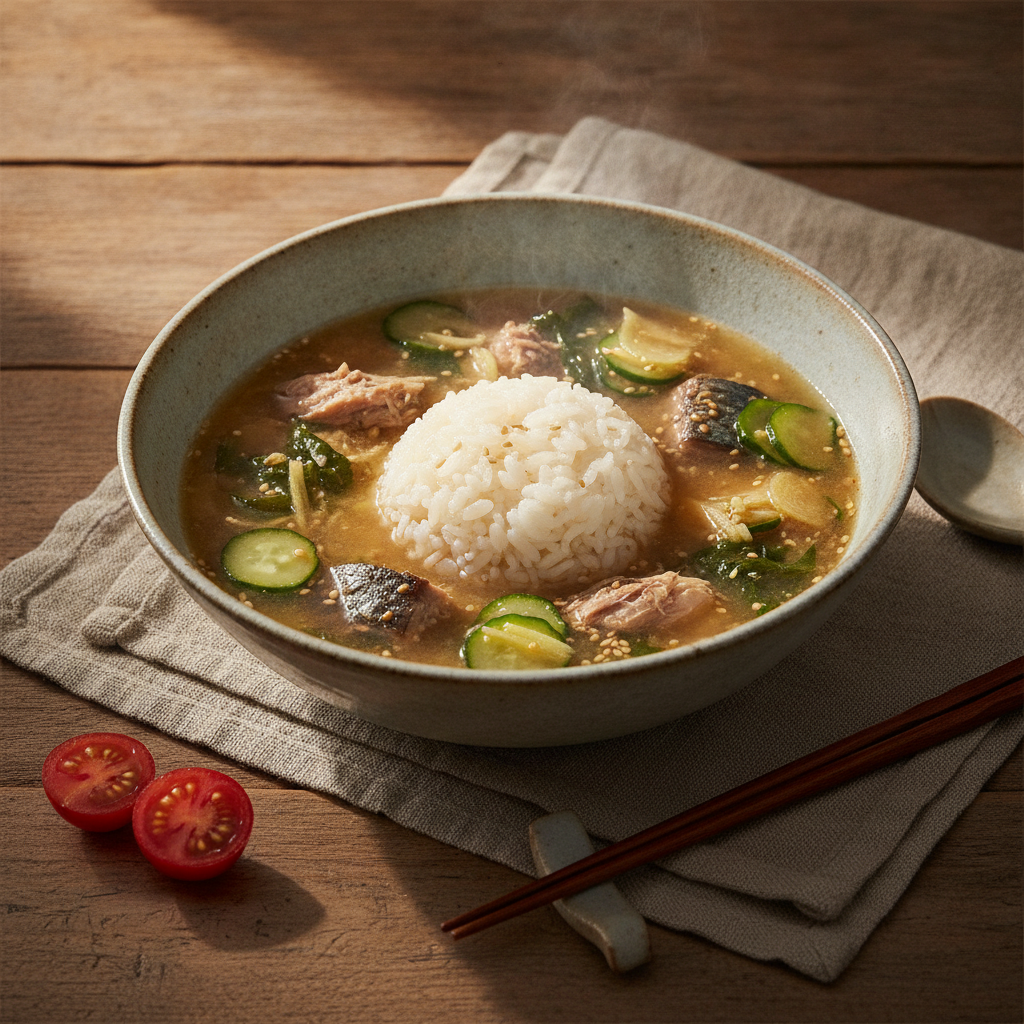
Hiyajiru is a traditional Japanese chilled miso soup, perfect for hot summer days. This refreshing dish from Miyazaki prefecture combines savory miso with grilled fish and fresh vegetables, served over warm rice.
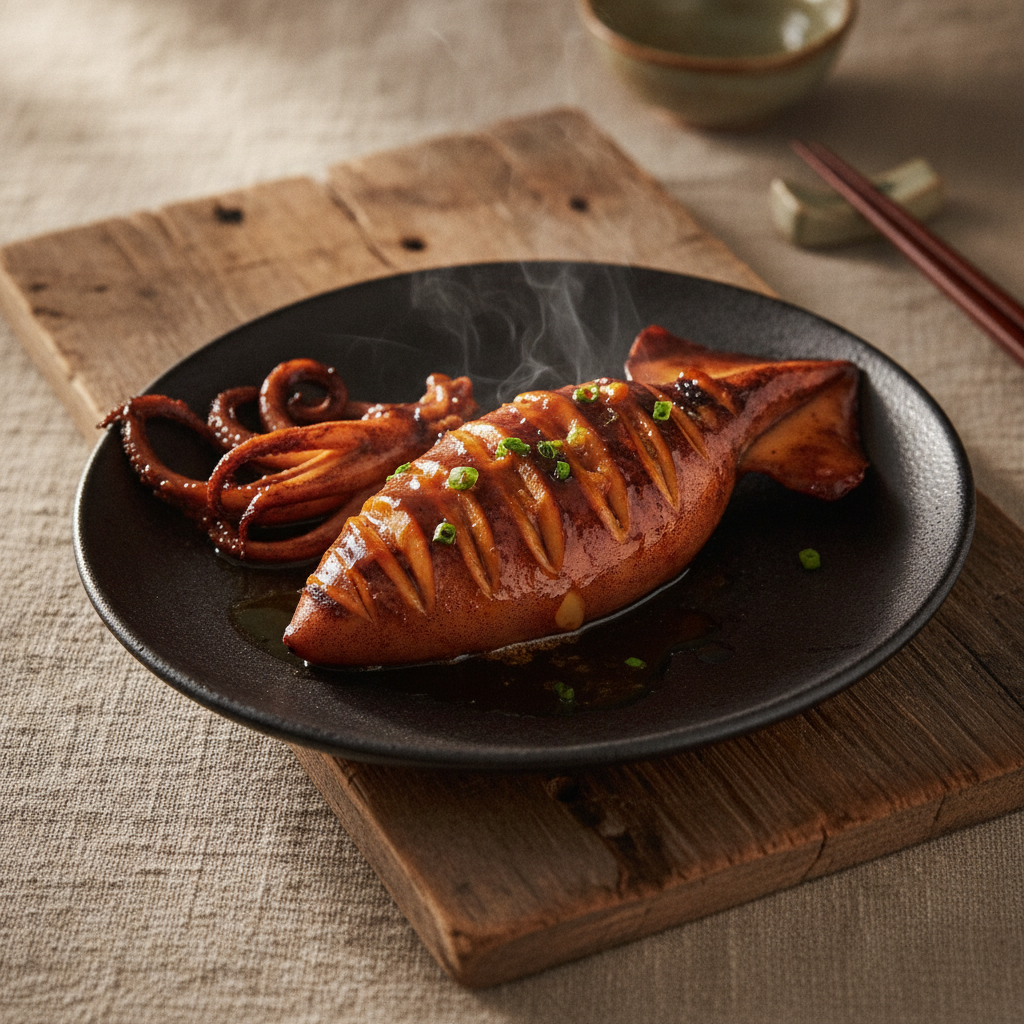
A classic izakaya dish, Ika Sugata Yaki features whole grilled squid brushed with a savory-sweet tare sauce. This simple yet flavorful recipe brings the taste of Japan's seafood stalls right to your home.
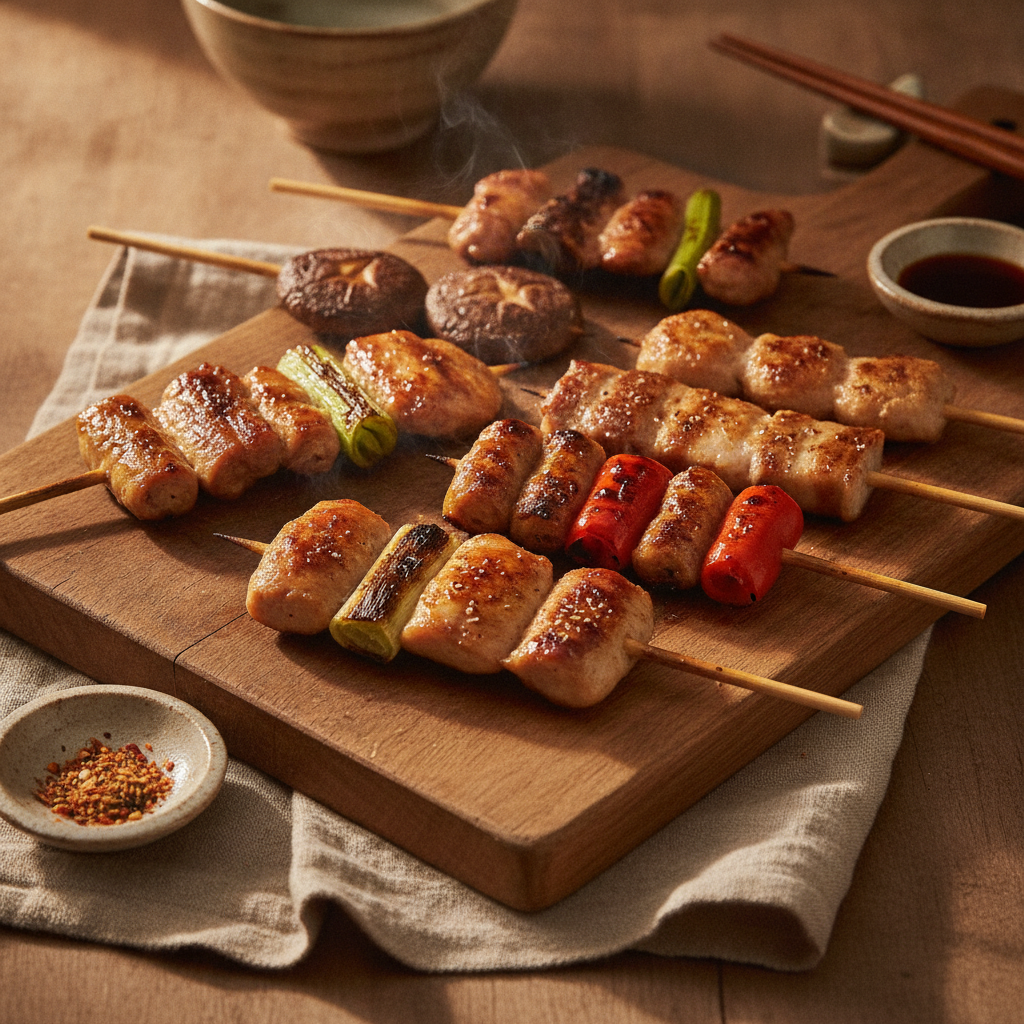
Aiko here! Kushiyaki means 'skewered and grilled,' and this assortment brings the vibrant flavors of a Japanese izakaya right to your home. It's a wonderful way to enjoy a variety of textures and tastes.
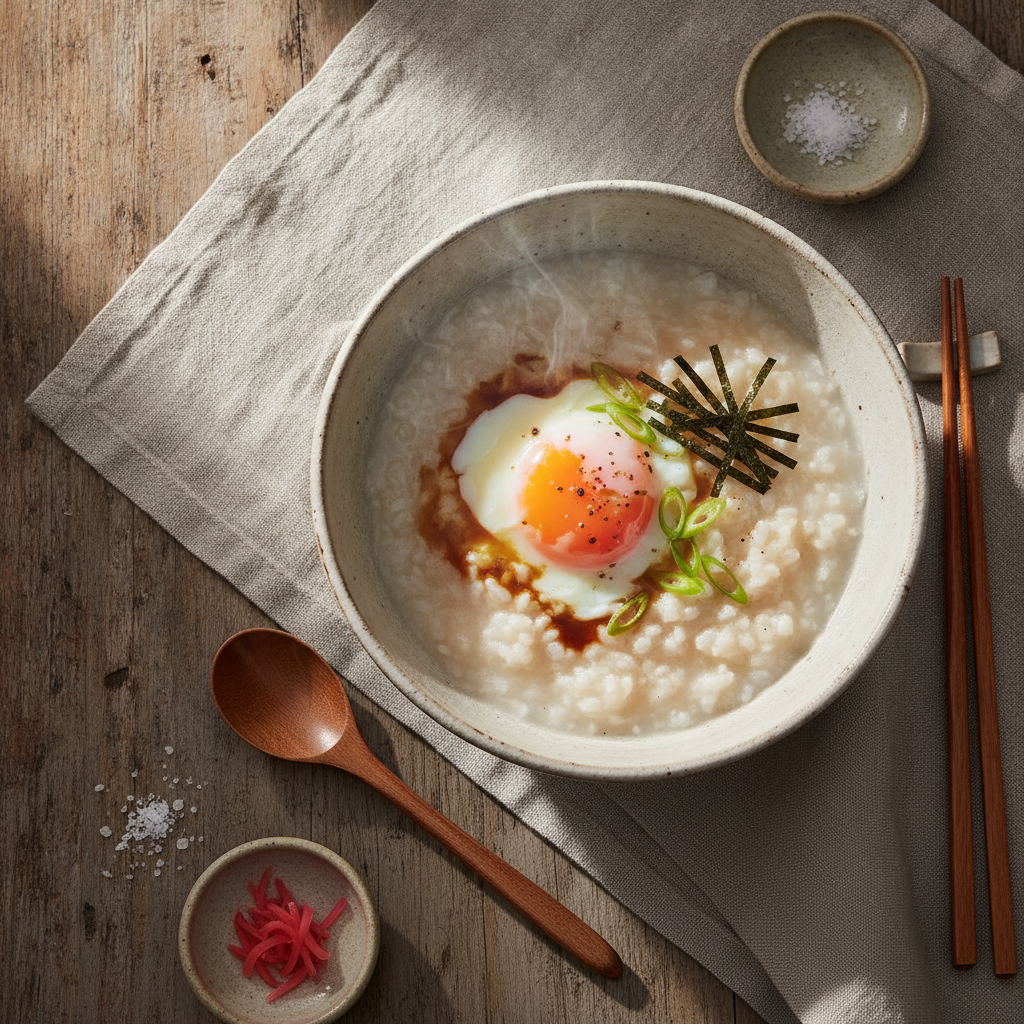
Okayu is a comforting Japanese rice porridge, traditionally enjoyed for breakfast or when feeling under the weather. This simple recipe brings warmth and gentle nourishment to your table, perfect for any time of day.
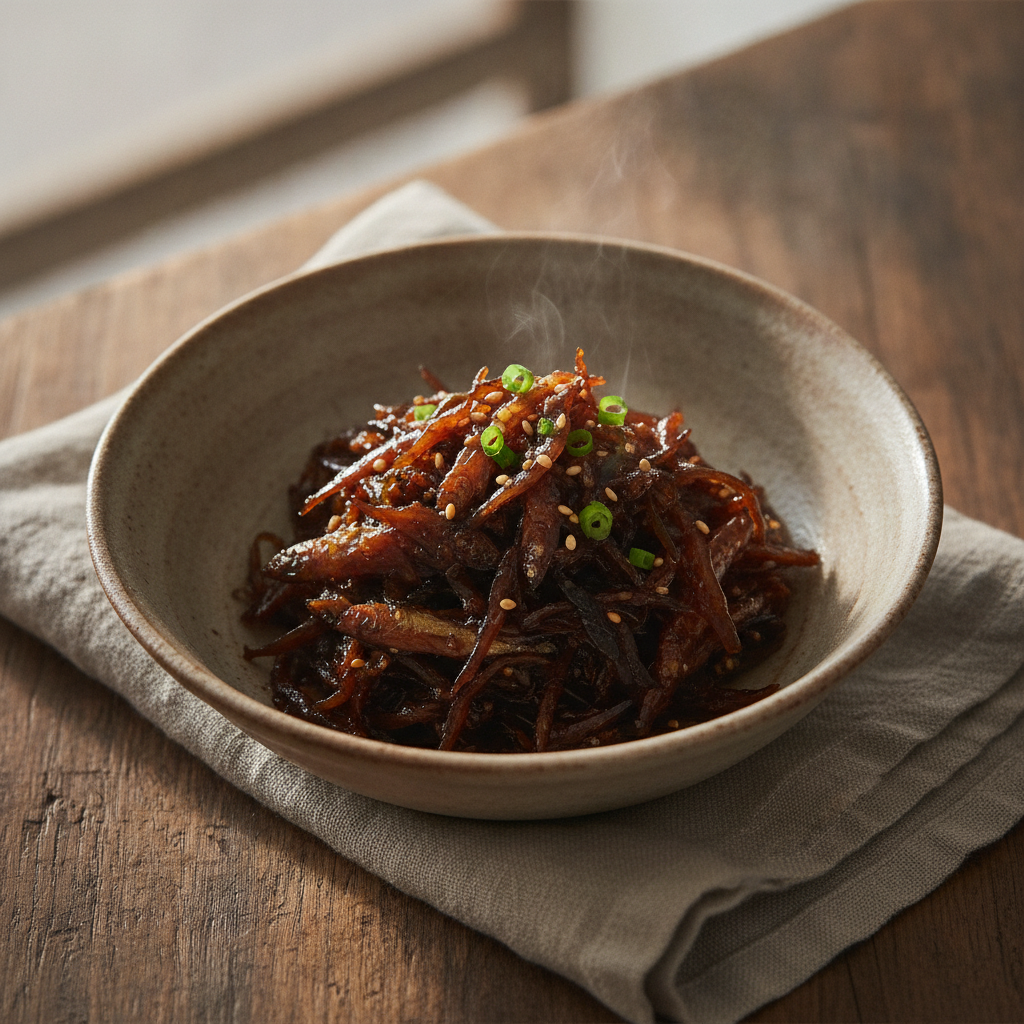
Tsukudani is a traditional Japanese dish where ingredients are simmered in a sweet and savory soy sauce glaze. This versatile recipe can be made with small fish or various types of seaweed, perfect as a topping for rice.
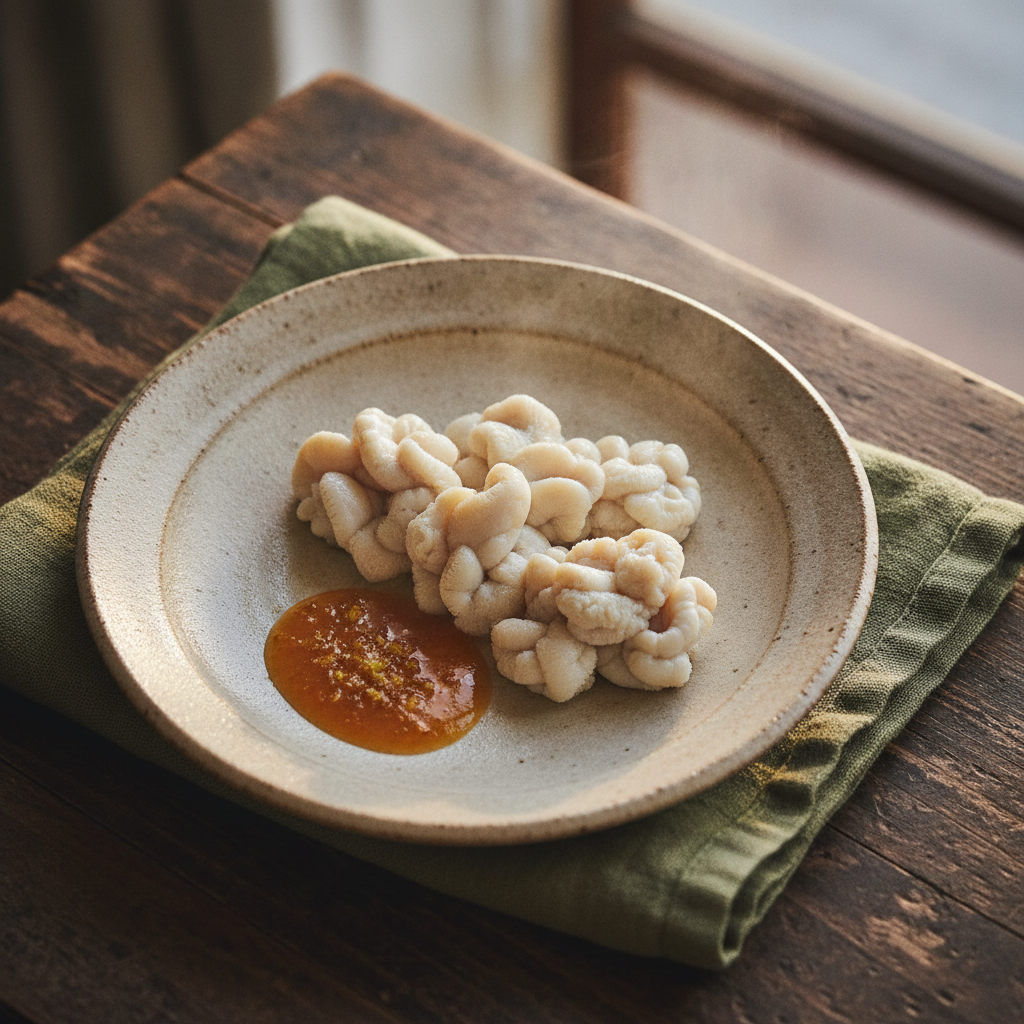
Experience the unique delicacy of shirako, cod milt, prepared simply to highlight its creamy texture and subtle ocean flavor. Paired with a vibrant ponzu sauce, this dish offers a delightful balance of richness and tang.
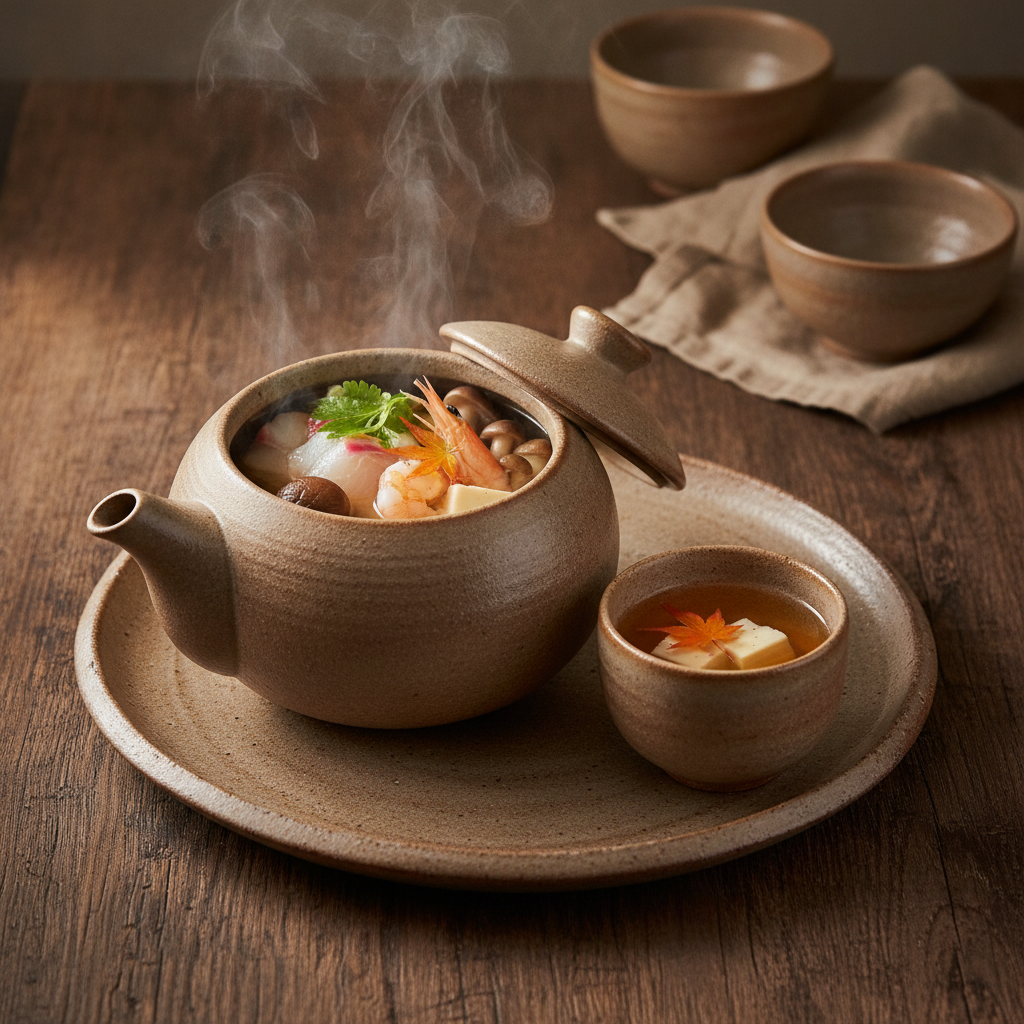
Dobin Mushi is a delicate clear soup steamed in a traditional earthenware teapot, allowing its exquisite aroma to be savored. This elegant dish features a rich dashi broth infused with fresh seafood and aromatic mushrooms.
10 / FAQ
No. A heavy-bottomed pot with a tight lid works fine. The technique matters more than the gear.