Can I use regular rice flour instead of mochiko?
No, mochiko (glutinous rice flour) is essential for the chewy, stretchy texture of mochi. Regular rice flour will result in a crumbly, hard texture.
Japanese · dessert
35m
Total time
4
Servings
280
kcal
medium
Difficulty
tap to check off
FAQ · Things people ask
No, mochiko (glutinous rice flour) is essential for the chewy, stretchy texture of mochi. Regular rice flour will result in a crumbly, hard texture.
Daifuku is best enjoyed fresh on the day it's made. If you must store it, place it in an airtight container at room temperature for up to one day. Refrigeration will harden the mochi.
Related · You might also cook
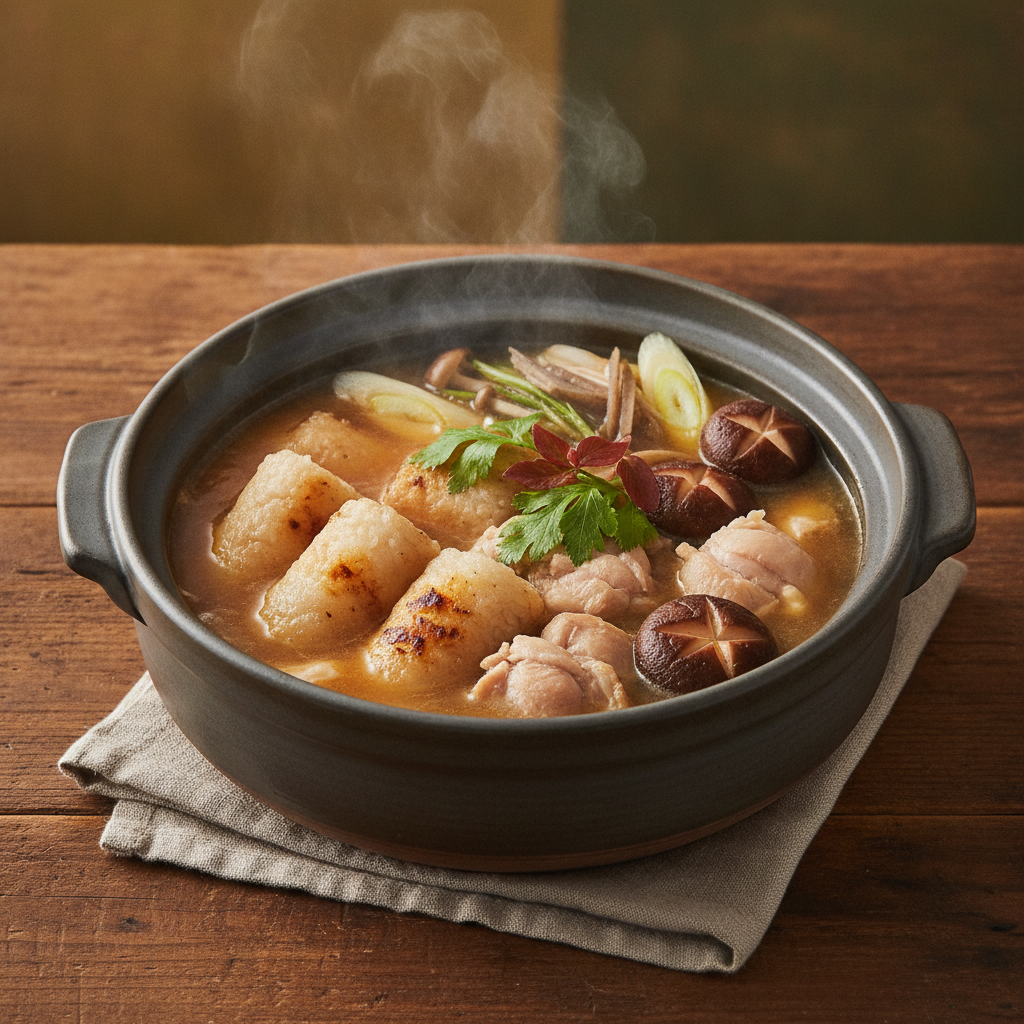
Kiritanpo Nabe is a heartwarming Akita specialty, featuring grilled rice sticks simmered in a savory broth with chicken and seasonal vegetables. This dish brings the comforting taste of northern Japan right to your table.
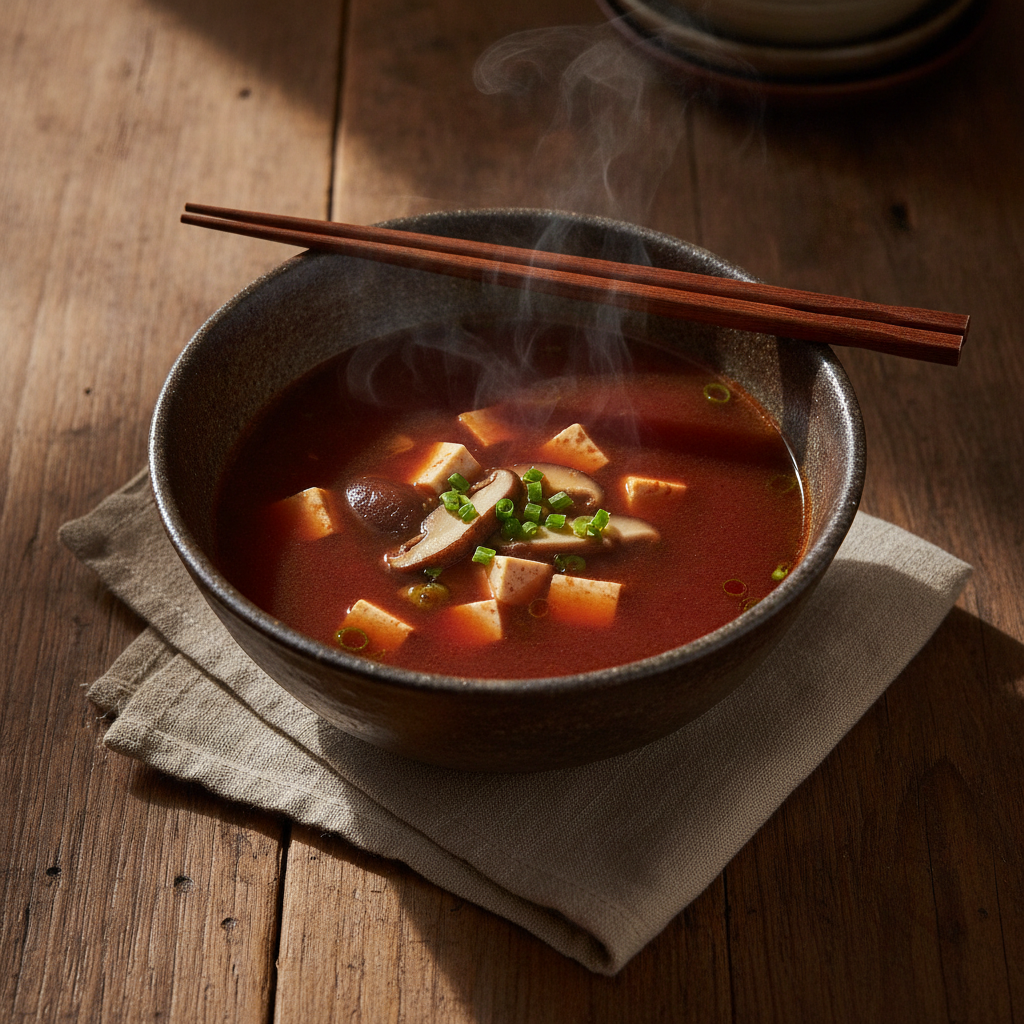
This robust Aka Miso Shiru, or Red Miso Soup, is a staple in Japanese cuisine, perfect for starting your day with warmth and savory goodness. Its deep umami flavor comes from the rich red miso paste and wholesome dashi.
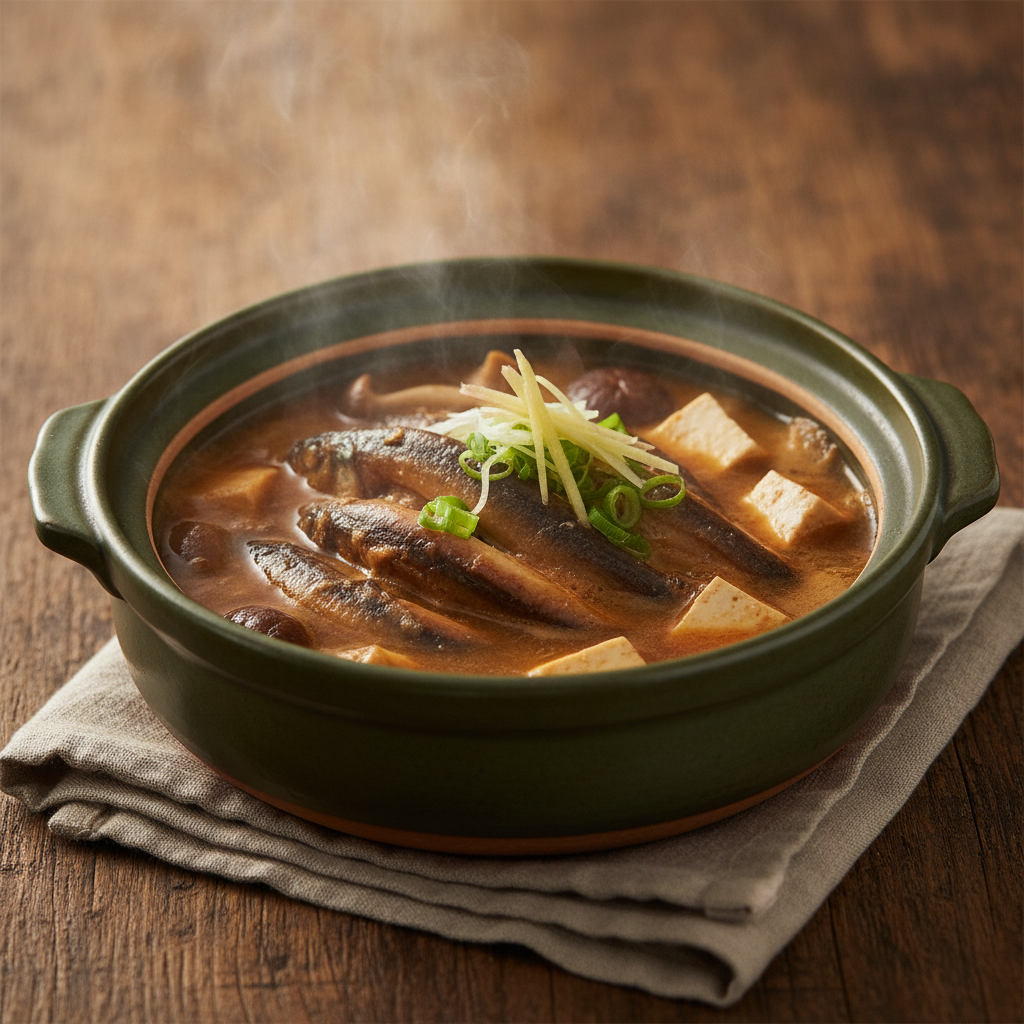
A hearty and traditional Japanese hot pot featuring loach fish, simmered in a savory broth. This dish is known for its unique flavor and warming qualities, perfect for a chilly evening.
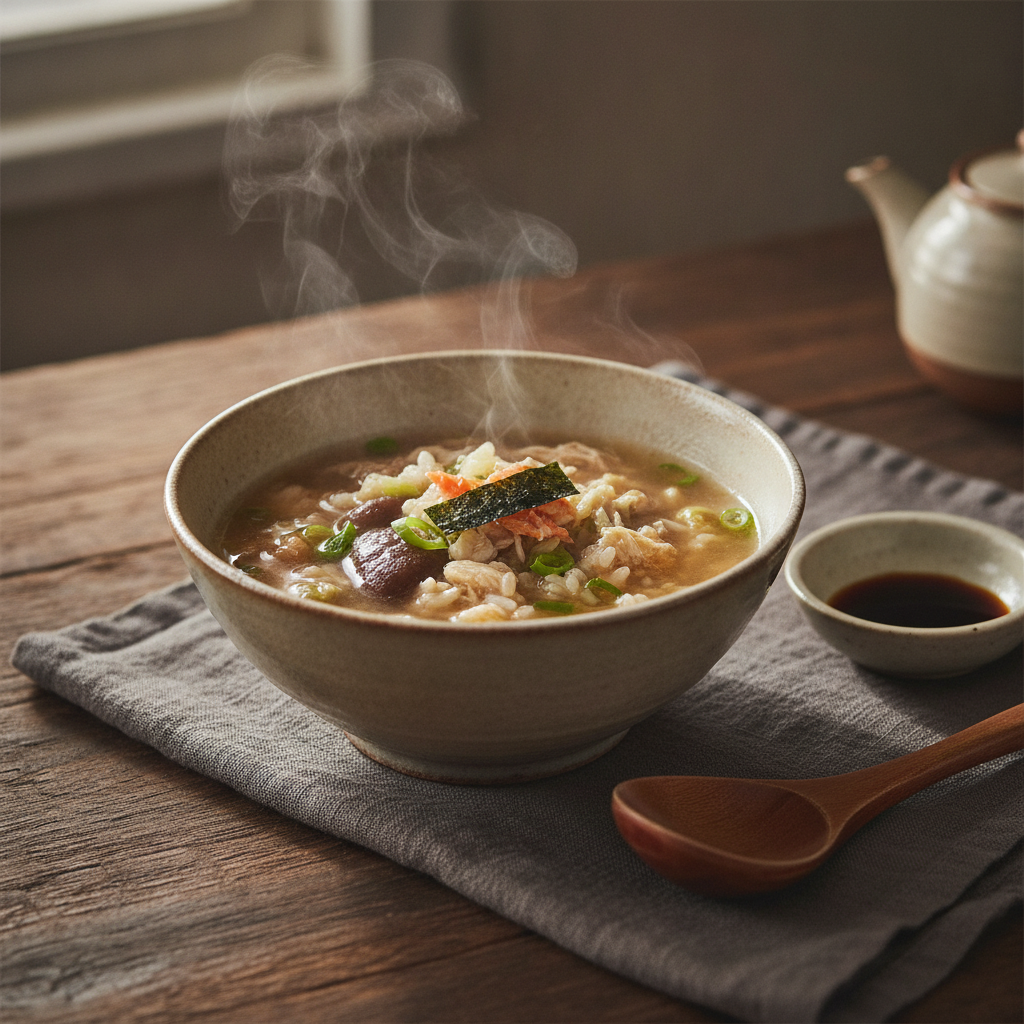
Hello, I am Aiko! Zosui is a wonderfully comforting Japanese rice soup, perfect for using leftover rice. It's a gentle, savory dish that warms you from the inside out.