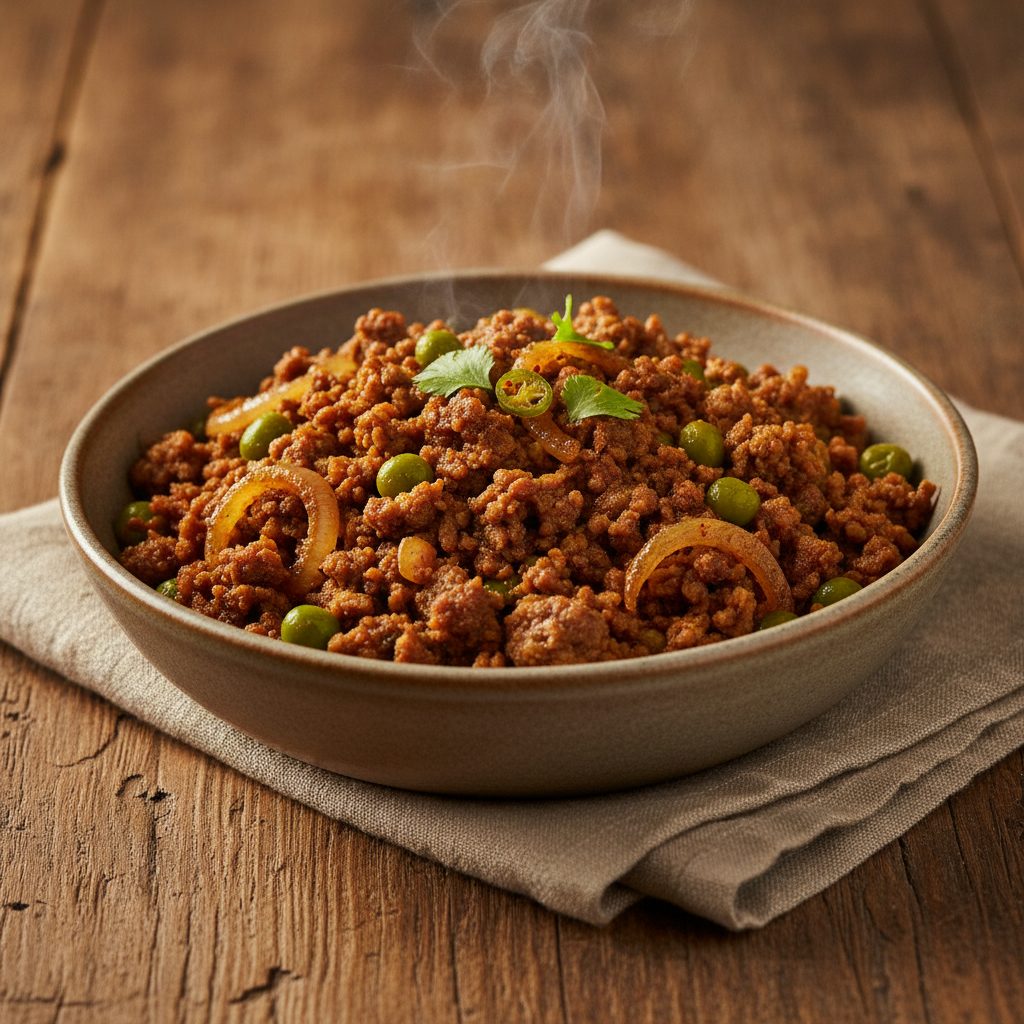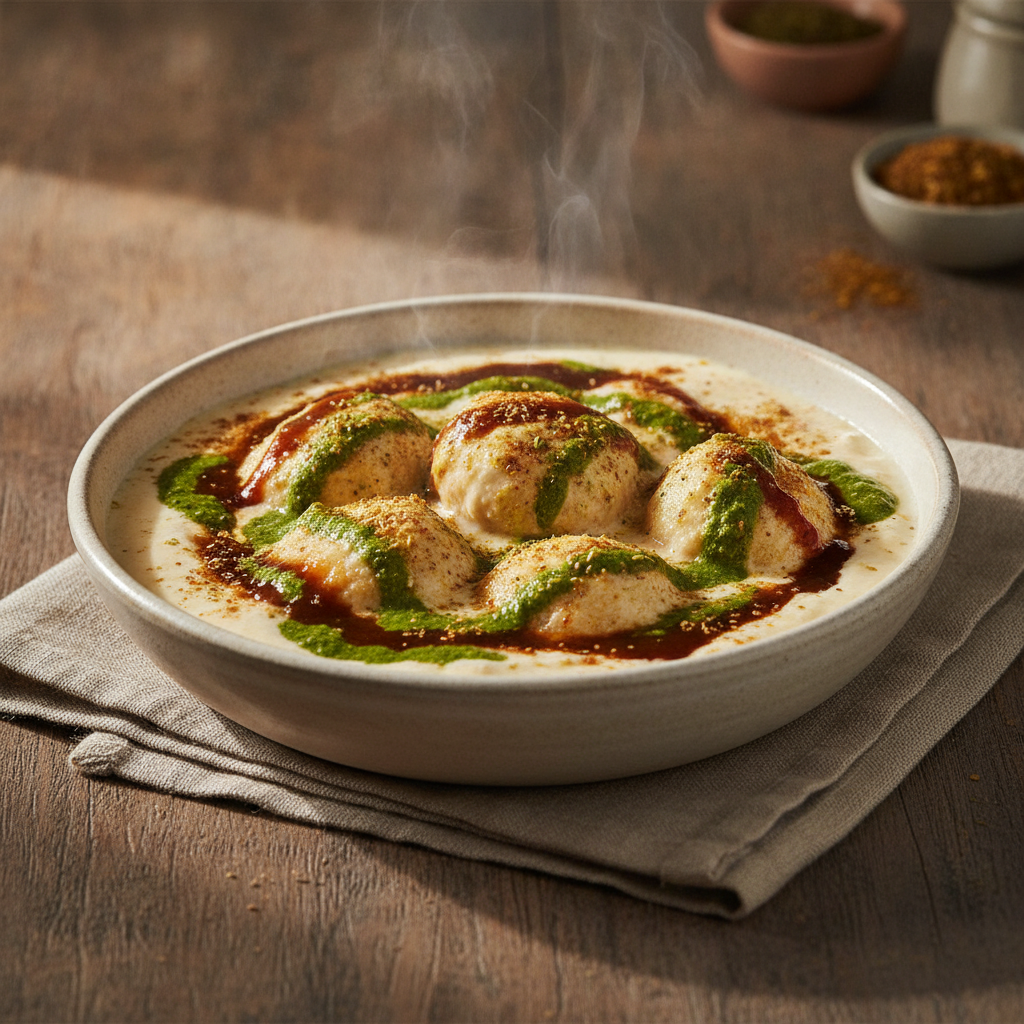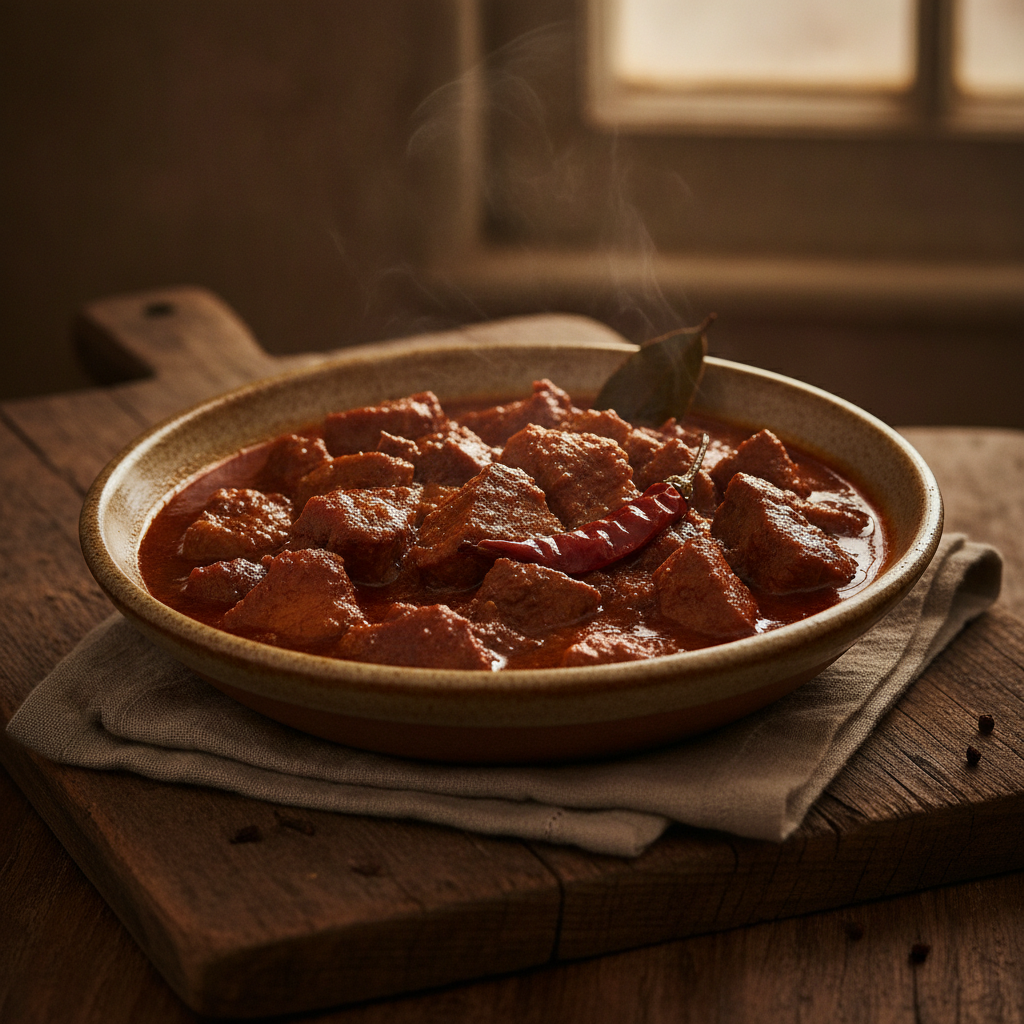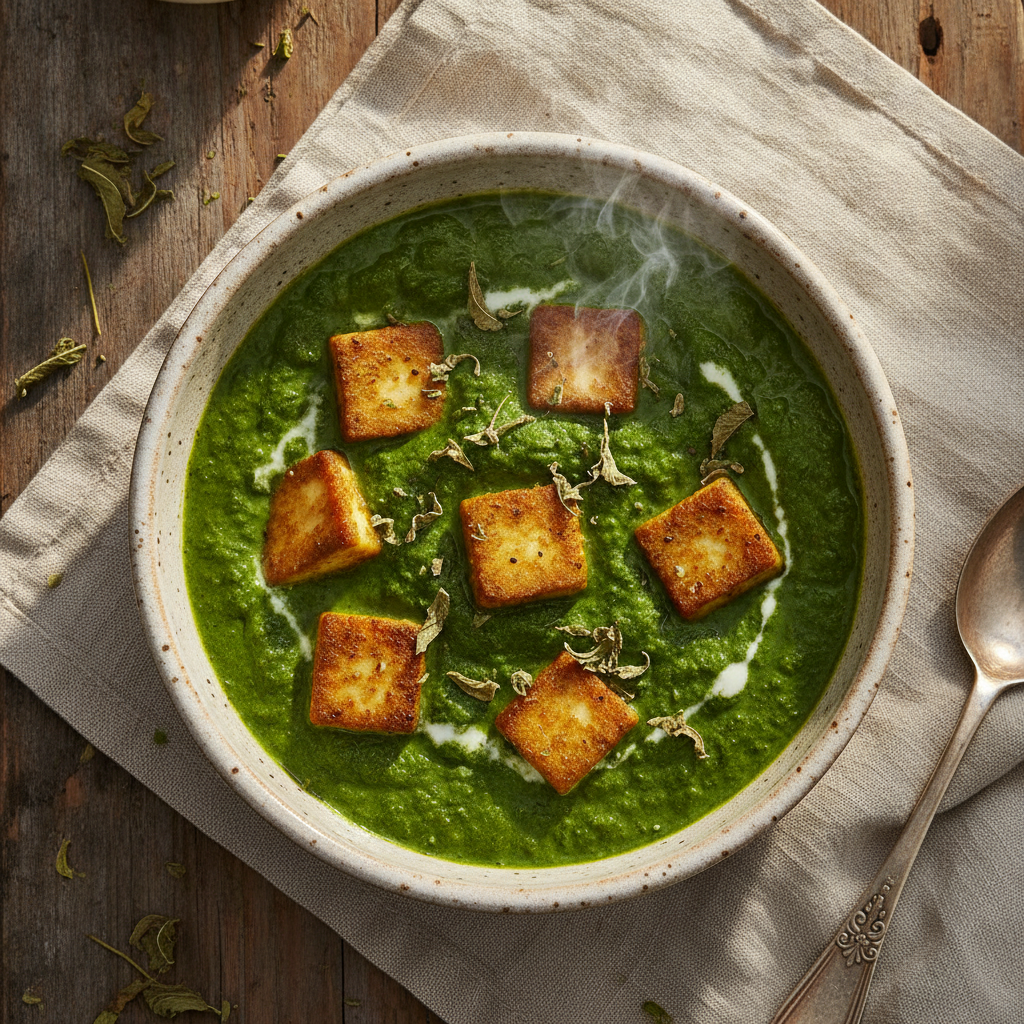
SOUSCHEF

01 / Cuisines · South Asian

Indian.

Tarka, dal, biryani, chai.

48 recipes4 core techniques10-item pantry

02 / Intro · The shape of it

Indian cuisine is one of the world's most layered cooking traditions and also one of the most misunderstood by takeaway menus abroad. "Curry" isn't a dish — it's an English umbrella term for hundreds of regional preparations that have very little to do with each other. North Indian cooking is dairy-heavy and tandoor-led; South Indian cooking runs on rice, coconut, and fermented batters; coastal cuisines lean into fish and vinegar; and Indo-Chinese is its own thing again.

The structural technique is tarka (also called tadka or chaunk): spices bloomed in hot oil or ghee for 30–90 seconds at the start (or end) of a dish, releasing fat-soluble flavors that water cooking will never produce. Master tarka and you've unlocked half of Indian home cooking.

Souschef's Indian recipes are written in Priya's voice — Bangalore-born, trained in Mumbai, cooking in London. She measures in grams, treats whole spices as non-negotiable (ground spices are emergency-only), and won't let you call any dish "curry" without asking which one. Expect dal you can make on a weeknight, biryani that's worth the Sunday, and a chai that ruins teabags forever.

03 / Techniques · The four that matter

Master these first.

01

Tarka (tempering)

Whole spices bloomed in hot ghee or neutral oil for 30–90 seconds until they sputter and smell toasted. Used at the start to build a base, or at the end as a finishing pour over dal or yogurt.

02

Whole-spice toasting and grinding

Coriander, cumin, fennel, peppercorns, cardamom dry-toasted in a pan for 60 seconds, then ground fresh. Pre-ground spice mixes lose half their volatile aromatics within weeks.

03

Bhuna

Sautéing onion-tomato base in oil over medium heat until the oil separates and pools at the edges — the visual signal that the masala is cooked through. Skipping this step makes the dish taste raw.

04

Dum (sealed steam-cooking)

Biryani technique: layered rice and meat, lid sealed with dough or foil, cooked over low heat (or in the oven) so the steam circulates inside and the bottom forms a crust.

04 / Soundtrack · Sitar & Santoor Masters

Cook to this.

press play, get chopping

05 / The library · 48 indian recipes

Tonight's dinner.

Sarson da Saag with Makki di Roti — Punjab's Winter Soul Food
indianmedium

Sarson da Saag with Makki di Roti — Punjab's Winter Soul Food

This is not a weeknight dish — and that's exactly the point. Sarson da Saag with Makki di Roti is Punjab's answer to the cold months, the dish that farmhouses and city kitchens across both sides of the border make when mustard greens flood the winter fields. The saag takes patience: a long, covered braise that transforms aggressively sharp mustard greens into something silky, complex, and deeply earthy. The makki di roti — gluten-free cornmeal flatbread shaped entirely by hand — is its inseparable companion. Together, they are more than a meal: they are a season. Punjabi families will argue passionately about this dish. Should the mustard-to-spinach ratio be 80/20 or 50/50? Does bathua (lamb's quarters) belong? Is tomato a welcome addition or a betrayal? I've leaned traditional here: mustard-heavy, generous with ginger, and finished with a proper ghee tadka that you will smell from the next room. A pat of white butter (makhan) on the roti is not optional. It never was.

105 min 4
Read
Tandoori Pomfret: Charred Coastal Indian Fish Without a Tandoor
indianmedium

Tandoori Pomfret: Charred Coastal Indian Fish Without a Tandoor

Tandoori pomfret is the crown jewel of Mumbai's seafood restaurants and Goa's beach shacks — a whole flat fish, scored deep, marinated in yogurt and Kashmiri spice, and cooked at ferocious heat until the outside chars into a deeply savoury, rust-red crust and the inside stays steamed and tender. It's the dish that converts sceptics who think Indian cooking is all about curry. There is no curry here. There is fire, and fish, and time. Pomfret (Pampus argenteus) is the prestige fish of India's west coast, celebrated from Gujarat to Goa and the star of every monsoon fish market in Mumbai. Its flat, wide body and fine white flesh are perfectly suited to the tandoori method: thin enough to cook through in minutes, substantial enough not to fall apart on a hot surface, and delicate enough that the marinade becomes the dish rather than a coating over something stronger. The tandoor oven that gives the technique its name reaches 500°C. This recipe doesn't require one. What it does require is a cast-iron griddle brought to screaming heat, and a marinade built correctly from the ground up — starting with a lemon-salt rub that opens the scored flesh before the yogurt ever arrives. That two-stage seasoning is not optional. Home cooks who skip the first rub get tandoori pomfret that tastes of the surface; cooks who do it right get fish that tastes of the marinade all the way to the bone. Look for pomfret with bright, clear eyes and firm flesh that springs back when pressed. Ask your fishmonger to scale, gut, and score it — the scores should be 1 cm deep into the flesh on both sides. The dish is naturally gluten-free and serves two generously. The actual cooking is fifteen minutes; the marinade does the real work overnight.

35 min 2
Read
Mughlai Paratha: Kolkata's Egg-and-Keema Stuffed Street Flatbread
indianmedium

Mughlai Paratha: Kolkata's Egg-and-Keema Stuffed Street Flatbread

Step into a Kolkata cabin restaurant — those wood-panelled rooms that have barely changed since the 1950s — and you'll find Mughlai Paratha on every table. Also spelled Moglai Porota in Bengali (মোগলাই পরোটা), it's the same magnificent thing: a laminated flatbread dough folded around spiced keema, set into a beaten egg mixture that crisps into a golden, savory crust on the hot tawa. Every bite has the shatter of fried egg, the layered flakiness of laminated dough, and the fragrant heat of garam-masala-spiced minced meat. It's cut into pieces at the table, served with tomato ketchup — yes, ketchup, that's the cabin restaurant way — and thin potato curry on the side. Rich, filling, and absolutely worth making at home. A note on spelling: Mughlai Paratha (Hindi/English transliteration) and Moglai Porota (Bengali transliteration) are the same dish from the same city. The different spellings reflect script conventions, not different recipes. Two things make or break this dish: dry keema and enough oil. The keema filling must be cooked until every drop of moisture has evaporated — any liquid left steams the paratha from inside and prevents crisping. And unlike everyday flatbreads, Mughlai Paratha is shallow-fried in a generous pool of oil or ghee, more like a pan-fry than the dry-tawa method for ordinary rotis. Don't stint on either front. The egg is added directly on the tawa — you pour it, lay the paratha on top, then fold in the edges to trap it. This technique is the heart of the recipe.

60 min 2
Read
Kachori Chaat: The Flaky, Layered Street Snack That Balances All Five Tastes
indianmedium

Kachori Chaat: The Flaky, Layered Street Snack That Balances All Five Tastes

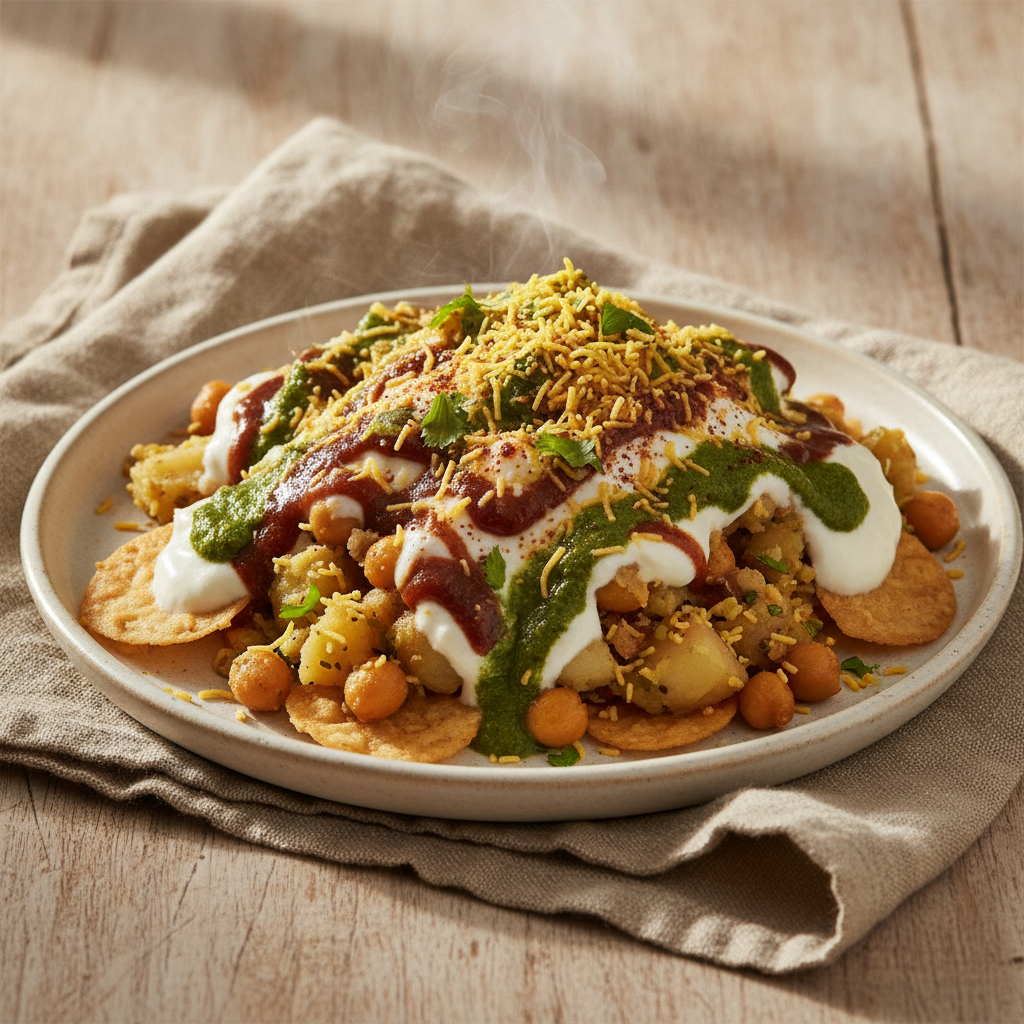
Kachori chaat is a study in contrast and balance — a shatteringly crisp, spiced-lentil-stuffed pastry shell cracked open and loaded with cooling yogurt, sweet-sour tamarind chutney, herbal green chutney, crunchy sev, and a burst of pomegranate. It originates from the Marwar region of Rajasthan, where the long shelf life of a deep-fried lentil pastry suited desert travel. Today it's North India's most satisfying street food, and it can be made entirely at home. The secret to the signature shatter-crisp shell — called khasta — is the moyen technique: rubbing fat thoroughly into flour before any water is added, coating gluten strands so they cannot develop. Fry slowly at low-medium heat for 17–20 minutes and the shell will stay crisp at room temperature for hours. Assemble to order at the last possible second.

70 min 4
Read
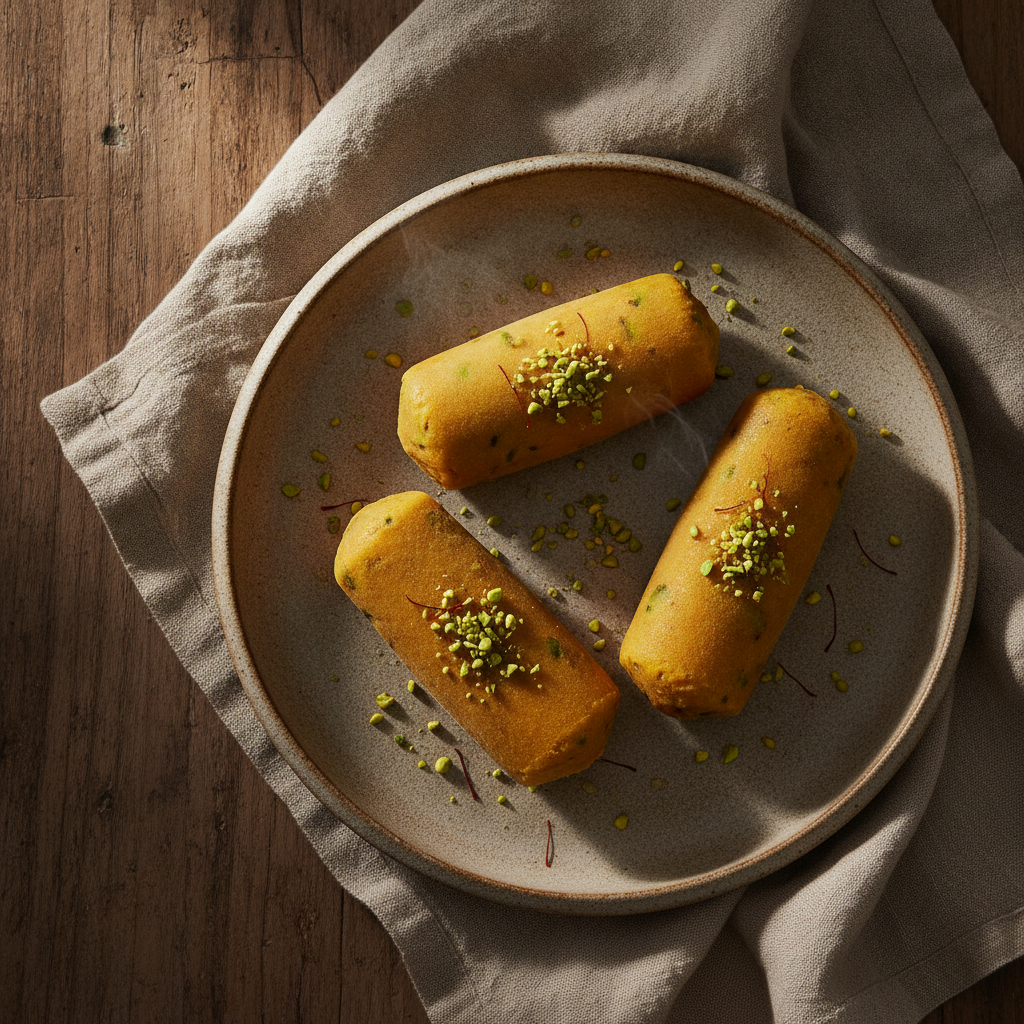
Rose and Pistachio Kulfi — The Real No-Churn Indian Ice Cream
indianeasy

Rose and Pistachio Kulfi — The Real No-Churn Indian Ice Cream

Kulfi has been frozen in Delhi since the sixteenth century, and it has never once needed a machine. In the Mughal court, where it was invented, sweetened milk was sealed into conical terracotta molds and buried in earthen pots packed with ice and salt. The word kulfi comes from the Persian qulfi — 'covered cup' — which tells you everything about the technique: the seal is not incidental, it is the method. The flavor combination here — rose, pistachio, cardamom, saffron — is not modern. It is the original Mughal flavor profile, unchanged in essence for five hundred years. Saffron for color and ancient richness; cardamom for warmth; pistachios for texture and a slight savory counterpoint; rose water for the perfume that hits you before your lips even touch it. The recipe below gives you two routes. The primary method is the authentic one: a long, slow reduction of whole milk that concentrates sugars and proteins until the liquid deepens to something almost toffee-like. It takes patience — 40 to 50 minutes of near-constant stirring — but requires no equipment beyond a heavy pan and a wooden spoon. The condensed milk shortcut (detailed in step 8) is genuinely good and cuts the cook time to under five minutes; the flavor is sweeter and less complex, but it works. **Plan ahead:** prep time does not include freezing. Kulfi needs a minimum of 6 hours to set fully, and overnight is better. Start the day before. One note on rose water: quality varies enormously. Use a food-grade, unflavored rose water and smell it before you buy — it should smell strongly and cleanly of rose petals. If it smells soapy or artificial, it will taste that way in the kulfi too.

60 min 6
Read
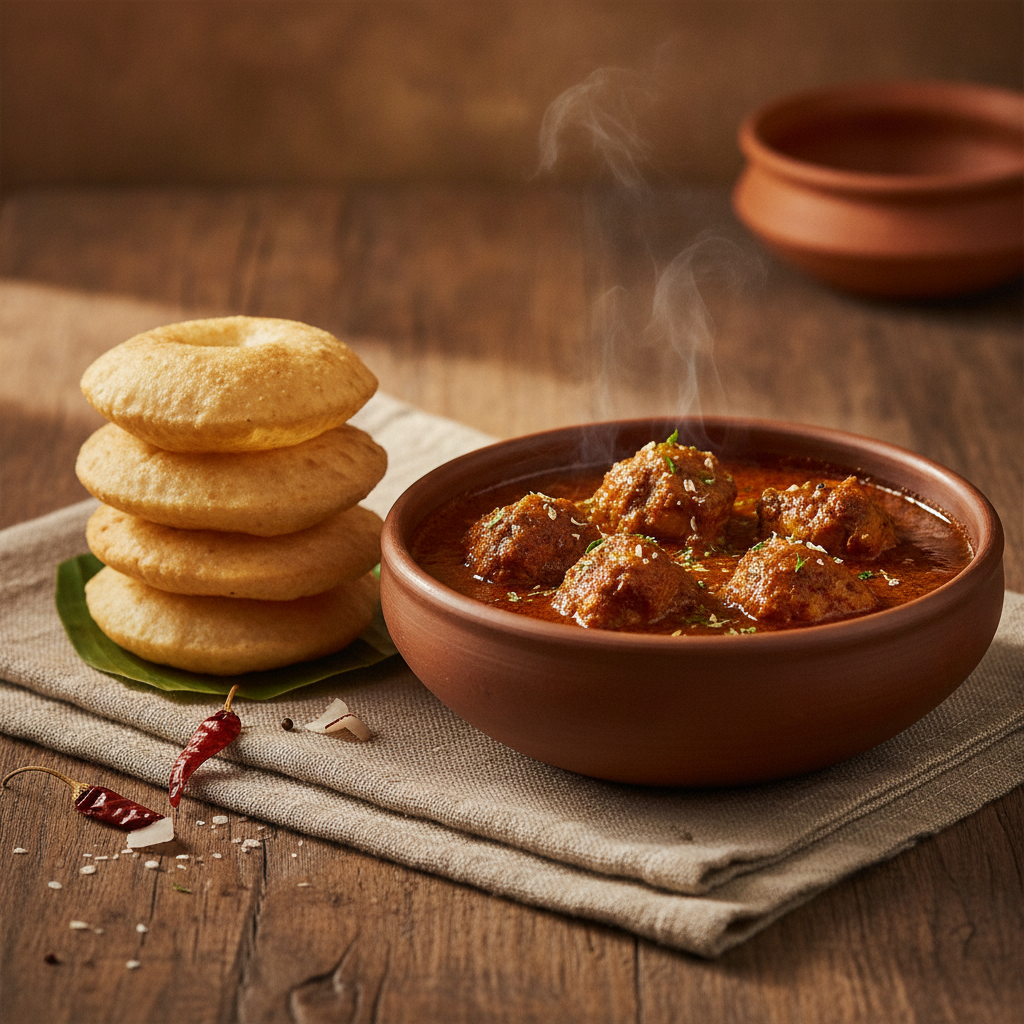
Stuffed Bhatura: Spiced Potato-Filled Puffed Bread
indianmedium

Stuffed Bhatura: Spiced Potato-Filled Puffed Bread

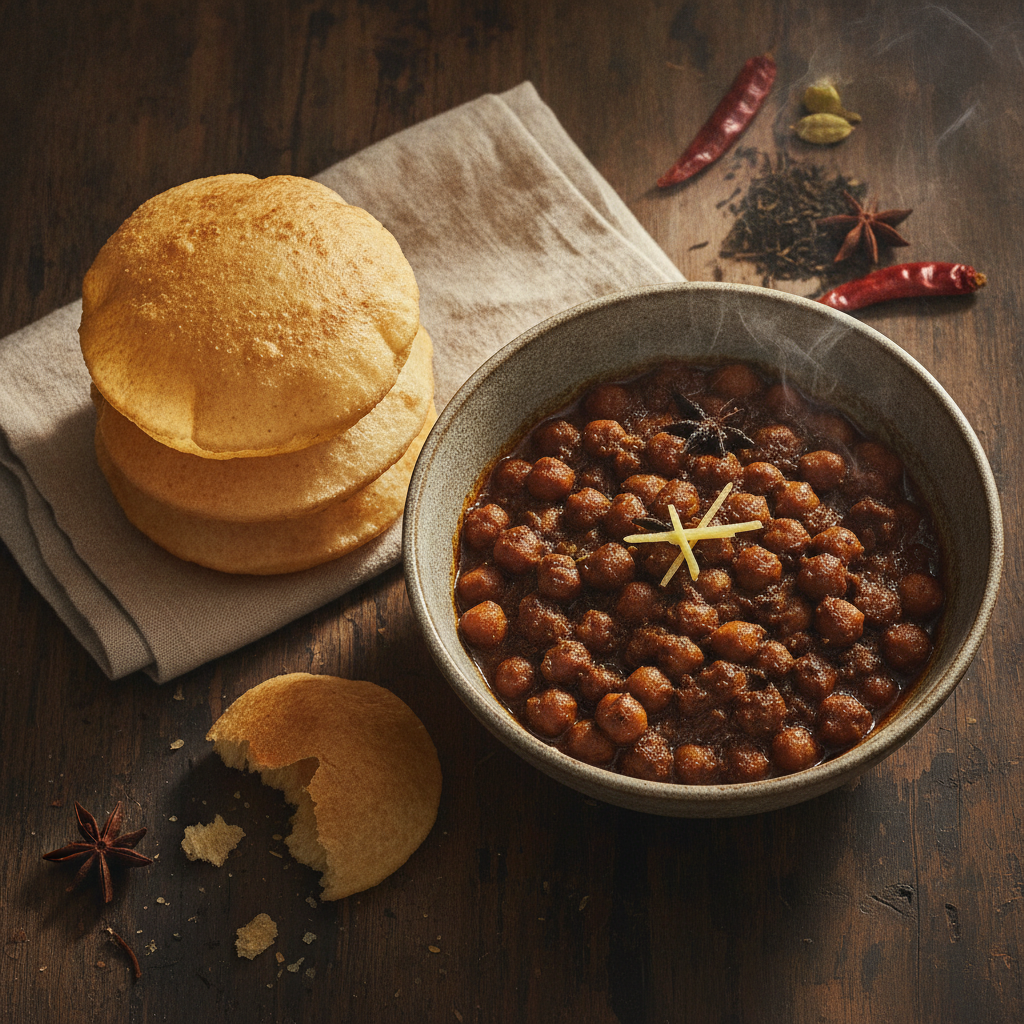
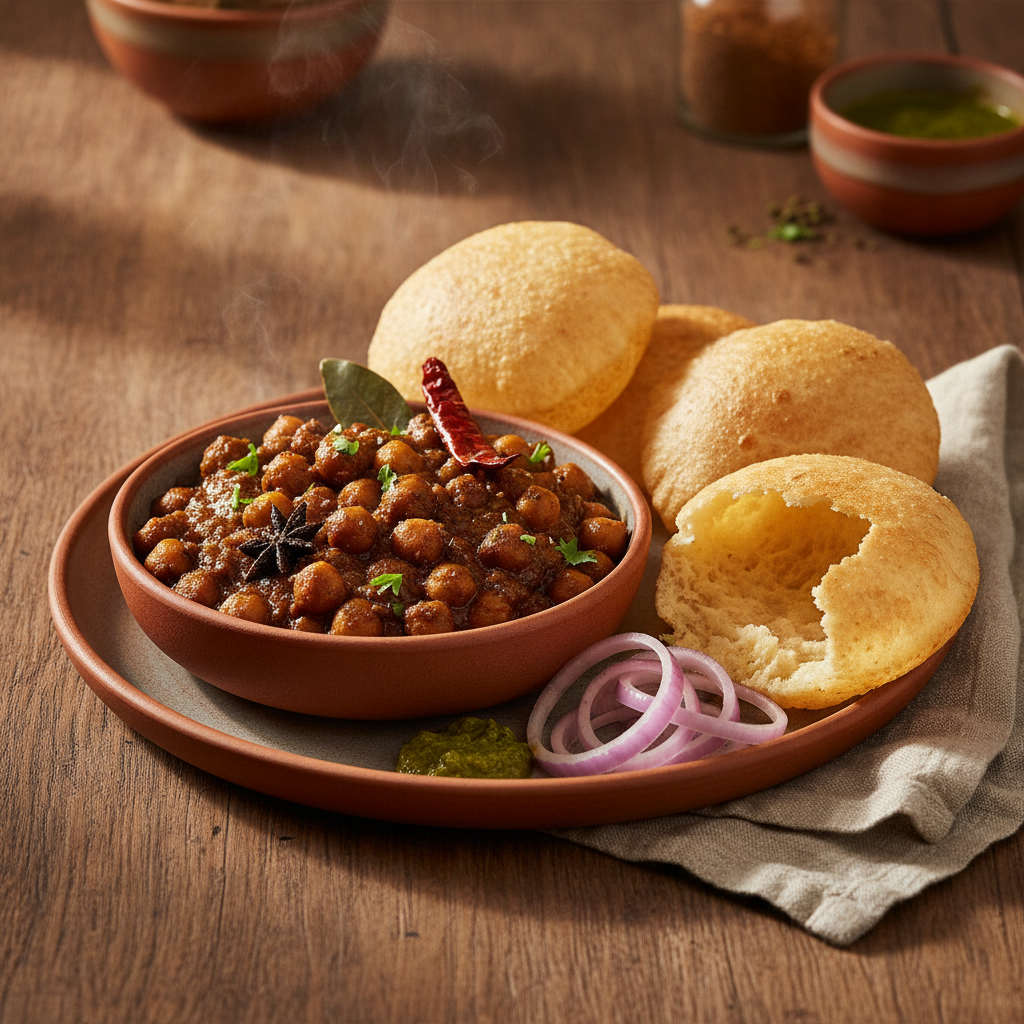
Bhatura is North India's most theatrical bread — a disc of soft, leavened dough that balloons into a golden puff the moment it hits hot oil. This stuffed version (bharwa bhatura) takes the drama one step further: inside each puff is a spiced, dry-mashed potato filling fragrant with cumin, green chili, and the essential tartness of amchur. It is the bread half of the iconic chole bhature combination, elevated to a complete bite on its own. Serve these fresh and hot — bhaturas do not wait, and neither should you.

50 min 4
Read
Dal Dhokli — Gujarati Lentil Soup with Spiced Wheat Dumplings
indianmedium

Dal Dhokli — Gujarati Lentil Soup with Spiced Wheat Dumplings

Dal Dhokli is the kind of dish that makes a Gujarati kitchen smell like home. Tender wheat dumplings — rolled thin, spiced with ajwain and turmeric, cut into rough diamonds — drop raw into a bubbling toor dal and cook right there, soaking up the tangy-sweet-spicy broth while releasing just enough starch to pull everything silkier. The dal itself is a study in the three-note Gujarati harmony: tamarind for sourness, jaggery for sweetness, chili for heat. Get those three in balance before the dhokli go in, and the rest follows naturally. A classic Gujarati tadka — mustard seeds popping in ghee, cumin, curry leaves, a whisper of asafoetida — provides the aromatic backbone. Finish with fresh coriander, a squeeze of lemon, and if you want to eat it the Ahmedabad way, a small handful of crispy sev on top. Leftovers thicken overnight; a splash of hot water and a minute on the stove brings them back.

65 min 4
Read
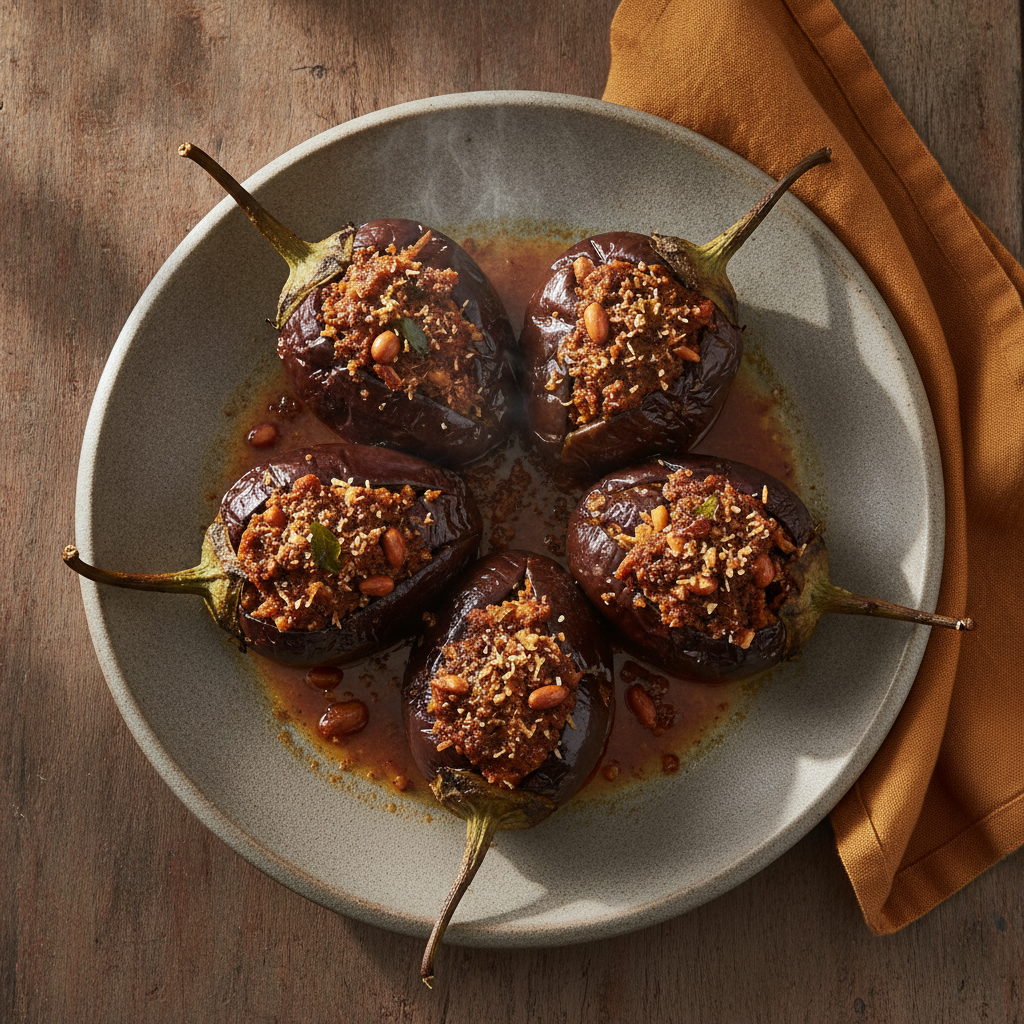
Undhiyu — Gujarati Winter Vegetable Casserole with Fenugreek Dumplings
indianhard

Undhiyu — Gujarati Winter Vegetable Casserole with Fenugreek Dumplings

Undhiyu is one of the great vegan dishes of the world, though Gujarat never needed that label to be proud of it. This is a strictly dairy-free, meat-free celebration of winter's best vegetables — flat valor papdi beans, baby eggplant, raw banana, purple yam — slow-cooked in a fragrant green coconut-herb masala until everything collapses into something greater than the sum of its parts. The dish takes its name from the Gujarati word undhu, meaning 'upside-down,' a reference to the traditional earthen pot that was sealed with dough, packed with layered vegetables and green masala, and buried beneath the ground with fire above it. Modern kitchens swap the buried pot for a heavy-bottomed pan on the lowest flame, but the principle remains: slow, enclosed steaming, not aggressive sautéing. Undhiyu belongs to the winter months — celebrated around Uttarayan, the Makar Sankranti kite festival in January, and through the cool harvest season when valor papdi appears for a few weeks in the markets of South Gujarat. Its seasonality is not incidental; it is the point. This is a dish built entirely from what is ripe in the field right now. This recipe follows Surti undhiyu from Surat, characterized by its vivid green masala, generous coconut, and mild, balanced spicing. The Kathiyawadi version from the Saurashtra region uses a redder, spicier masala — both are excellent, but Surti is the more widely known. A critical prep note: undhiyu is genuinely better the next day. The vegetables finish absorbing the masala overnight, the flavors deepen and unite, and the methi muthia become pillowy and fragrant. Make it ahead when you can.

110 min 6
Read
Kashmiri Dum Aloo — Whole Potatoes in Fennel-Scented Yogurt Gravy
indianmedium

Kashmiri Dum Aloo — Whole Potatoes in Fennel-Scented Yogurt Gravy

Kashmiri Dum Aloo is one of India's most misunderstood potato dishes — not because it is complicated, but because it breaks every assumption you have about Indian cooking. There is no onion. No garlic. No tomatoes. No fresh ginger. What you have instead is a crimson yogurt gravy built entirely on dried spices: Kashmiri red chili for color and mild warmth, fennel for a sweet anise depth, dried ginger powder for sharp concentrated heat. All of it cooked in mustard oil that smells alarming raw but mellows on heating into something earthy and round. The potatoes are small and whole, pre-fried until wrinkled and golden, then sealed in a pot with the gravy under a tight lid — that is what dum means, literally 'breath' or 'steam'. The steam forces the spiced yogurt into every fork hole you made before frying. The result is a dish that is deeply complex on the palate despite having maybe eight moving parts, and one where potatoes genuinely hold a place of honor. This is Kashmiri Pandit cooking — the cuisine of Kashmir's indigenous Hindu community — where asafoetida (hing) stands in for onion, dried ginger stands in for fresh, and the absence of alliums is both a religious tradition and a flavor feature. You are tasting the spices directly, without a caramelized onion base between you and them.

65 min 4
Read
Kashmiri Haaq: How Mustard Oil and a Bare Pot Transform Collard Greens
indianeasy

Kashmiri Haaq: How Mustard Oil and a Bare Pot Transform Collard Greens

Haaq is the everyday vegetable of the Kashmiri Pandit kitchen — collard greens cooked in mustard oil that has been brought just past its smoke point, which strips away the oil's sharp rawness and leaves behind a warm, pungent depth. The whole dish takes 15 minutes, requires almost no skill, and delivers more flavour per ingredient than most recipes three times as long.

4
Read
Amritsari Kulcha — Stuffed Flatbread with Proper Chole
indianmedium

Amritsari Kulcha — Stuffed Flatbread with Proper Chole

Every morning around the Golden Temple, Amritsar wakes up to the sound of kulcha being slapped onto the tawa and the smell of ghee hitting cast iron. Kulcha-chole is not just breakfast here — it's a civic institution. The Amritsari version is distinct from the generic restaurant kulcha you might know: it's more aggressively spiced (ajwain and kasuri methi appear twice — in the dough and in the filling), the potato-paneer stuffing is dense and dry to prevent tearing, and the butter applied while the kulcha is still piping hot is not a garnish but an ingredient. This is not health food. Eat it knowing that. The tawa method described here is what home cooks have used for generations as a substitute for the wood-fired tandoor. With a very hot cast-iron pan and a quick blast of direct flame (or a blowtorch), you will get 90% of the way there — the slight char on the edges, the puffed center, the crisp-yet-yielding crust.

55 min 4
Read
Ker Sangri: Rajasthan's Desert Berries and Beans
indianmedium

Ker Sangri: Rajasthan's Desert Berries and Beans

Ker Sangri is Rajasthan's most revered sabzi — a dry, intensely spiced dish built from two wild desert ingredients you will not find in any regular supermarket: sour ker berries from the caper bush (Capparis decidua) and earthy sangri pods from the khejri tree (Prosopis cineraria), the sacred state tree of Rajasthan. Both grow wild in the arid Thar Desert, have been harvested and sun-dried there for millennia, and form the backbone of Marwadi cooking — a cuisine that built extraordinary flavour out of preserved ingredients in one of India's most unforgiving landscapes. The dish appears at virtually every traditional Rajasthani wedding, thali, and festival meal. It is not a curry. It is a dry, coated sabzi where a thick yogurt-masala clings to every rehydrated berry and bean pod, seasoned with a tadka of cumin, fennel, and dried Mathania chilies. Before you begin: the ker berries and sangri pods must be soaked overnight. This is not optional. They are sold bone-dry and remain tough and bitter regardless of cooking time unless they have had a full 8-hour soak. Plan accordingly. Everything after the soak is straightforward.

55 min 4
Read
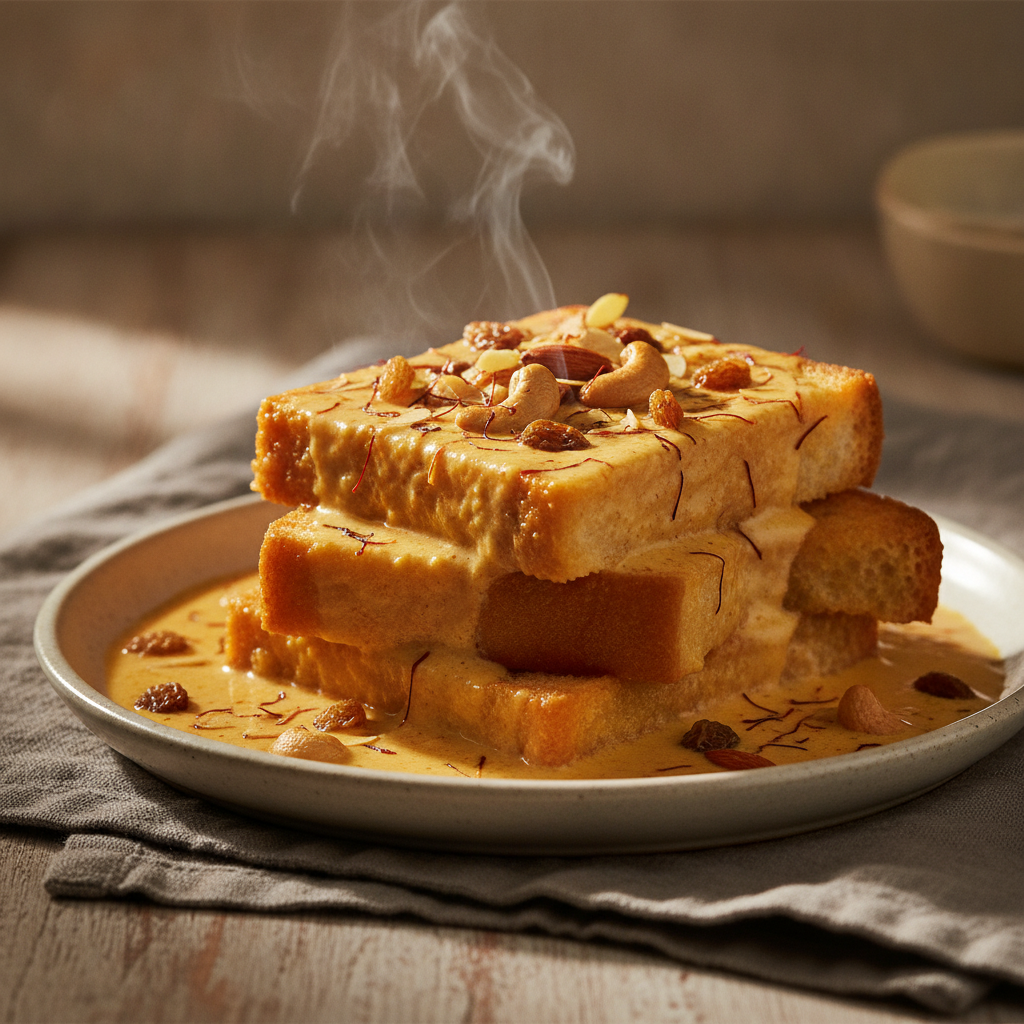
Shahi Tukda — Royal Mughlai Bread Pudding with Saffron Rabri
indianmedium

Shahi Tukda — Royal Mughlai Bread Pudding with Saffron Rabri

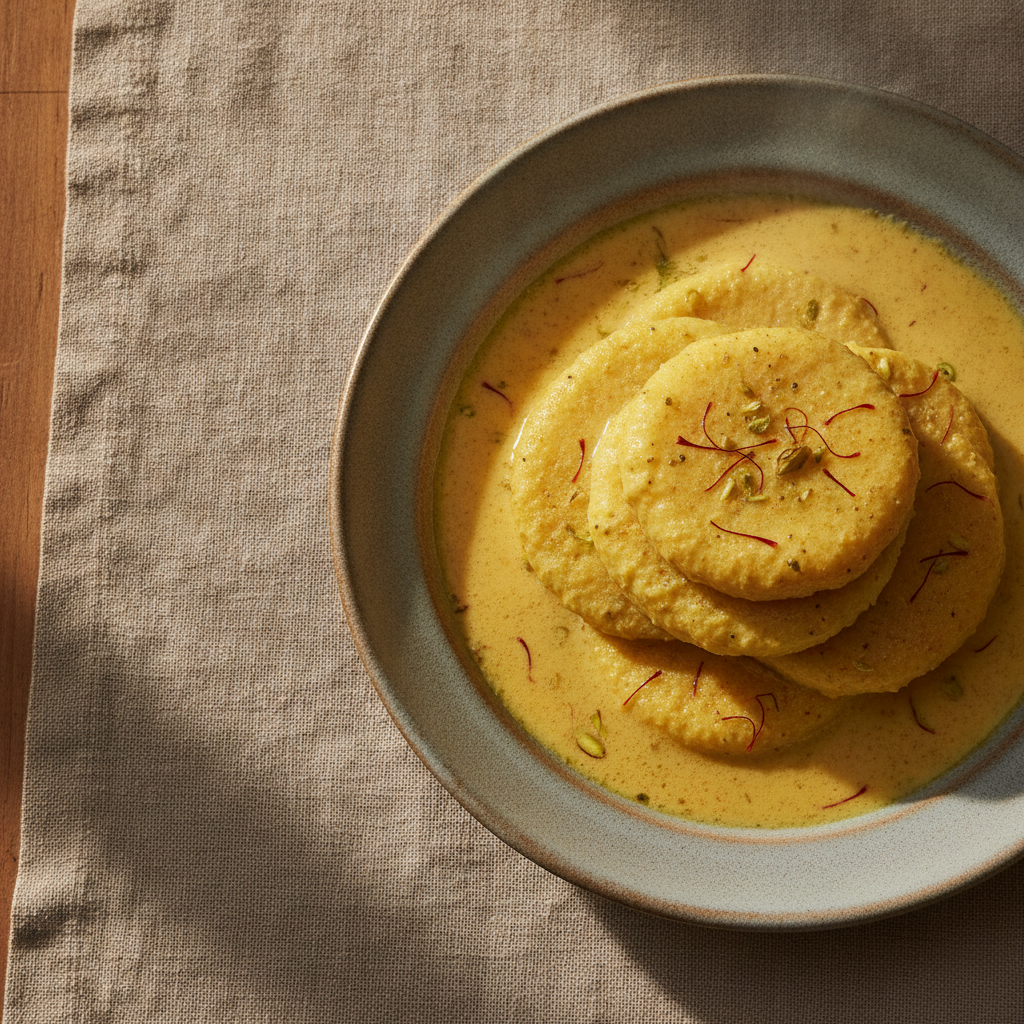
Shahi Tukda — 'royal piece' in Urdu — is the jewel of Mughlai dessert cooking: ghee-fried bread soaked in saffron syrup, blanketed with slow-reduced spiced milk (rabri), and finished with pistachios, almonds, and an optional shimmer of silver leaf. It tastes simultaneously light and completely indulgent. The dish is Eid and Diwali table-worthy, yet the components are humble pantry staples transformed by patience and heat. The three-component structure — fried bread, saffron syrup, rabri — is also a blueprint for pacing. The rabri takes 60–75 minutes of gentle simmering and is best made a day ahead. On the day, the syrup and frying take about 20 minutes. Chill everything before assembly. Serve cold. That's the whole recipe. The single most important technical note: assemble cold. Warm rabri poured over warm bread collapses both textures. Refrigerate the assembled dish for at least an hour before serving. The contrast of the yielding syrup-soaked bread and the cold, luscious rabri is exactly the point.

90 min 4
Read
Lucknowi Dum Biryani — The Aromatic, Gentle Biryani of the Nawabs
indianhard

Lucknowi Dum Biryani — The Aromatic, Gentle Biryani of the Nawabs

If you have only eaten Hyderabadi biryani, Lucknowi biryani will feel like a different language. The Hyderabadi version is bold, crimson, and built on layering raw marinated meat that cooks under the rice. The Awadhi version — the one from Lucknow — begins with fully braised meat, perfumes everything with kewra and rose water instead of heavy chili, and seals the pot with dough so that not a molecule of scented steam escapes. The result is rice that is simultaneously fluffy and saturated with the braise depth. It is a technique called dum pukht, Persian for breathe and cook, and it was refined in the kitchens of the Nawabs of Oudh in the 18th century. This is the real thing. It takes time. It is worth every minute.\n\nThe key distinction is the pakki method: the lamb is fully braised before it ever meets the rice. This is not a shortcut — it is the defining feature of Awadhi cooking, and it means the meat arrives at the biryani pot already perfumed with whole spices and collapsed from the bone. The rice then cooks above it in the sealed environment, absorbing the rising steam of the braise without ever sitting in the sauce. Both elements finish perfectly, separately, and together.

150 min 6
Read
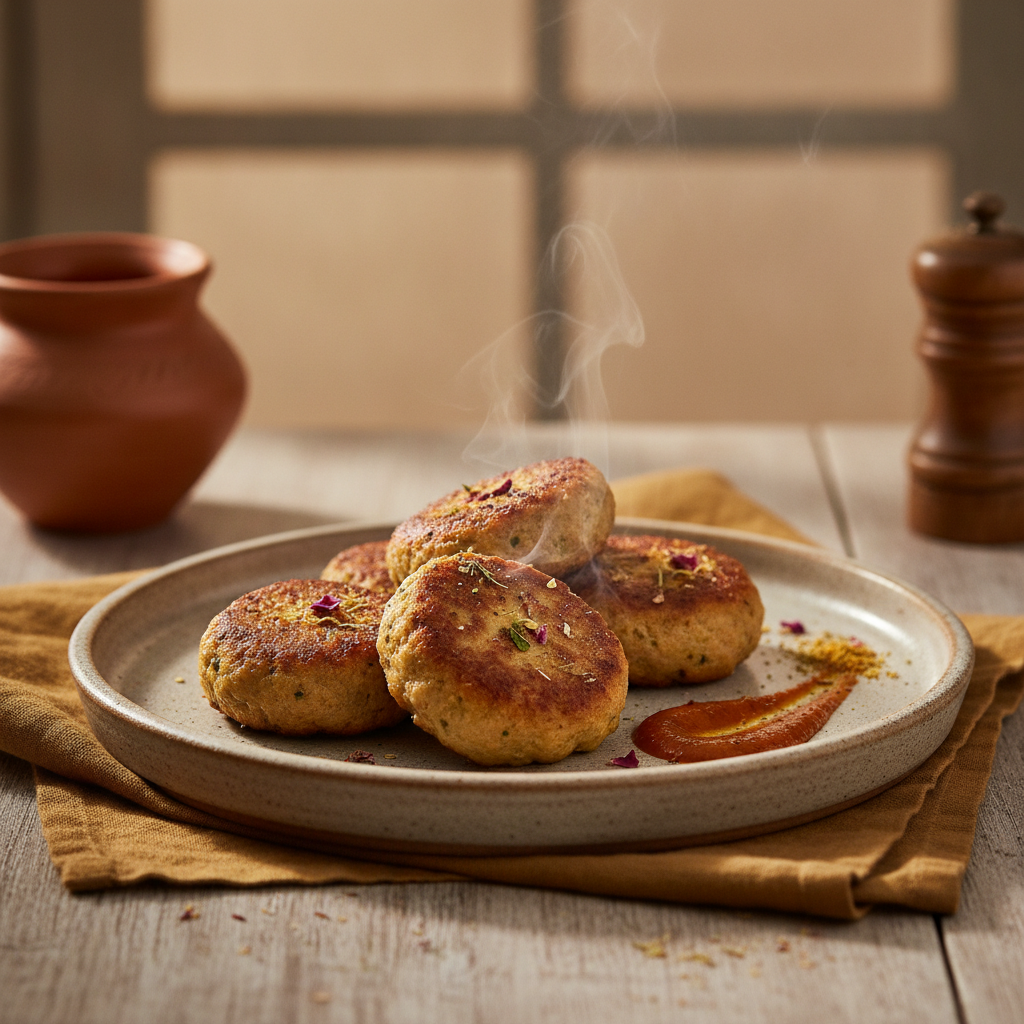
Galouti Kebab: Lucknow's Melt-in-Mouth Minced Lamb on a Griddle
indianhard

Galouti Kebab: Lucknow's Melt-in-Mouth Minced Lamb on a Griddle

Galouti kebab is the crown jewel of Awadhi cuisine, born in 18th-century Lucknow under the Nawabs who elevated Persian courtly cooking into something distinctly North Indian. The name comes from galawat — softness — because legend says it was created for Nawab Asaf-ud-Daula after he lost his teeth but refused to give up kebabs. The royal kitchen ground meat to a paste, tenderized it with raw papaya, and seasoned it with dozens of spices until a kebab emerged that required no chewing at all. Tunday Kebabi, founded in Lucknow in 1905, made it world-famous with a buffalo-meat version and a closely guarded 160-spice formula. This is a weekend project and dinner-party showpiece. The kebabs should fall apart at the lightest press of a fork. That fragility is the point.

60 min 4
Read
Bengali Macher Jhol: Everyday Fish Curry in a Thin Turmeric Broth
indianeasy

Bengali Macher Jhol: Everyday Fish Curry in a Thin Turmeric Broth

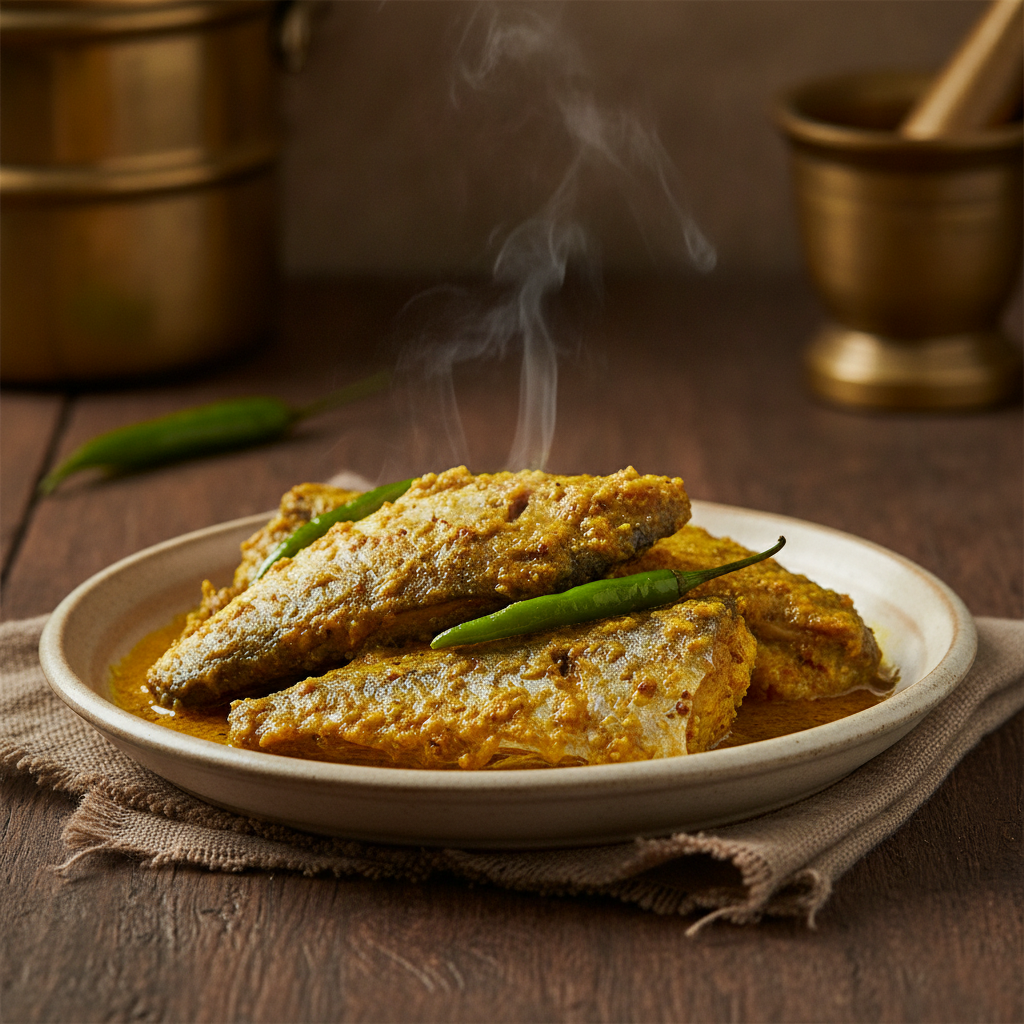
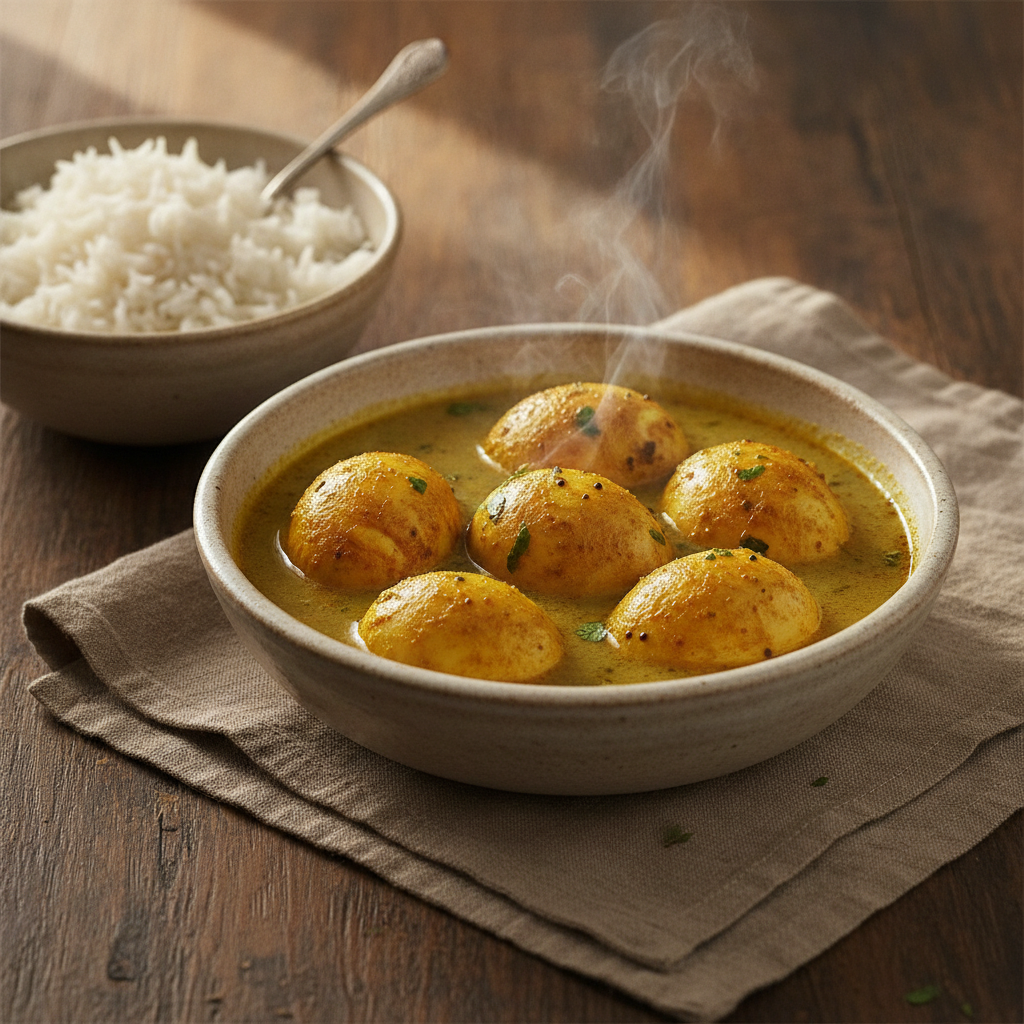
Macher Jhol — literally "fish water" — is what Bengalis eat for lunch on an ordinary Tuesday. Not a restaurant curry, not a party dish. Just fish, a deliberately thin turmeric broth, and plain rice. Rohu is the everyday fish of choice: affordable, firm enough to fry without falling apart, and perfectly suited to absorbing the panch phoron-infused mustard oil that defines Bengali cooking. Hilsa (Ilish) is the prestige fish of Bengal — seasonal, bony, magnificent — but Rohu is the correct everyday choice, the one your grandmother made. The thin, freely pooling gravy is the point. Do not thicken it.

40 min 4
Read
Bengali Chingri Malai Curry (Prawns in Coconut Milk)
indianmedium

Bengali Chingri Malai Curry (Prawns in Coconut Milk)

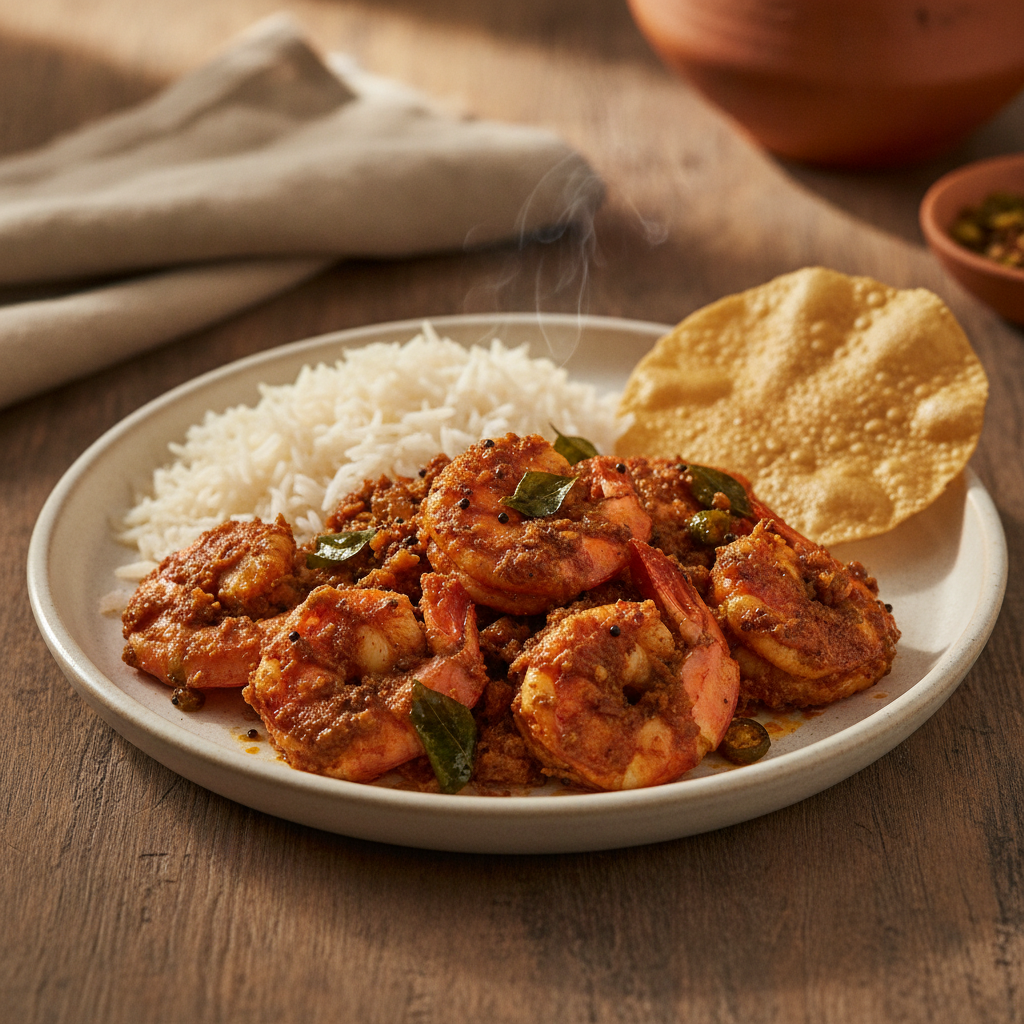
Chingri Malaikari is one of Bengal's most celebrated dishes — silky large prawns cooked in a fragrant coconut-milk sauce built on a base of mustard oil and whole warm spices. This is the dish that appears at Bengali weddings, pujas, and important family meals: rich without being heavy, perfumed without being loud, and distinctive in a way that no other regional Indian prawn curry quite matches.\n\nThe name gives it away: 'malai' means creamy, and here the richness comes entirely from full-fat coconut milk, not dairy. Bengal's geography — the Sundarbans delta, the Bay of Bengal coastline — made prawns the prestige protein of the region for centuries. The technique that makes this dish sing is called koshano: patient, methodical spice development that builds depth before a single prawn hits the pan. Rush it and you get a one-dimensional curry. Take your time and you get Bengal on a plate.

50 min 4
Read
Patishapta: Bengali Crepes with Coconut and Date Palm Jaggery
indianmedium

Patishapta: Bengali Crepes with Coconut and Date Palm Jaggery

The name says it all: pati means flat or mat, shapta means rolled or wrapped — patishapta is a thin, delicate rice-flour crepe rolled around a fragrant filling of fresh coconut and nolen gur, the date palm jaggery that flows from bamboo collection pots during Bengal’s cold winter months. This is the most beloved pithe (rice cake) of Poush Parbon, Bengal’s harvest festival celebrated around Makar Sankranti on January 14th. Families gather around the tawa on these cool mornings, making batch after batch together, the kitchen filling with the unmistakable smoky-caramel scent of nolen gur warming in the pan. What makes patishapta different from other crepes is precisely that seasonality. Nolen gur is available only in winter — it is pressed from the sap of date palm trees tapped in the cold months, and its smoky, molasses-deep complexity disappears entirely in the warm season. You can make patishapta year-round with sugarcane jaggery or sugar, but the Poush Parbon version, made with fresh nolen gur and new-season coconut, carries a flavor that cannot be replicated. The batter combines rice flour, semolina, and a little all-purpose flour — a ratio perfected over generations to produce a crepe that is light enough to roll without cracking and sturdy enough to hold its shape. The filling is cooked fresh: grated coconut sautéed until it loses its raw moisture, then stirred over low heat with jaggery until fragrant and fudgy. The result is one of those rare sweets where every element feels exactly right together.

60 min 4
Read
Bengali Luchi with Alur Torkari — Puffed Bread and Potato Curry, Sunday Morning Classic
indianmedium

Bengali Luchi with Alur Torkari — Puffed Bread and Potato Curry, Sunday Morning Classic

There is a particular quality to a Sunday morning when someone in the kitchen has decided to make luchi. The scent of deep-frying oil and panch phoron drifts through the house, and everything moves a little slower. Luchi and alur torkari is the Bengali Sunday morning — the one that means the whole family is home and nobody is rushing anywhere. Luchi are small, impossibly white puffed breads made from refined flour (maida), fried until they balloon up into airy, golden-rimmed rounds. The alur torkari alongside is deliberately simple: waxy potatoes tempered with panch phoron in mustard oil, with barely any spice — a niramish (no onion, no garlic) preparation that is as much at home on a festive puja spread as it is on a lazy Sunday plate. In Bengali households, this combination appears at pujas, at wedding morning meals, at Durga Puja gatherings — whenever the occasion calls for something that feels like celebration without trying too hard. The niramish version here (no onion, no garlic) is the traditional form, suitable for religious occasions and for households that observe those distinctions on particular days. Together, they are comfort, identity, and ritual all at once.

55 min 4
Read
Dal Baati Churma — Hard Wheat Rolls, Five-Lentil Dal, Sweet Churma
indianhard

Dal Baati Churma — Hard Wheat Rolls, Five-Lentil Dal, Sweet Churma

Some dishes carry an entire landscape inside them. Dal Baati Churma — the crowning meal of Rajasthani cuisine — carries the Thar Desert: its severity, its resourcefulness, and its particular genius for transforming scarcity into celebration. The baati is not a soft roll. It is a hard, dense wheat bun, historically baked in the embers of desert campfires by soldiers, traders, and pilgrims crossing Rajasthan's unforgiving terrain. It was designed to survive: packed with enough ghee to be calorie-dense in a climate that could kill you, hard enough to travel without crumbling, and sturdy enough to wait until you had fire and dal to eat it with. When you crack one open fresh from the oven and pour a river of ghee into it — which is precisely what you must do — you understand immediately why this food sustained an entire civilisation in the desert. The panchmel dal, or five-lentil dal, is the liquid intelligence of the meal: earthy, spiced, and finished with a crackling hot tadka poured over just before serving. Five different lentils because each one cooks to a different texture — the chana dal stays whole, the toor dal dissolves to velvet, the masoor turns orange and sweet — and the combination is never the uniform sludge you get from a single lentil. Then the churma: crushed baati, warm ghee, powdered jaggery. What sounds like leftovers is actually dessert, made from the same dough, completing a meal that is simultaneously one thing and three. I first encountered a proper dal baati churma not in a restaurant but at a wedding in Jodhpur — the kind where the food arrives on broad banana-leaf plates, the dal is ladled from an enormous brass vessel, and the baati are genuinely hot from a tandoor. The ghee was measured not in teaspoons but by the ladle. I have been trying to reproduce that meal ever since. This recipe asks you to manage three separate components simultaneously. None of them is technically complex on its own — the baati dough is mixed, not laminated; the dal requires patience, not precision; the churma assembles in minutes. The difficulty is orchestration: timing the baati to come out of the oven just as the dal tadka is crackling, having the churma ready and warm to serve alongside. Plan for roughly 90 minutes of active cooking, and read through the entire recipe before you begin. Then do not reduce the ghee.

135 min 4
Read
Ukadiche Modak — Lord Ganesha’s Steamed Coconut Dumplings
indianmedium

Ukadiche Modak — Lord Ganesha’s Steamed Coconut Dumplings

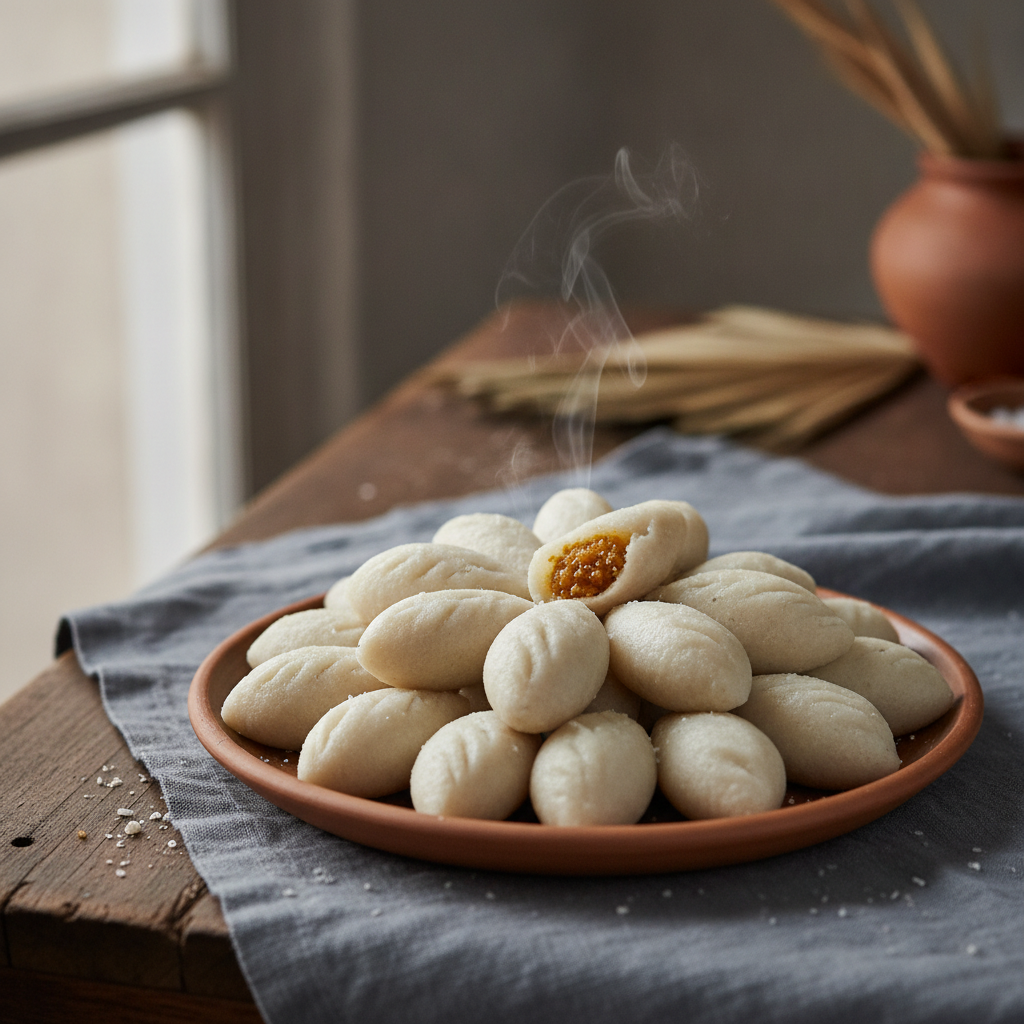
There are dishes you cook for hunger, and dishes you cook for something larger. Ukadiche modak — steamed rice dumplings filled with fresh coconut and jaggery — belongs firmly in the second category. In Maharashtra, these are made not as a casual sweet but as naivedya, a devotional offering to Lord Ganesha during the ten-day Ganesh Chaturthi festival. Tradition holds that Ganesha has a particular fondness for modak — some texts say twenty-one are offered at a time — and that no cook should taste the filling before it has been presented to the deity. I grew up making these with my mother in Pune, where Ganesh Chaturthi is celebrated with an intensity that still stops me when I’m away from home. The mandaps go up across every neighbourhood, drums are heard from early morning, and the smell of fresh coconut being grated fills every kitchen for days. My mother had very specific rules: the coconut must be fresh — she would reject a desiccated packet without a second glance — the jaggery must be good dark gur, not the light variety, and the dough must never be allowed to cool before you finish shaping. The shaping is where most people get nervous. The five-pleat ‘topknot’ looks intricate in photographs, but once you’ve made the first three or four, your hands remember. The key is working fast and keeping everything warm — cold dough cracks, and a cracked skin is the one failure mode that discourages beginners from trying again. Don’t be put off: modaks are one of those dishes where your tenth attempt is dramatically better than your first, and that progression is part of their appeal. Steam them for exactly ten to twelve minutes. No more. They should emerge glossy, slightly translucent, and perfect — little white dumplings that smell of cardamom and coconut. Serve them with a small curl of ghee on top if you are eating rather than offering. They are best eaten warm, straight from the steamer.

55 min 4
Read
Andhra Kodi Vepudu — Guntur-Spiced Dry-Fried Chicken
indianmedium

Andhra Kodi Vepudu — Guntur-Spiced Dry-Fried Chicken

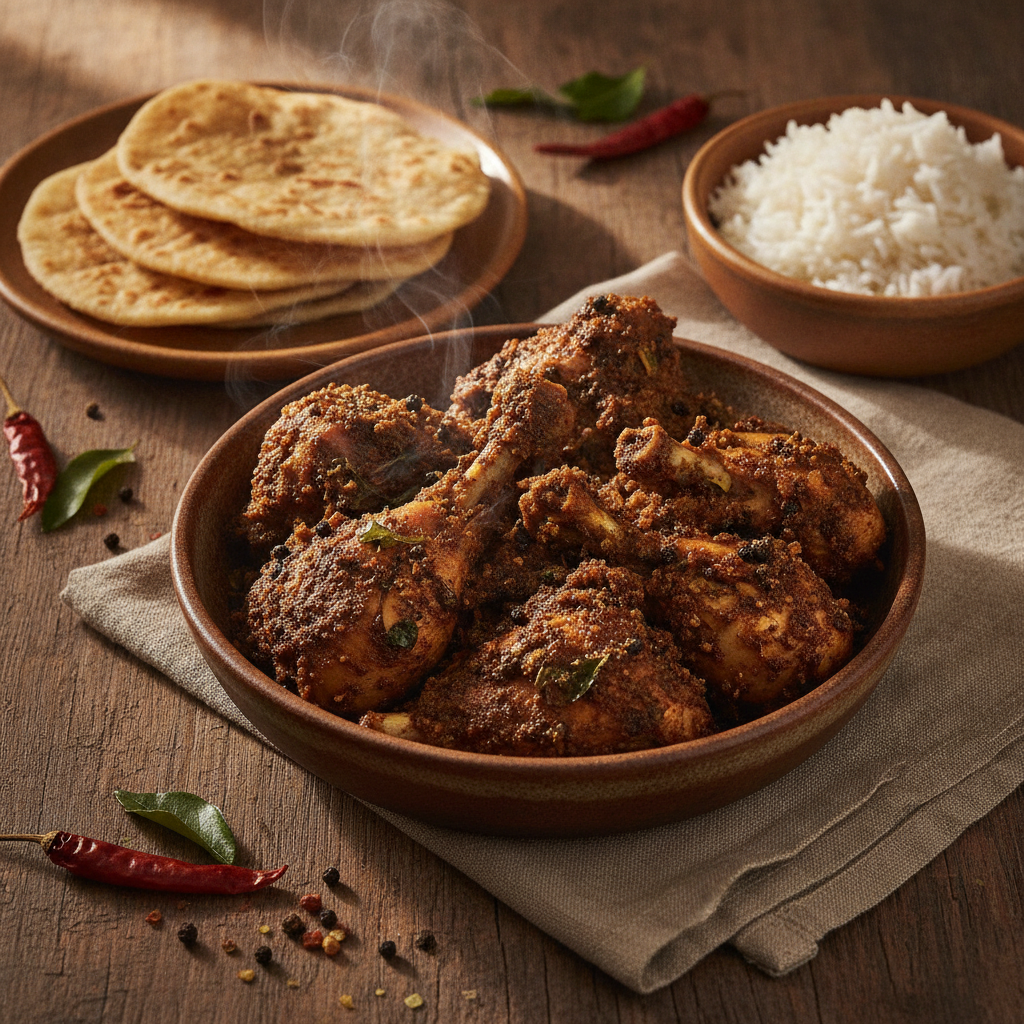
Kodi Vepudu — 'kodi' meaning chicken and 'vepudu' meaning fry in Telugu — is one of Andhra Pradesh's most beloved preparations, and it is fundamentally different from almost every other Indian chicken dish: there is no sauce, no gravy, no liquid of any kind when it reaches the table. What you get instead is chicken with a concentrated, almost sticky masala crust clinging directly to each bone-in piece, the result of cooking off every drop of moisture until the spice blend caramelizes onto the meat. The dish originates from the Guntur district of Andhra Pradesh, the chili-growing heartland of India, and it reflects that heritage honestly — it is genuinely fiery by most standards. The fierce heat is balanced by substantial caramelized onions cooked into the masala, and the final tempering of mustard seeds and fresh curry leaves poured over the finished chicken adds a fragrant top note that defines Vepudu as a category. This is South Indian home cooking at its most direct and least compromising.

75 min 4
Read
Aamrakhand — Mango Shrikhand the Maharashtrian Way
indianeasy

Aamrakhand — Mango Shrikhand the Maharashtrian Way

Aamrakhand is the summer crown of the Indian dessert calendar: thick, saffron-gilded hung yogurt folded with fresh Alphonso mango pulp and perfumed with cardamom. The technique is achingly simple — hang full-fat yogurt overnight until it becomes chakka, a firm, cream-cheese-like concentrate — but the patience of that overnight drain is what makes this dessert extraordinary. Straining removes nearly half the yogurt’s weight as liquid whey, condensing the milk solids into a dense, velvety base that holds a quenelle without collapsing. The mango pulp, intensely sweet and tropically bright, cuts through the yogurt’s mild tang. A few saffron strands bloomed in warm milk paint the whole bowl golden and add their floral-honeyed warmth. Shrikhand originated as portable food for traveling herders in Gujarat and Maharashtra who strained surplus yogurt to reduce weight and extend shelf life. Today it is a beloved festive dessert in both states, served as part of the traditional Maharashtrian thali alongside puran poli (sweet flatbread). Aamrakhand — the mango version, aam meaning mango — is a summer celebration food timed to the Alphonso mango season (April to June), appearing at temple festivals and family gatherings across the Konkan coast. The entire recipe is no-cook and make-ahead. Plan for the 8-hour hanging time; everything else takes 20 minutes.

20 min 4
Read
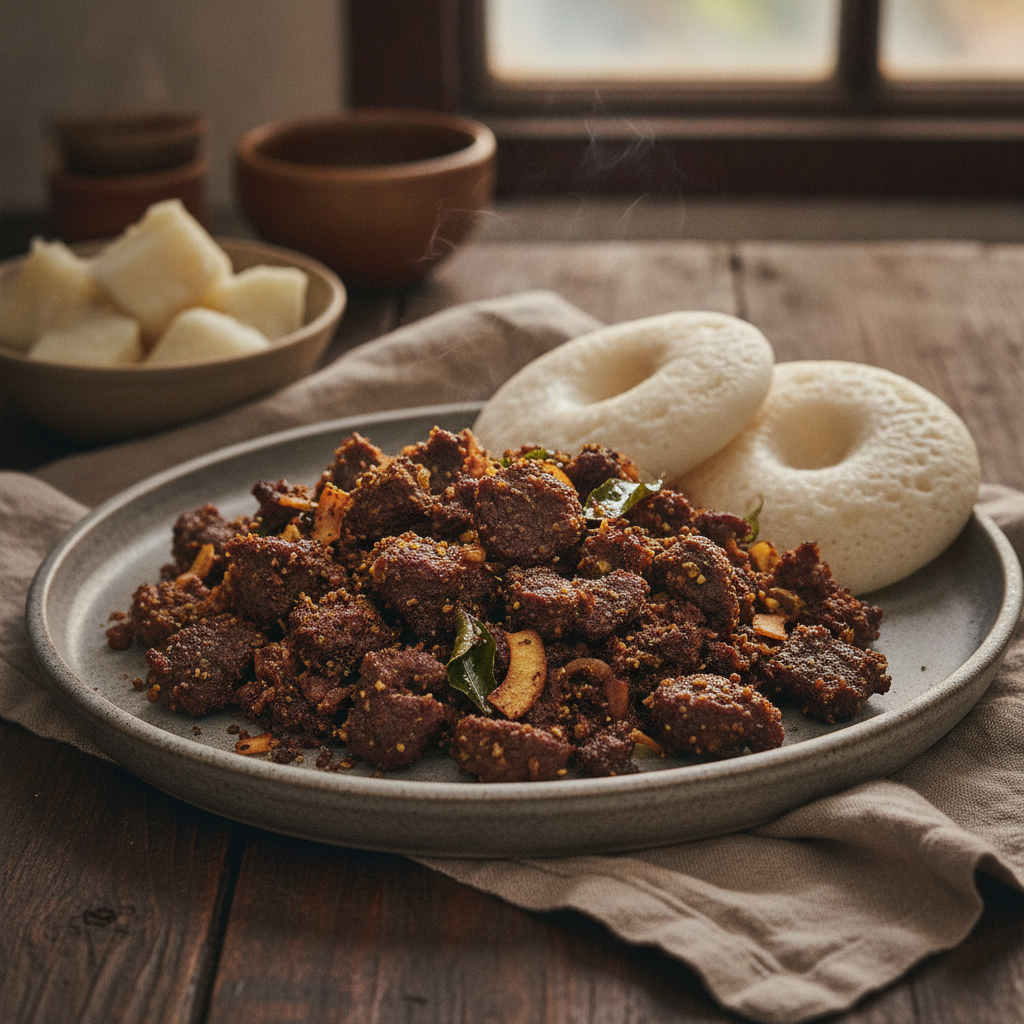
Chettinad Mutton Sukka — Deeply Spiced Tamil Dry Curry
indianhard

Chettinad Mutton Sukka — Deeply Spiced Tamil Dry Curry

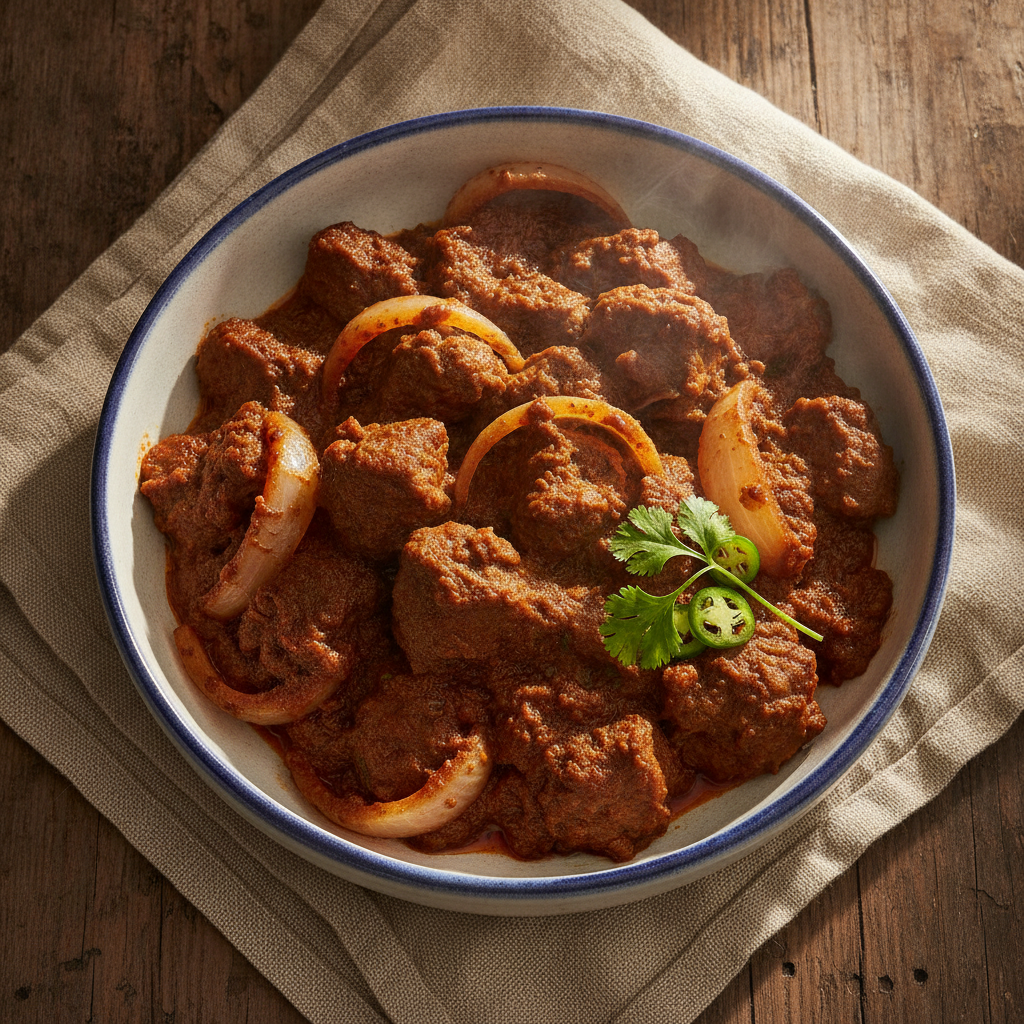
Chettinad Mutton Sukka is one of the boldest, most aromatic dishes in the Indian repertoire — a dry fry of bone-in mutton coated so thoroughly in freshly ground spice that every piece is dark, fragrant, and deeply encrusted. It comes from the Chettiar merchant community of Tamil Nadu's Sivaganga district, a trading people whose journeys through Southeast Asia brought back spices that exist nowhere else in Indian cooking: kalpasi (stone flower), marathi mokku (dried long pepper berries), and a combination of star anise and fennel that runs through Chettinad cuisine like a signature. The technique is committed and two-stage. First, pressure-cook the mutton with whole aromatics until the meat is falling-from-the-bone tender. Then transfer to a wide pan and dry-fry with a freshly ground masala, stirring and scraping over medium-high heat until every drop of moisture evaporates and the spice clings directly to the meat. The sukka in the name means dry — this is not a curry with sauce. If any liquid remains when you serve it, keep cooking. Kalpasi and marathi mokku are non-negotiable. Without them this becomes a generic Tamil dry curry — pleasant enough, but not Chettinad. Find them at Indian specialty grocery stores or online spice shops. The investment is worth it; once you have them, they open up the entire Chettinad canon. Gingelly oil (Indian cold-pressed sesame oil) is equally important: do not substitute Chinese toasted sesame oil, which will make the dish taste wrong. Coconut oil is a reasonable backup. Serve with plain steamed rice, appam, or flaky parotta. Raw onion rings and fresh lime on the side are traditional and necessary — they cut the heat and provide relief between bites.

105 min 4
Read
MLA Pesarattu with Upma: Andhra's Crispy Green Moong Crepes Stuffed with Rava
indianmedium

MLA Pesarattu with Upma: Andhra's Crispy Green Moong Crepes Stuffed with Rava

Pesarattu is Andhra Pradesh's high-protein breakfast crepe — made from whole green moong dal soaked for a few hours, ground into a batter, and cooked straight on a hot tawa. No fermentation. No waiting overnight for the batter to ripen. Soak the dal, grind, and cook. The MLA Pesarattu takes the crepe one step further: it is named after the canteen near Hyderabad's MLA Quarters (serving the Members of the Legislative Assembly) that began stuffing crisp moong crepes with a scoop of dry rava upma — creating a complete meal in a single fold. Today it is a street food institution across Andhra and Telangana, sold at roadside dhabas and replicated at five-star hotel breakfast buffets alike. The technique has three focal points: a coarse (not silky-smooth) batter for texture, a very hot griddle for the characteristic lacy golden edges, and upma that is dry enough to hold its shape inside the crepe. The final element is allam pachadi, Andhra's fiery ginger chutney, whose sharpness and tang cut through the earthiness of the moong perfectly. Serve immediately — pesarattu turns leathery within minutes of leaving the griddle.

50 min 4
Read
Kolhapuri Tambda Rassa — Fiery Red Mutton Curry
indianmedium

Kolhapuri Tambda Rassa — Fiery Red Mutton Curry

Tambda Rassa does not apologize for its heat. It does not meet you halfway. Tambda means red in Marathi — a colour that here signals fire, not caution — and Rassa means curry or broth, though what arrives in the bowl is denser and more purposeful than those words suggest. Kolhapur is a royal city in southern Maharashtra with a culinary identity built entirely around bold meat cookery, and this curry is its most famous declaration. Unlike the yogurt-based gravies of the north or the coconut-cream curries along the coast, Tambda Rassa is built on a dry-roasted masala and finished with water or stock, giving it a taut, almost austere body that lets the mutton and spices dominate without softening. By tradition, Tambda Rassa is served alongside its companion, Pandhra Rassa — a pale, delicately spiced white curry of equal depth and finesse. Together, they form the beating heart of the Kolhapuri thali: fire and its antidote. If you've never made Pandhra Rassa, consider making both and serving them side by side; the interplay between the two is the full experience the dish was designed for. A word on heat: Kolhapuri chillies grown locally are significantly hotter than the Kashmiri or Degi Mirch substitutes available abroad. The recipe below uses Kashmiri chilli powder, which delivers the vivid red colour with moderate heat. If you have access to genuine Kolhapuri chillies, use them — but start cautiously and taste as you go. The heat is not an accident or an excess here; it is the entire point. That said, starting at 1.5 tablespoons and adjusting upward is entirely reasonable for first-timers.

90 min 5
Read
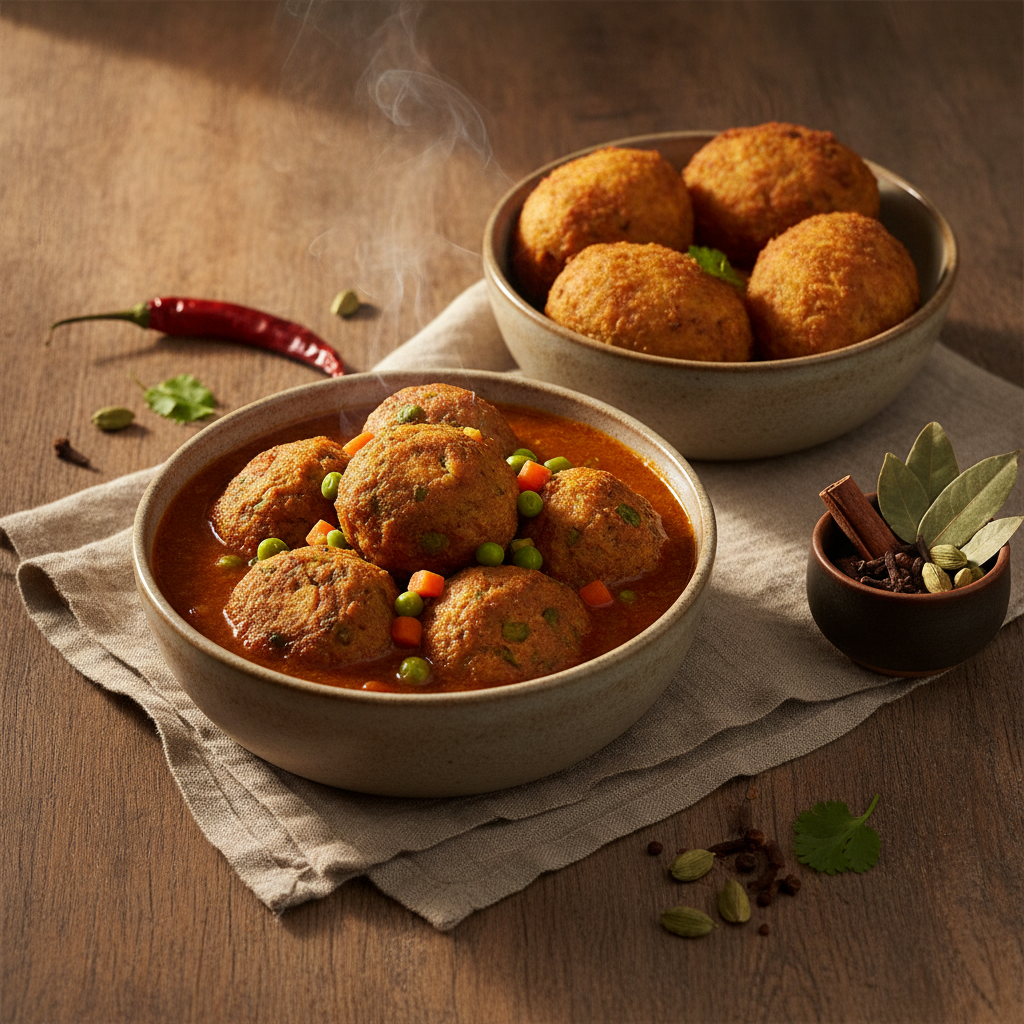
Batata Vada: Maharashtra's Golden Deep-Fried Potato Fritter
indianeasy

Batata Vada: Maharashtra's Golden Deep-Fried Potato Fritter

Batata vada is the soul of Mumbai street food — a spiced, herby mashed potato ball coated in a thin, golden chickpea-flour batter and deep-fried until crisp. The tempering of mustard seeds and curry leaves perfumes the filling before it ever meets the batter, doing the real flavor work so that every bite delivers crunch, heat from green chili, and the grounding comfort of potato, finished with a squeeze of lemon. This recipe makes the standalone vada, which is every bit as good on its own with green coriander chutney and a cup of masala chai. If you want to go further: tuck a hot vada into a soft pav roll with a smear of dry garlic chutney and green chutney for the iconic vada pav, Mumbai's beloved street sandwich. A note on the two decisions that separate a proper batata vada from a disappointing one: the filling must be completely cold before you dip it, and the batter must be thin. Thick batter creates a doughy, floury shell. A thin coating that barely covers the back of a spoon is what produces the characteristic light, crisp exterior.

40 min 4
Read
Sabudana Khichdi — India's Favourite Fasting Food (and the Soaking Secret)
indianmedium

Sabudana Khichdi — India's Favourite Fasting Food (and the Soaking Secret)

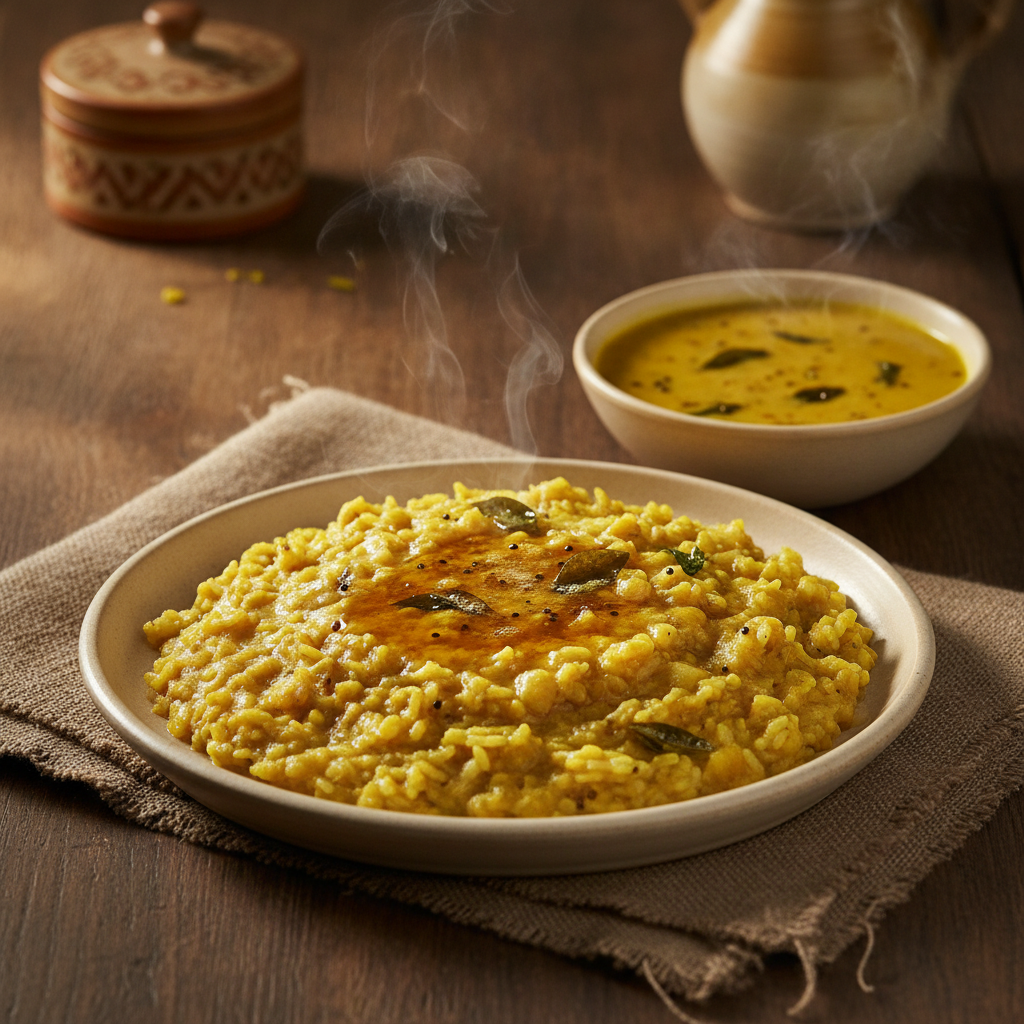
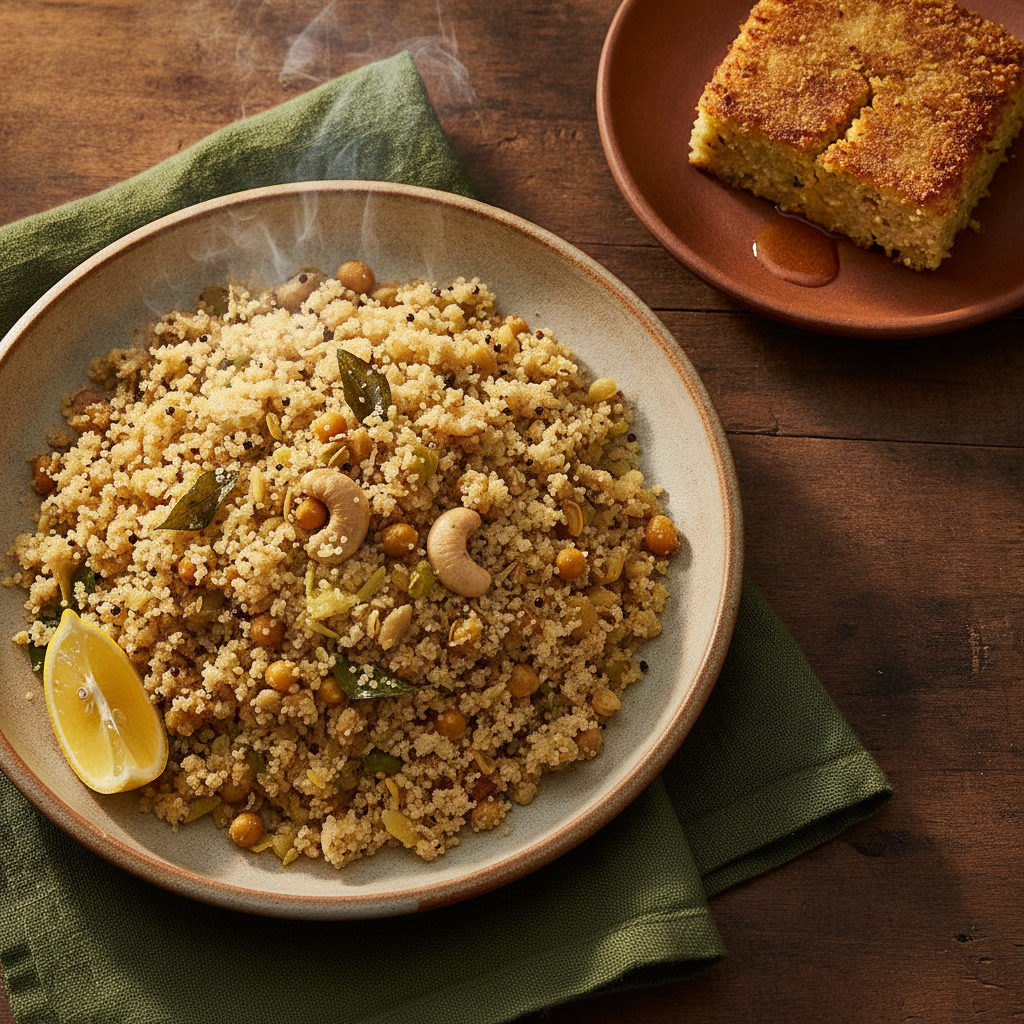
Sabudana khichdi has a reputation — deserved, for those who have only ever had a bad version — of being starchy, bland, and clumped into a gluey paste. A well-made version is the opposite: each tapioca pearl is individually bouncy and translucent, lightly coated in ghee and peanut, scented with cumin and green chilli, lifted at the end by a generous squeeze of lemon. The difference between these two outcomes is almost entirely in the soaking technique, which most recipes underexplain. This recipe explains it in full detail. Sabudana khichdi is eaten across Maharashtra, Gujarat, and central India as a standard breakfast or snack — fasting or otherwise. During Hindu fasting periods like Navratri, Ekadashi, Janmashtami, and Mahashivratri, observant households avoid grains, lentils, onion, garlic, and iodised salt, but sabudana, peanuts, potatoes, dairy, and select spices are all permitted. The dish is filling enough to carry you through a fasting day because tapioca delivers fast energy from starch, and peanuts provide protein and fat. But it is also good enough — when made correctly — that plenty of people eat it with no fasting motive at all.

35 min 4
Read
Maharashtrian Puran Poli — Sweet Chana Dal Flatbread for Festivals
indianmedium

Maharashtrian Puran Poli — Sweet Chana Dal Flatbread for Festivals

Puran Poli is one of the oldest documented sweets of the Indian subcontinent, recorded as far back as the 12th century in the Sanskrit encyclopaedia Manasollasa under Chalukya king Someshvara III. It is Maharashtra's defining festive food — served on Ganesh Chaturthi, Holi, and Diwali — and it earns that status with good reason. A thin, translucent whole-wheat flatbread wraps a warmly spiced filling of chana dal and jaggery, then hits a hot tawa with generous ghee until the exterior crisps and blisters into golden patches. The bread stays deliberately out of the way: it is a vehicle, not a statement. All the flavour work is done by the filling — earthy dal, caramel-edged jaggery, vivid cardamom, and a whisper of nutmeg that authenticates the Maharashtrian character. Traditionally, the oldest women in the household lead the making of puran poli while younger generations assist — it is an intergenerational transmission of ratios and technique as much as it is a recipe. The puran yantra, a traditional Maharashtrian food mill designed specifically for this filling, is worth seeking out; a potato ricer is the best modern substitute. Classically served with ghee and aamras (fresh mango pulp) in summer, or warm milk.

75 min 4
Read
Coorg Pandi Curry: The Legendary Kodava Pork with Kachampuli
indianmedium

Coorg Pandi Curry: The Legendary Kodava Pork with Kachampuli

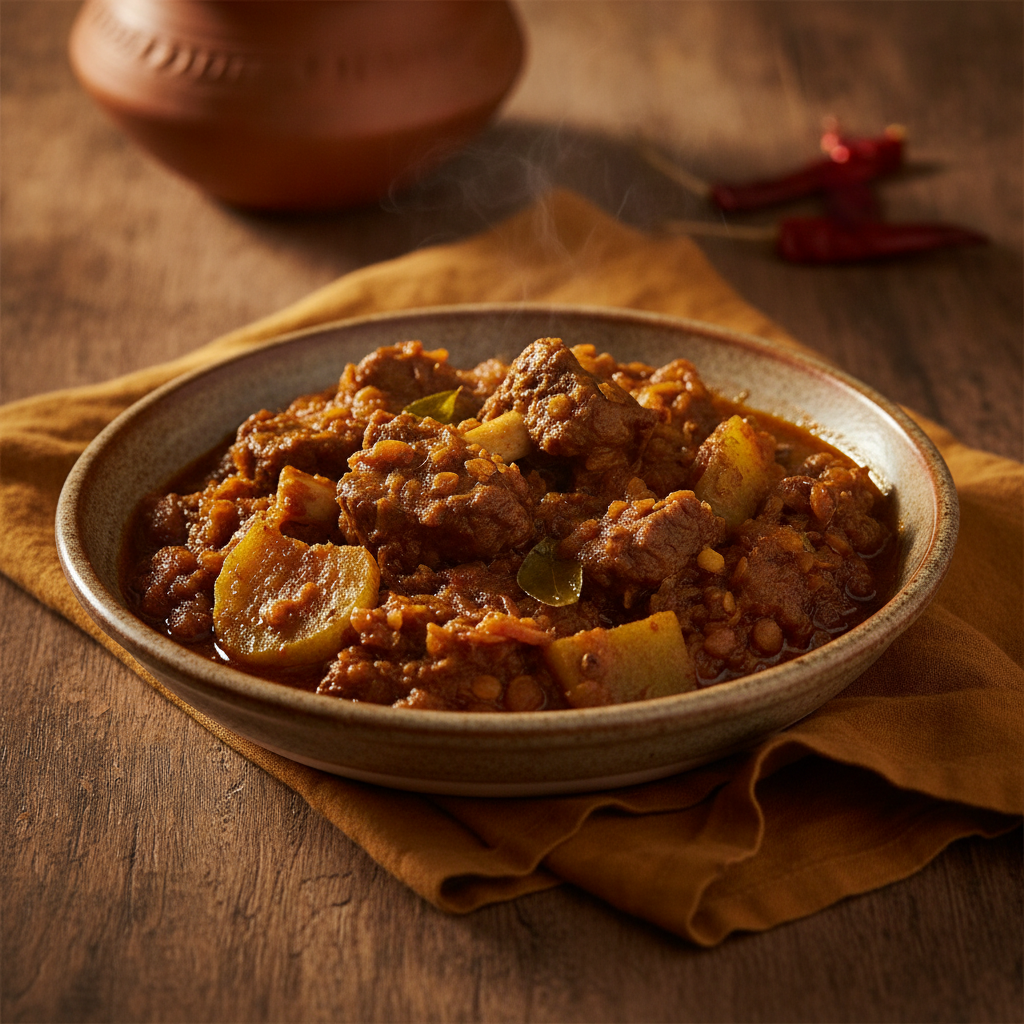
Pandi Curry is the soul of Kodava cooking — a dark, intensely savoury pork curry from the highlands of Coorg (Kodagu), Karnataka, defined by a single irreplaceable ingredient: kachampuli. This thick, black Garcinia vinegar, extracted from the wild Garcinia gummi-gutta fruit of the Western Ghats, drops into the curry near the end of cooking and transforms it with a sharp, resinous sourness that no other vinegar can replicate. The Kodava people have served this dish at weddings, harvest festivals, and family gatherings for generations — 'pandi' means pig in Kodava, and this is their most celebrated dish. Coorg is an unusual place in India: a highland district of coffee estates, dense rainforest, and pepper vines, tucked into the Western Ghats. The Kodava community that has farmed these hills for centuries is predominantly non-vegetarian, and pork has both ceremonial and everyday significance. Pandi Curry is what gets made when people come together. It is served with kadambuttu (steamed rice flour dumplings) or noolputtu (string hoppers) — the starchy, mild accompaniments that exist purely to carry as much of the dark, clinging masala to your mouth as possible. What makes this curry technically interesting is its structure: a dry-roasted whole-spice masala ground from scratch, pork browned hard in batches for a Maillard crust that survives the long braise, and the kachampuli held until nearly the end — acid added too early toughens meat and flattens sourness. The result is semi-dry, dark, and intensely flavoured: a curry that coats, not swims.

105 min 4
Read
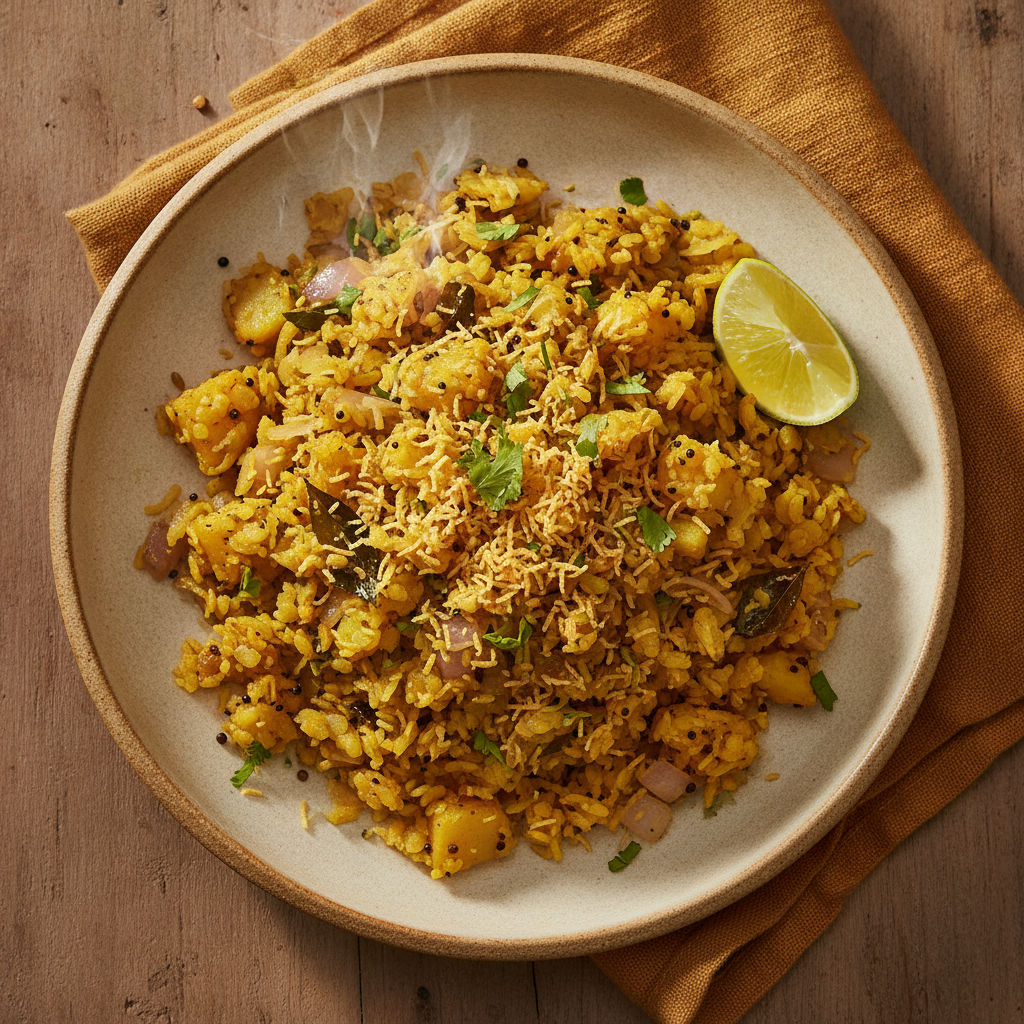
Indori Poha: India's Best Breakfast Plate, From the Streets of Indore
indianeasy

Indori Poha: India's Best Breakfast Plate, From the Streets of Indore

Poha — flattened rice tossed in a spiced tempering — is eaten for breakfast across India, but Indore's version has earned a national reputation that no other city's poha has matched. The Indori version is distinct enough that it has its own name: fennel seeds in the tempering give it a floral, anise-scented warmth; sugar and lime tip the seasoning into a sweet-sour balance that is nothing like Maharashtrian poha; and the final pile of Ratlami sev, pomegranate arils, and jeeravan masala turns a humble grain dish into something you'd return for every morning. The technique has one counterintuitive rule: do not soak the poha in water. Rinse it quickly in a colander, drain well, and let it rest. The residual moisture is all it needs. Every extra minute of soaking pushes you closer to mush, and mushy poha cannot be fixed. Indore's breakfast culture built this dish on the streets of Madhya Pradesh's Malwa region — iconic establishments like Prashant Nashta Corner have been serving it since 1949, and the city's morning rhythm revolves around it. The canonical pairing is with jalebi: warm, syrup-soaked fried spirals served alongside, the sweet-sticky-crisp contrast against the savoury poha uniquely Indori. The poha stands perfectly on its own, but if you can get fresh jalebi, the combination is genuinely worth experiencing.

35 min 2
Read
Mangalorean Chicken Ghee Roast: The Bunt Community's Fiery Dry Chicken
indianmedium

Mangalorean Chicken Ghee Roast: The Bunt Community's Fiery Dry Chicken

In 1957, Tejappa Shetty and his wife Prabhavathi opened Shetty Lunch Home in Kundapura, Karnataka, serving their community's home cooking to truck drivers and traders passing through the coastal belt. One dish made that small restaurant famous across South Canara: chicken ghee roast. By the 1970s, the family had expanded to Mangalore, and the rest is culinary history. This is not the South Indian food most people know. South Canara cuisine — the cooking of the Bunt, Havyaka, and Saraswat communities along the Karnataka coast — sits in a triangle between Kerala and Goa. It shares their Byadgi chillies with both neighbors, but its own spice grammar is built on tamarind, black pepper, and a generous hand with ghee. There are no coconut gravies here. This is dry, intense, sticky, and deeply aromatic. The technique is bhunao — the long, patient process of roasting a spice-coated protein on low heat while continuously stirring, letting the masala dry onto the meat and the ghee separate to the edges of the pan. You cannot rush it. The reward is chicken with a slightly charred, clinging, fire-engine red coating and a spice depth that lingers without overwhelming. Note: the same ghee roast technique works beautifully with prawns and mutton in the same coastal tradition — once you learn the method here, you have the key to the whole family of dishes.

70 min 4
Read
Nadan Kozhi Curry (Kerala Village-Style Chicken Curry)
indianmedium

Nadan Kozhi Curry (Kerala Village-Style Chicken Curry)

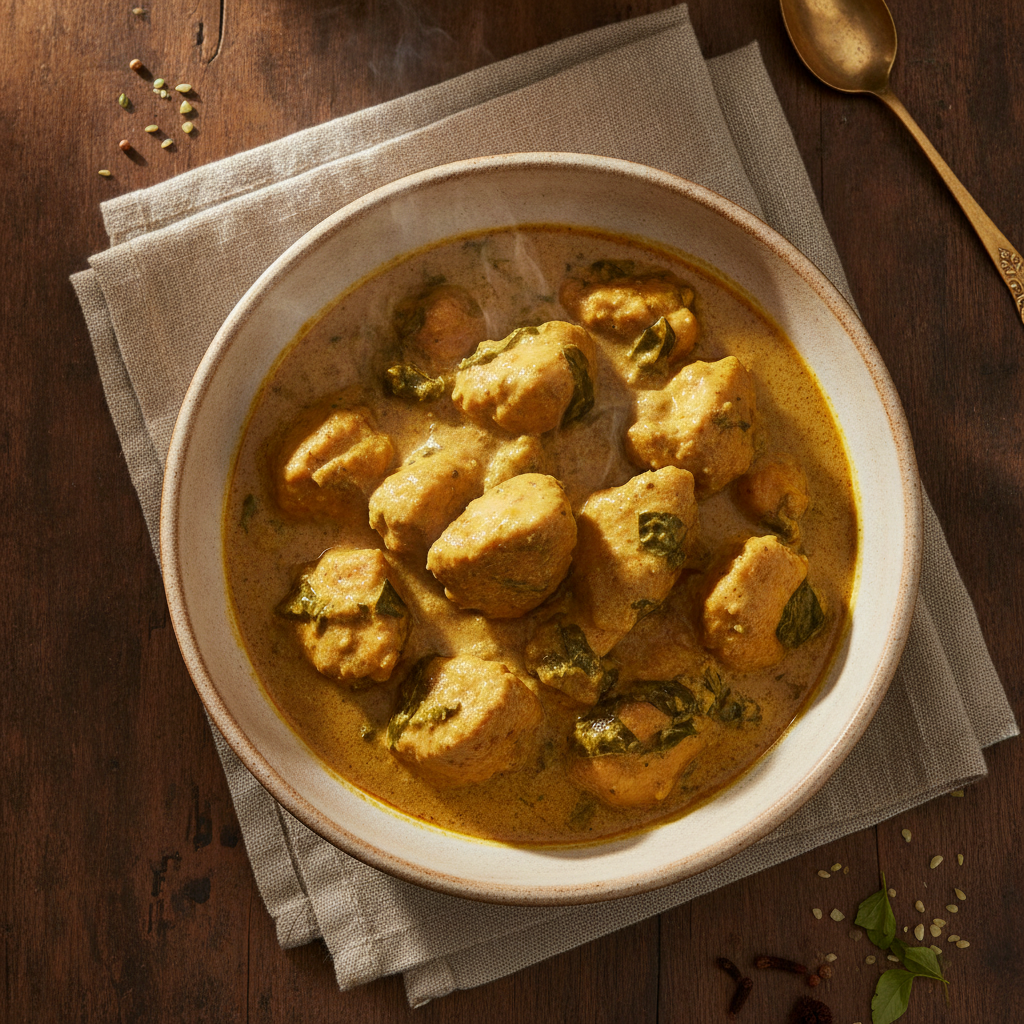
Nadan Kozhi Curry is Kerala's answer to what chicken tastes like when you've been surrounded by the spice trade for centuries. The result is a curry that layers its flavours deliberately, uses coconut oil as the carrier for everything aromatic, and finishes with coconut milk at the last moment so the gravy stays silky rather than grainy. 'Nadan' means village-style in Malayalam, and the word carries weight here. This is not the glossy, hotel-style version found in Kerala's bigger cities — it's the homier, spicier, more aromatic baseline made with minimal tomato, freshly dry-roasted whole spices, and enough patience to let coconut oil properly bloom the curry leaves before anything else goes in. Two techniques separate this from a generic chicken curry. First: the whole spices — fennel seeds, black peppercorns, coriander seeds, and cloves — are dry-roasted in a hot pan until fragrant, then ground fresh. This step takes five minutes and is the one most recipes skip, which is why most recipes taste flat. Second: coconut milk arrives in two stages. Thin milk simmers with the chicken, thinning the gravy and absorbing the spices. Thick coconut milk is added only at the very end, off heat, so it enriches without splitting. Boil thick coconut milk and you get grainy, fat-separated gravy. Don't boil it and you get creaminess. The rules are simple. Serve with appam, idiyappam, puttu, or steamed rice.

65 min 4
Read
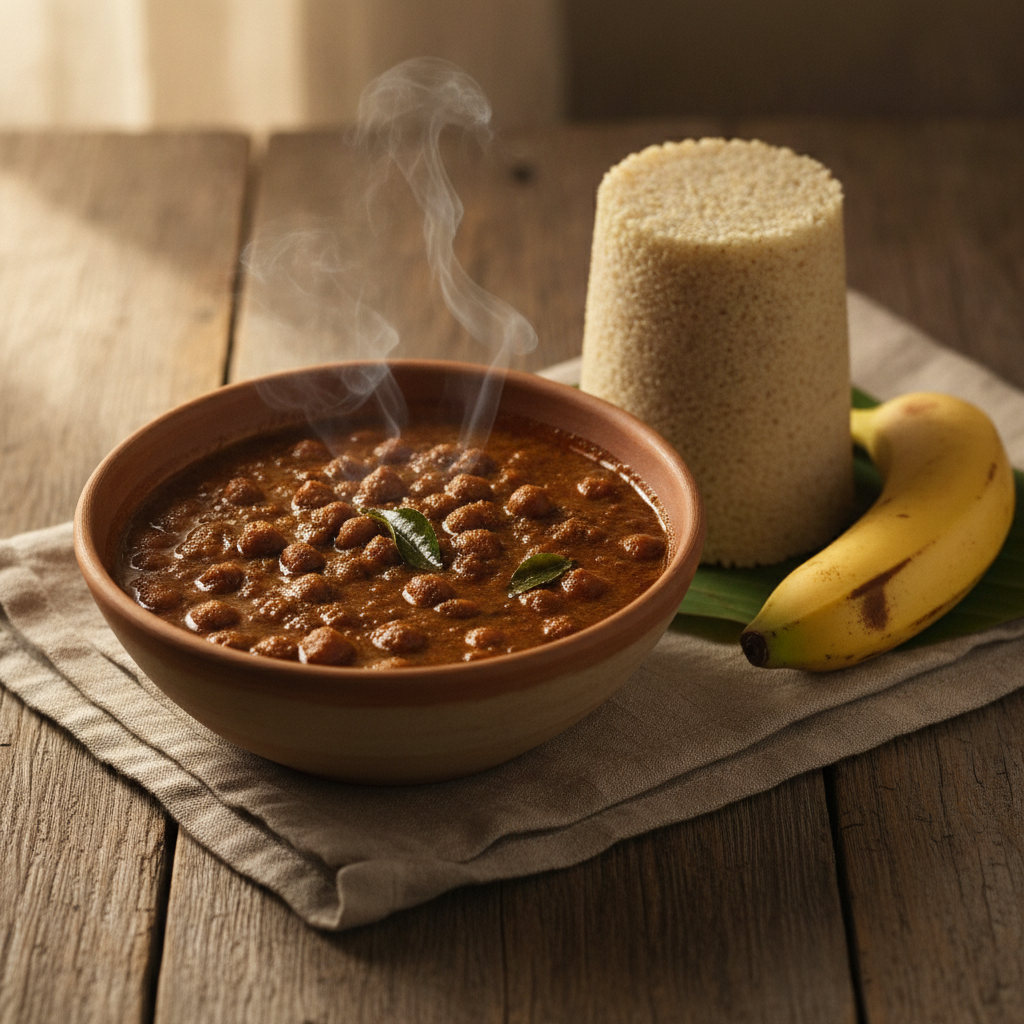
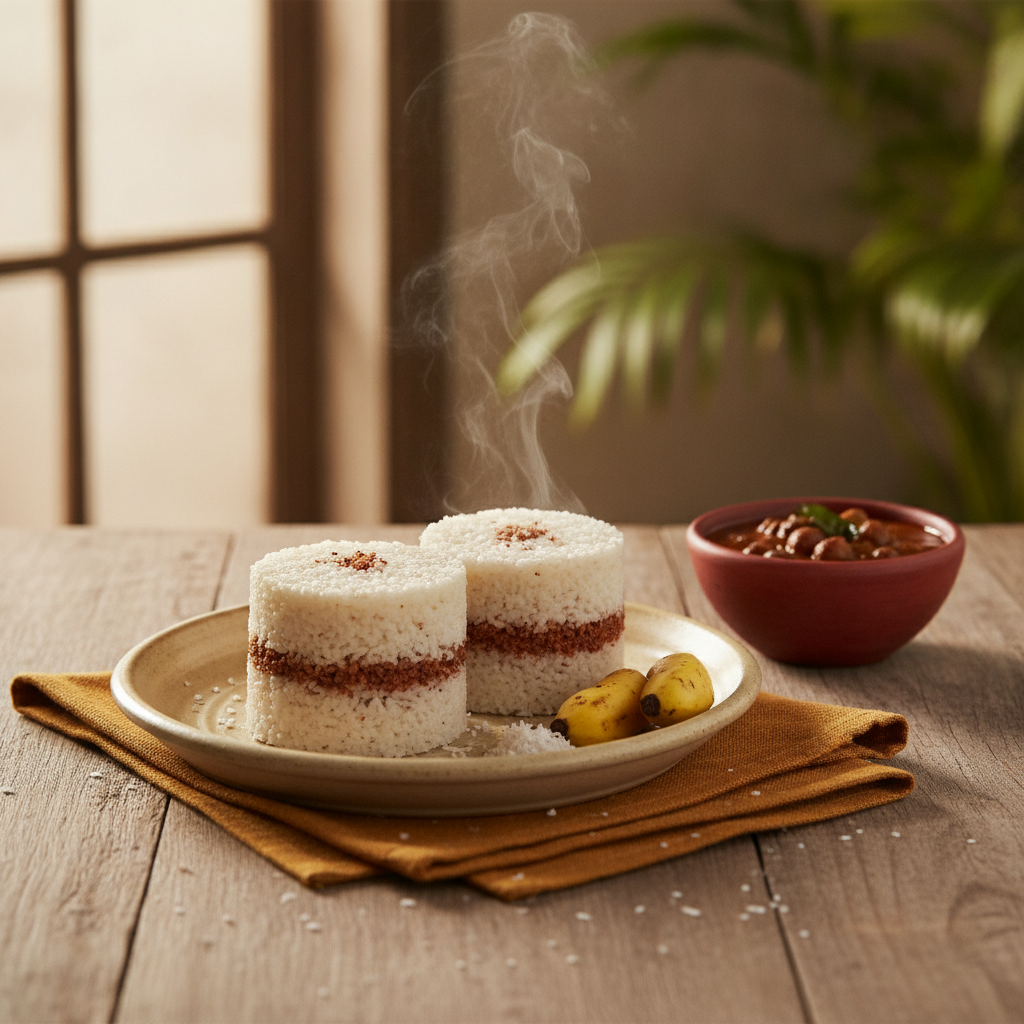
Kadala Curry: Kerala's Black Chickpea Curry with Roasted Coconut
indianmedium

Kadala Curry: Kerala's Black Chickpea Curry with Roasted Coconut

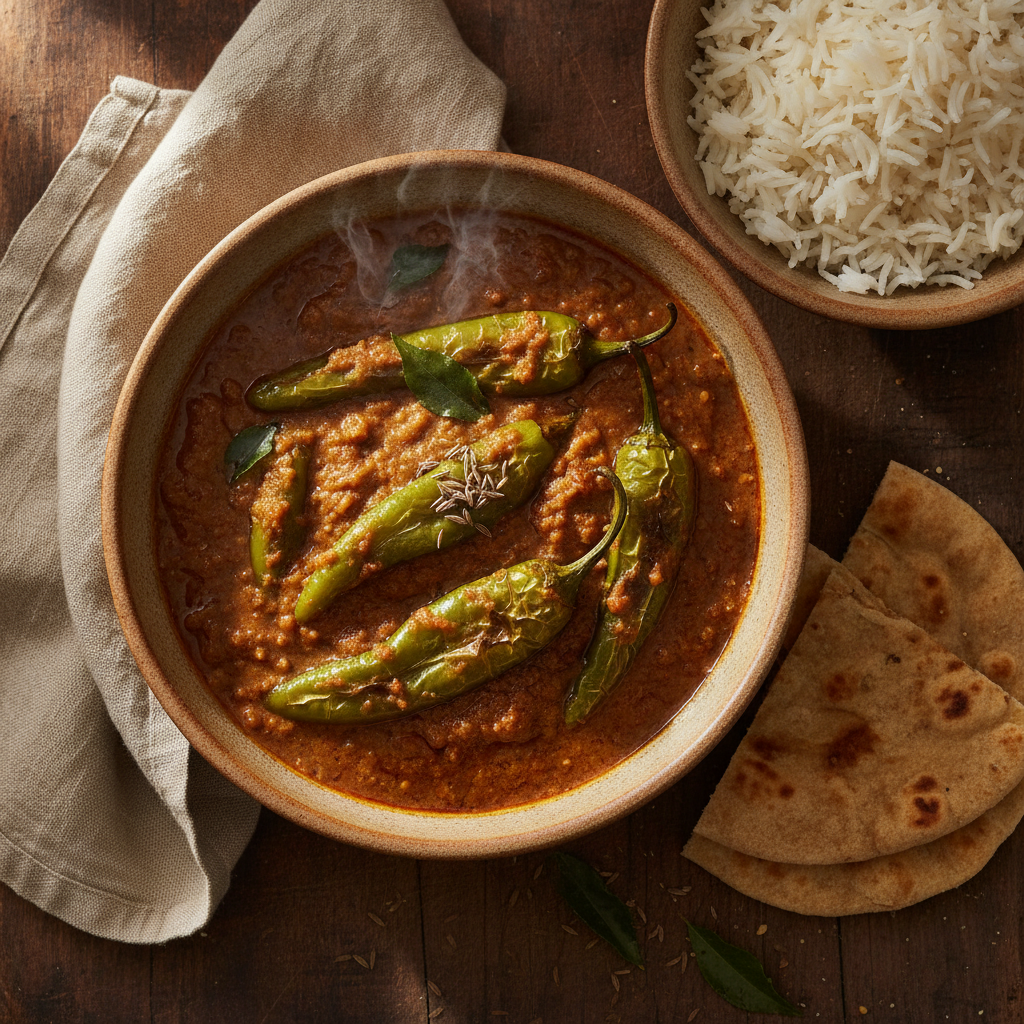
Kerala's most iconic breakfast curry — dense, earthy kala chana (black chickpeas) in a gravy built entirely on deeply roasted coconut. This is not a mild, weeknight chickpea curry. The roasted coconut paste does all the heavy lifting: toasted to a deep amber, it delivers a nutty, savory richness that no cream or butter could replicate. Traditionally served with puttu (steamed cylinders of rice flour and coconut) or appam (fermented rice crepes), kadala curry is considered a complete breakfast of champions in Malayali households. The overnight soak and the patience to roast the coconut to a deep brown are the only things standing between you and this.

80 min 4
Read
Crispy Samosa with Mint and Tamarind Chutney
indianmedium

Crispy Samosa with Mint and Tamarind Chutney

The samosa has been selling itself on street corners for 700 years, and it doesn't need anyone's help. What it does need is a cook who understands the two decisions that separate a transcendent samosa from a disappointing one: the dough must be shockingly stiff, and the frying must happen in two stages. Every samosa disaster — bready crust, doughy centre, pale blistered exterior, sad soggy pastry — traces back to one of those two things. The dough needs to be stiff enough that kneading it feels like work. Stop adding water well before you think you're done. And the two-stage fry is not optional. Low heat first (150–160°C) for 8–10 minutes cooks the pastry all the way through before any browning happens. Then a blast at 180°C gives you the shattering golden crust. Miss the slow stage and you'll have beautifully coloured samosas with raw, doughy interiors. This recipe makes both chutneys: the bright hari chutney (fresh mint and cilantro, black salt, green chili) and the thick, complex imli chutney (tamarind, jaggery, warm spices). Make the tamarind chutney first — it needs time to cool to its proper coating consistency. Blend the mint chutney as close to serving as you can; it oxidises to brown within the hour. The samosas are entirely vegan — traditional Punjabi street versions use neutral oil in the dough, not ghee — and everything except the frying can be done ahead.

75 min 4
Read
Paneer Makhani: Silky Tomato-Butter Gravy with Homemade Paneer
indianmedium

Paneer Makhani: Silky Tomato-Butter Gravy with Homemade Paneer

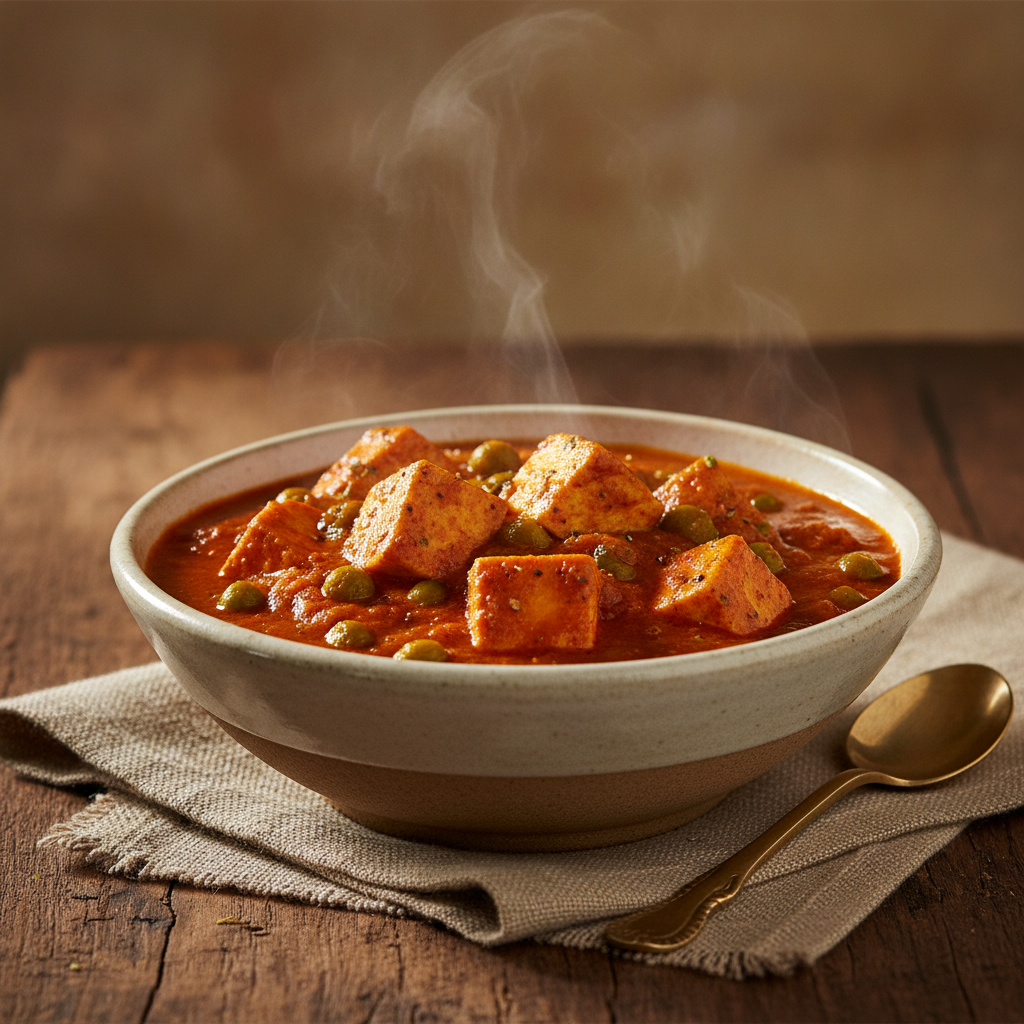
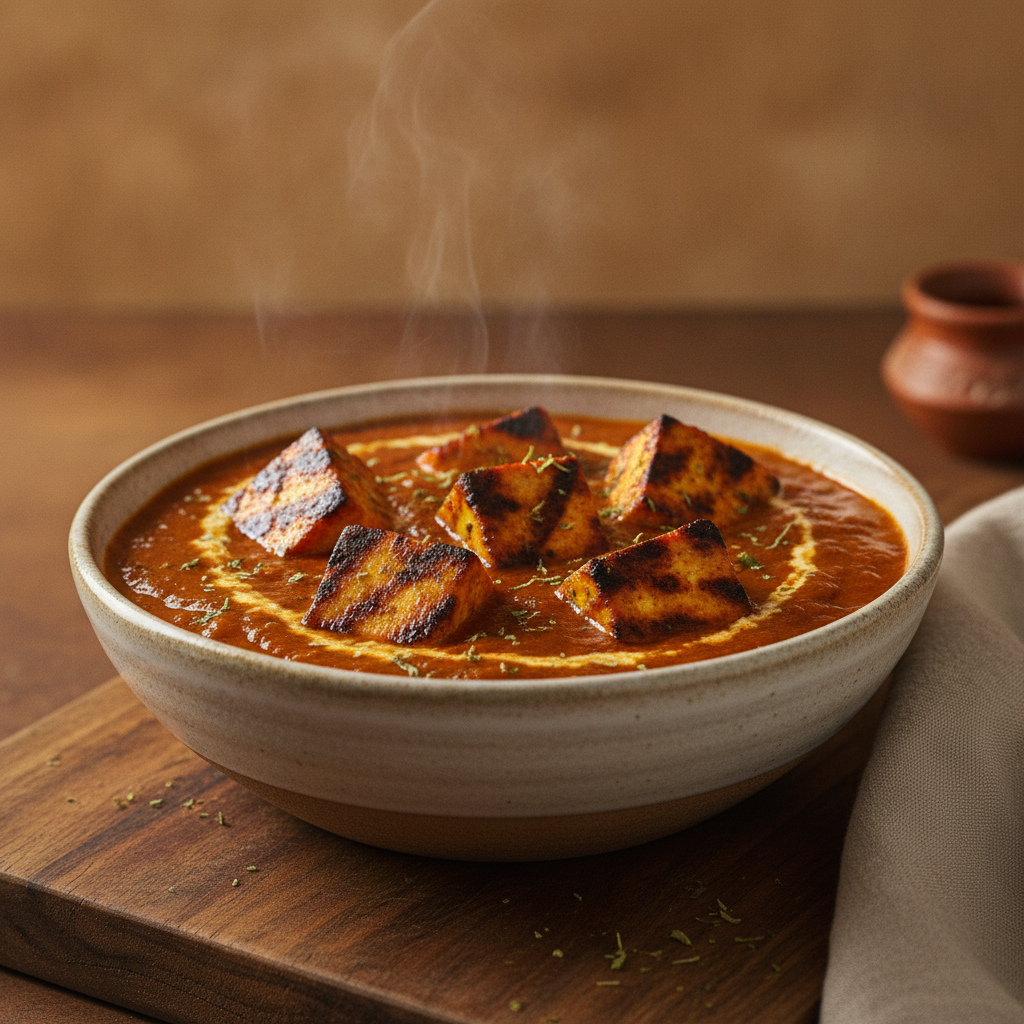
Let's clear something up first: paneer makhani and paneer butter masala are not quite the same dish, though you'd be forgiven for mixing them up. In most restaurants outside Delhi the names are used interchangeably, but the traditional distinction is this — paneer makhani leans on butter and cashews for its richness, while paneer butter masala tilts toward cream. Either way, you get a silky, brick-red tomato gravy with soft, golden-edged paneer, and either way, it traces back to the same kitchen: Moti Mahal restaurant in Delhi's Daryaganj neighbourhood, where in the 1950s owner Kundan Lal Jaggi developed the makhani (buttery) gravy that would go on to become the vegetarian counterpart to his legendary butter chicken. This version is built for the home kitchen but achieves restaurant texture through two techniques that most home recipes skip. First: the gravy is fully blended, then strained through a fine-mesh sieve. That extra three minutes at the sieve is what turns a good curry into the kind you keep eating past the point of hunger. Second: the cream and kasuri methi — dried fenugreek leaves — go in off-heat at the very end. These are not flourishes. The cream added early splits in acidic tomato sauce; the kasuri methi loses its distinctive aroma if it cooks down. Both need the final minute. The paneer can be homemade (45 minutes, genuinely worth it) or store-bought. The gravy is the star — make it well and the paneer choice matters less.

60 min 4
Read
Butter Chicken (Murgh Makhani): The Moti Mahal Original
indianmedium

Butter Chicken (Murgh Makhani): The Moti Mahal Original

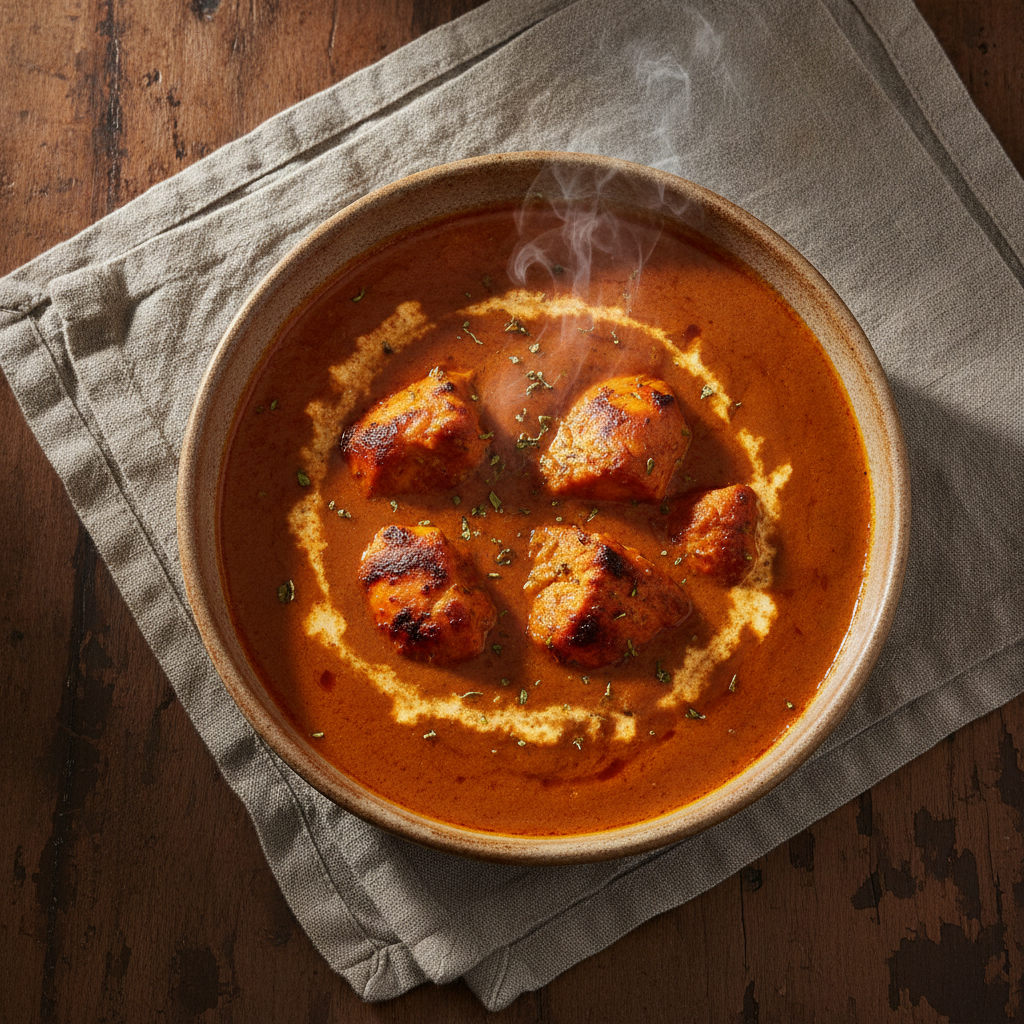
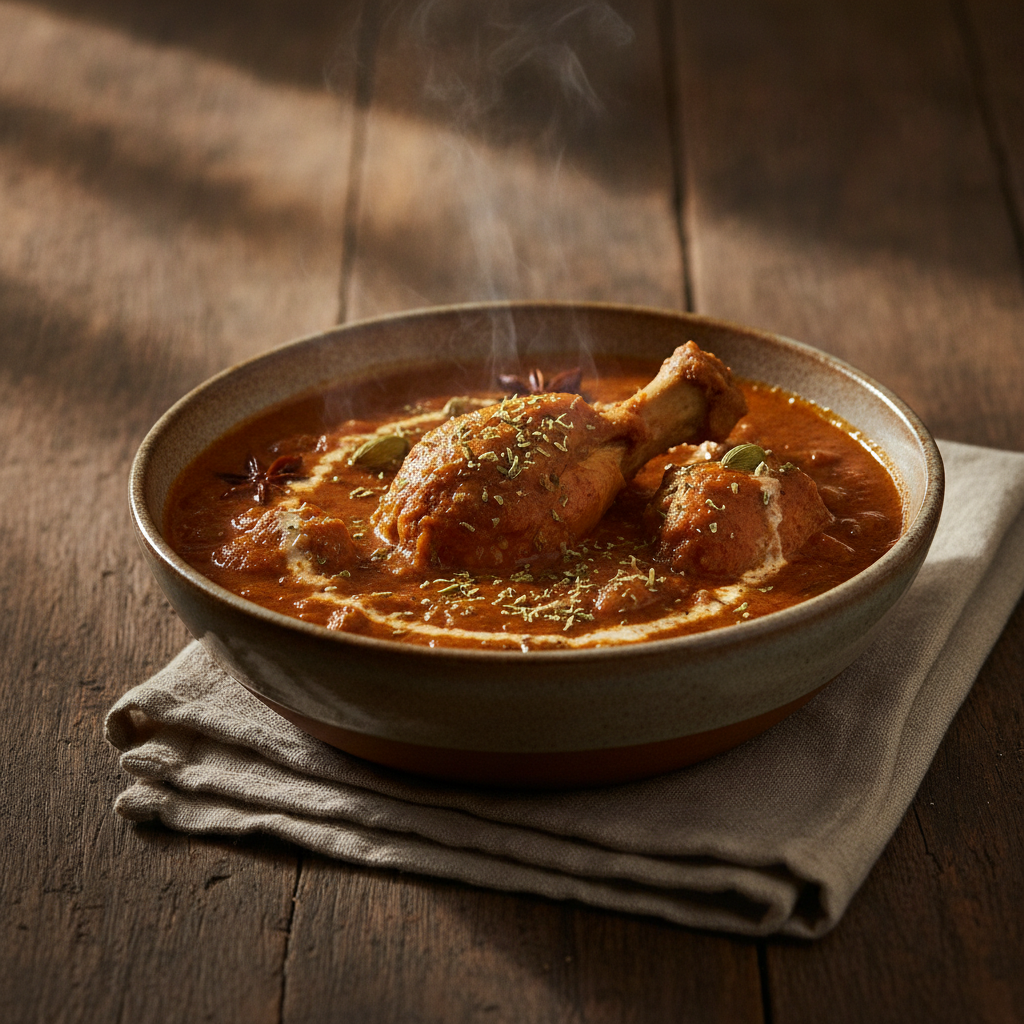
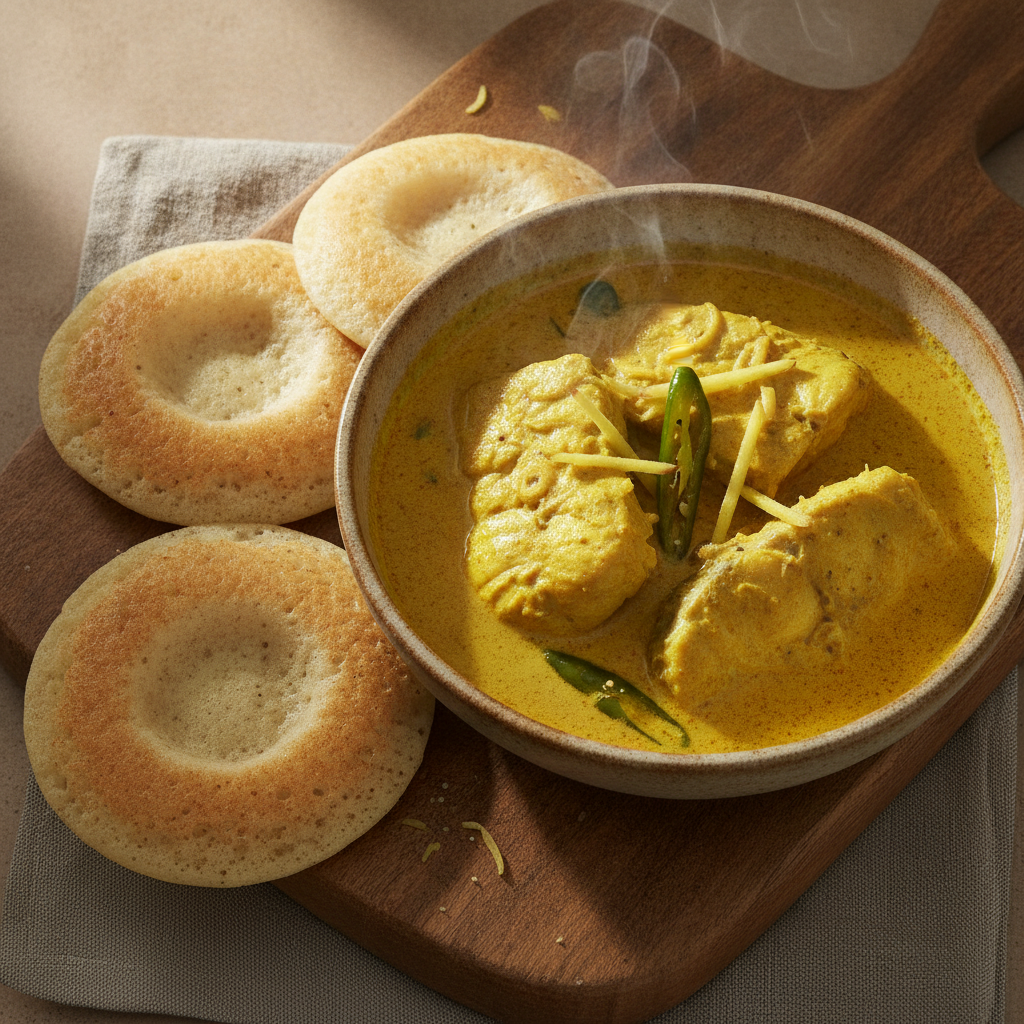
Murgh makhani — butter chicken — was born at Moti Mahal restaurant in Delhi's Daryaganj neighbourhood in the early 1950s. The story is beautifully practical: Kundan Lal Gujral's kitchen would repurpose unsold tandoori chicken each evening by simmering it in a butter-tomato sauce, transforming day-old leftovers into one of the most beloved dishes on the planet. The name is literal: makhani means 'butter,' and butter is the defining ingredient, added twice — at the start of the sauce, and again cold and off-heat at the end, the restaurant technique that creates that signature velvet gloss. This is not tikka masala. Butter chicken has no onions in the sauce, is butter-and-cream forward rather than spice-forward, and produces a silkier, milder, more fragrant result. The two are constantly confused outside India, but they're structurally different dishes. Tikka masala is a 1970s British-Indian invention; murgh makhani is the 50-year-old original. Two things separate great butter chicken from average: the char on the chicken (mandatory — this is what creates the Maillard flavor compounds that prevent the sauce from tasting sweet and one-dimensional), and kasuri methi at the end (the dried fenugreek leaf finish that most home recipes skip, and the single ingredient that makes the biggest difference). Don't skip either.
80 min 4
Read
Nihari — Slow-Braised Mutton Shank with Bone Marrow and Morning Spices
indianhard

Nihari — Slow-Braised Mutton Shank with Bone Marrow and Morning Spices

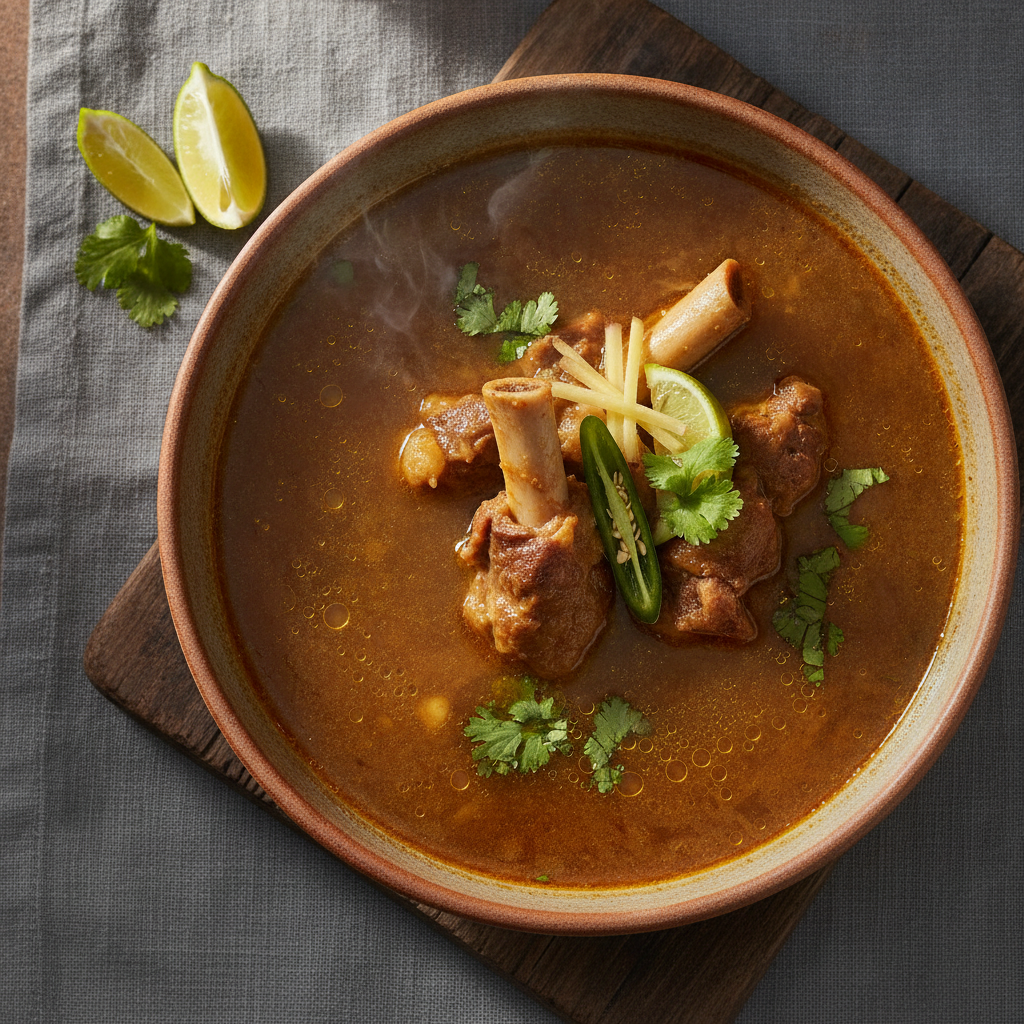
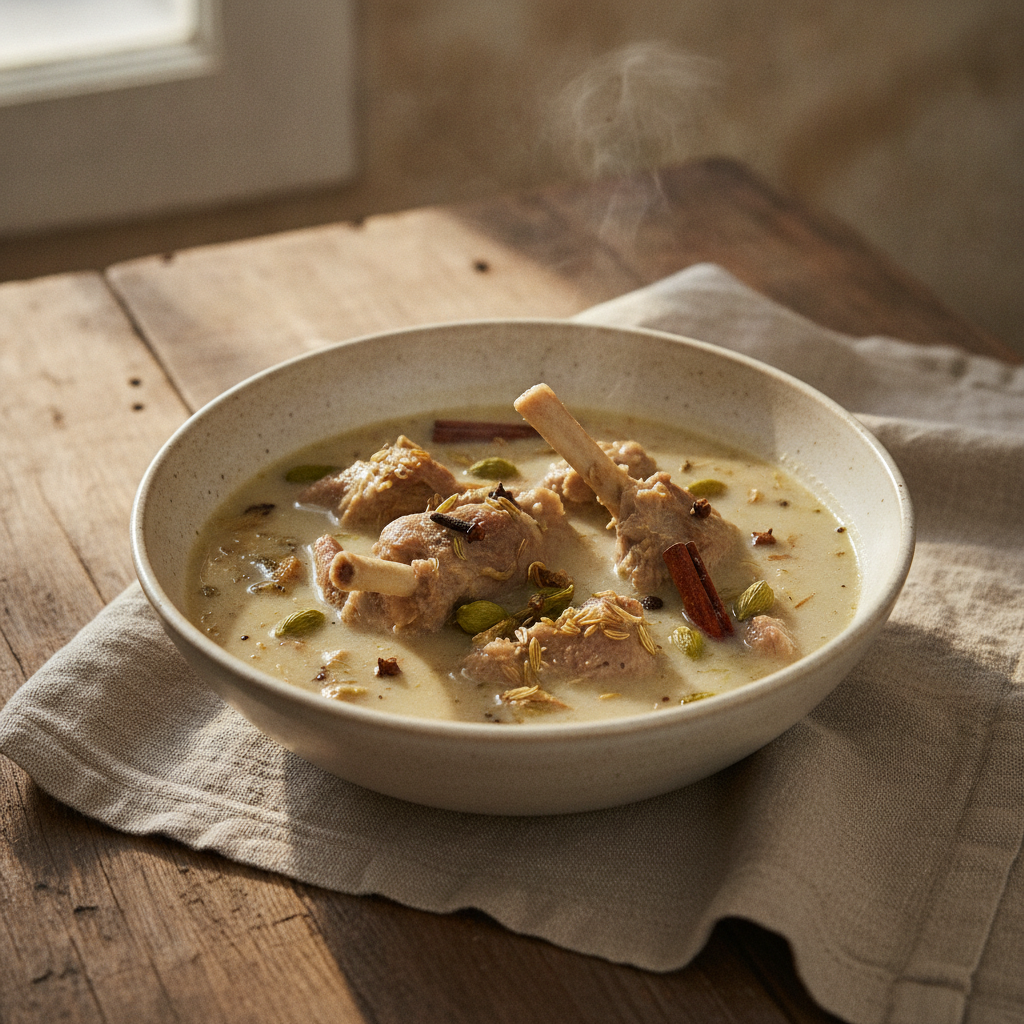
Nihari has been simmering in Old Delhi's alleyways since the 18th century — cooked overnight in sealed clay pots, served at dawn after Fajr prayer. The name comes from the Arabic nahaar, meaning morning. Some nihari daigs in Old Delhi and Karachi are said to have been continuously topped up for forty years, each day's batch absorbing the accumulated depth of every previous one. This is food that takes time seriously.

380 min 4
Read
Goan Fish Curry
indianmedium

Goan Fish Curry

A vivid, fire-red curry from the Konkan coast where coconut, soaked Kashmiri chilies, and tamarind form a tangy, deeply fragrant sauce that simmers around tender pieces of firm white fish. This is Hindu Goan cooking at its best — nothing to do with the pork-and-vinegar dishes the Portuguese brought to Goa, and everything to do with the region's extraordinary coastline. The freshly ground coconut-chili paste is the soul of this dish: it releases oils that coat and emulsify the sauce in a way no store-bought powder ever could.

50 min 4
Read
Chicken Xacuti — Goa's Most Complex Curry
indianhard

Chicken Xacuti — Goa's Most Complex Curry

Xacuti (pronounced sha-kooti) is the kind of curry that makes you understand why people plan their weekends around cooking. It is not a dish you make when you're hungry and impatient — the spice list alone will tell you that. But everything on that list is there for a reason, and the result is unlike any other coconut-based curry in the world. The dish comes from Goa, a former Portuguese colony on India's western coast, and it carries 450 years of that history in every bite. The warm, aromatic spice profile — cinnamon, cloves, star anise, nutmeg — reads as Portuguese; the coconut, tamarind, and dried chilies are pure Konkan coast. For generations it has been the Sunday curry in Catholic Goan homes, the one made for weddings and feast days, the curry that signals effort and affection. It is also prepared with mutton and pork in Goa, but chicken is the most widely made version. There are four things you need to understand before you start. First: every spice must be dry-roasted separately. The coconut goes on its own until it turns a deep golden-brown. The whole spices go together. The white poppy seeds go alone, on the lowest heat you can manage, because they burn in seconds and ruined poppy seeds ruin the dish. Un-roasted or unevenly roasted paste produces a raw, bitter curry that no amount of liquid will fix. Second: the paste must be smooth. Not a rough rubble — smooth, like a well-blended masala. Use the smallest jar of your blender or a wet grinder. Add water one tablespoon at a time. The paste should be a deep reddish-brown. Third: bhunao matters. After the paste goes into the pan, cook it — really cook it, stirring and pressing — until the oil separates from the masala and pools at the edges. This is not optional ceremony. This is how you know the raw spice smell has cooked out. The colour shifts from bright to deep; the aroma changes from sharp to rounded. Fourth: bone-in chicken only. The gelatin from the bones thickens the gravy and rounds the flavour in a way that boneless chicken simply cannot.

80 min 4
Read
Prawn Balchão — Goa's Fiery, Tangy Prawn Pickle
indianmedium

Prawn Balchão — Goa's Fiery, Tangy Prawn Pickle

Stop here before you start: this recipe needs at least 48 hours before you eat it, and ideally a full week. Prawn Balchão is not a weeknight curry — it is a pickle. A fierce, crimson, deeply aromatic Goan pickle that gets dramatically better the longer you leave it alone. Plan accordingly, and you'll be rewarded with one of the most compelling things you can do with a handful of prawns. The recipe itself traces back to the Portuguese colonial presence in Goa — a long stay running from the 16th century to 1961. Portuguese traders had already encountered the Macanese balichão, a fermented shrimp paste from their trading post in southern China, and when they arrived in Goa's coastal heat, Goan cooks remade the idea with local dried chilies, coconut vinegar, and warming spices. The result was something entirely its own: a chile-vinegar pickle-condiment that could survive tropical temperatures without refrigeration, and which became a pillar of Goan Catholic home cooking. People still make it in large batches to give as gifts. The technique is preservation logic expressed as a recipe. Coconut vinegar provides both flavor and acidity that inhibits spoilage — never substitute water anywhere the recipe calls for liquid. The prawns are fried briefly in turmeric oil before the masala goes anywhere near them, which firms the protein so it doesn't dissolve into mush after days in the vinegar. The masala paste must be cooked until the oil separates and rises to the surface — a clear visual cue, unmistakable when you see it — because only then is it genuinely done. Undercooked masala tastes sharp and raw; properly cooked masala is transformed, mellowed, and deep. Serve small amounts over plain boiled white rice. That's it. That's the whole point.

70 min 4
Read
Appam with Kerala Vegetable Stew — Lacy Hoppers and Coconut Ishtu
indianmedium

Appam with Kerala Vegetable Stew — Lacy Hoppers and Coconut Ishtu

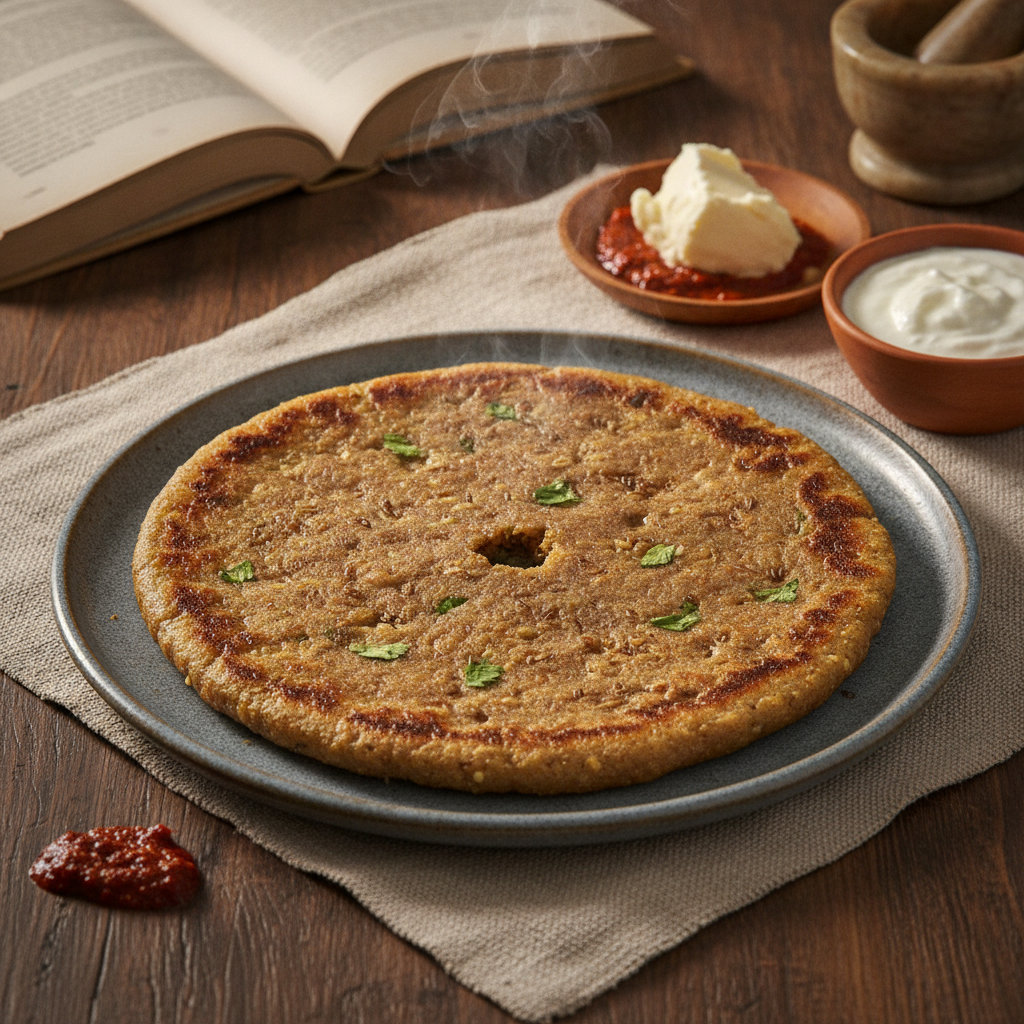
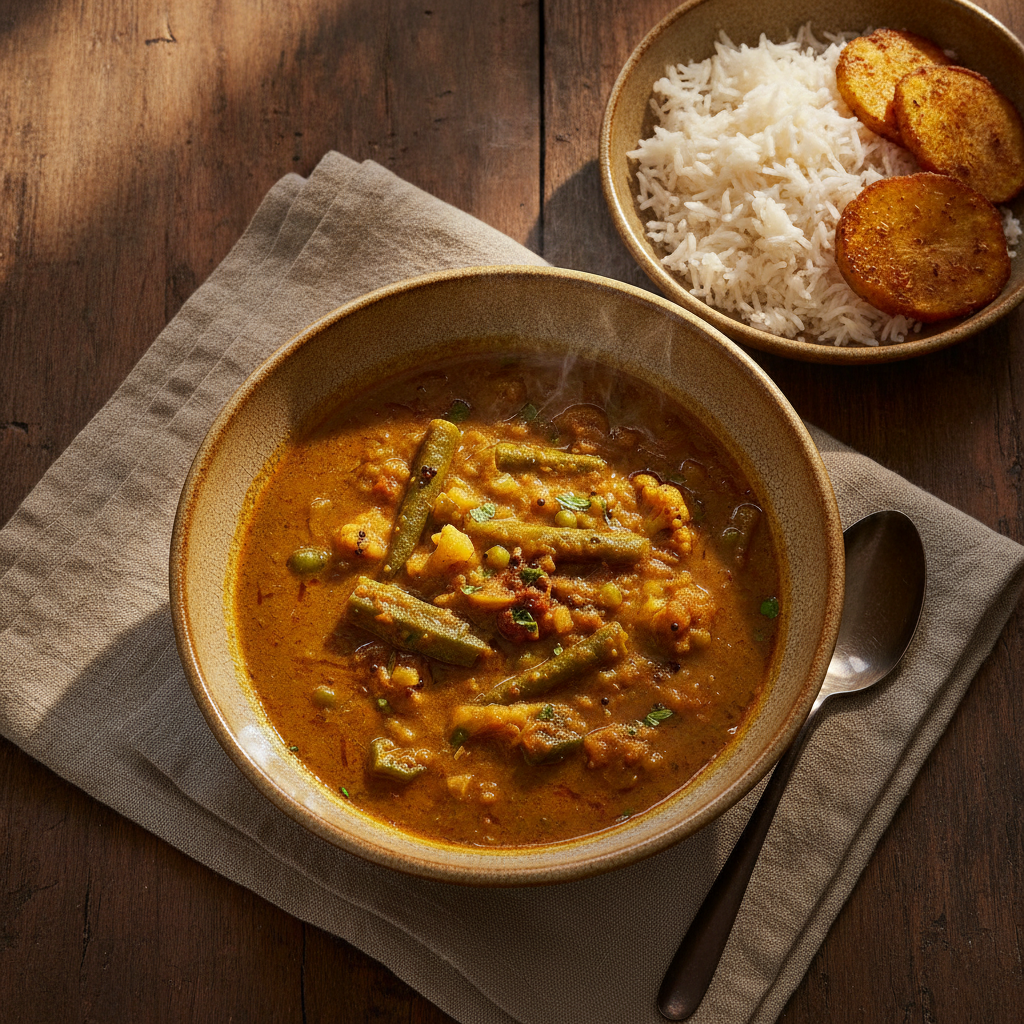
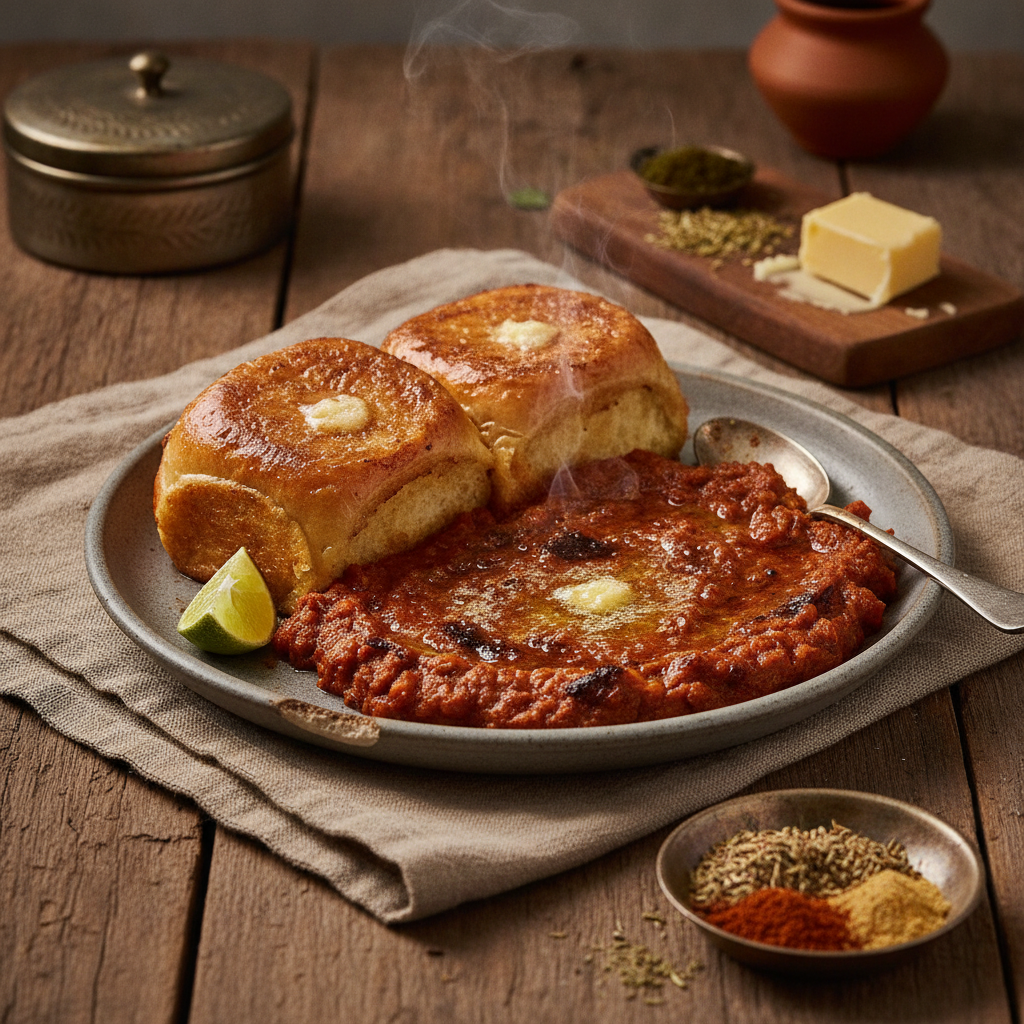
Appam are the soul of Kerala breakfast — lacy, fermented rice hoppers with a crisp, airy frill and a thick, pillowy centre, served alongside a gently spiced coconut vegetable stew called ishtu. This is a two-recipe dish, and the planning is the point: the batter needs overnight fermentation, a step that rewards patience with a gentle tanginess and those signature lacy holes. The stew, by contrast, comes together in under 30 minutes — barely spiced by Indian standards, barely any ground spice at all, with the coconut milk itself doing the heavy lifting. Appam is one of Kerala's oldest dishes, referenced in Tamil Sangam literature (3rd century BCE) and early temple texts, where it was prepared as an offering. The Cochin Jewish community used fresh toddy (palm wine) for fermentation, a technique still used in traditional households. The combination of appam and vegetable ishtu remains the standard Sunday breakfast across Syrian Christian households in Kerala — an elegant, light meal that is also, in its own quiet way, one of the most satisfying breakfasts on earth. The key technique insight: the appachatti (a small, deep, rounded pan) is not optional. Its concave shape is what allows you to pour the batter, swirl, and produce the characteristic bowl shape — a thick, spongy centre and an airy, lacy, crisp rim. A small nonstick wok with a lid is the best substitute. A flat pan will make flat pancakes. Also critical for the stew: thick coconut milk goes in off the heat, never back on the boil. Boil it and it splits.
60 min 4
Read
Caldine: Goan Coconut-Turmeric Fish Curry (Mild and Golden)
indianmedium

Caldine: Goan Coconut-Turmeric Fish Curry (Mild and Golden)

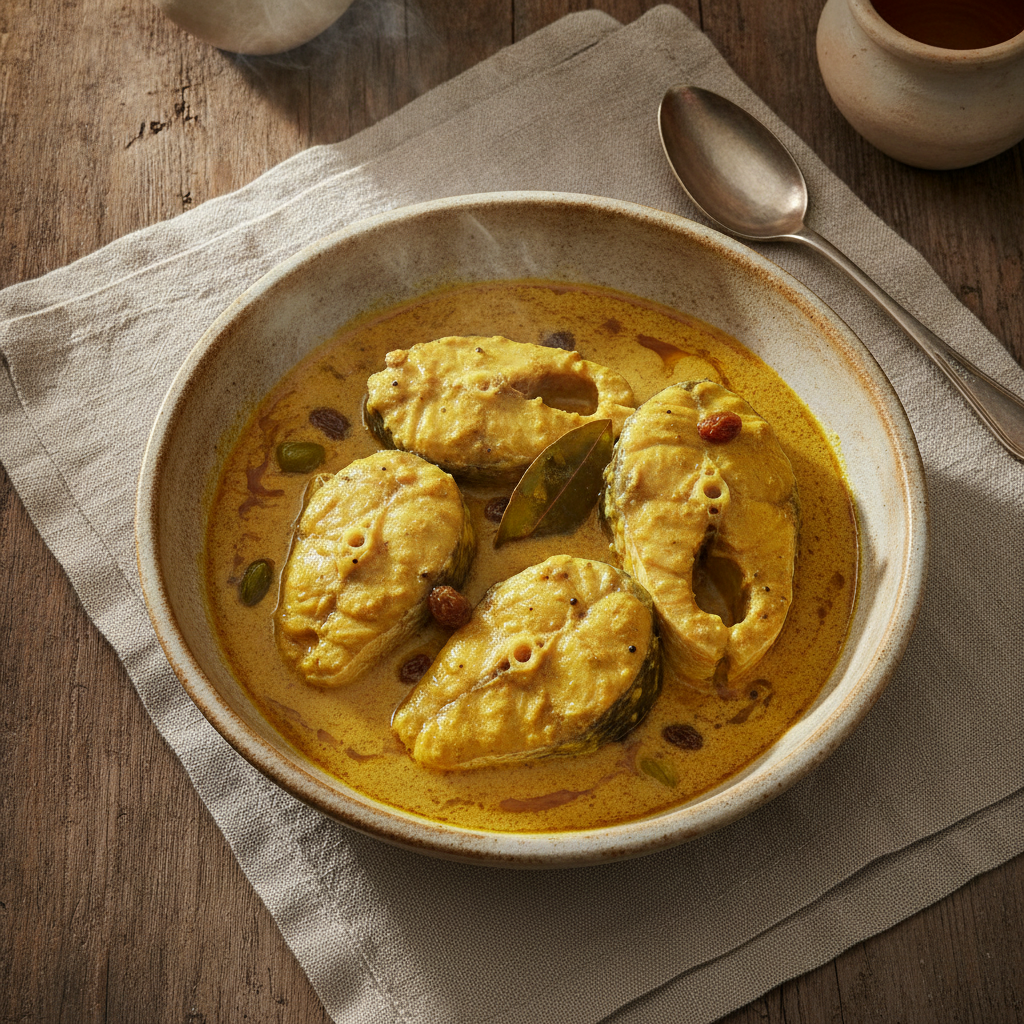
If your idea of Goan fish curry is fiery and red, let Caldine change your mind. This is Goa's gentler side — a golden, coconut-milk-based curry that has more in common with a refined Portuguese stew than a chilli-forward spice bomb. The heat is soft, almost imperceptible; what carries the dish is the interplay of creamy coconut milk, earthy turmeric, warming ginger and garlic paste, and kokum, an indigenous Goan souring fruit that grows along the Western Ghats coast. Kokum's tartness is unlike anything tamarind or lime can offer — slightly floral, gently acidic, and uniquely Goan. Caldine is proof that restraint creates complexity. Fewer chillies let the coconut's natural sweetness and the fish's oceanic flavor come forward. That glowing golden broth, ladled over Goan red parboiled rice, is one of the most satisfying plates the coastal kitchen has produced. The dish is naturally dairy-free and pescatarian — a welcome choice for mixed-diet tables.

50 min 4
Read
Kheer: Classic North Indian Rice Pudding with Saffron and Cardamom
indianeasy

Kheer: Classic North Indian Rice Pudding with Saffron and Cardamom

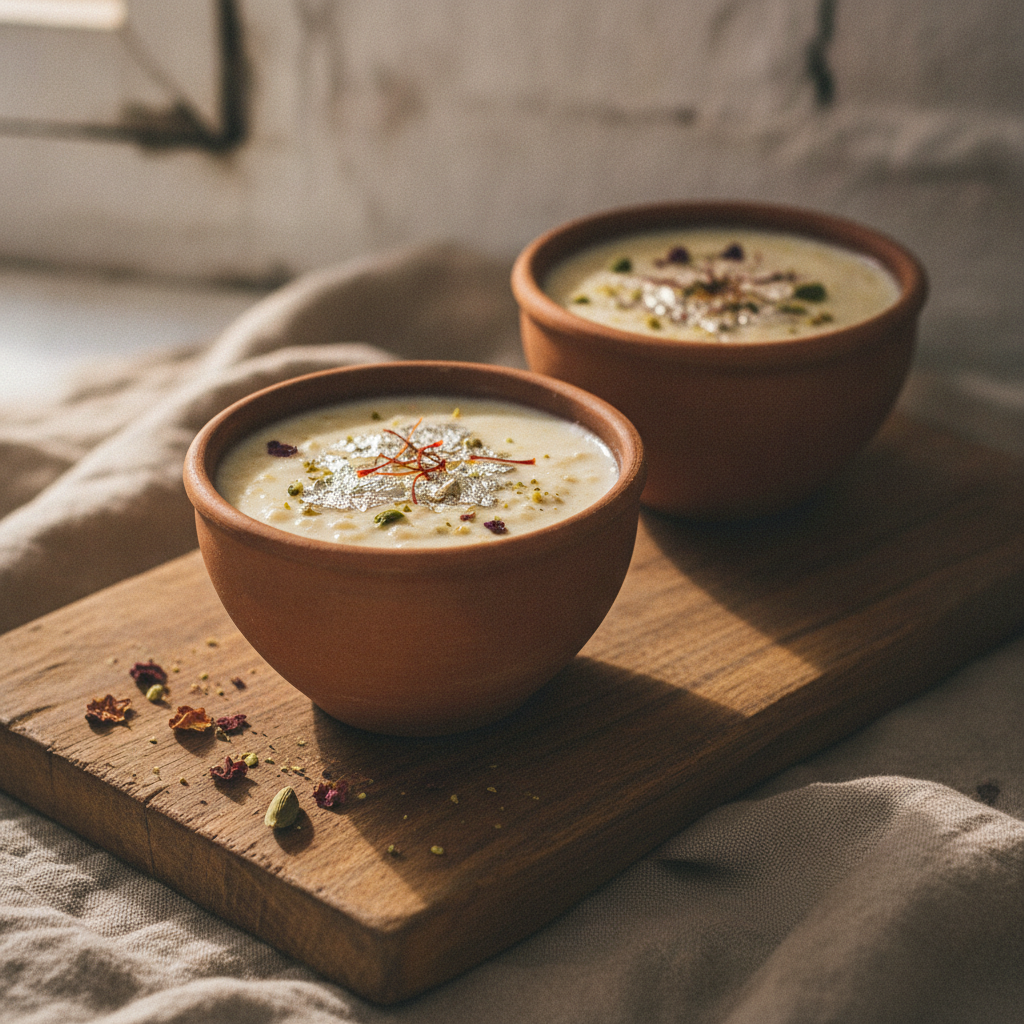
Kheer is one of India's oldest and most beloved sweet preparations — a slow-reduced rice pudding fragrant with saffron and cardamom that has been served at weddings, festivals, and religious ceremonies for at least two millennia. The word derives from the Sanskrit ksheer, meaning milk, and milk is the true subject of this dish. A small handful of soaked basmati rice — barely three tablespoons for a full liter — goes into gently simmering whole milk, and then you wait. You stir. You watch the white slowly deepen to gold as the milk concentrates and the sugars at the edges of the pan caramelize almost imperceptibly. Saffron, bloomed in warm milk for ten minutes, deepens that color further. Cardamom gives it fragrance. Rose water, added off the heat at the very last moment, delivers the perfume that defines North Indian festive desserts. There are no shortcuts here worth taking. The patience required is not the price of kheer; it is the method. And the result — a silky, delicately spiced pudding that thickens further as it cools — is unlike anything that can be produced in less time.

85 min 6
Read
Misal Pav: Maharashtra's Fiery Sprouted Lentil Curry with Crunchy Farsan
indianmedium

Misal Pav: Maharashtra's Fiery Sprouted Lentil Curry with Crunchy Farsan

Misal pav is street food royalty in Maharashtra — a breakfast that demands planning, rewards patience, and then delivers heat that lingers long after the last bite. Every stall and home has its own ratio, its own spice blend, its own opinion on how oily the kat should be. What they share: sprouted moth beans cooked into a thick usal, flooded with a thin, fiery gravy called kat, crowned with farsan for crunch, and served alongside soft, butter-toasted pav. The combination is messy, spicy, and completely unlike anything else. The dish rose to international notice when the Kolhapuri version won the FoodieHub World's Tastiest Vegetarian Dish award in London in 2015. Aaswad in Dadar, Mumbai, and Katakirr in Pune have been serving it to lines around the block for decades. This recipe leans Kolhapuri: deep red from Kashmiri chilis, richly oiled, and properly sour from tamarind. One non-negotiable truth before you begin: the sprouting takes 1–2 days. Start the beans two nights before you want to eat. The usal can be made a day ahead; the kat as well. Assembly takes five minutes and must happen to order — farsan on top, added last, or the crunch is lost in 90 seconds.

75 min 4
Read
The Real Rogan Josh — Fennel, Dried Ginger, and Ratan Jot
indianhard

The Real Rogan Josh — Fennel, Dried Ginger, and Ratan Jot

This is not the rogan josh you've had in a British Indian restaurant. Not the version that arrives brick-red and swimming in tomato-cream sauce with a swirl of cream on top. That version — common across the UK, North America, and most restaurant menus worldwide — is a Punjabi-inflected interpretation that bears only a passing resemblance to the dish that comes from the Kashmir Valley. This is the Kashmiri Pandit version of Rogan Josh: mutton braised in smoking mustard oil, colored with ratan jot (alkanet root) and Kashmiri red chili rather than tomato, thickened by slowly added whisked yogurt, and seasoned with the spice combination that makes Kashmiri cooking utterly distinct — generous fennel and dried ginger powder (sonth), not onion, not garlic. Hing (asafoetida) carries the allium pungency in their place. 'Rogan' comes from the Persian word for fat or clarified oil; 'josh' means intense heat or passion. In practice, it means meat cooked with intensity in fragrant fat. The Persian-Mughal rulers who brought this technique to Kashmir found the valley's cold mountain climate called for warming spices — the fennel-ginger combination is precisely calibrated to warm without being aggressive. Serve with plain steamed rice, and resist the temptation to add cream. The restraint is the point.

120 min 4
Read
Jalebi — Crispy Fermented Batter Spirals in Saffron Syrup
indianmedium

Jalebi — Crispy Fermented Batter Spirals in Saffron Syrup

In Chandni Chowk, Old Delhi oldest market quarter, jalebi shops have been frying before dawn since the 19th century. The sweet is at once a street snack, a festival staple, and a breakfast food — in Punjab and Uttar Pradesh, jalebi dunked into warm whole milk (jalebi-doodh) is a winter morning ritual as ingrained as chai. The name traces back to the Arabic zalabiya, carried into the subcontinent through medieval Islamic trade routes, but the sweet has been so thoroughly absorbed into Indian food culture that it now feels quintessentially desi. Variants appear across the Middle East and North Africa — zalabia in Egypt, zulbia in Iran — but the Indian version, with its overnight-fermented batter and saffron-laced syrup, is a distinct thing. The technique is more demanding than it looks. The batter needs an overnight rest — not because the recipe is written that way, but because fermentation is where the characteristic sour tang comes from. The oil temperature needs to sit between 160 to 170 degrees C; outside that range the jalebi either burns or soaks up oil. The syrup must be warm when the jalebi go in, and the soak lasts 20 to 30 seconds. After that, you eat them. They are at their best for about half an hour.

50 min 6
Read
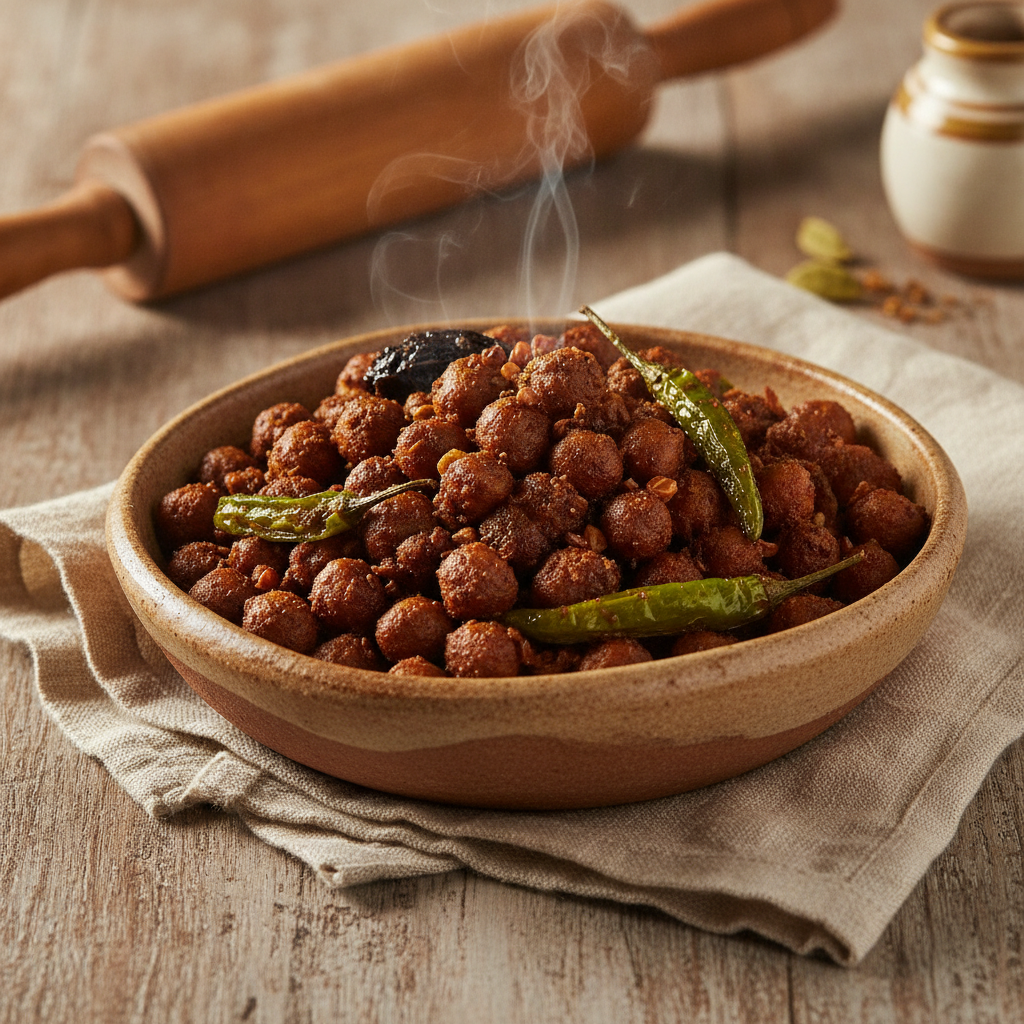
Chicken 65 — Chennai's Legendary Deep-Fried Spiced Chicken Appetizer
indianmedium

Chicken 65 — Chennai's Legendary Deep-Fried Spiced Chicken Appetizer

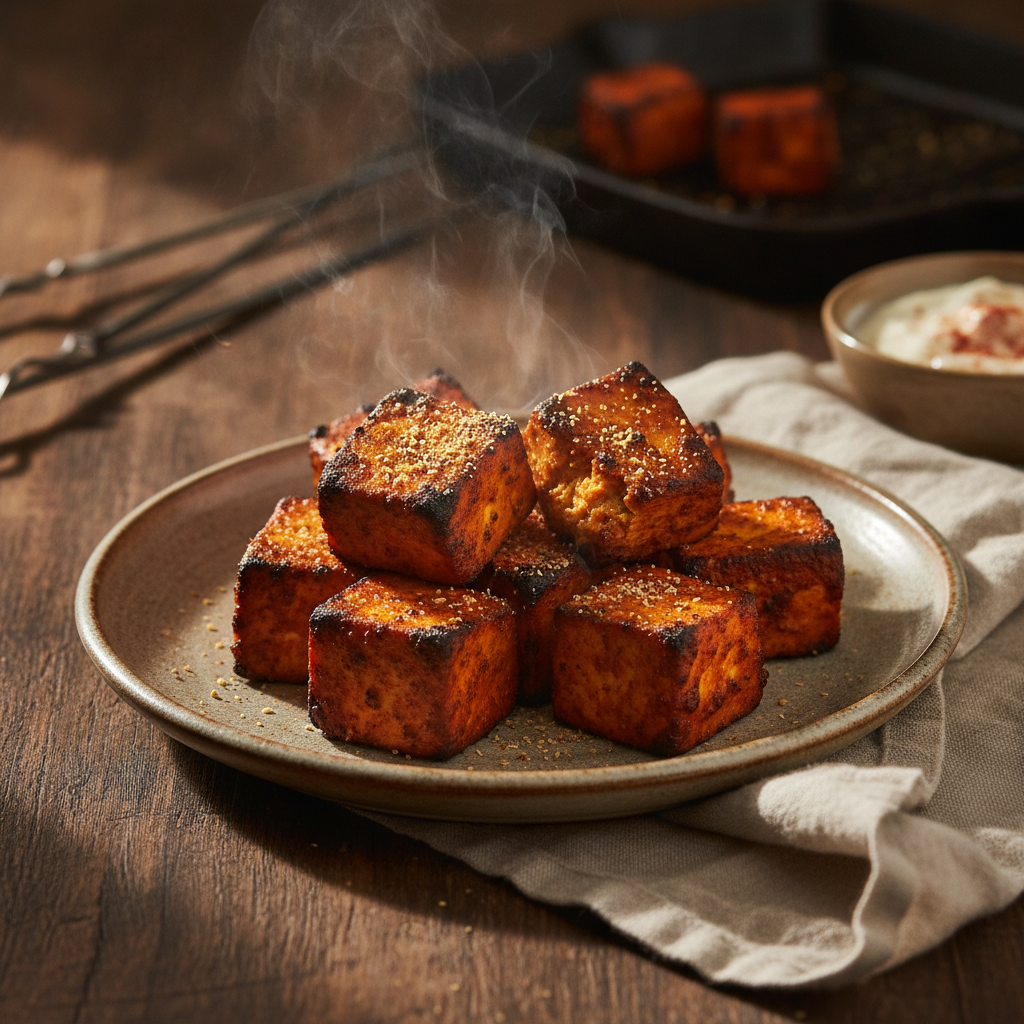
Invented at Hotel Buhari in Chennai in 1965 — and named for the year — Chicken 65 is India's most beloved fried chicken appetizer: double-fried to a crackly red-orange shell, then tossed through a hot-oil bloom of mustard seeds and fresh curry leaves. That final tempering step is what most simplified recipes leave out, and exactly what makes this dish Chicken 65 rather than plain fried chicken.

45 min 4
Read

06 / FAQ · The cook's questions

About indian.

Is 'curry powder' a real thing in Indian cooking?

Not really. It's a British colonial-era mix invented to approximate Indian flavors with a single jar. Indian cooks build flavor with combinations of whole and ground spices tailored to each dish — garam masala is a real spice blend, but it's added at the end as a finisher, not as a base.

Why does my dal taste flat?

Almost always because you skipped the tarka. Bloom cumin seeds and dried red chili in ghee until they sputter, then pour the lot over the cooked dal right before serving. The transformation is instant.

Do I need a pressure cooker for Indian cooking?

Not strictly, but dal, biryani, and many curries cook in a fraction of the time. An Instant Pot is the easy modern answer. If you cook Indian food more than twice a month, get one.

Souschef · Indian · 2026