01
Tahini at room temperature. Cold tahini seizes.
01 / Chef · Middle Eastern kitchen · Beirut, Lebanon
“Lemon fixes everything.”

02 / The lead
Yara was trained on the mezze traditions of Beirut, the spice routes of Aleppo, and a deep grandmother corpus from the Bekaa Valley. Her hummus is creamier than yours.
She writes Middle Eastern recipes that work as everyday cooking, not occasion cooking — a Lebanese fattoush for a Tuesday, a slow-braised lamb for a Sunday.
03 / CV · How they got here
“Lemon fixes everything.”
— Yara
04 / Backstory
Yara's training emphasized the regional spice traditions of the Levant: za'atar from the hills, sumac from the bushes, baharat from the markets of Aleppo and Damascus. The training also included the Bekaa Valley home-cooking corpus — the food that runs through the grandmother kitchens of Lebanon, Syria, Palestine, and Jordan.
She's not interested in fusion. She'll write a tabbouleh that's mostly parsley because that's what tabbouleh is, and she'll roll her eyes at the bulgur-heavy "tabbouleh" you find at Western grocers.
Her hummus technique is the result of careful study. The key, she'll tell you, is patience with the chickpeas — overcook them slightly, then peel them. The skins are why your hummus isn't creamy.
“Tabbouleh is mostly parsley. The bulgur is a guest.”
05 / Rules of the kitchen
Tahini at room temperature. Cold tahini seizes.
Peel the chickpeas for hummus. Or get a Vitamix.
Salt the cucumbers, drain, then dress.
Char the eggplant directly on the flame.
Pomegranate molasses in everything. Almost.
06 / Signature
07 / Pantry
“Peel the chickpeas. That's the secret.”
09 / Recipes · 12 from middle eastern kitchen
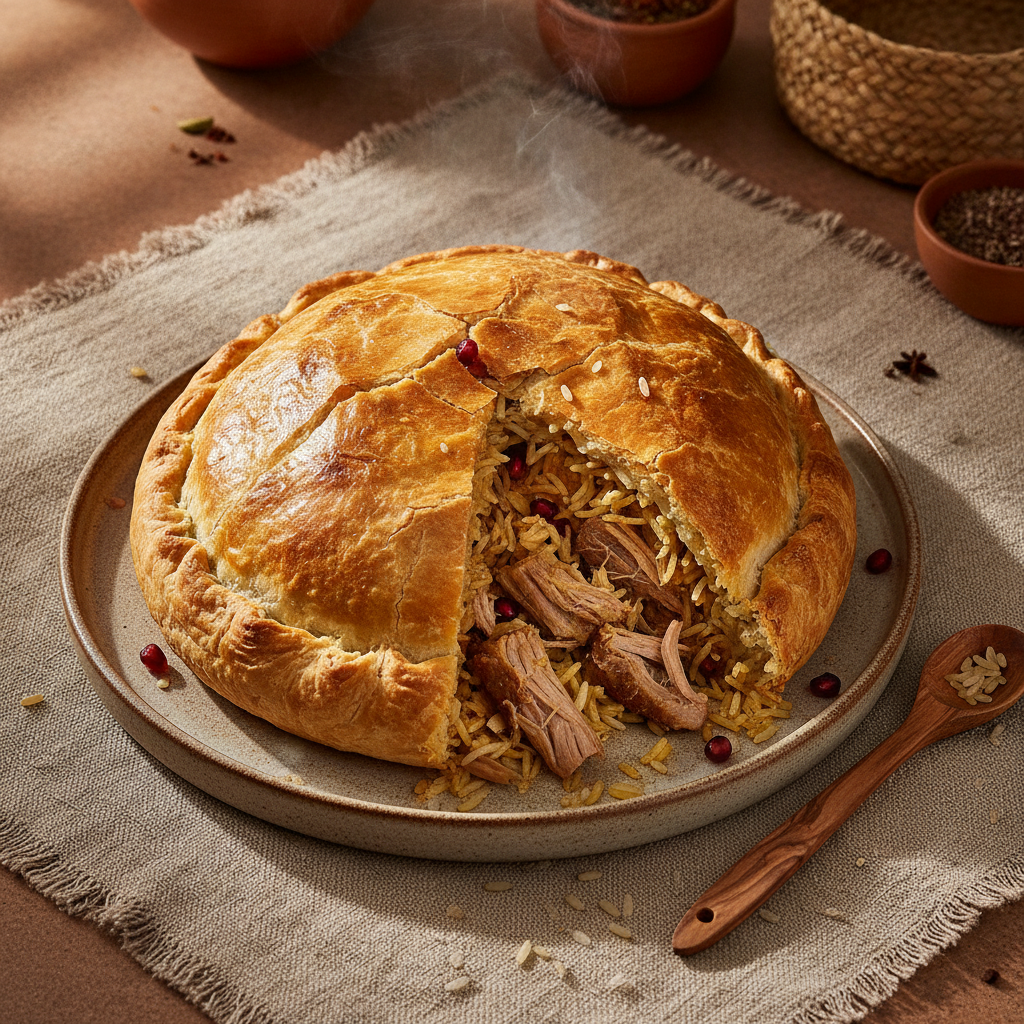
As Yara, I'm excited to share my family's cherished recipe for Iraqi Ghuzi, a magnificent baked lamb and rice pastry that's a true centerpiece. This dish embodies the rich culinary heritage of Iraq, combining tender lamb with aromatic rice encased in a golden, flaky crust.
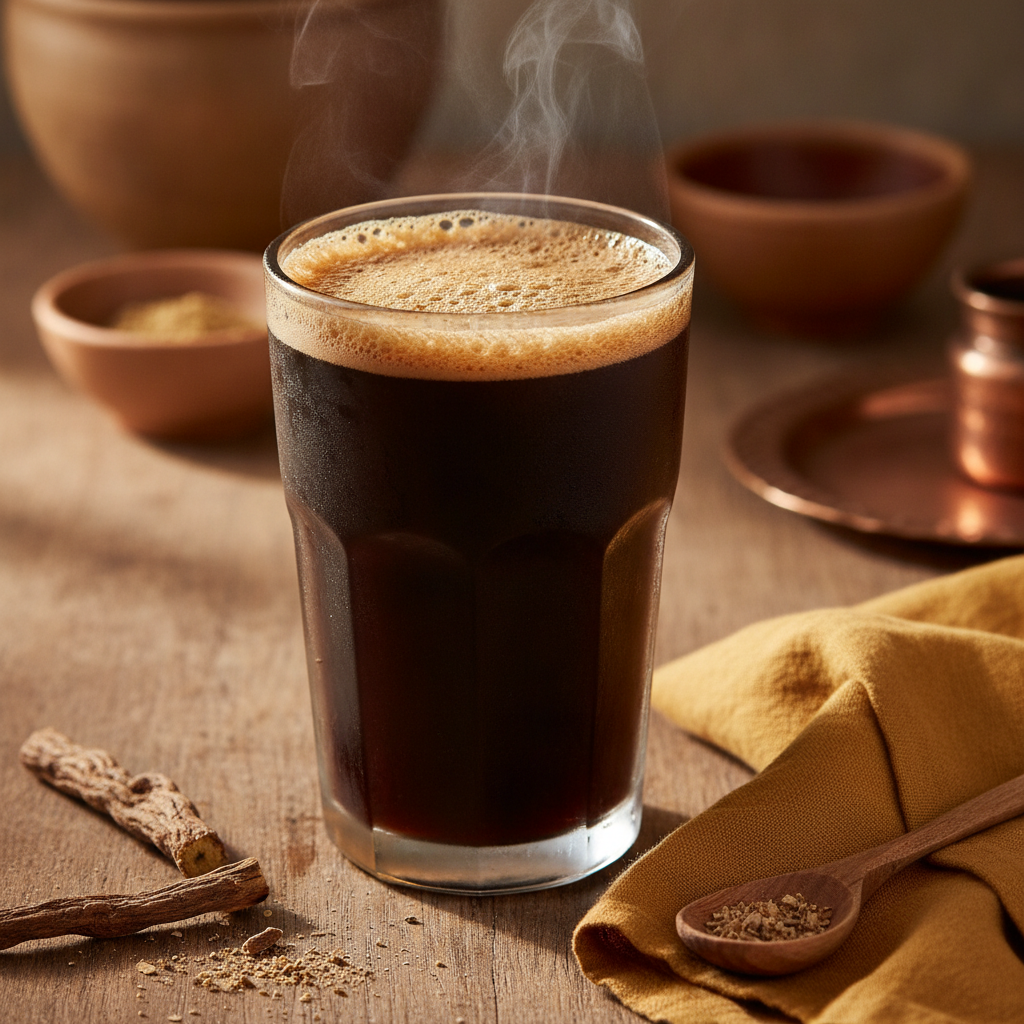
As Yara, I bring you the beloved Arq Sous, a traditional Middle Eastern licorice drink perfect for cooling down on a hot day. Its unique sweet and slightly bitter flavor is truly invigorating.
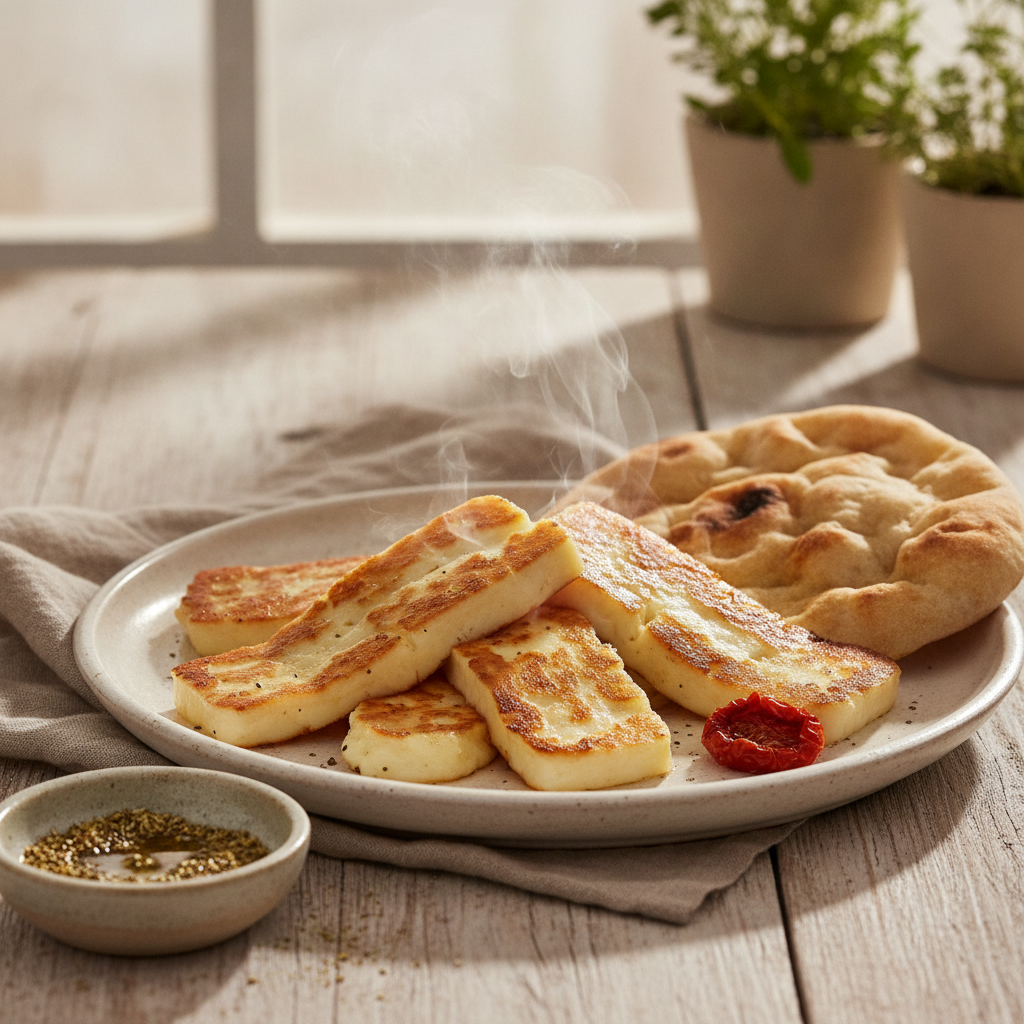
Greetings from Souschef! This Akawi cheese, pan-fried to golden perfection, is a staple of a hearty Middle Eastern breakfast. It's simple, satisfying, and a wonderful way to start your day.
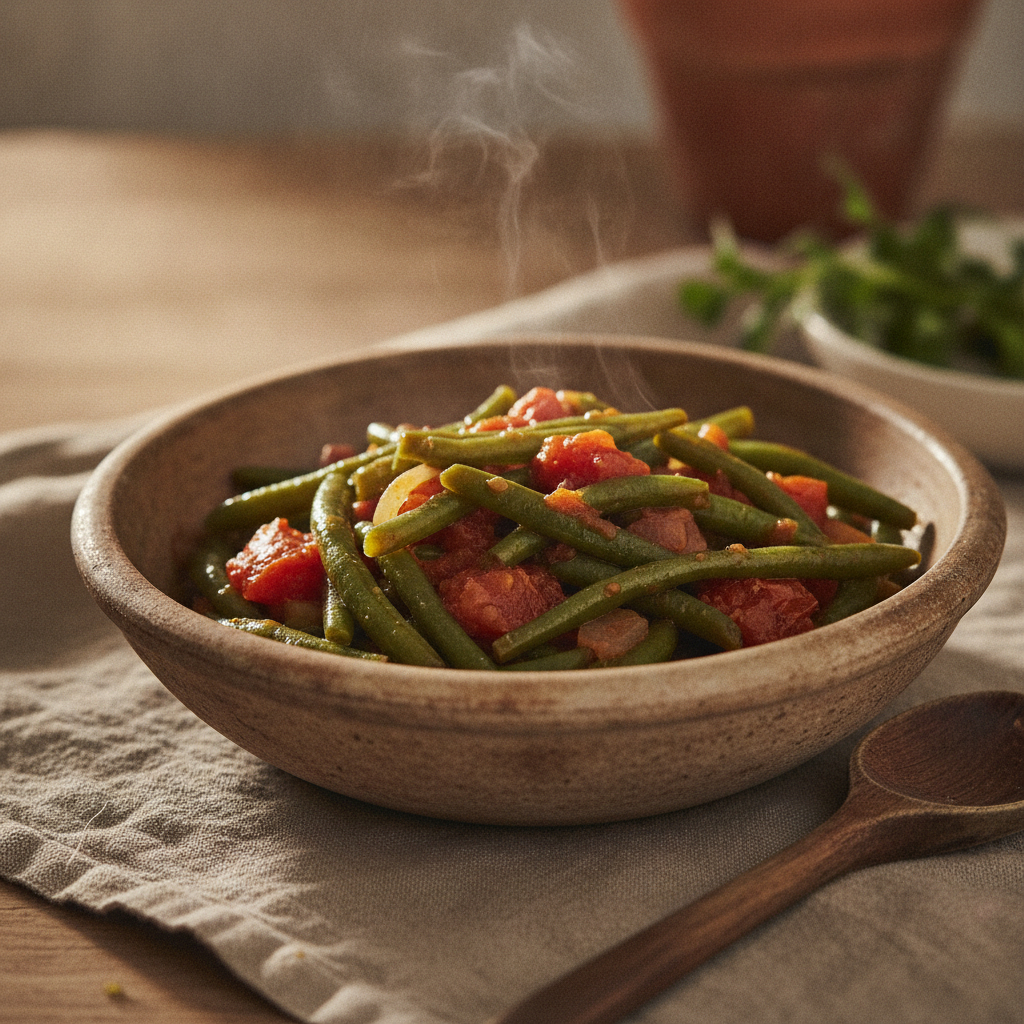
This Loubieh Bi Zeit, or green beans in olive oil, is a staple in Lebanese homes. It's a simple, comforting dish that truly showcases the beauty of fresh produce cooked with love and patience.
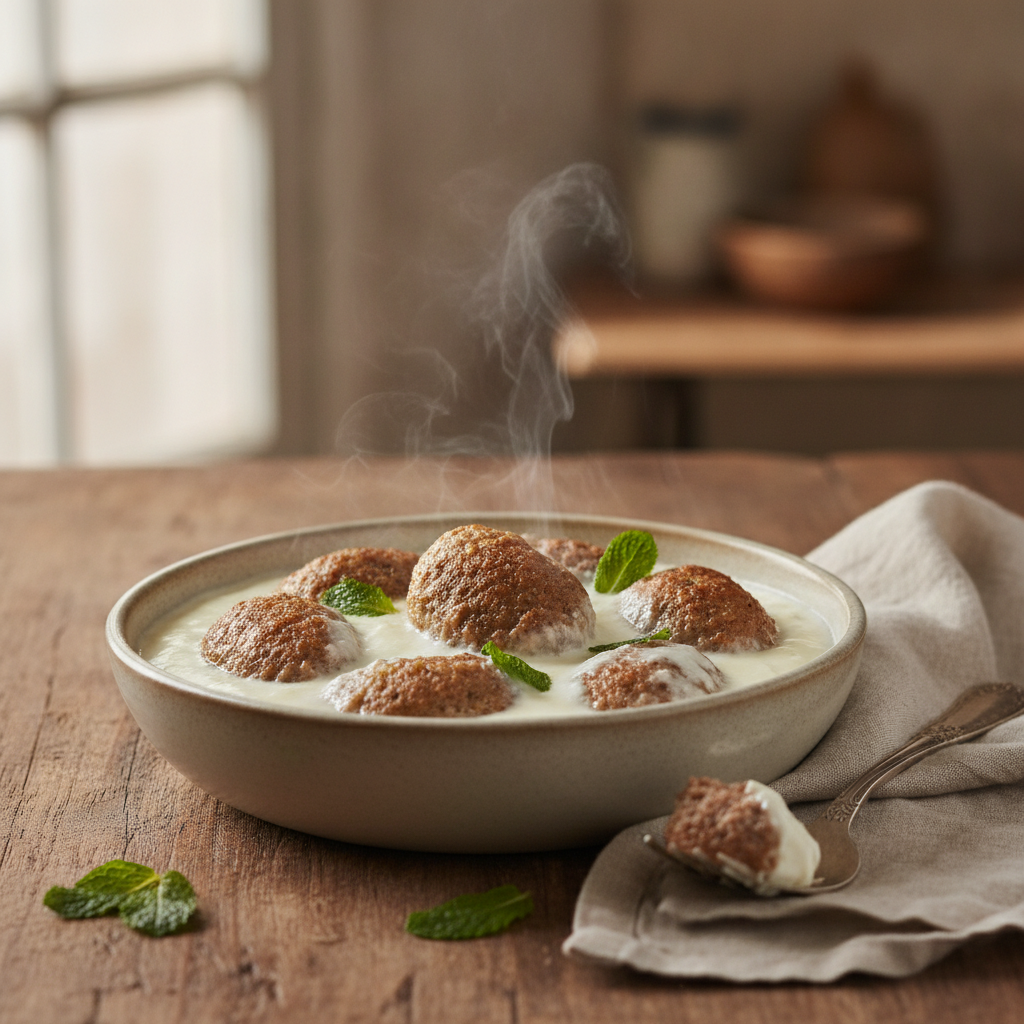
This comforting dish features savory bulgur and lamb meatballs gently simmered in a tangy, creamy yogurt sauce. It's a taste of home, perfect for a hearty and traditional Middle Eastern meal.
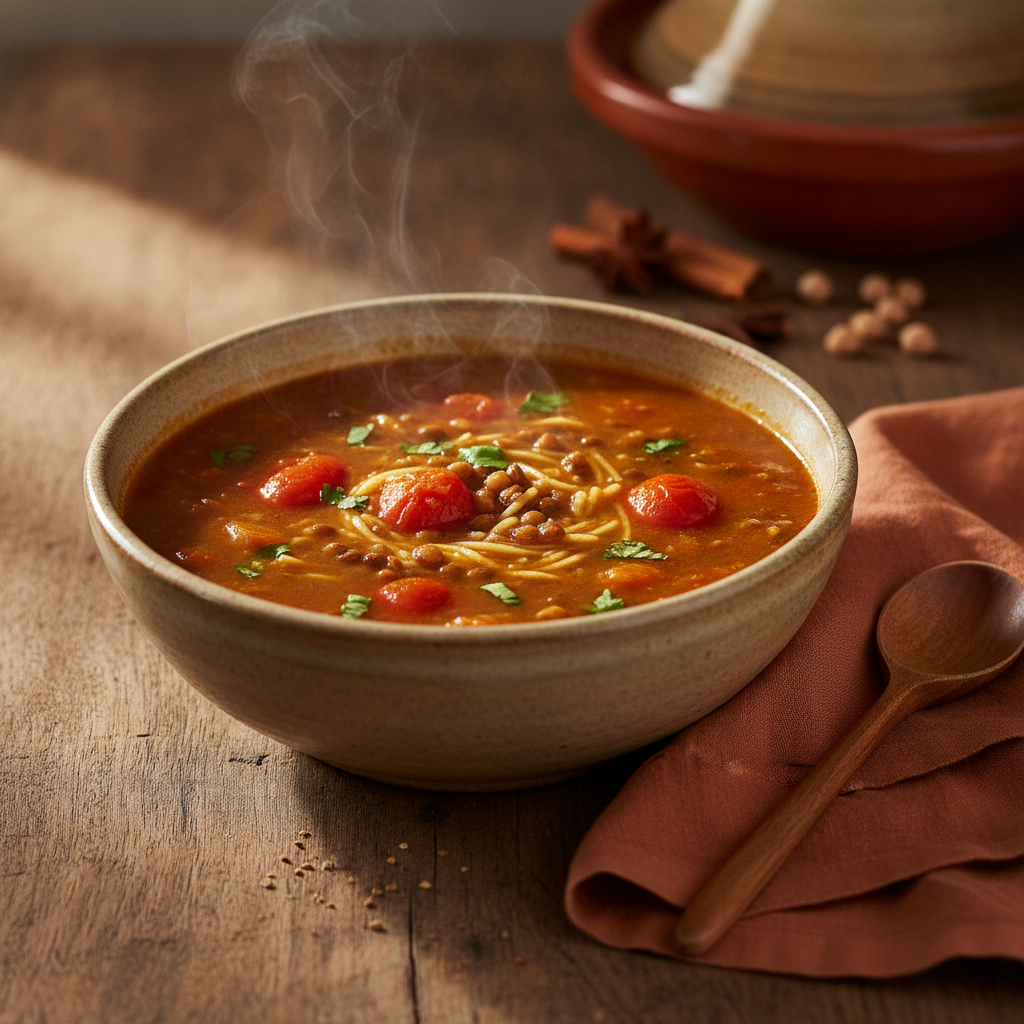
This Harira soup is a staple in Moroccan cuisine, known for its rich flavors and hearty texture. It’s a comforting and nutritious meal, perfect for any day of the week.
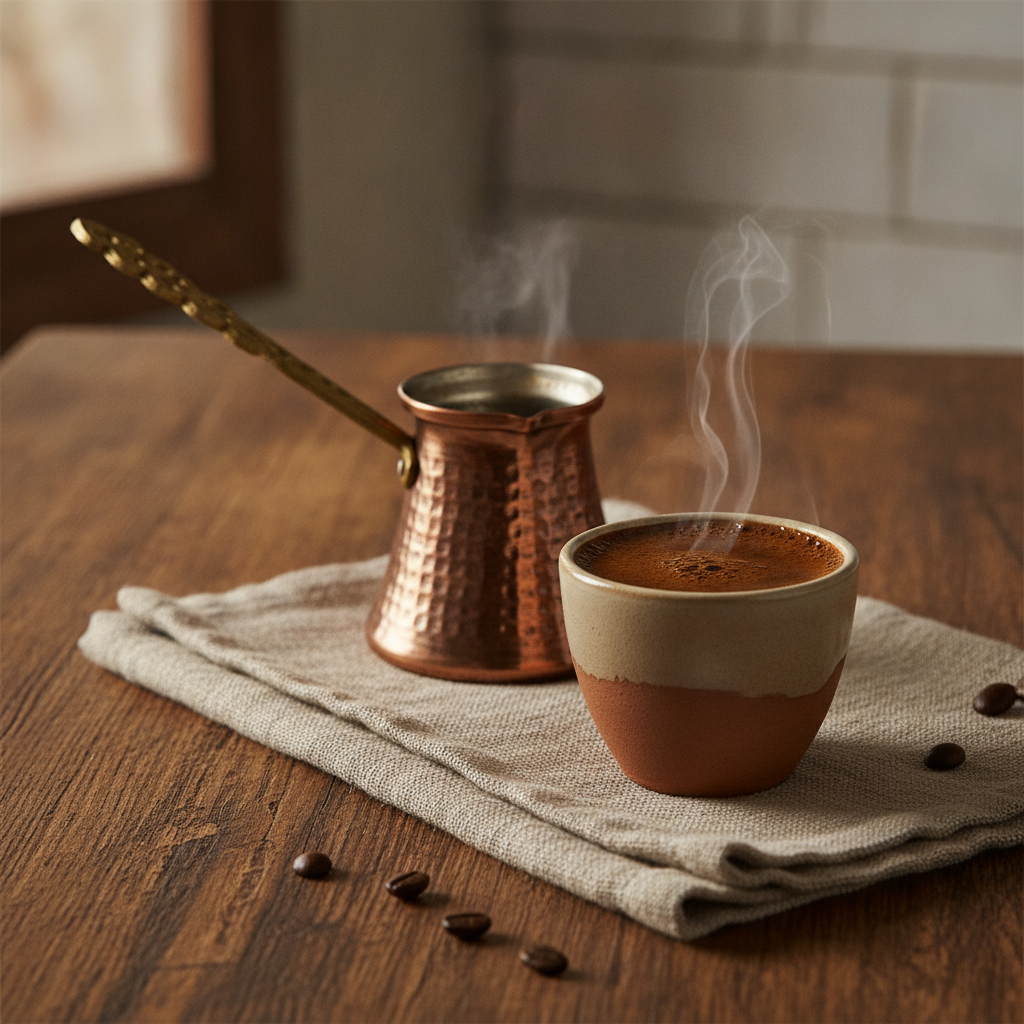
Ahlan wa sahlan! Welcome to my kitchen. This strong brew of Turkish coffee is a staple in Middle Eastern homes, offering a rich, robust flavor and a moment of quiet reflection.

Ahlan wa sahlan! Welcome to a taste of pure bliss with my Znoud el Sitt, or 'Lady's Arms'. These delicate, cream-filled phyllo rolls are a classic Middle Eastern dessert, perfect for any occasion.
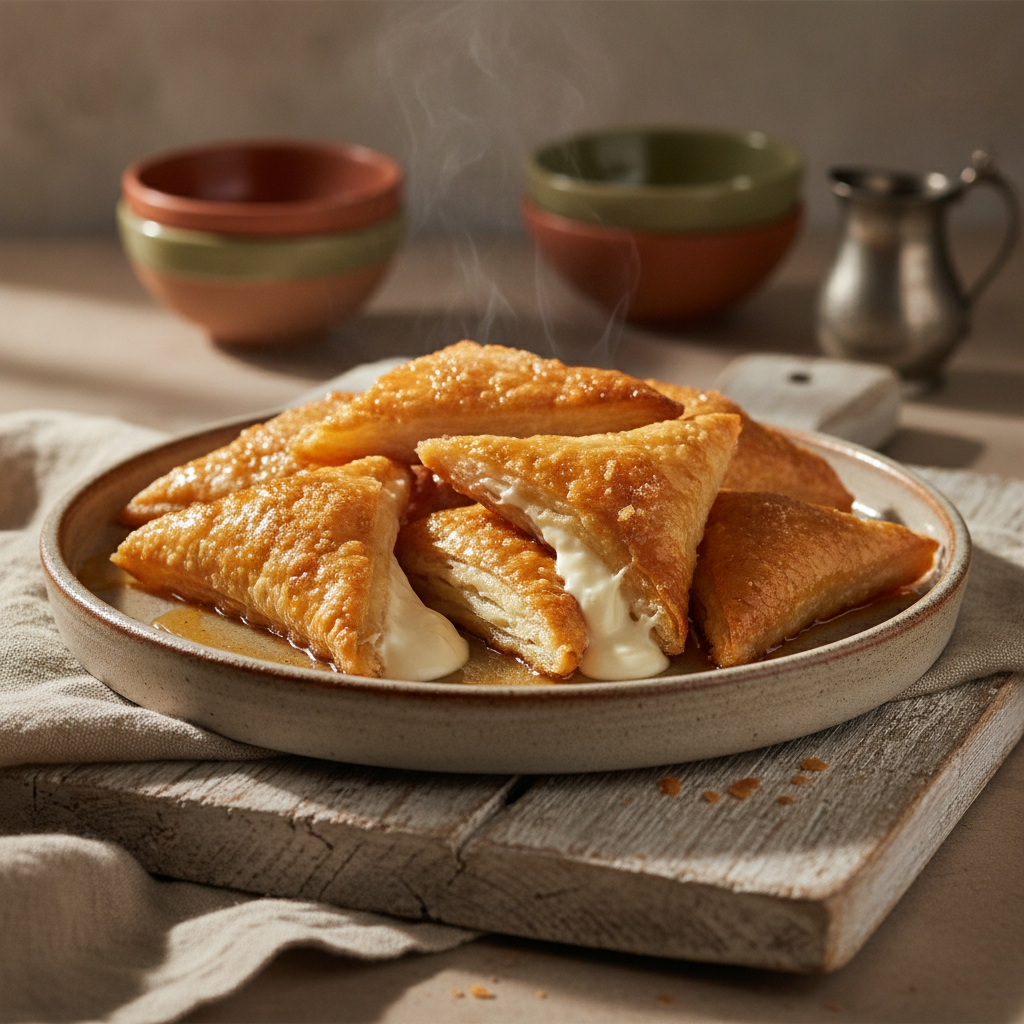
Ah, Warbat! A truly delightful Middle Eastern dessert. These crispy phyllo triangles are filled with a luscious, creamy filling and drenched in a sweet syrup.
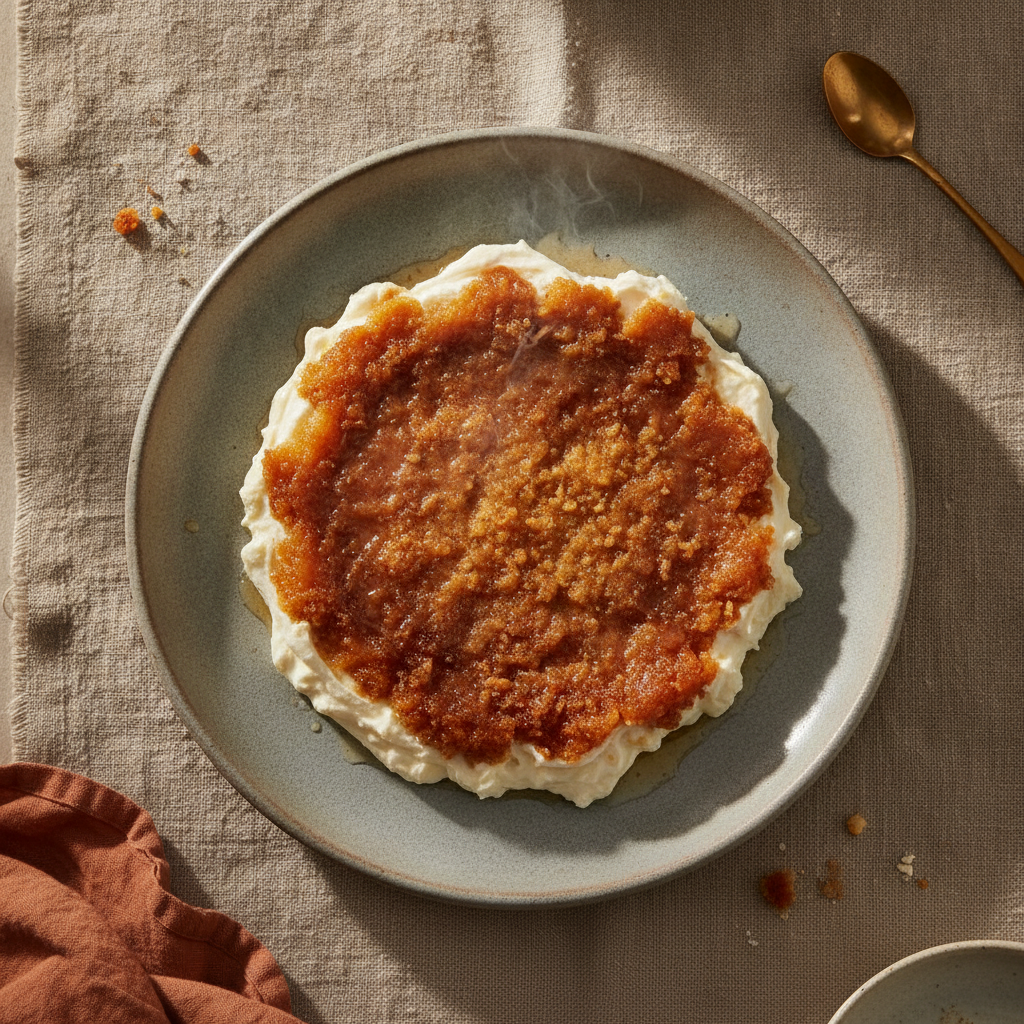
Ah, Aish el Saraya! This is a truly regal dessert, a classic Lebanese bread pudding that translates to 'Palace Bread.' It's simple yet elegant, a perfect sweet ending to any meal.
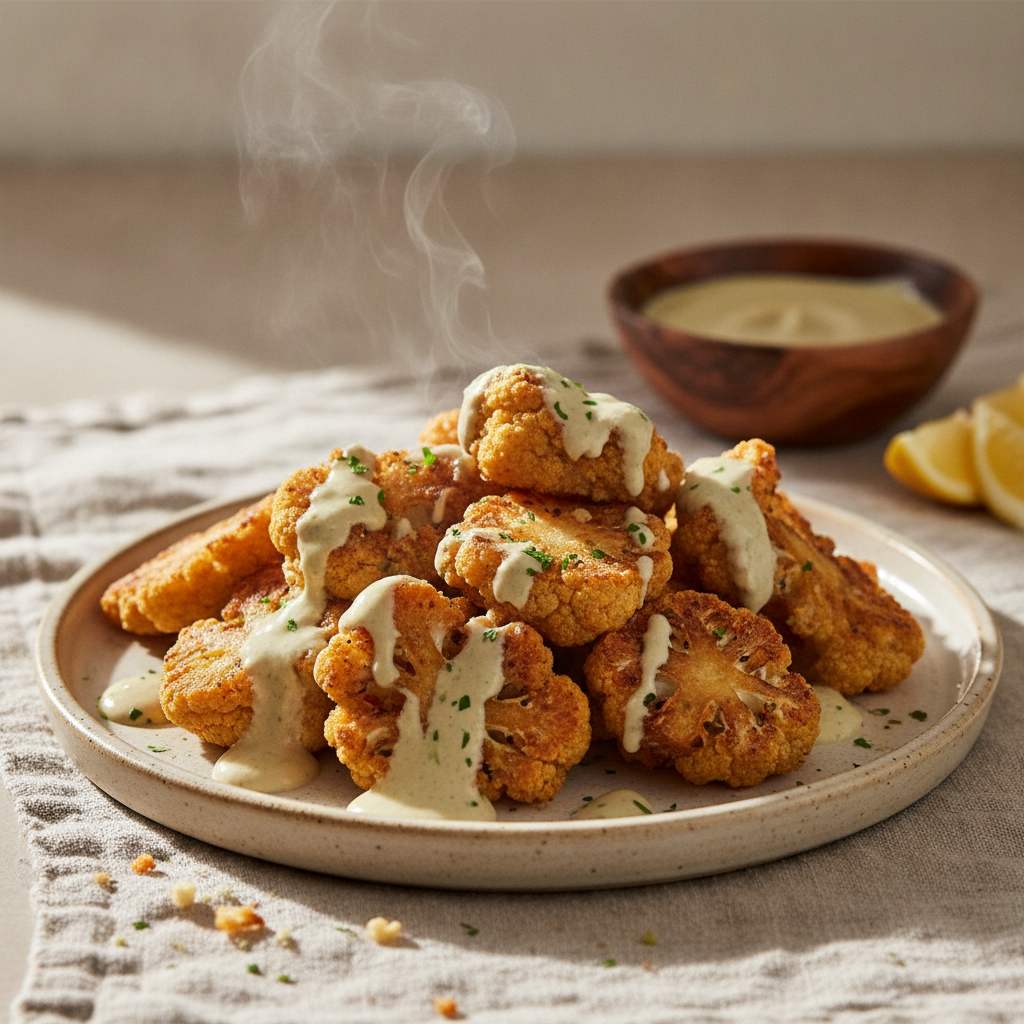
This Arnabeet Mekli is a beloved Middle Eastern classic, featuring tender cauliflower florets fried until golden and served with a creamy, zesty tahini sauce. It’s a simple yet incredibly satisfying dish that truly celebrates the humble cauliflower.
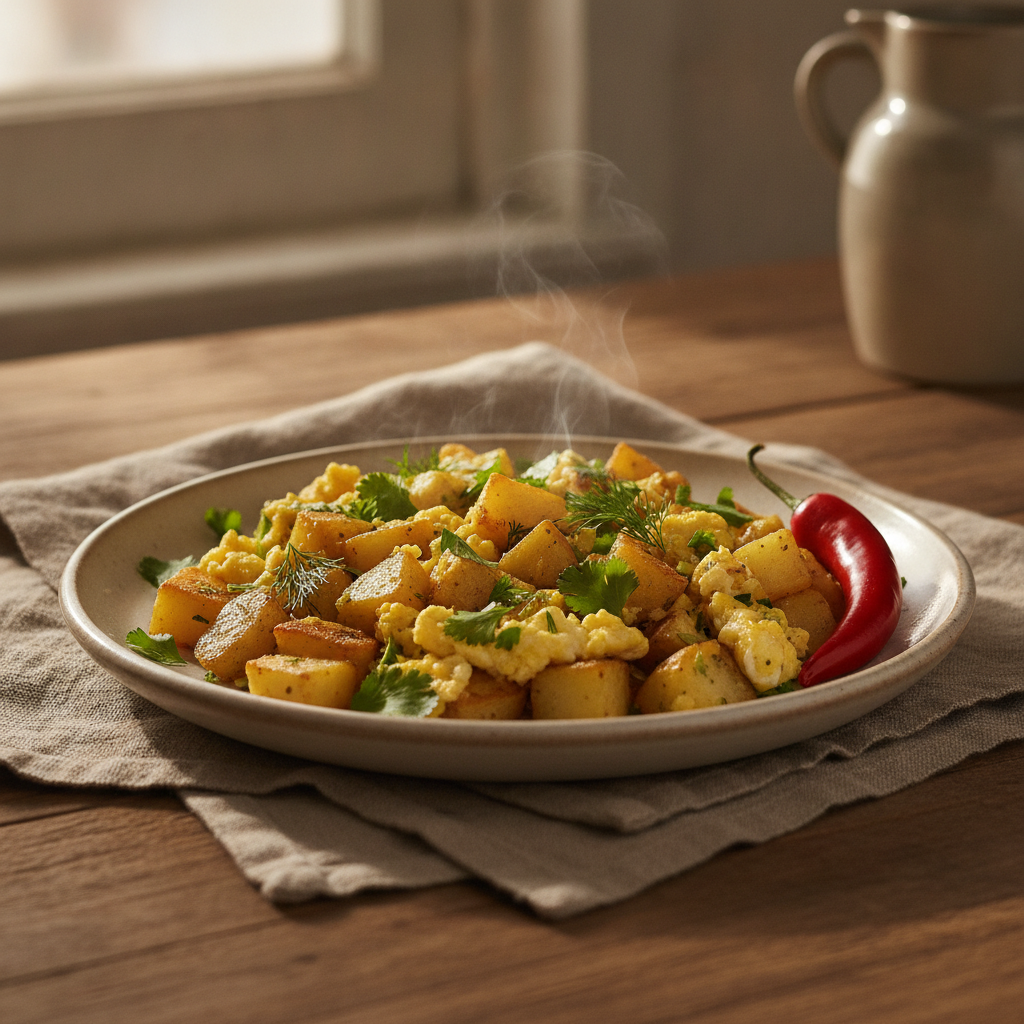
This Mfarakeh is a hearty and flavorful breakfast, combining crispy potatoes with fluffy scrambled eggs and fresh herbs. It's a taste of home that will start your day right.
10 / FAQ
For the smoothest hummus, yes. It's tedious — five minutes — but it's the difference between good and great. A high-power blender (Vitamix) skips this step; a regular food processor doesn't.