Souschef AI

Global Kitchen

AI

Spanish · dinner

Perdiz en Escabeche: Castilian Pickled Partridge with Wine Vinegar

#spanish#castilian#la-mancha#game#partridge

120m

Total time

4

Servings

kcal

medium

Difficulty

Jul 13, 2026

INGREDIENTS.

4
Protein
  • 2 whole red-legged partridges (perdiz roja), cleaned
Pantry
  • 1 cup extra-virgin olive oil, divided
  • 2 cup dry white wine
  • 1 cup white wine vinegar or sherry vinegar
  • 3 bay leaves
  • 1 teaspoon black peppercorns, whole
  • 1 teaspoons (plus more to taste) kosher salt
Produce
  • 2 medium yellow onion, sliced into thin rings
  • 2 medium carrots, sliced into coins (about 1/4 inch thick)
  • 8 garlic cloves, unpeeled
  • 4 fresh thyme sprigs

THE METHOD.

tap to check off

0/8 done

FAQ · Things people ask

About this recipe.

Where do I find partridge?

Specialty butchers, game meat suppliers, and online game bird retailers carry red-legged partridge in season (autumn through winter). Out of season, wood pigeon or poussin is the closest substitute in flavor and size. Quail works but cooks faster — reduce braising time to 45 minutes and watch carefully.
How long does perdiz en escabeche keep?

Covered and refrigerated, the escabeche keeps well for 4 to 5 days. The vinegar continues to preserve the meat. Historically this dish was kept for weeks at cool cellar temperature, but modern refrigerator storage is strongly recommended. The flavor peaks at 24 to 48 hours.

Should I use sherry vinegar or white wine vinegar?

Both are traditional. Sherry vinegar (vinagre de jerez) gives a richer, nuttier escabeche with a slight caramel depth — it is the choice of southern Castile and Extremadura. White wine vinegar produces a cleaner, brighter result. Do not substitute malt vinegar or balsamic; they will overpower the delicate partridge.

Can I use chicken instead of partridge?

Yes — bone-in, skin-on chicken thighs work very well and are widely available year-round. The technique is identical; reduce braising time to 45 to 55 minutes. The result is less gamey but equally delicious. A whole spatchcocked chicken also works; braise for 60 minutes.

Why do I serve it cold, not hot?

Escabeche is designed to be eaten at room temperature or cool. The pickling liquid congeals when cold (the oil solidifies); remove from the refrigerator 30 minutes before serving so the liquid liquefies into the silky, pourable dressing it's meant to be. Serving straight from the fridge mutes both flavor and texture.

Related · You might also cook

Keep going.

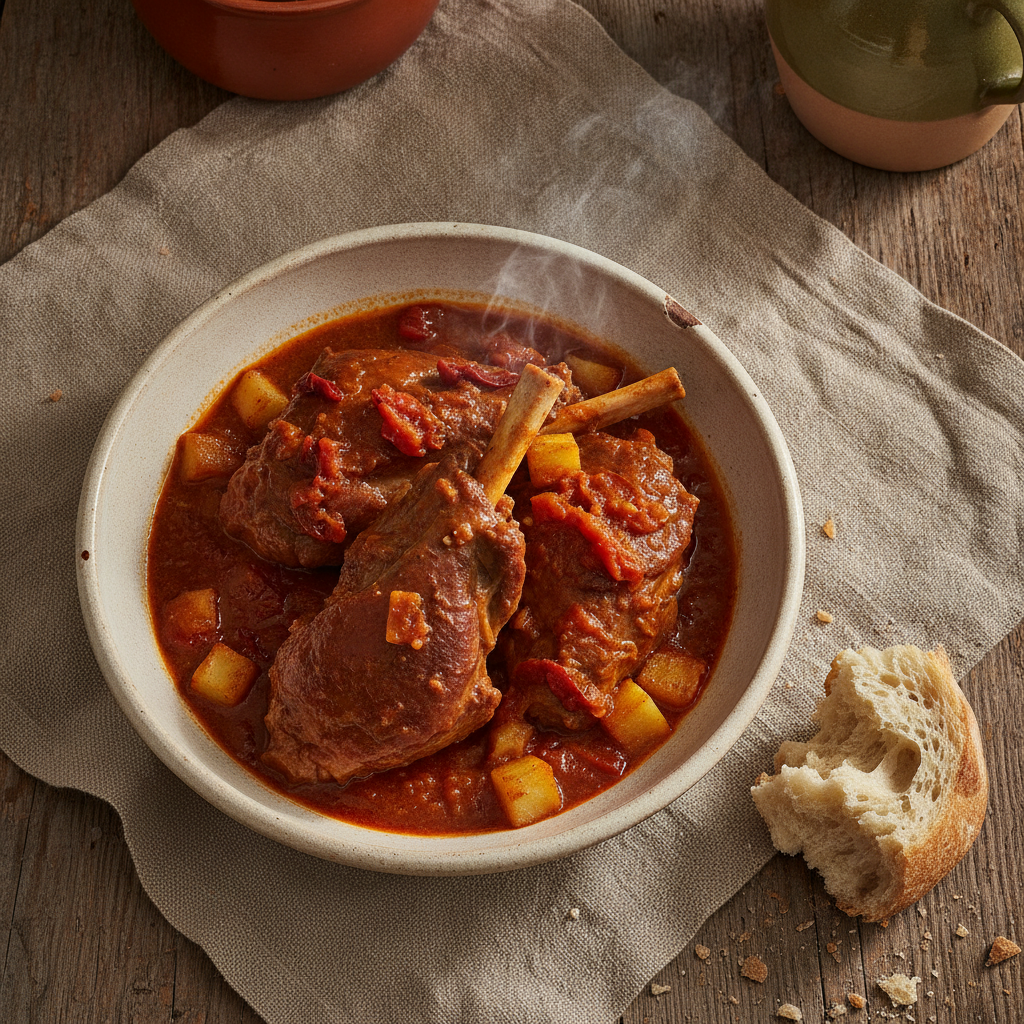
Cordero al Chilindrón — Aragonese Lamb Braised in Tomato and Pepper Sauce
spanishmedium

Cordero al Chilindrón — Aragonese Lamb Braised in Tomato and Pepper Sauce

Cordero al Chilindrón is the Sunday lamb of Aragon — a dish that couldn't exist before the 16th century, when peppers and tomatoes arrived from the Americas and transformed the mountain cooking of the Pyrenean foothills. Today it is Aragon's culinary calling card: bone-in lamb slow-braised in a sauce of choricero peppers, fresh red bell peppers, late-summer tomatoes, and sweet pimentón until the meat falls from the bone and the sauce coats everything like lacquer. Aragonese people feel about chilindrón the way Bolognese feel about their ragù: it belongs to them, it has regional rules, and shortcuts are noticed. The word 'chilindrón' may derive from 'chillón' (noisy) or from the pepper itself — the etymology is genuinely contested. What is certain is that the sauce defines a culinary triangle: Aragon, Navarra, and La Rioja all claim versions, though the Aragonese interpretation (with tomato) is the richest and most widely known. Navarrans make a 'fritada' without tomato — lighter and fresher. Both are legitimate expressions. What unites them is the choricero pepper, a large, mild, sweet dried pepper from the Ebro valley. Note: choricero peppers are not ñora peppers (those are smaller and smokier from Murcia); the distinction matters, and many readers will conflate the two. The dish originated as spring lamb cooking tied to seasonal celebrations in Pyrenean mountain villages — peasant-Sunday food at its most honest: few ingredients, long time, serious result. The traditional accompaniment is fried diced potatoes (patatas parmentier), not rice. Bread on the table is not optional; it exists to recover every last drop of sauce from the plate.

205 min 4
Read
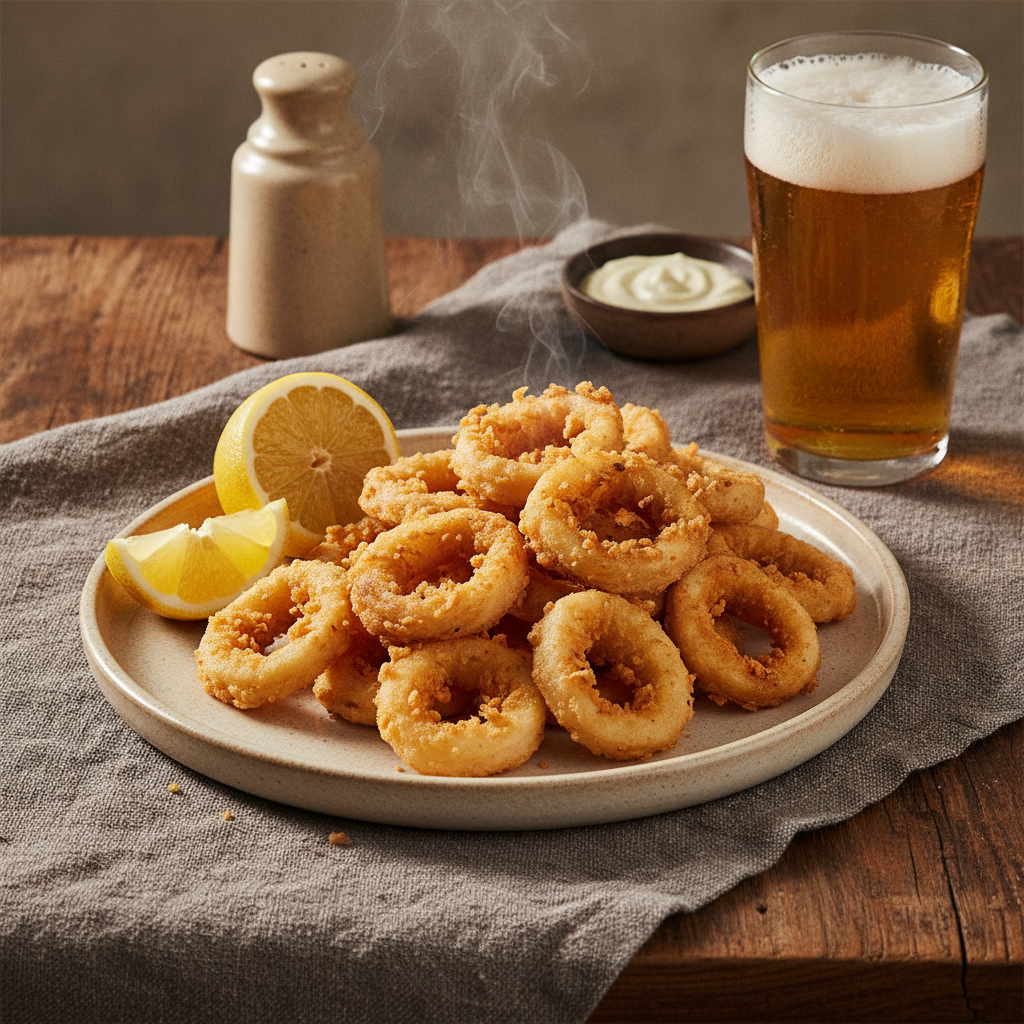
Calamares a la Romana: Madrid's Beloved Tapa, Done Right
spanisheasy

Calamares a la Romana: Madrid's Beloved Tapa, Done Right

Calamares a la romana is Spain's most iconic tapa — golden rings of squid in a shatteringly crisp batter, squeezed with lemon and eaten standing at a marble-topped bar with a cold beer. In Madrid, they pile the rings into a bocadillo bread roll and sell them as street food near the Plaza Mayor. You can replicate it at home with three rules: dry the squid obsessively, keep the batter cold, and keep the oil hot. The name may derive from a frying technique brought to Spain by Italian cooks in the 18th or 19th century, but the dish is thoroughly claimed by Spanish bar culture today — a table of calamares, beer, and lemon wedges is the platonic ideal of a tapas bar afternoon.

30 min 4
Read
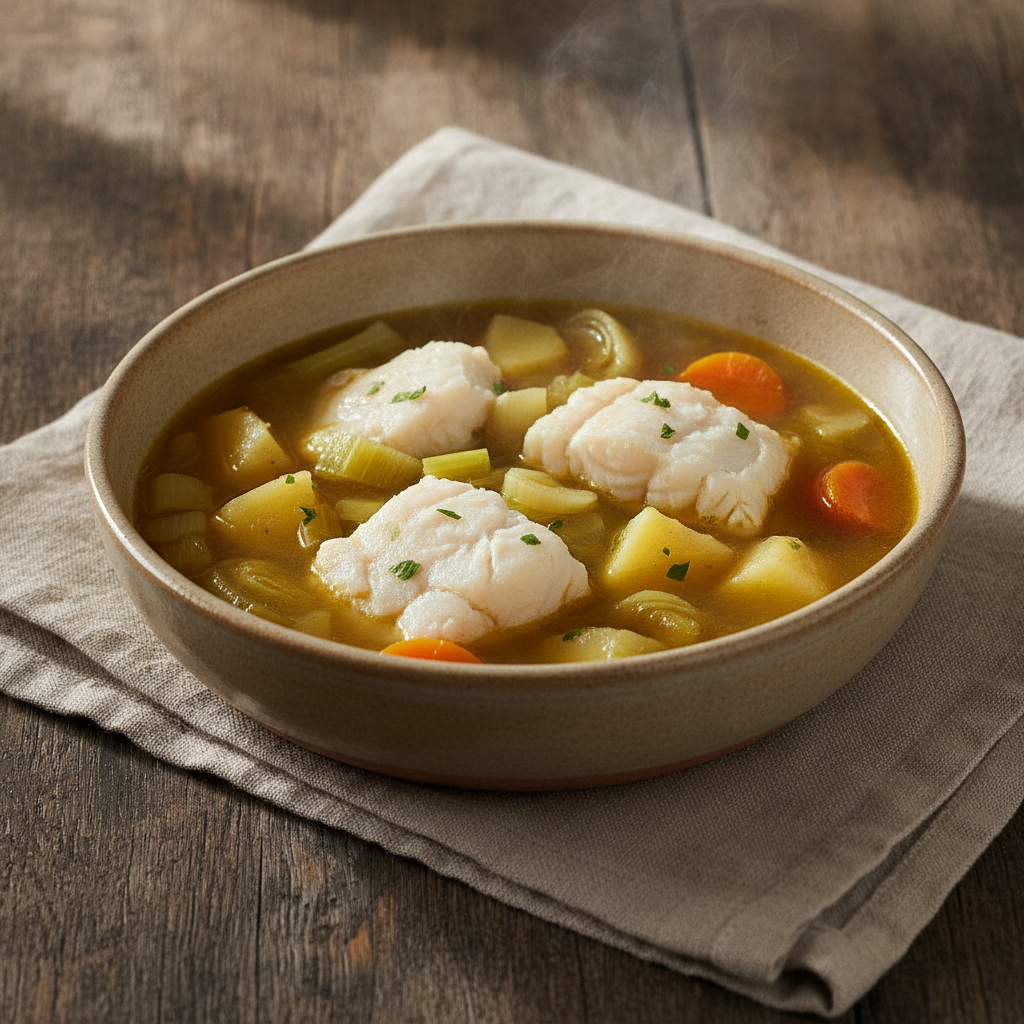
Porrusalda con Bacalao: Basque Lenten Leek Soup With Salt Cod
spanisheasy

Porrusalda con Bacalao: Basque Lenten Leek Soup With Salt Cod

Porrusalda is one of the Basque Country's most honest winter dishes: leeks and potatoes coaxed slowly into a nourishing, clean-tasting broth. The name says exactly what it is — 'porru' (leek) plus 'salda' (broth) in Euskera, the Basque language. Two canonical builds exist side by side. The plain version, with just leeks, potatoes, and carrots, is the everyday preparation and happens to be fully vegan. The bacalao version, with thick loin pieces of desalted salt cod laid in at the end, is the Lenten preparation — the dish Basque families made on Fridays throughout Cuaresma when meat was forbidden. Both share the same unhurried method: leeks sweated low and slow until genuinely sweet, potatoes broken rather than cut to release their starch into the broth, and a base liquid simple enough that neither ingredient has anywhere to hide. The cod version adds one more thing: bacalao's natural gelatin, which enriches the broth in a way fresh fish simply cannot replicate. There is no cream, no blending, no thickener. The dish tastes like what it is.

70 min 4
Read
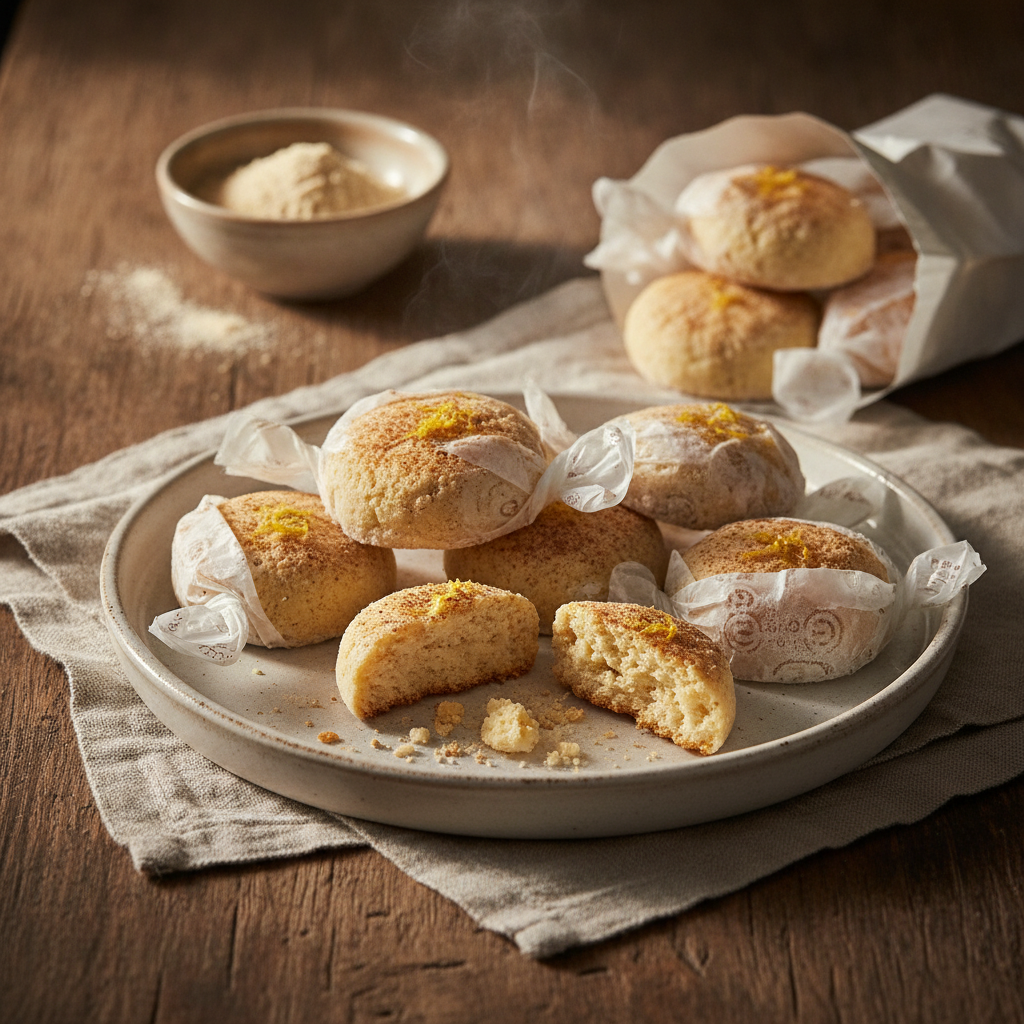
Mantecados: Spain's Crumbly Lard Shortbread for Christmas
spanisheasy

Mantecados: Spain's Crumbly Lard Shortbread for Christmas

Every December in Spain, the shops fill up with cellophane-wrapped tins of mantecados and polvorones — crumbly, pale, paper-wrapped confections that crumble at first bite and melt completely on the tongue. Mantecados come from Estepa, a small city in Sevilla province that has been producing them at scale since the 19th century and now holds a protected geographical indication (Indicación Geográfica Protegida) for the name. The recipe is ancient in origin: autumn pig slaughter left Andalusian households with abundant rendered lard, and mantecados were the natural way to use it before winter. Lard, toasted flour, sugar, cinnamon, and lemon zest. That's it. No butter, no eggs, no liquid — just fat and dry ingredients pressed together into something that somehow holds its shape in the oven and then crumbles beautifully in your mouth. The tissue paper each mantecado is individually wrapped in isn't decorative whimsy: it's functional, because you need it to catch the crumbs when you bite in. Along with polvorones, turrones, and mazapanes, mantecados are part of the sweet landscape of a Spanish Christmas — sold in paper-wrapped bites, often in mixed tin boxes given as gifts. Making them at home requires understanding one key technique: toasting the flour. Don't skip it.

40 min 24
Read