Can I use pancetta instead of guanciale?
Yes. Guanciale has a higher fat-to-meat ratio and renders creamier; pancetta is leaner and slightly saltier. The flavour difference is real but won't ruin the dish.
Italian · dinner
30m
Total time
2
Servings
620
kcal
medium
Difficulty
tap to check off
FAQ · Things people ask
Yes. Guanciale has a higher fat-to-meat ratio and renders creamier; pancetta is leaner and slightly saltier. The flavour difference is real but won't ruin the dish.
The pan is too hot. Pull it fully off the heat and wait 30–60 seconds before adding the egg mix. If in doubt, pour the pasta and guanciale into a cold bowl first.
Spaghetti or rigatoni are the two Roman standards. Rigatoni's ridges hold the sauce inside the tubes; spaghetti coats more evenly when tossed. Both are correct.
Pecorino Romano is sharper and saltier — it's what the dish is built on. A 50/50 mix with Parmigiano is perfectly fine and slightly milder. 100% Parmigiano changes the character significantly.
Related · You might also cook
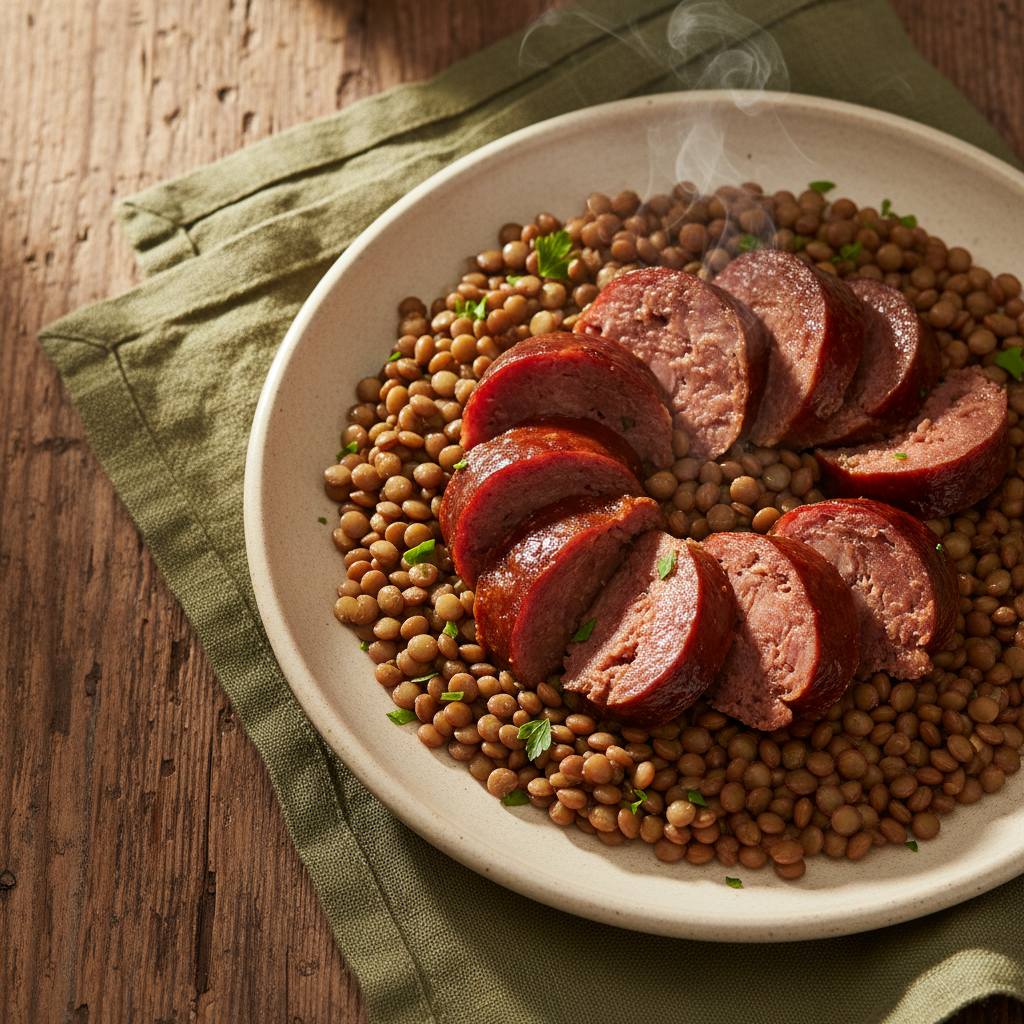
Cotechino takes its name from 'cotica' — pork rind — which is ground into the filling and slow-cooked until it melts into something silky and unctuous, unlike any other sausage. The Romans gave lentils as gifts on New Year's Eve because their coin shape was thought to bring wealth; Artusi was writing this combination into Italian cookbooks in 1891. It's a dish with weight behind it.
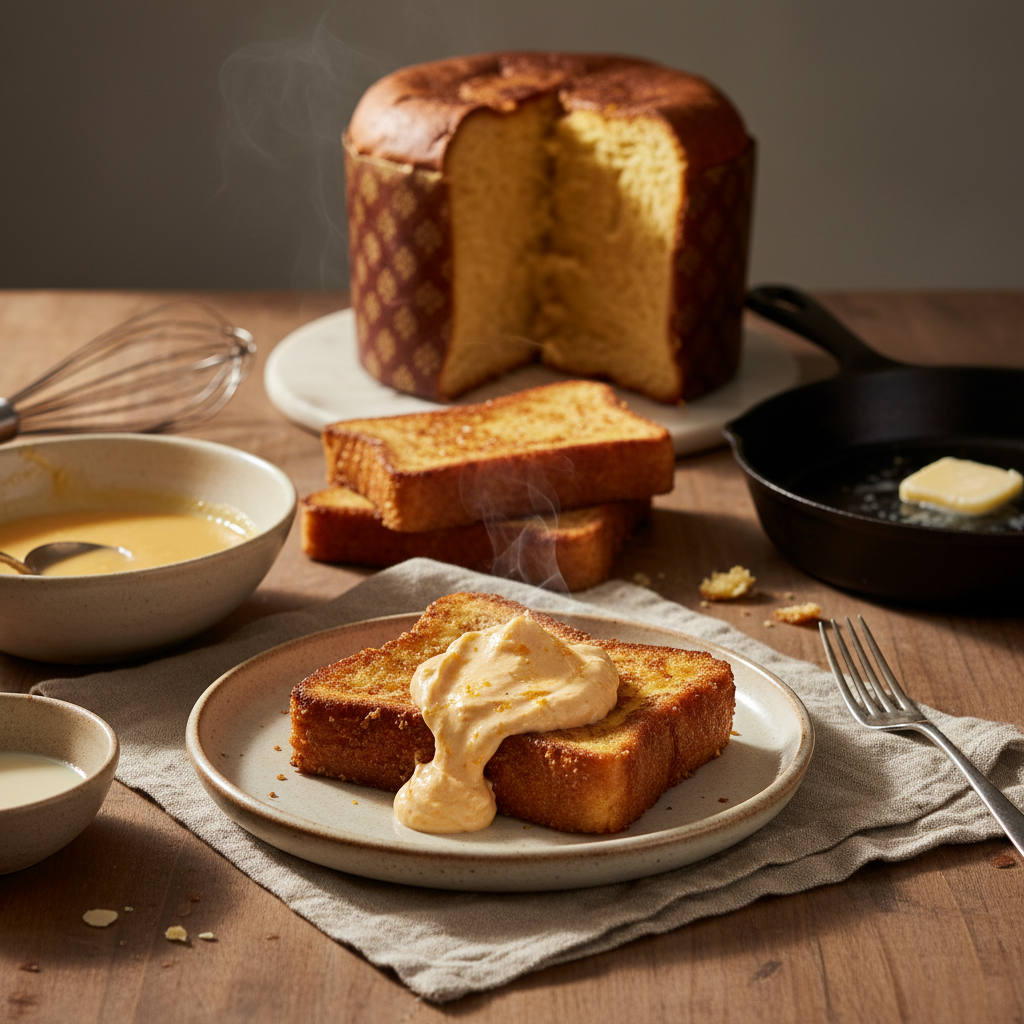
Boxing Day morning, half a panettone on the counter, no one wants to start cooking. Here's what you do: slice it thick, dip it in custard, fry it in butter. Done in 25 minutes.
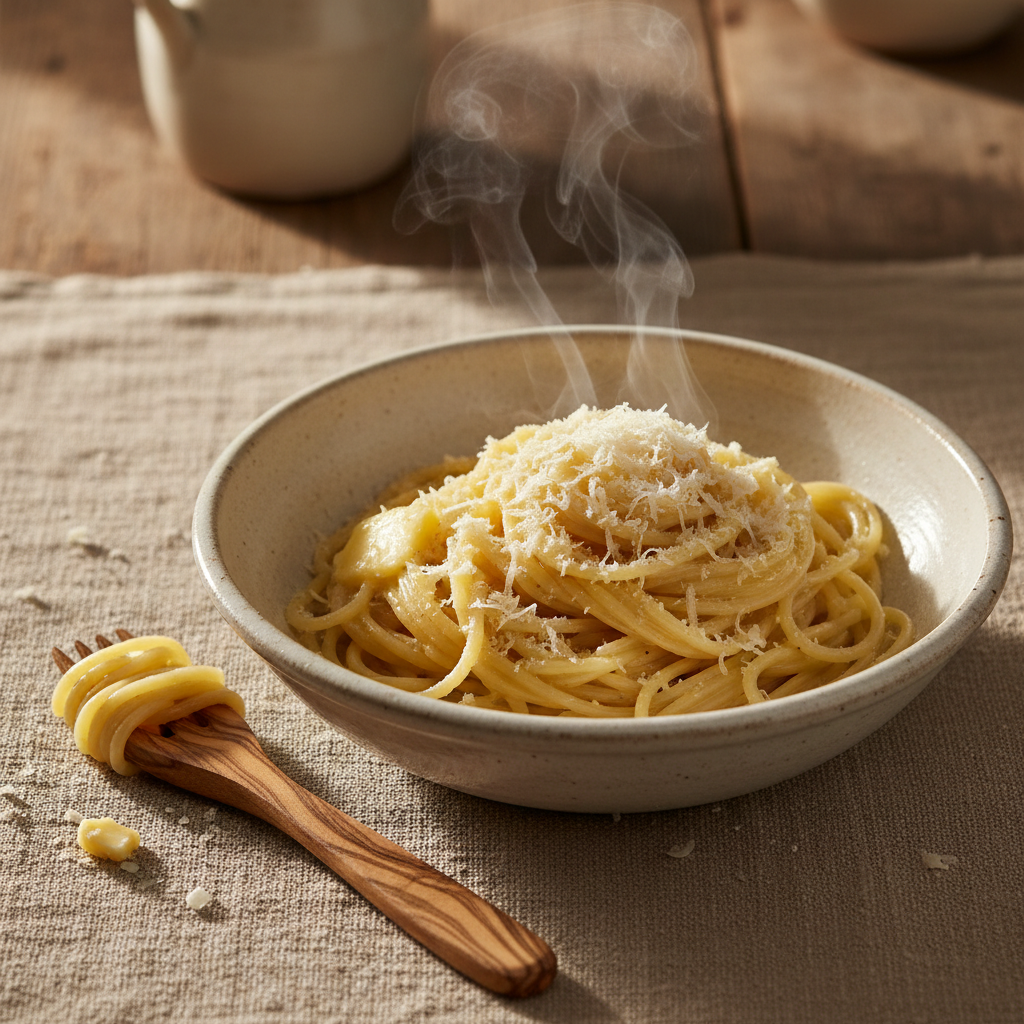
Pasta al burro e parmigiano — or pasta in bianco as every Italian mother calls it — is what you make when the fridge is bare and dinner needs to be on the table in twelve minutes. Butter, Parmesan, starchy pasta water: three ingredients that know exactly what they're doing.
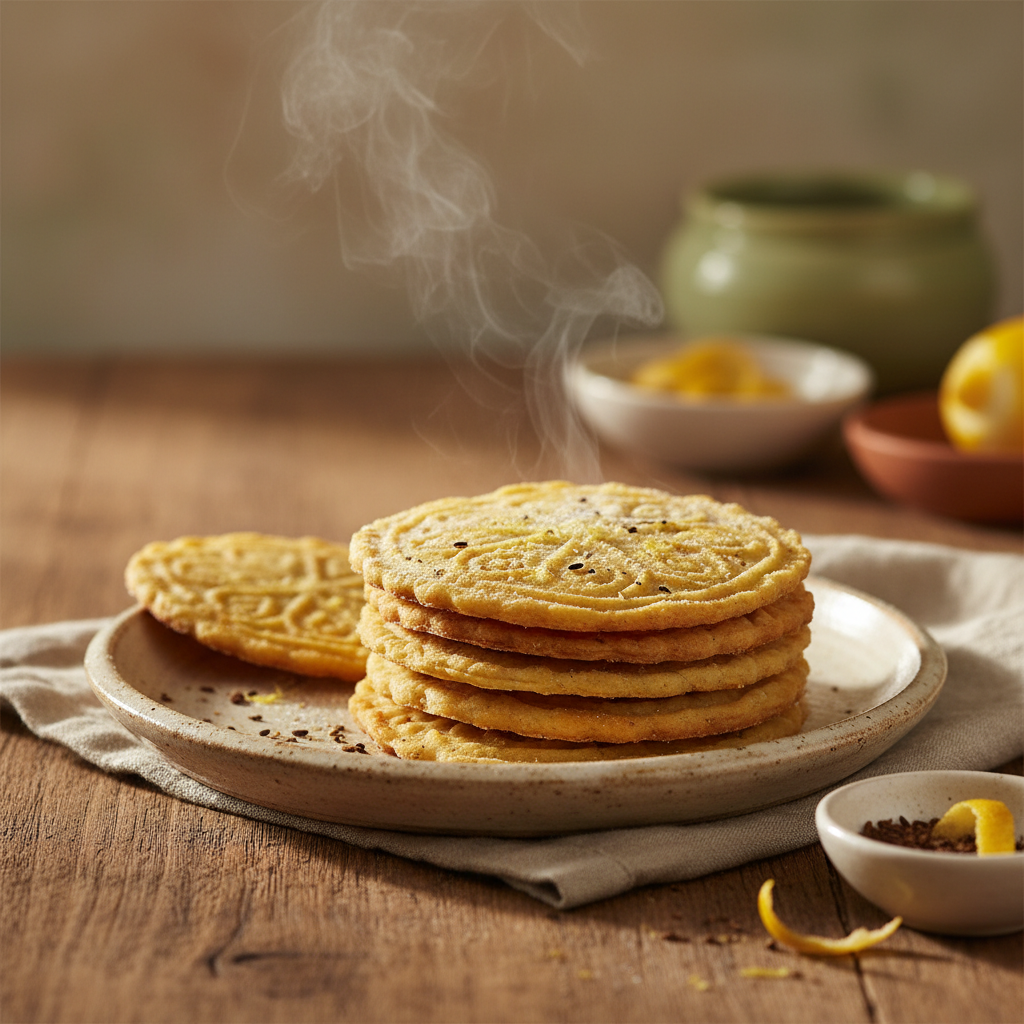
Pizzelle come from Abruzzo, where they've been pressed in patterned irons for at least several centuries — some claim they descend from the ancient Roman crustulum. The choice between anise and lemon zest is not a compromise: both are canonical, and neither is wrong.