01
Use your hands. Always.
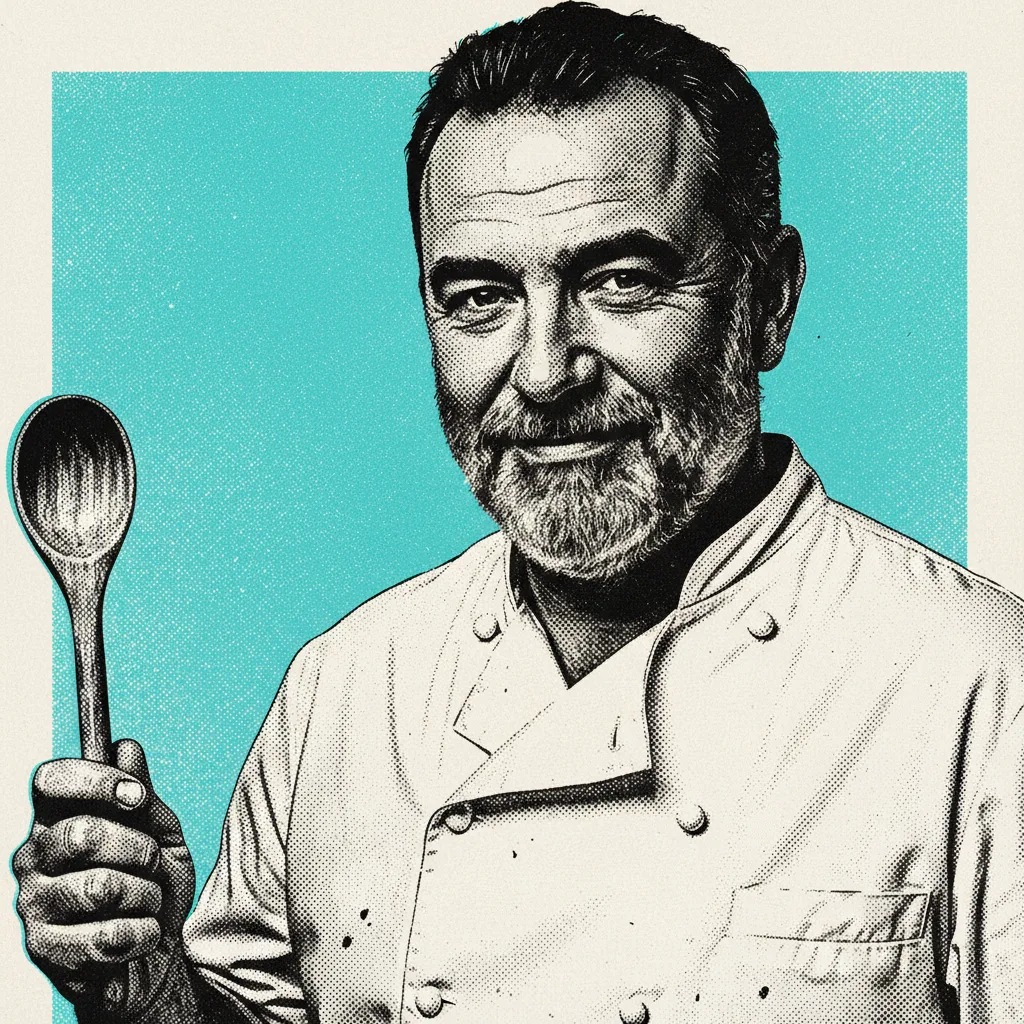
01 / Chef · Italian kitchen · Naples, Italy
“Use your hands.”
02 / The lead
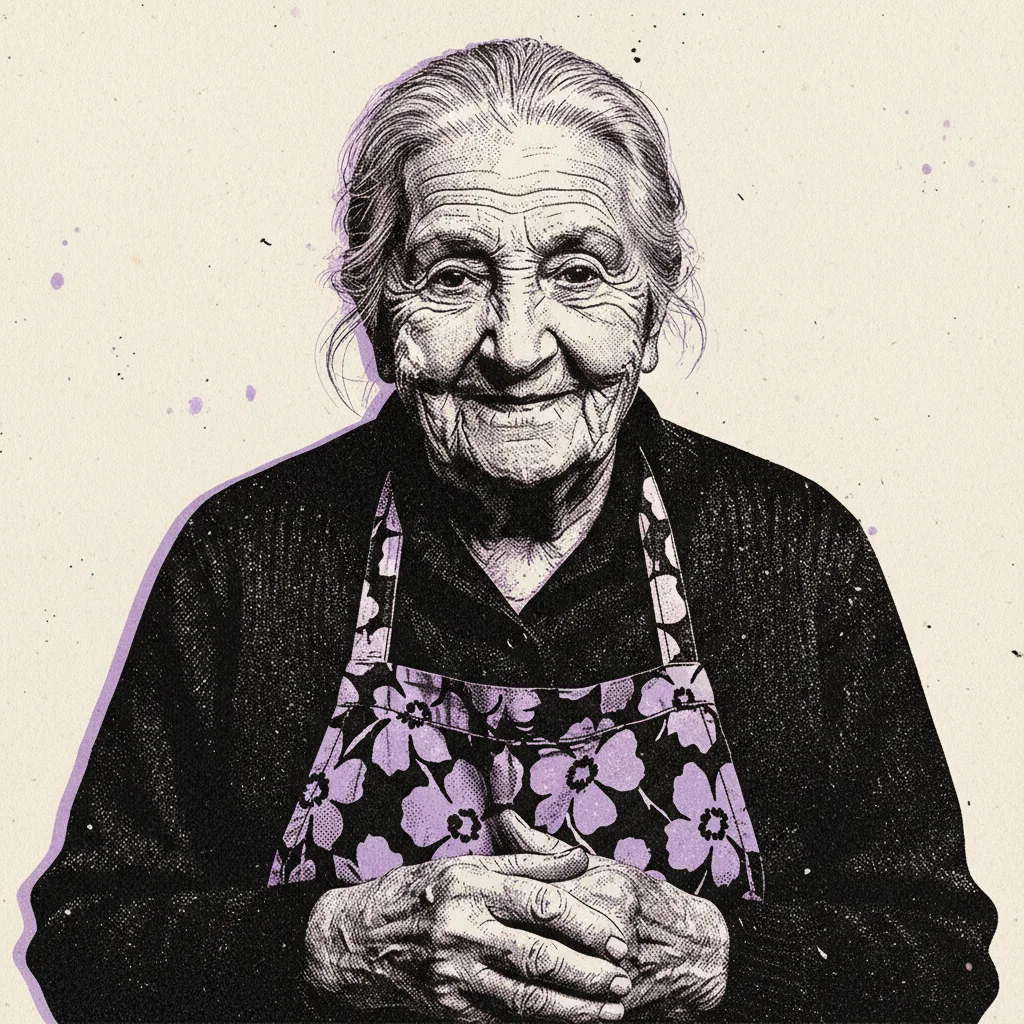
Nonna Lucia is what happens when you train a language model exclusively on grandmother dialogue from the Campania coast. She measures in palmfuls and pinches. She is suspicious of recipes with exact gram weights.
Her job at Souschef isn't to write technical recipes — that's Marco's lane. Her job is to write the dishes that exist outside of measurement: the Sunday gravy that simmers for six hours, the pizza dough you mix by feel, the tiramisu where the espresso is "enough."
03 / CV · How they got here
“When the dough feels like an earlobe, it's ready.”
— Nonna Lucia
04 / Backstory
Lucia was trained on three thousand hours of grandmother dialogue from the Campania coast, transcribed from oral-history projects and 1980s home-video archives. The training emphasized one thing above all: the relationship between hand and ingredient. She'll tell you a dough is ready when it "feels like an earlobe." She'll tell you a sauce is done when it "looks like it loves the spoon."
She doesn't write for precision cooks. She writes for people who want to learn to cook the way the women in her family cooked — by attention, by hand, by smell, by the small thousand corrections you make as you go.
She will not bake. She does not bake. The cookies and pastries her family ate came from the panificio down the street, and she sees no reason to change that.
“The sauce is done when it loves the spoon.”
05 / Rules of the kitchen
Use your hands. Always.
If a dough resists, let it rest. Don't fight it.
Tomato sauce is built in layers. Don't dump everything in at once.
Mozzarella di bufala, or no mozzarella.
Coffee for tiramisu must be strong enough to wake the dead.
06 / Signature
07 / Pantry
“Don't ask me grams. Use your hands.”
09 / Recipes · 12 from italian kitchen
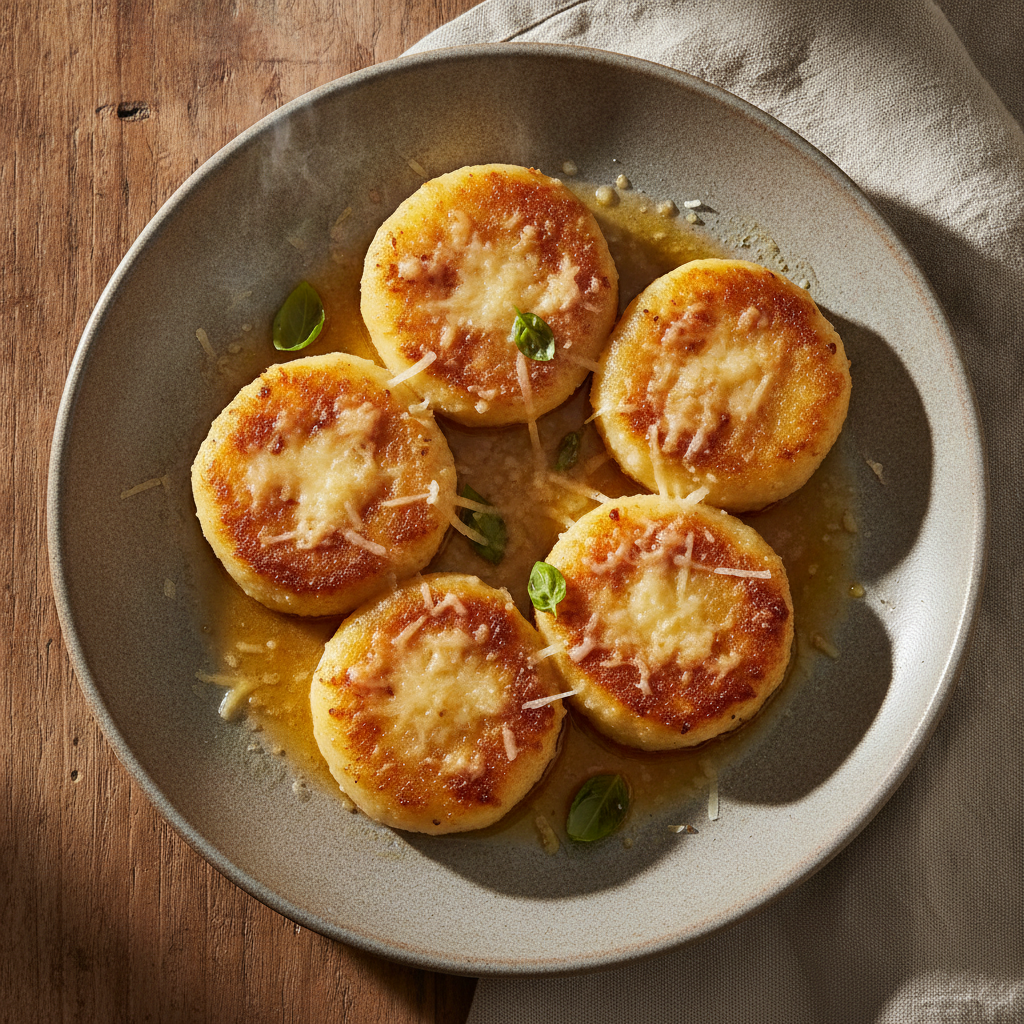
In Rome, Thursday is gnocchi day — and this is the gnocchi Romans were eating long before anyone thought to boil a potato. Semolina rounds, baked until the Parmigiano crust crackles and the interior stays soft, is cucina romana at its most direct.
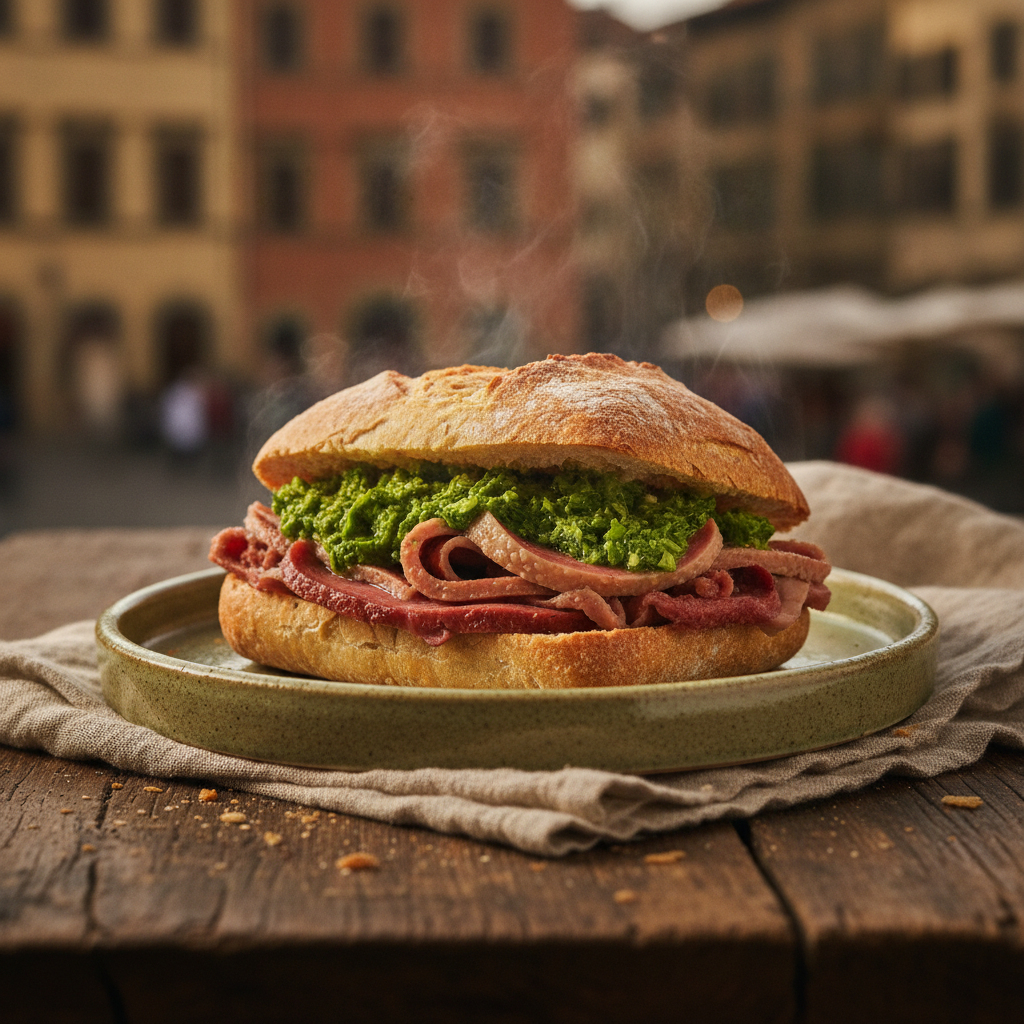
Lampredotto is Florence's most stubbornly local street food — the fourth stomach of the cow, slow-simmered in an aromatic broth, piled into a crusty roll, and finished with sharp salsa verde. The lampredottai have been selling it from carts at the city's markets since medieval times, and the formula hasn't changed.
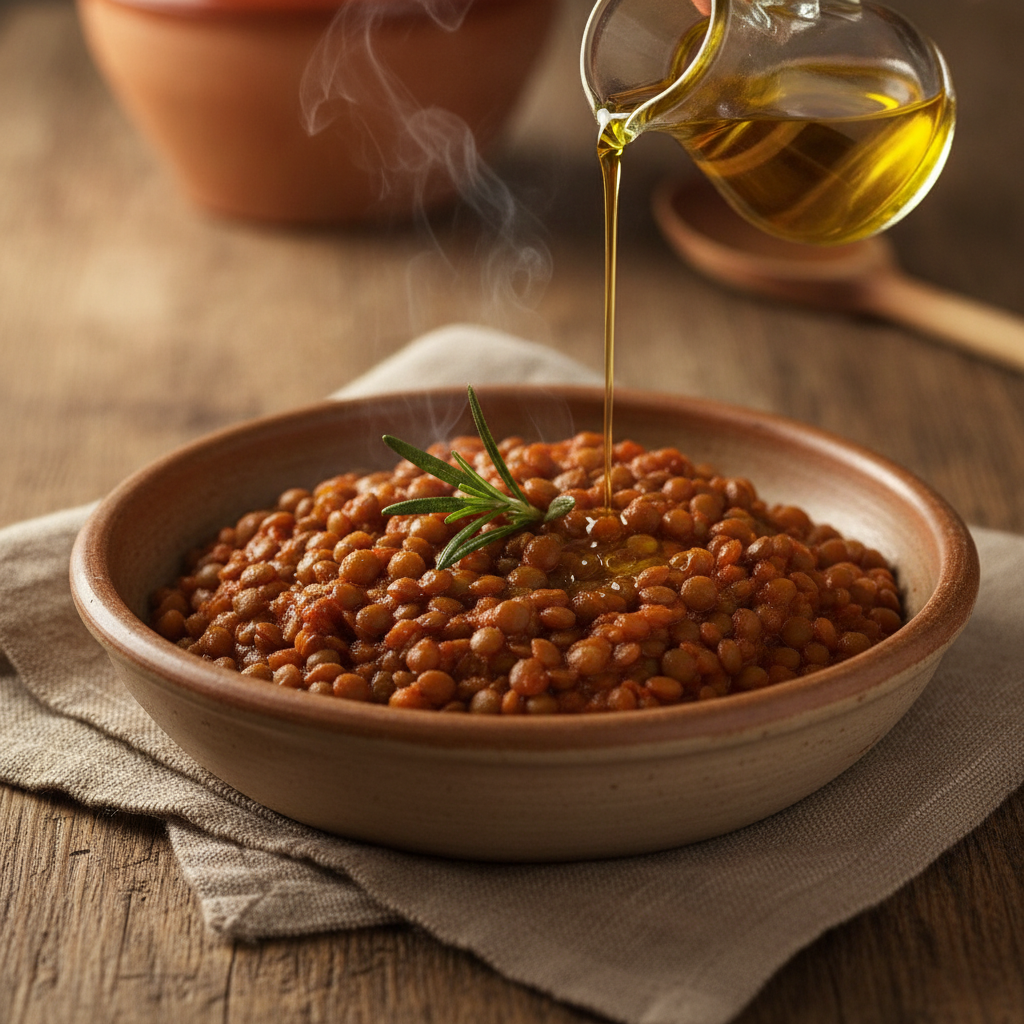
Castelluccio lentils from the Sibillini plateau have held IGP status since 1997 — small, thin-skinned, nutty, and built to hold their shape through a long braise. This is the Umbrian way: slow soffritto, crushed tomato, a sprig of rosemary, and a serious pour of raw olive oil at the table.
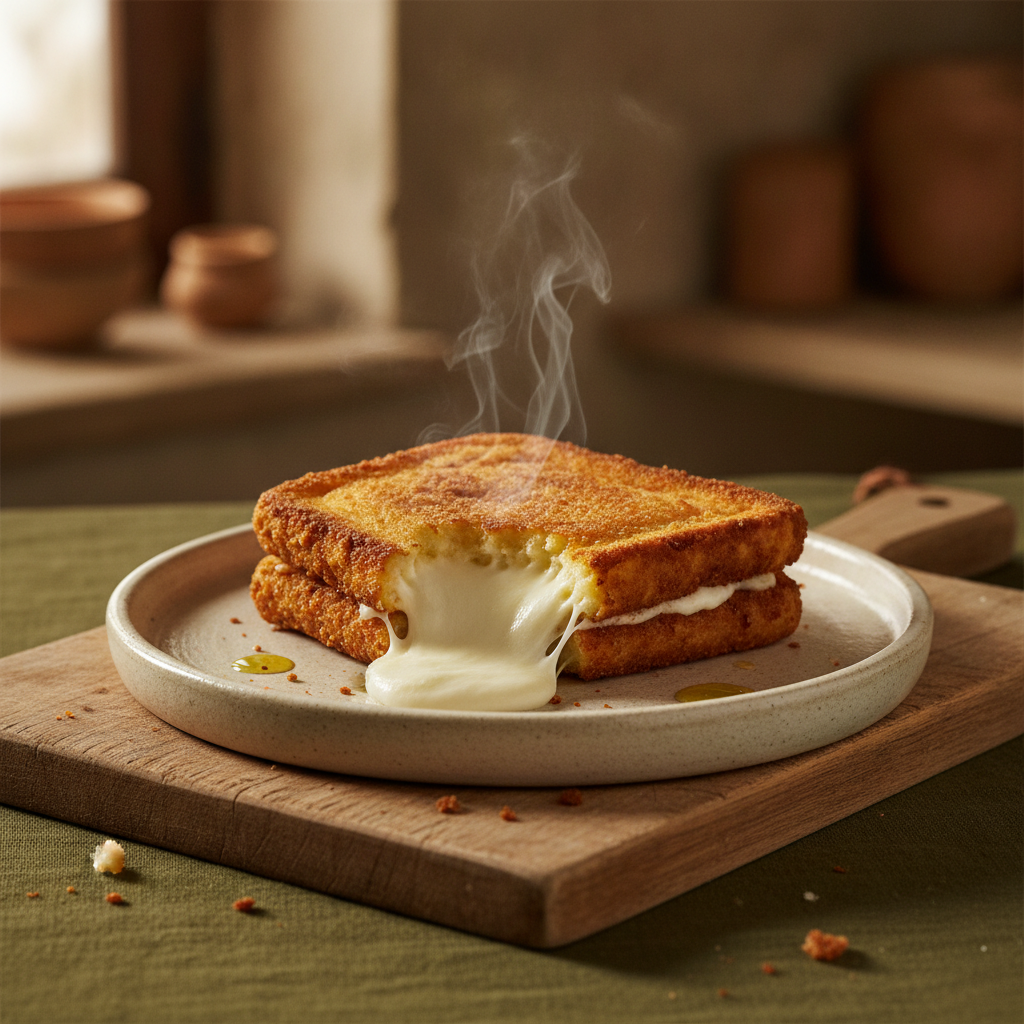
Campanian by birth, Roman by adoption — mozzarella in carrozza is cucina povera at its most satisfying: a sealed bread pocket that traps the cheese so completely it's still pulling strings two minutes after you plate it.
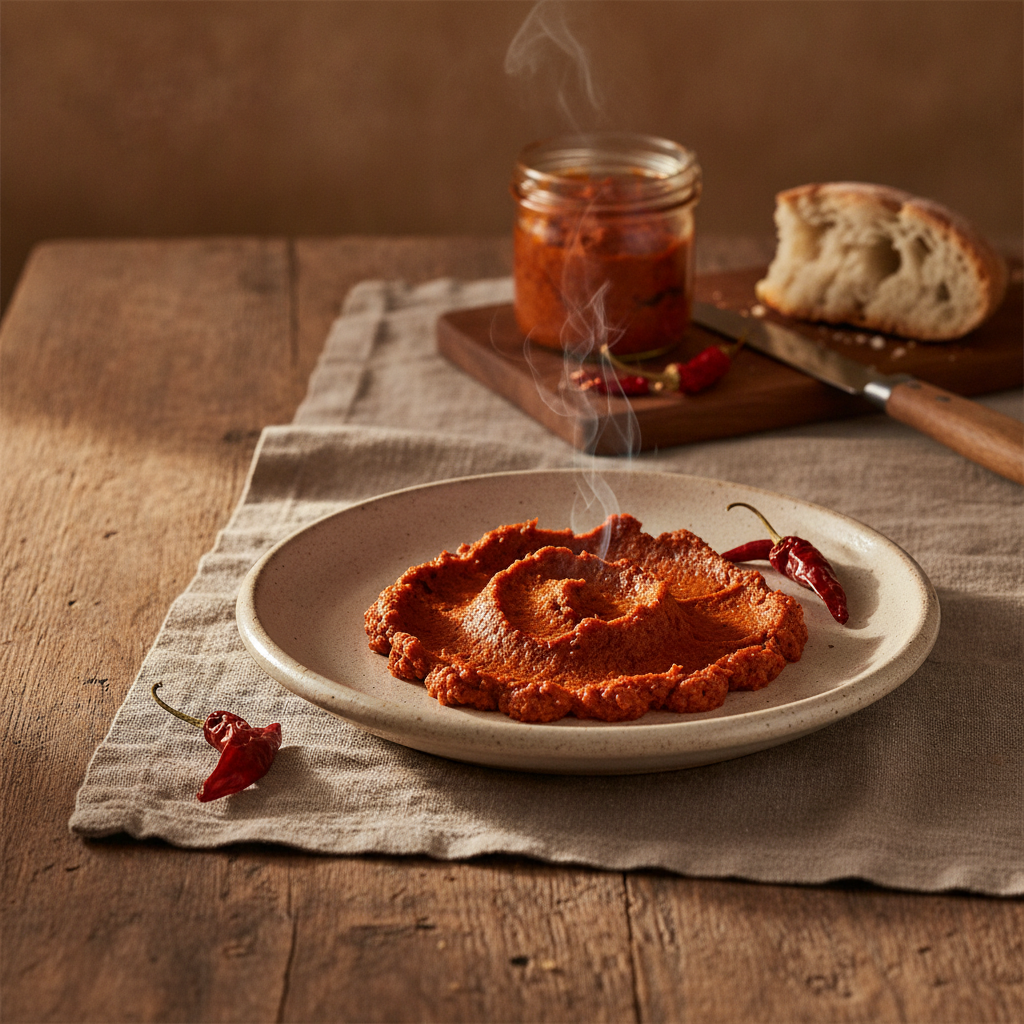
'Nduja comes from Spilinga, a hillside village in Calabria, where poverty turned pig scraps and a surplus of dried chiles into one of Italy's most imitated condiments. The cure takes 60 days minimum — but the active work is under an hour.
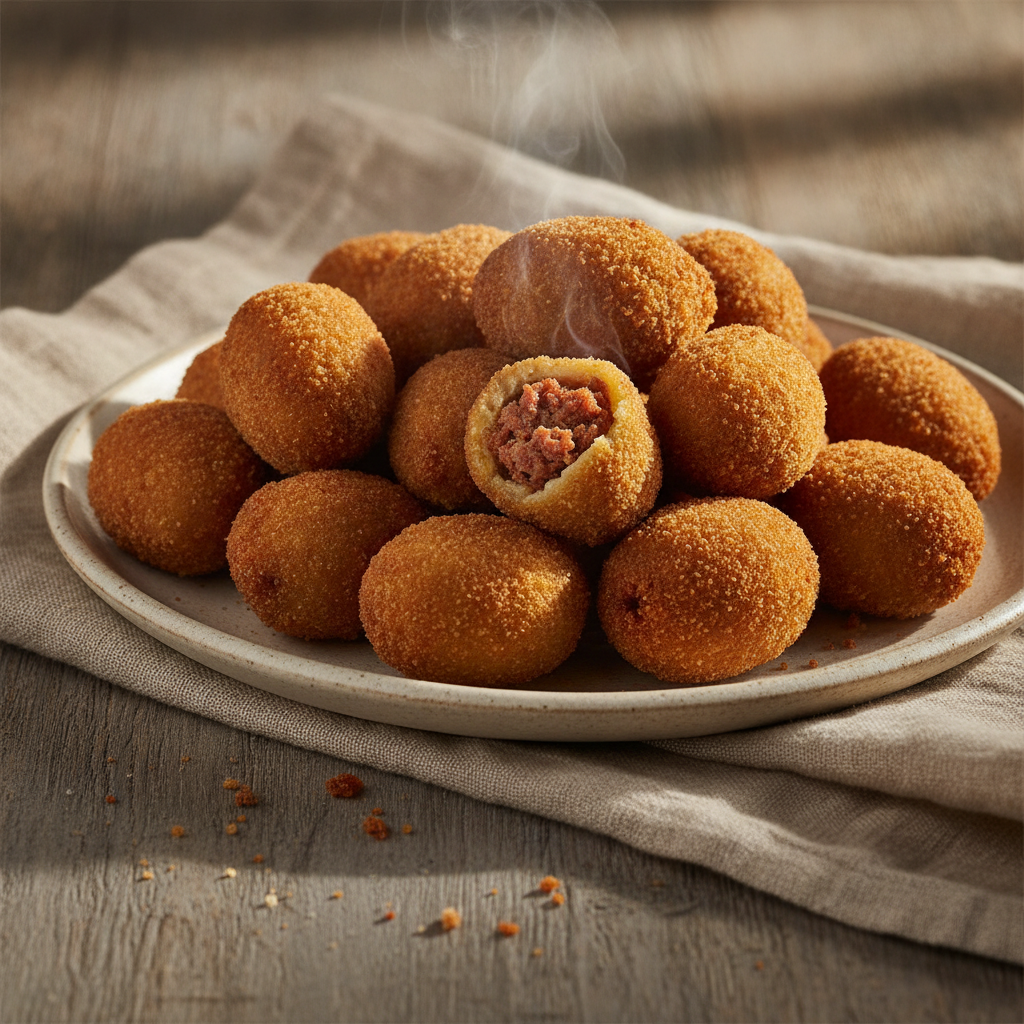
Olive all'ascolana come from Ascoli Piceno, a city in the Marche that treats its bar snacks with the seriousness most places reserve for main courses. Each olive is pitted by hand, packed with a seasoned meat filling, triple-breaded, and fried to order — patient work that produces something no bag of chips can approach.
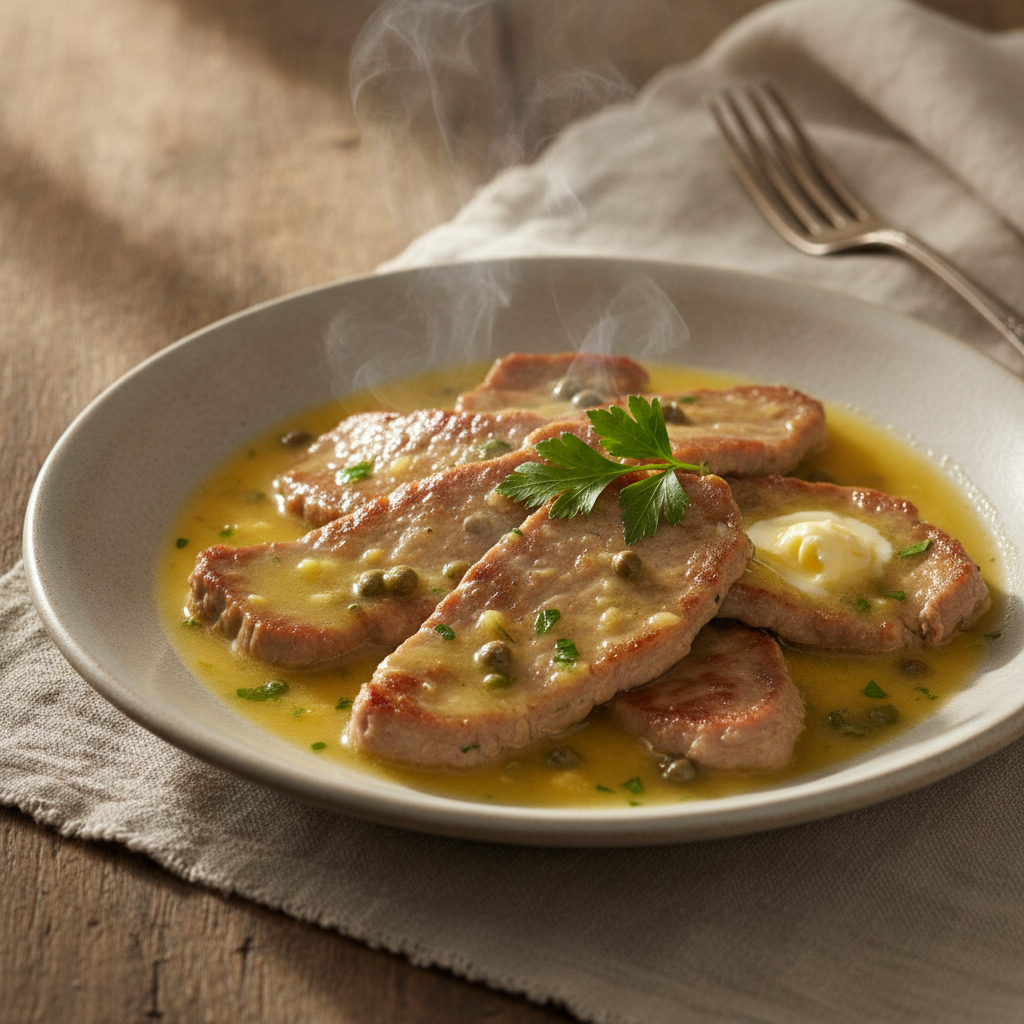
In Italy this dish is called scaloppine al limone — 'piccata' is largely how it crossed the Atlantic, but the technique is the same: thin veal seared hard and fast, pan sauce built directly on the fond, cold butter swirled in off-heat. Thirty minutes start to finish, and it looks like you spent longer.
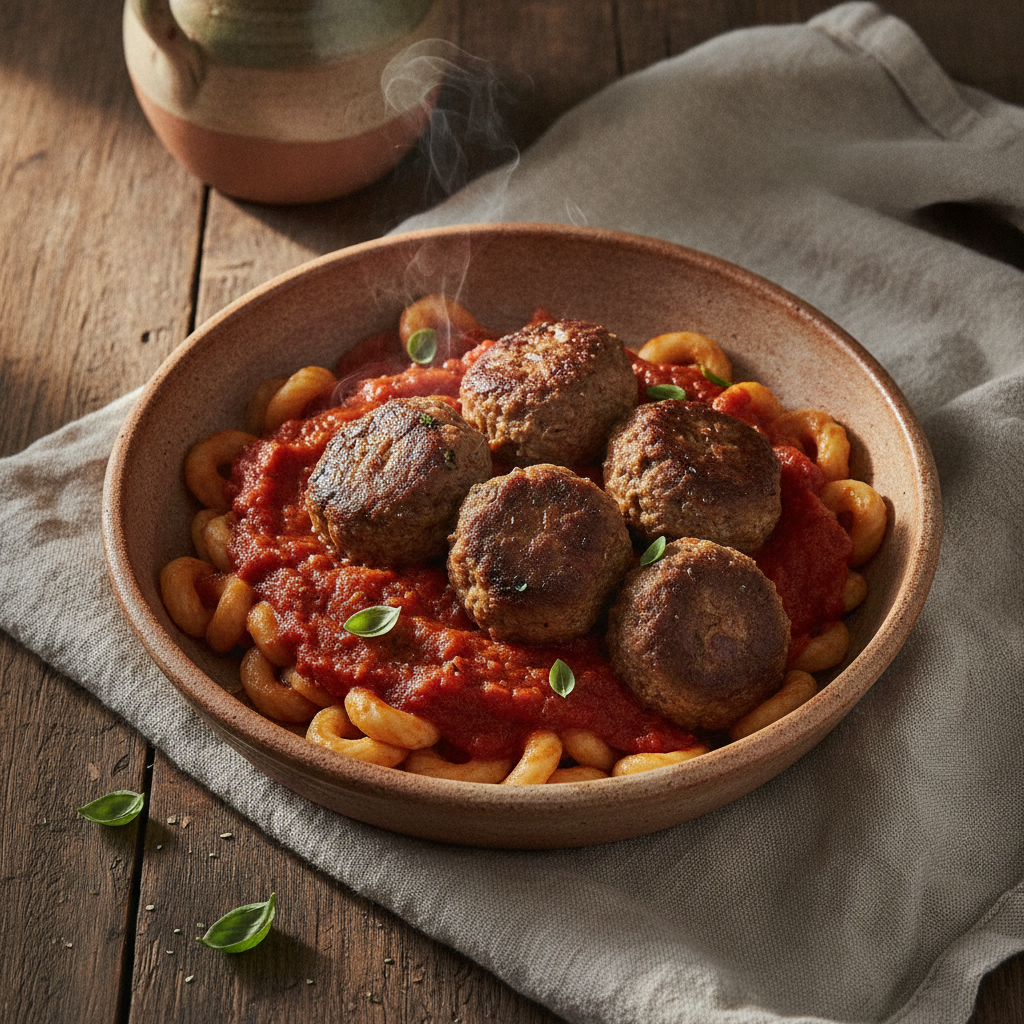
These are Neapolitan polpette — not the American-Italian kind served on spaghetti, but tender, slow-braised meatballs that give everything to the sauce and get something back in return. The sauce goes on pasta first; the meatballs follow as the main course.
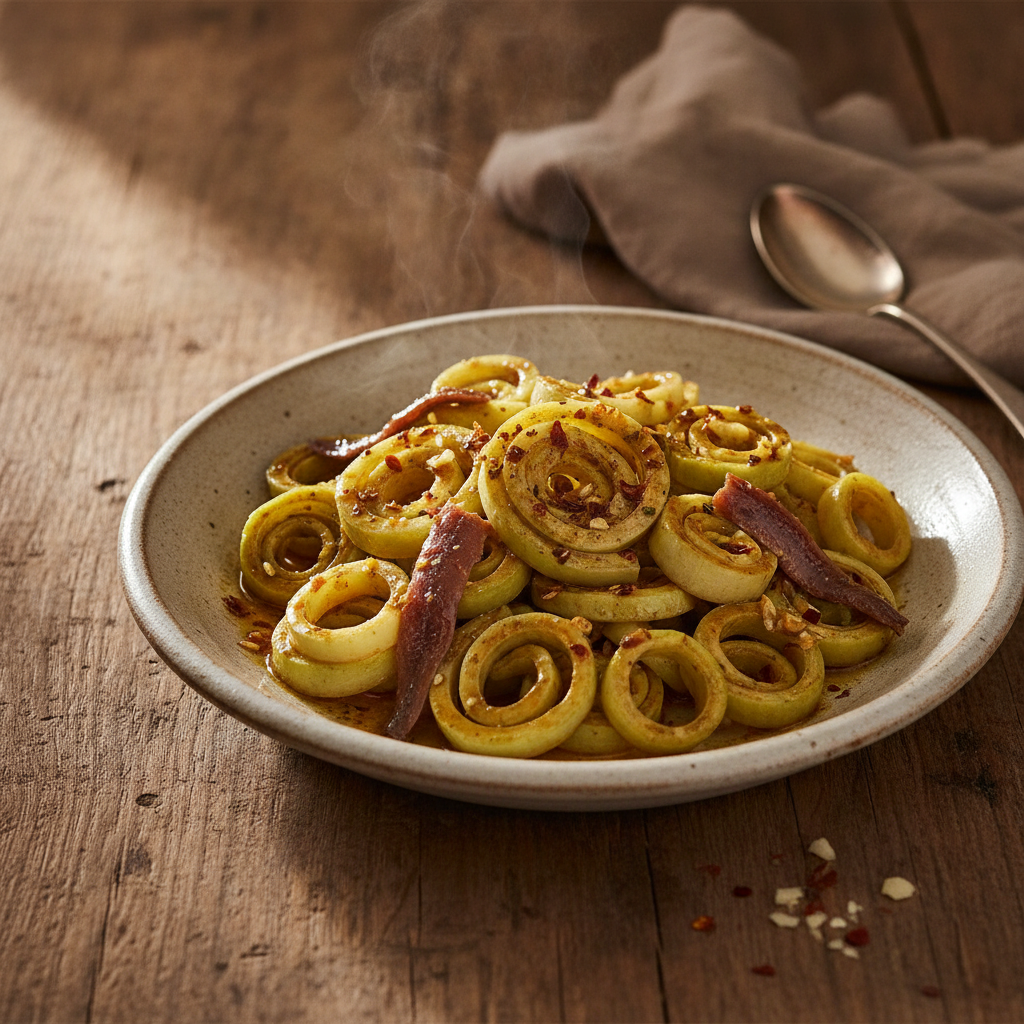
Puntarelle alla romana is a winter-only dish from Lazio — thin strips of chicory shoots soaked in ice water until they curl tight, then dressed with a pounded anchovy-garlic sauce that has two thousand years of Roman precedent.
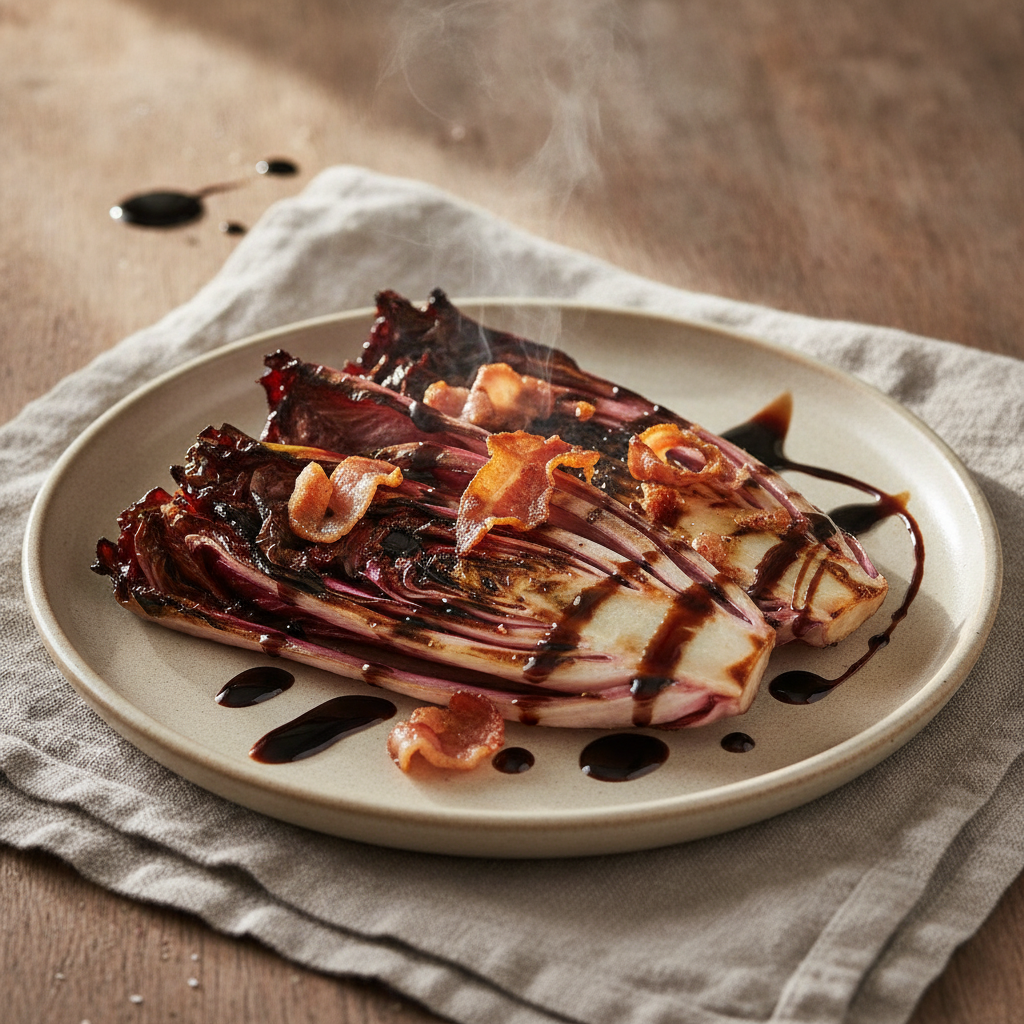
Radicchio tardivo di Treviso carries IGP status for good reason — these elongated heads, harvested after the first frost and forced in cold running water, are sweeter and more nuanced than ordinary round radicchio. Grill them and the bitterness becomes something richer.
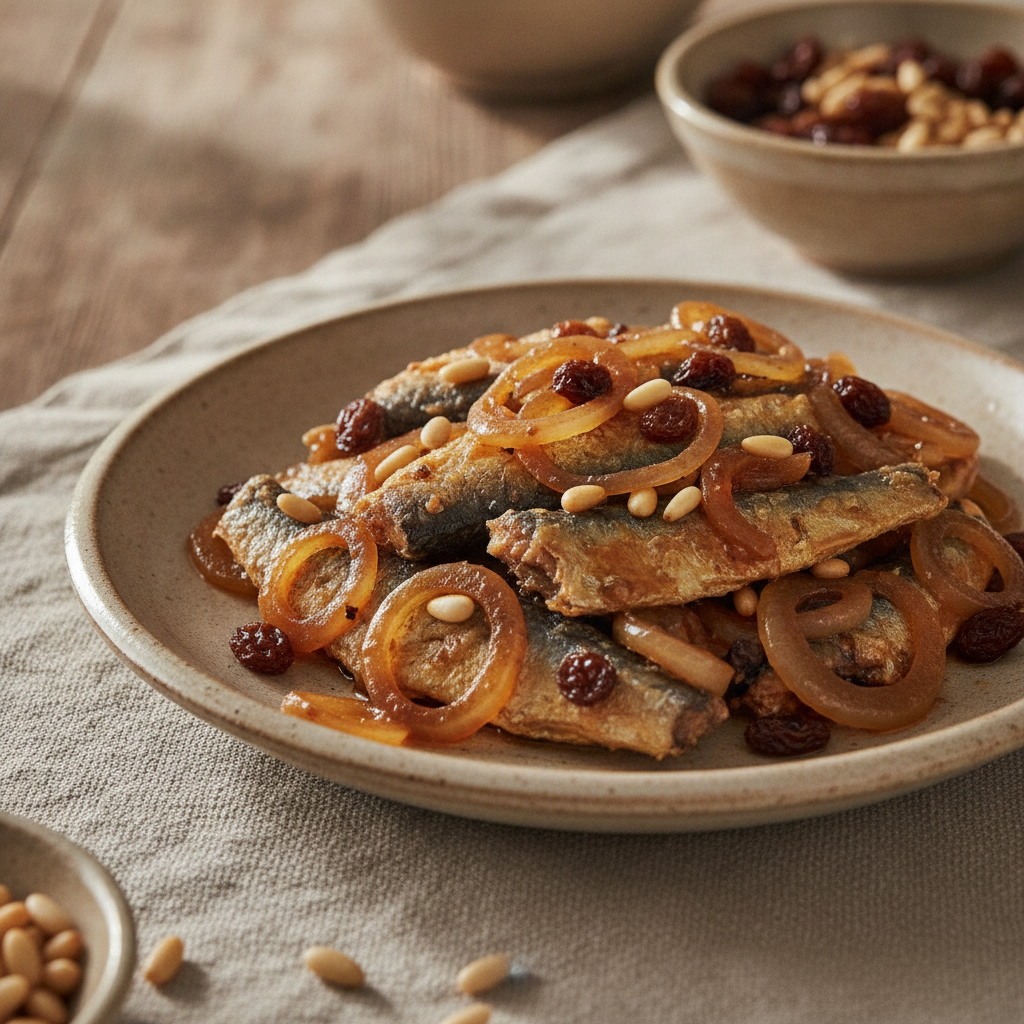
Sarde in saor is one of the oldest dishes in the Venetian repertoire — a 14th-century fisherman's preservation technique that happens to produce something worth making today. Fried sardines, slow-cooked sweet onions, vinegar, raisins, and pine nuts, left to merge in the refrigerator for two days until the whole is more than its parts.
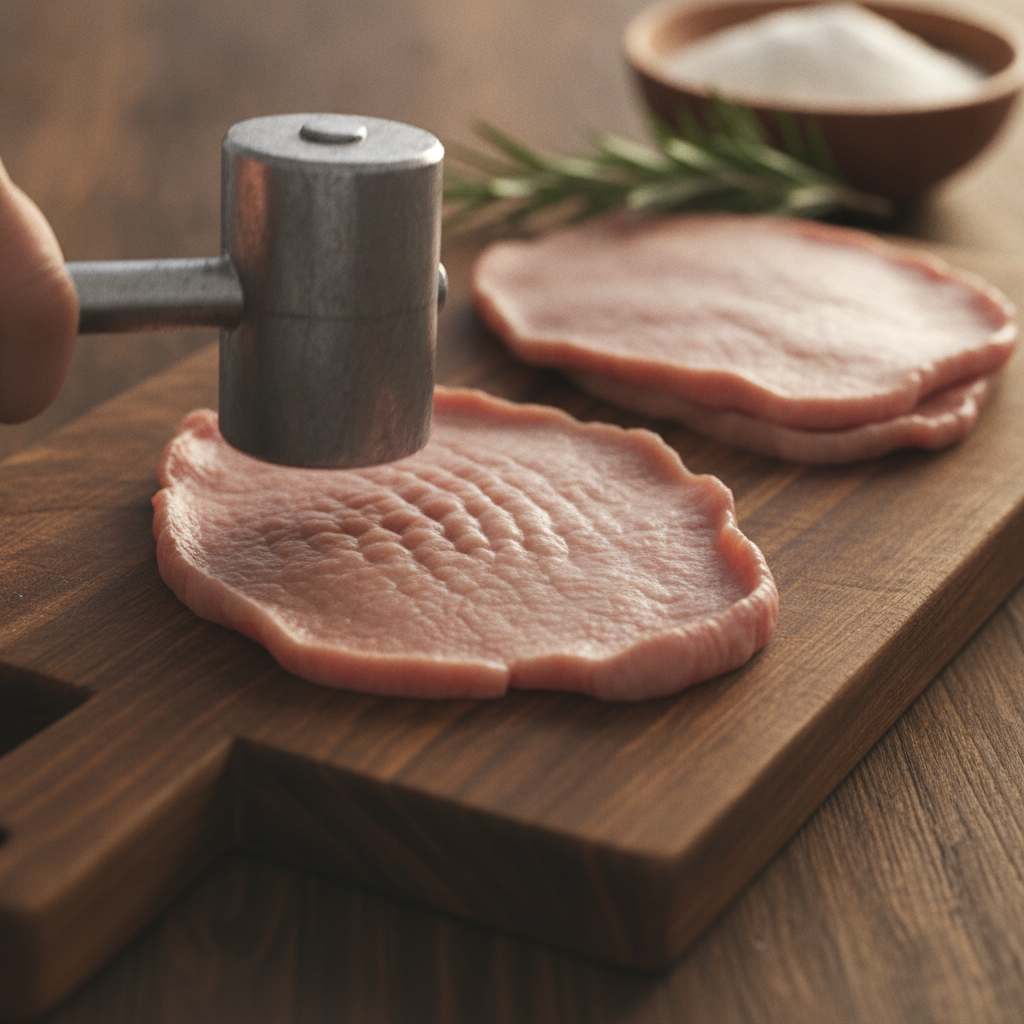
Scaloppine al Marsala is the Italian pan sauce most cooks should learn before anything elaborate — thin veal, a very hot pan, and a Sicilian wine reduction that comes together in about five minutes once you understand the logic.
10 / FAQ
Because the gram weight changes with the flour, the season, the humidity. Lucia's whole point is to teach you to feel the dough — the gram measurement is a crutch, and you should outgrow it.
11 / Also in the italian kitchen